Kitchens have a way of turning into the Bermuda Triangle of the home—things go in, but somehow never come out. Gadgets you swore you’d use weekly, mugs you can’t remember buying, and mystery items in the back of the freezer all seem to multiply when you’re not looking. It’s no wonder professional organizers say this is the most overstuffed room in the house.
To nail down the worst offenders, I pulled insights from certified professional organizers featured in Good Housekeeping, The Spruce, and Real Simple, plus fresh survey data from Houzz and OnePoll.
These 10 items kept coming up again and again—not because they’re bad to own, but because they quietly eat up space and make daily cooking more stressful. If your kitchen feels like it’s working against you, this list will help you reclaim both your counters and your sanity.
1. Duplicate Cooking Utensils
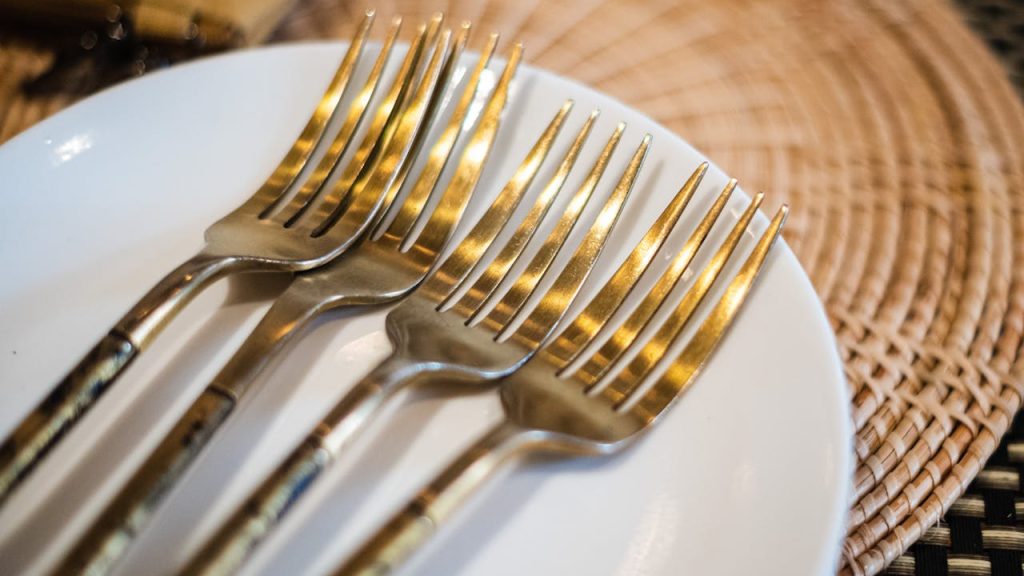
It’s not uncommon to find five spatulas, three ladles, and multiple can openers in a single drawer. According to Good Housekeeping, professional organizers routinely remove duplicates as their first step because “extras” rarely improve function.
Trimming down to one quality version of each essential tool instantly makes drawers easier to navigate. You’ll grab what you need faster, stop rebuying what you already own, and free up space for the things you actually use.
2. Unused Small Appliances
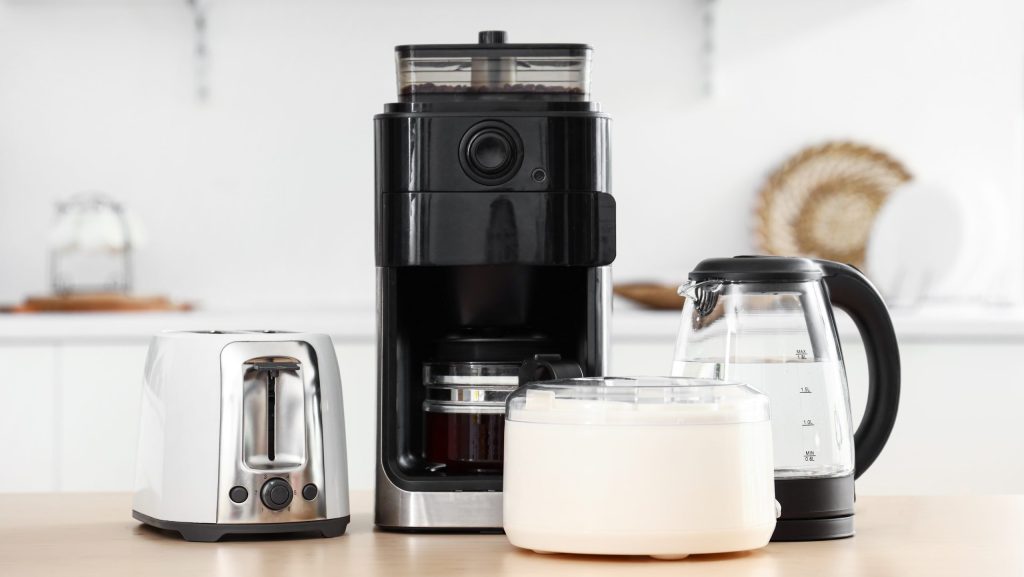
From waffle makers to quesadilla presses, small appliances are among the most clutter-prone items in the kitchen. A 2024 article by The Spruce suggests parting with any appliance you haven’t used in the last six months.
These bulky machines dominate counters and cabinets but don’t add daily value. Keep the workhorses (air fryer, Instant Pot) if they earn their footprint; otherwise, store offsite or donate so your prime kitchen real estate serves you better.
3. Expired Pantry Goods
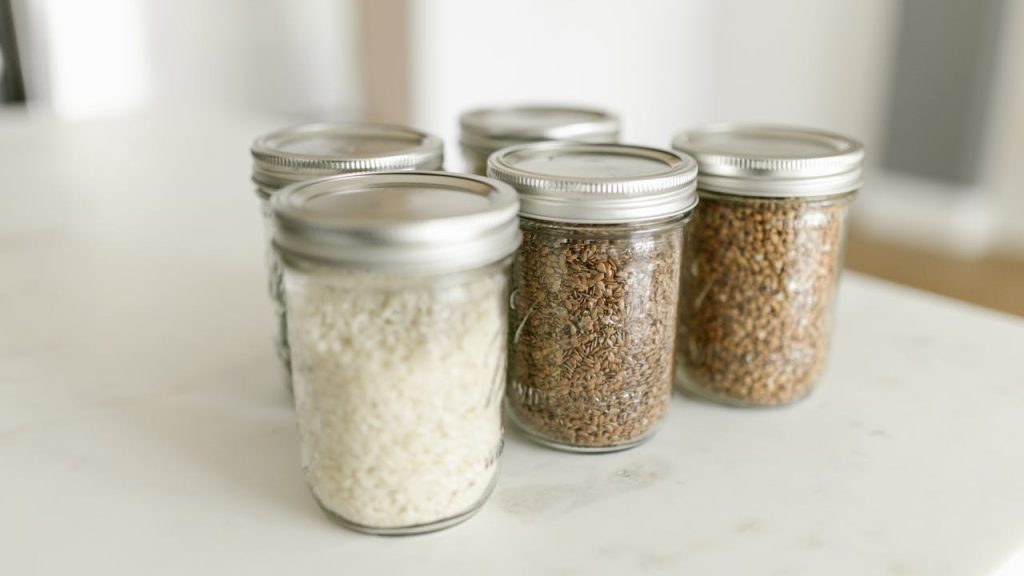
Pantries become graveyards for long-forgotten food items. Organizers commonly find stale spices, duplicate cans, and expired baking mixes hiding behind newer groceries—easy to miss until a full sweep.
The New York Times notes expiration dates often speak to quality more than safety, but cluttered shelves still drive waste. A 3–6 month purge keeps inventory visible, saves money, and helps you actually cook what you buy.
4. Excess Reusable Containers (Without Lids)

Stacks of bowls with no matching lids (and vice versa) are a universal pain point. NAPO pros say food containers are one of the hardest categories for clients to edit—people hang on “just in case.”
A Real Simple feature recommends keeping only complete, stackable sets and recycling the rest. You’ll reclaim a whole cabinet and make leftovers and lunches faster to pack.
5. Excess Mugs

Mugs multiply—gifts, travel souvenirs, office freebies—until they swallow an entire shelf. A Good Housekeeping report notes many people own two to four times more than they use.
Match your stash to the number of daily coffee/tea drinkers at home, plus a couple for guests. Box the rest for rotation, donate them, or repurpose as planters and pen cups.
6. Bulk Storage of Unused Grocery Bags

Reusable bags are great—until they take over a cabinet. It’s common to find entire drawers packed with totes and old plastic sacks you’ll “use someday,” but never do.
The Spruce suggests keeping 5–10 sturdy bags per household based on shopping habits. Return extras to store recycling bins and dedicate a single, reachable spot so they don’t sprawl.
7. Large Sets of Serving Platters
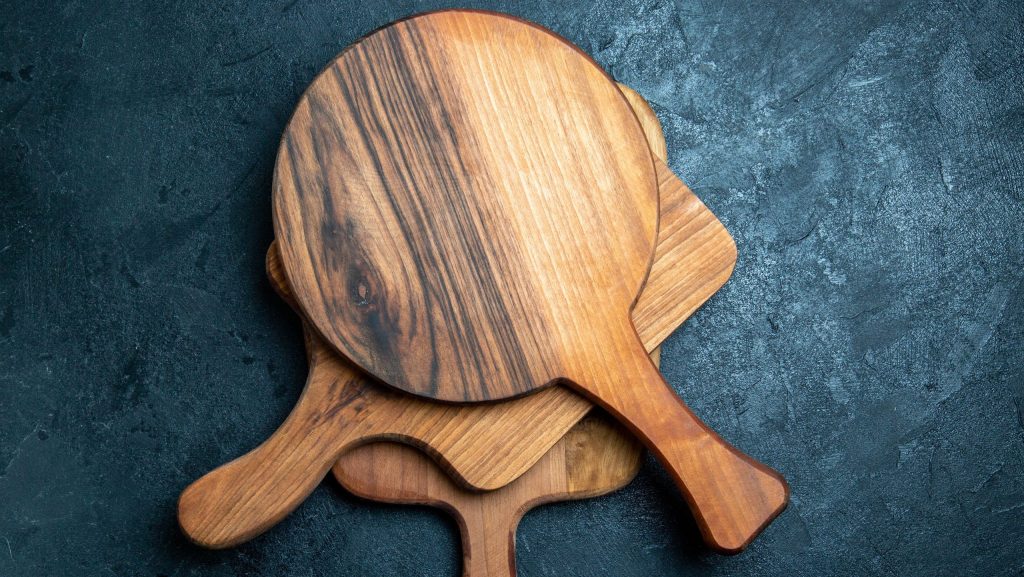
Big platters and trays look lovely—but they’re bulky and used only a few times a year. Organizers say many clients keep multiples “just in case,” even if they host infrequently.
Keep one or two versatile pieces that truly earn their space, then relocate specialty servers to a dining hutch or garage shelf. Everyday items deserve the prime real estate inside your kitchen.
8. Forgotten Cookbooks

Most of us turn to the internet for recipes, yet shelves still sag with cookbooks that rarely see daylight. In a 2024 Houzz decluttering guide, experts note many kitchens store 15+ books while only two or three are used regularly.
Curate a tight collection of favorites and donate the rest to libraries or community kitchens. You’ll clear visual clutter and make it easier to find the recipes you actually cook.
9. Junk Drawers Overflowing with Miscellaneous Items
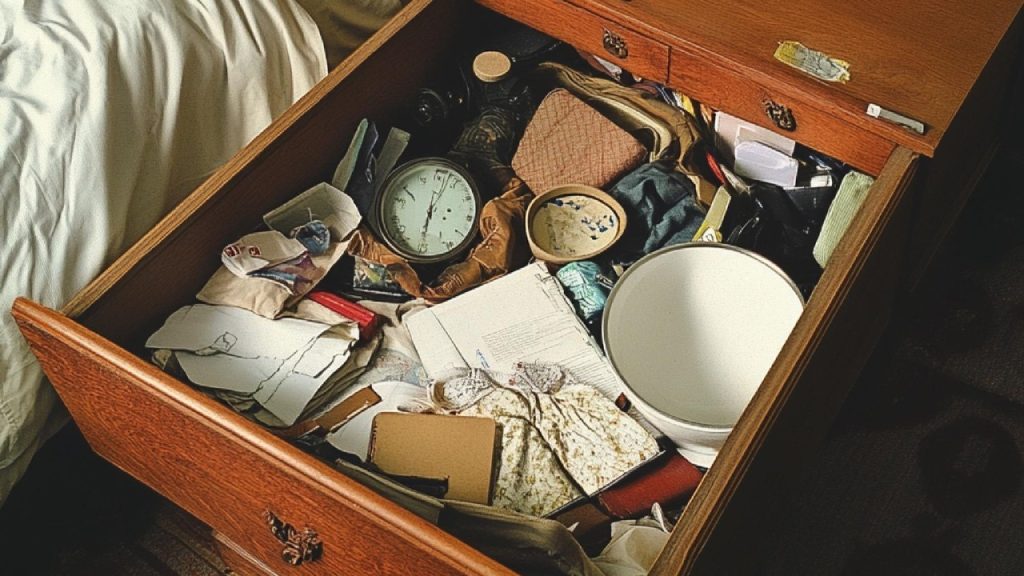
Every kitchen has one, but the “junk drawer” is often a top source of daily frustration. A 2023 OnePoll survey found 74% of Americans haven’t cleaned theirs in over a year—no wonder it becomes a tangle of cords, dead batteries, and random parts.
Use dividers and limit contents to 4–5 categories (think: tools, batteries, tape, takeout menus). If you don’t use it monthly, it doesn’t belong here—relocate or toss to keep the drawer functional.
10. Freezer Burned and Forgotten Frozen Foods

Freezers are out-of-sight, out-of-mind—until they’re crammed with mystery leftovers and frostbitten veggies. According to the USDA, freezer burn isn’t unsafe, but it does wreck taste and texture.
An EatingWell guide recommends quarterly audits: toss burned items, label dates, and zone by category (proteins, veg, cooked meals). A tidy freezer reduces waste and makes weeknights easier.