Keeping your home clean is important for comfort and health, but some everyday habits can actually cause more harm than good. You might think you’re making progress, but certain routines can unintentionally spread dirt and germs or make cleaning less effective.
Understanding which habits work against you can help you keep your home truly fresh and hygienic. This article will guide you through common cleaning mistakes so you can avoid them and improve your cleaning routine.
Using too many cleaning products and causing indoor air pollution
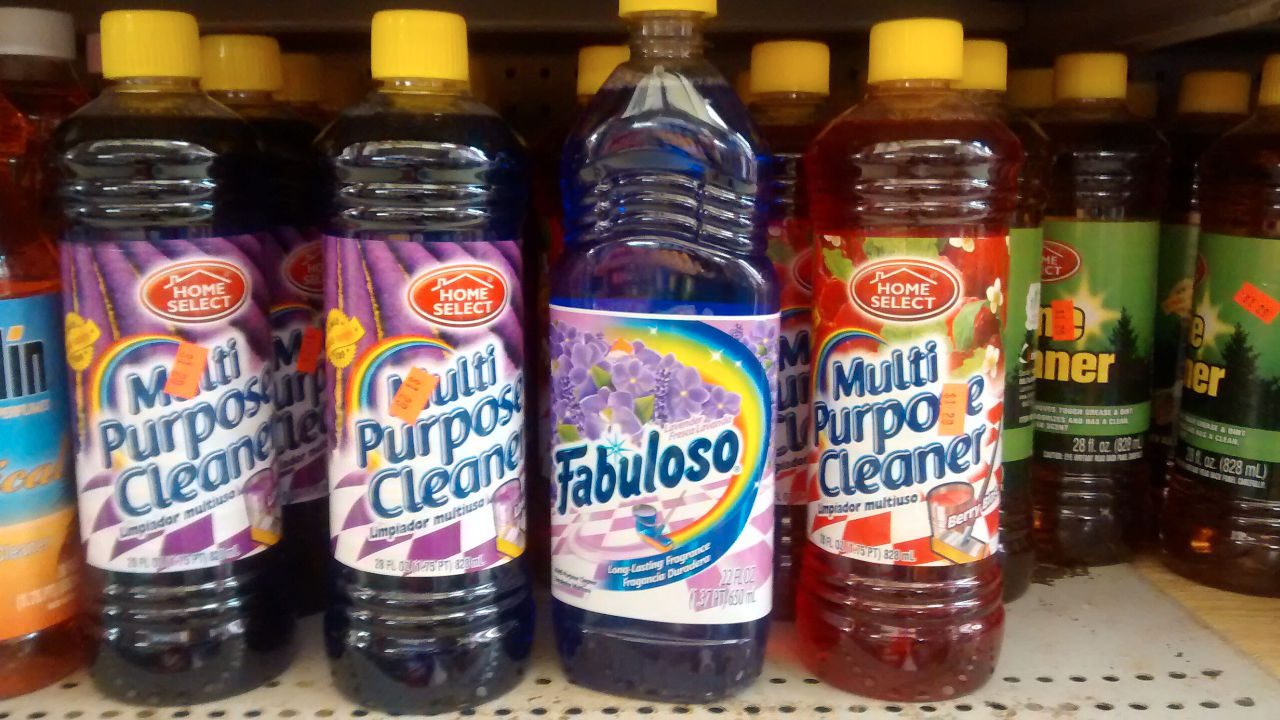
When you use multiple cleaning products at once, they can release harmful chemicals into your indoor air. These chemicals, called VOCs, may build up and reduce air quality in your home.
Mixing products can create reactions that produce even more pollutants. Keeping your routine simple can help keep the air fresher.
Try safer alternatives like vinegar and water or baking soda to clean without adding harmful fumes. Your home can stay clean and healthy with fewer chemicals.
Wearing shoes inside and tracking in dirt and bacteria

When you wear shoes inside, you bring in dirt, bacteria, and other debris from outside. These can stick to your floors and carpets, making your home less clean.
Studies show that most germs on shoe soles transfer to your floors. Even if your shoes look clean, they might carry harmful substances like lead or chemicals.
Leaving shoes at the door helps reduce the spread of these contaminants and keeps your living space cleaner and healthier.
Ignoring small messes until they pile up

When you leave small messes like toothpaste drips or scattered mail, they quickly add up. A little clutter becomes overwhelming over time, making cleaning more stressful.
Try the two-minute rule: if a mess takes less than two minutes to fix, do it right away. This simple habit keeps your space fresh and prevents bigger cleaning jobs later.
Not cleaning or replacing dirty cleaning tools regularly

If you don’t clean your sponges, cloths, or brushes often, they can start spreading dirt and germs instead of removing them. Using these dirty tools can make your home less clean and may even increase the chance of bacteria spreading.
Make it a habit to wash or replace your cleaning tools regularly. This simple step helps keep your home truly fresh and healthy.
Taking shortcuts that leave areas less clean than they seem
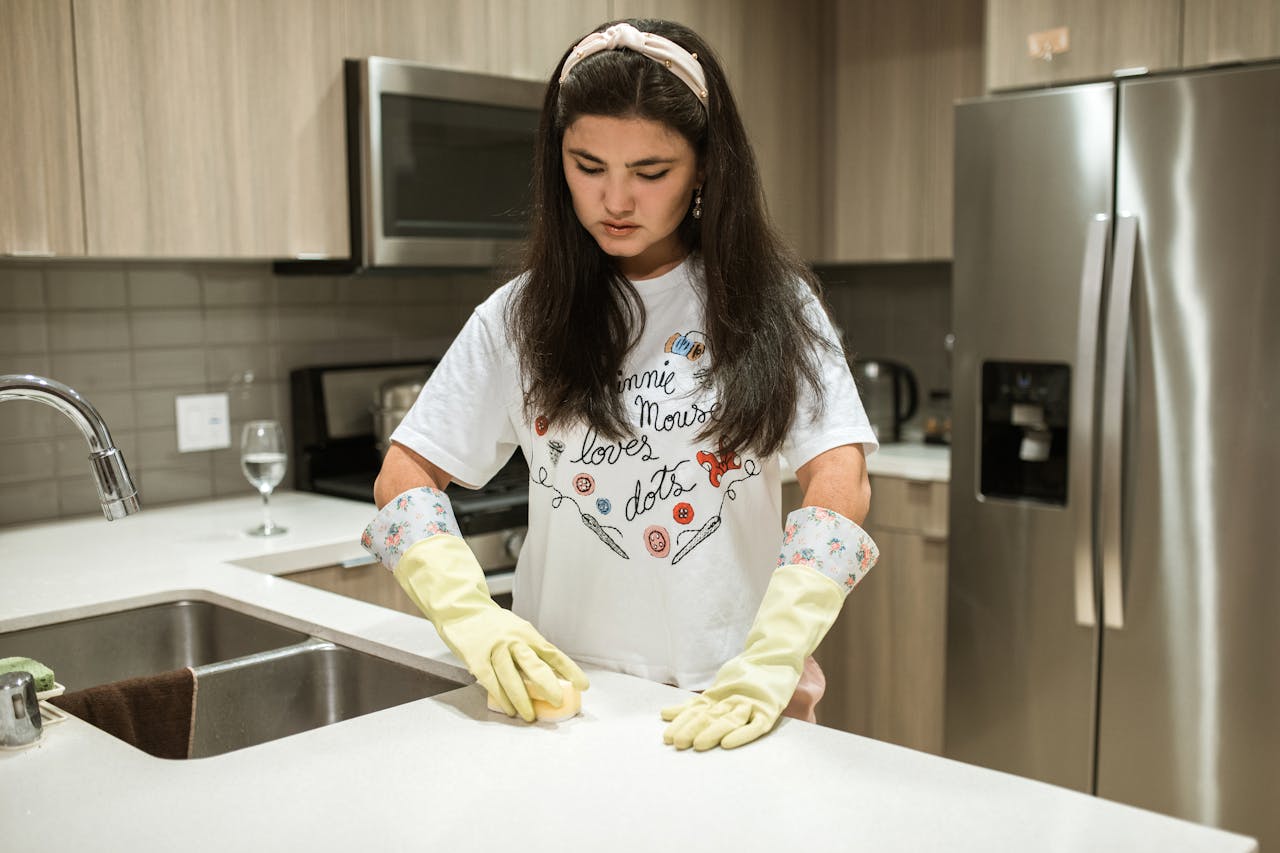
When you rush through cleaning, some spots might look clean but still hold dirt or germs. Skipping areas like underneath furniture or behind appliances lets buildup grow unnoticed.
Using quick wipes instead of a thorough clean can leave soap scum or dust behind. It’s tempting to avoid deep cleaning, but it helps prevent damage and keeps your home healthier. Focus on cleaning all parts of a surface, not just the obvious ones. This way, your home stays truly fresh and safe.
Using harsh chemicals on delicate surfaces

You might think strong cleaners make the job easier, but they can actually harm delicate materials. Surfaces like wood, fabrics, or certain metals can lose their finish or get scratched when exposed to harsh chemicals.
Instead, choose gentle products designed for the specific surface. Using mild cleaners helps protect your belongings and keeps them looking their best longer.
Skipping regular dusting which lets allergens build up

When you skip regular dusting, dust and allergens settle on surfaces. This buildup can cause sneezing, itchy eyes, and even worsen asthma symptoms.
Dust collects not just on furniture but also on window sills and vents. Cleaning these areas often keeps your home’s air cleaner and healthier.
Making dusting a habit reduces the amount you need to clean later. It helps keep allergens under control and your home feeling fresher.
Over-wetting surfaces leading to mold and damage
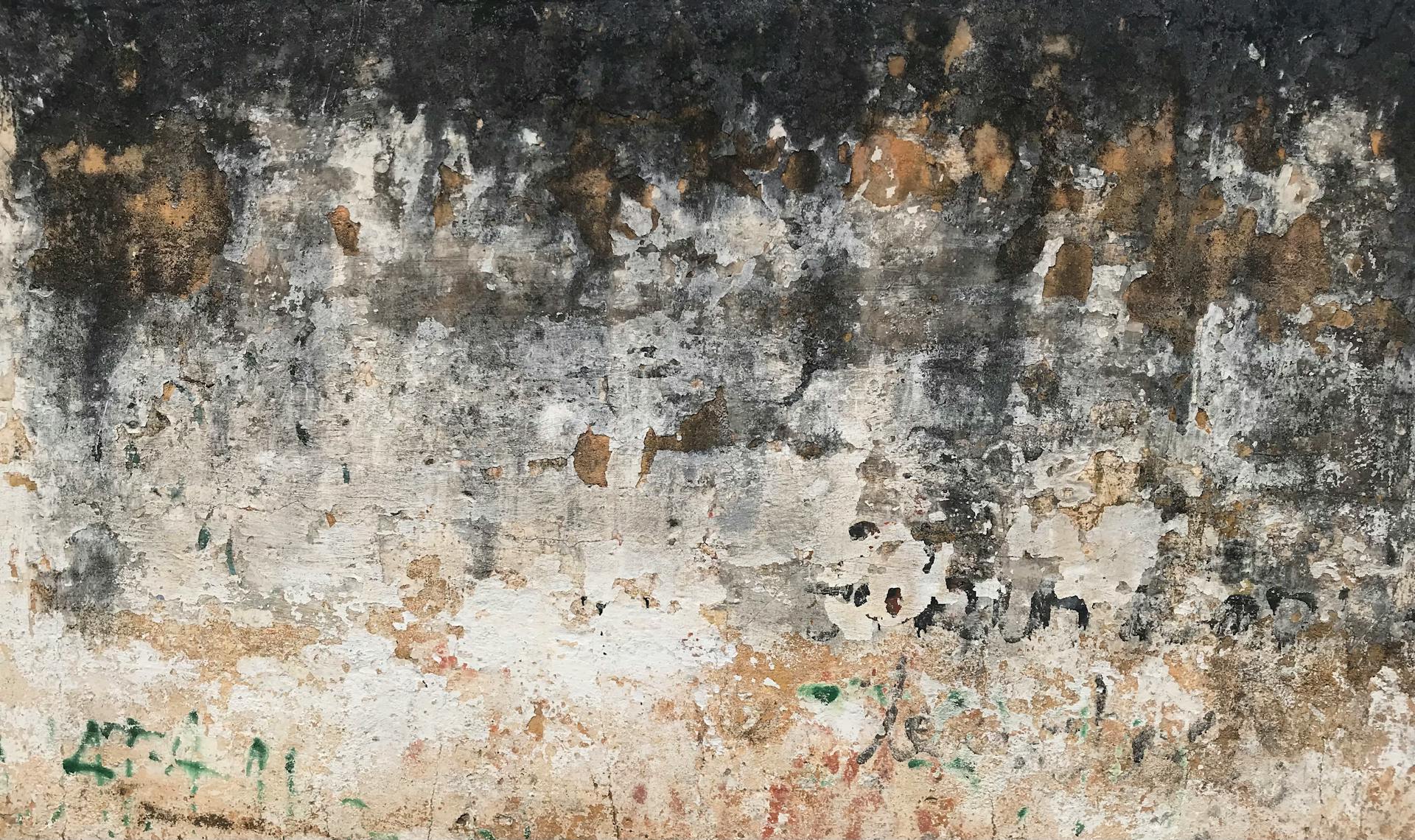
When you use too much water while cleaning, it can leave surfaces damp for too long. This moisture creates a perfect environment for mold to grow, especially in places like walls, carpets, and upholstery.
If you don’t dry these areas quickly, the water can also weaken materials, causing damage over time. Using just enough water and drying surfaces promptly helps keep your home safe and clean.
Cleaning in circular motions that spread dirt around

When you clean in circular motions, you might think you’re covering the whole surface. But actually, you’re just moving dirt and dust from one spot to another. This can leave areas still dirty without you realizing it.
Using circular movements can also spread bacteria instead of removing it. Try switching to an S pattern or straight motions instead. You’ll find your cleaning is more thorough and efficient that way.
Relying too heavily on disinfectants without proper cleaning

If you skip cleaning before disinfecting, you might not get the best results. Dirt and grime can block disinfectants from reaching germs effectively.
You should clean surfaces with soap and water first to remove visible dirt. Then, use disinfectants as directed to kill remaining germs.
Using too much disinfectant won’t make your home safer and can cause buildup on surfaces. Follow product instructions for the best results.