Home staging is an art of preparing a property for sale in the real estate marketplace. It’s all about making that first impression, creating an emotional connection, and helping potential buyers visualize living in the home. However, buyers have become more savvy and discerning, and certain home staging tricks that once worked wonders are no longer fooling anyone. Let’s dive into some of these outdated tactics and explore why they’re falling flat.
I. Overuse of Neutral Colors
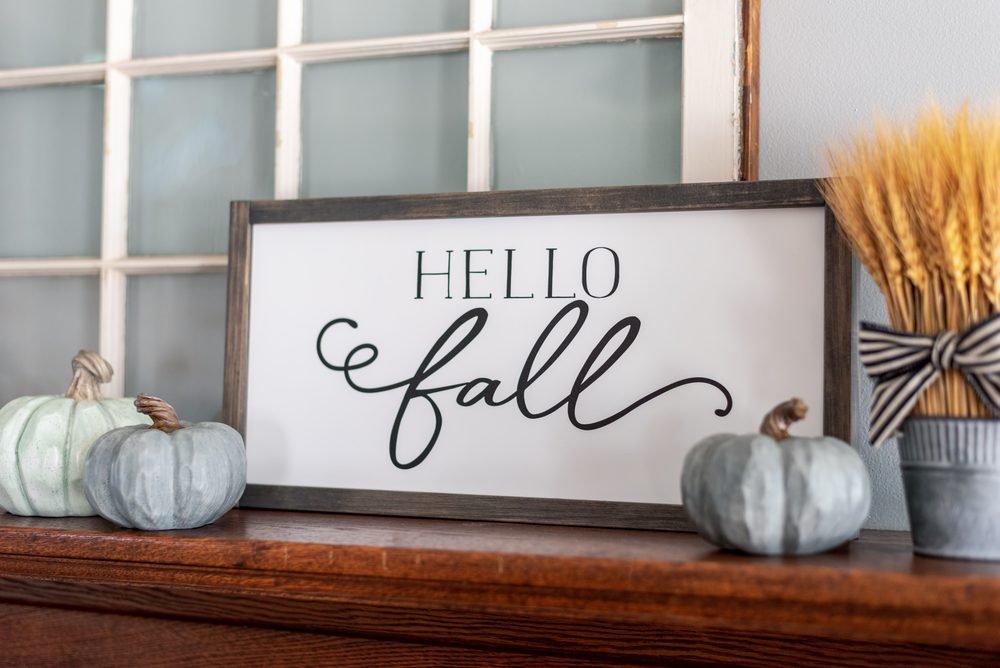
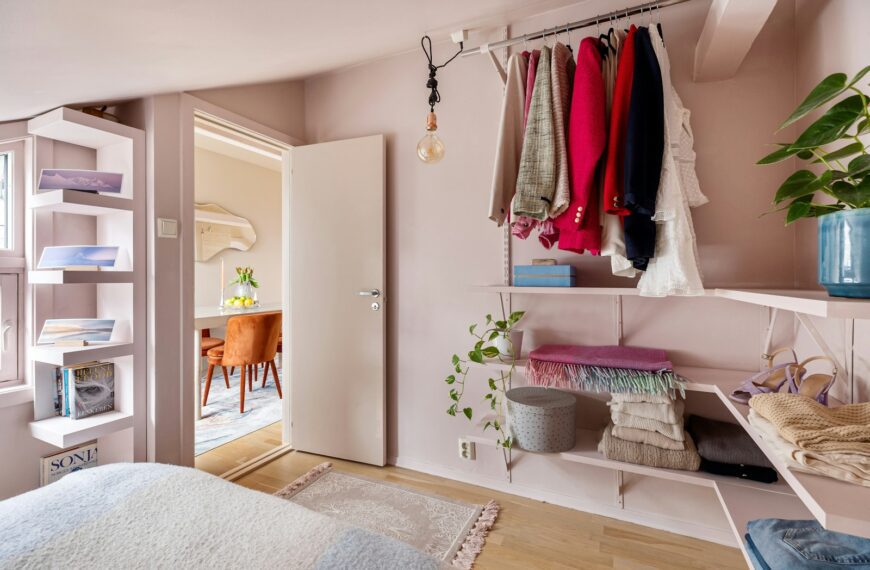
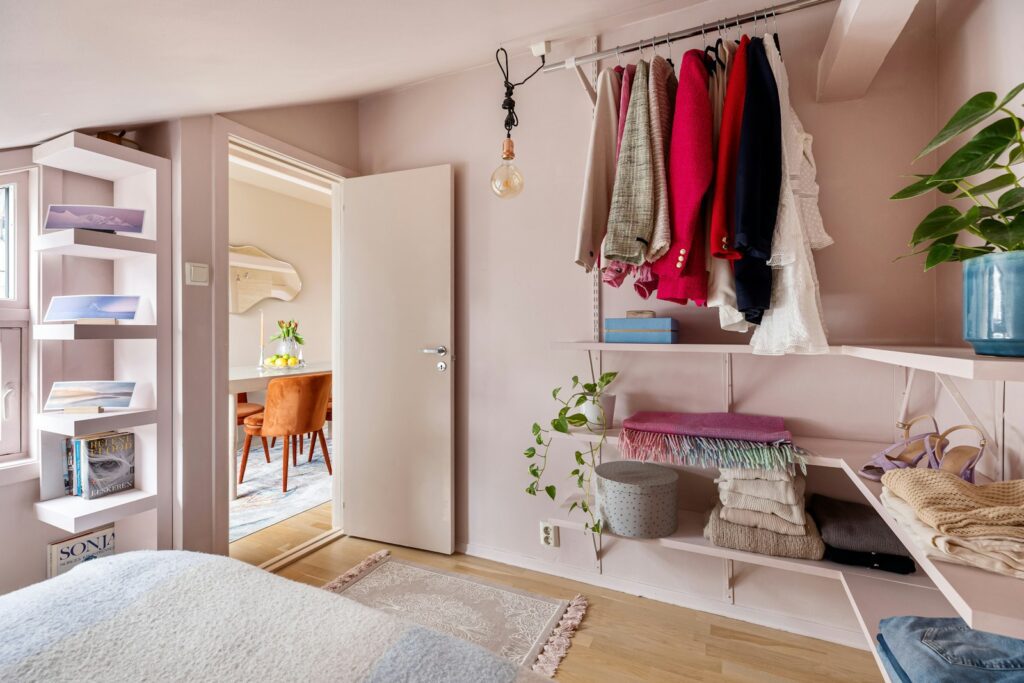
While a palette of neutral colors can help buyers imagine their own decor in the space, going overboard can leave your property looking dull and uninteresting. It’s crucial to strike a balance. Use neutral colors as a base, but don’t forget to add pops of color here and there for a bit of personality and charm. Throw pillows, artwork, and accessories can be excellent tools for this purpose.
II. Excessive De-Personalization
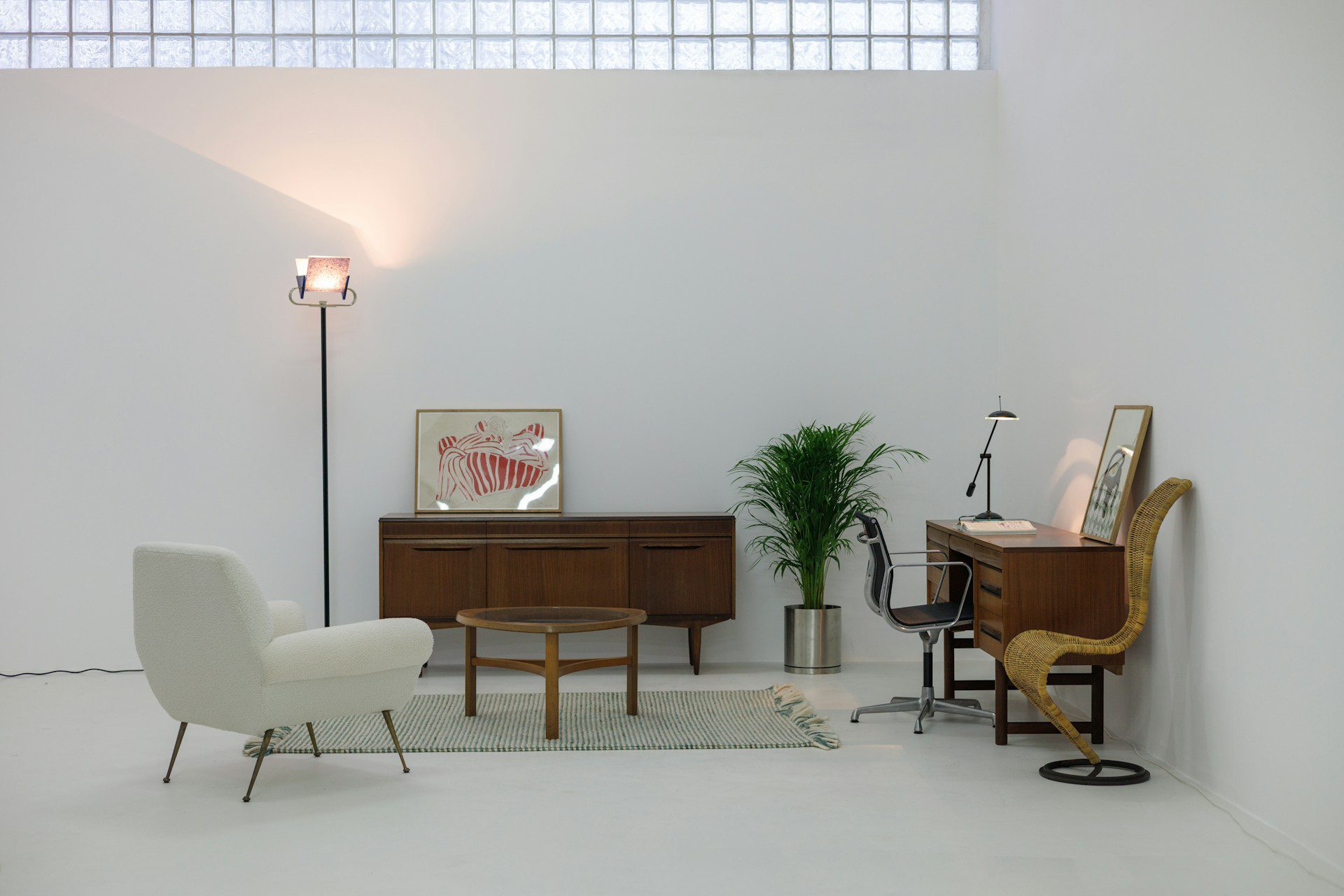
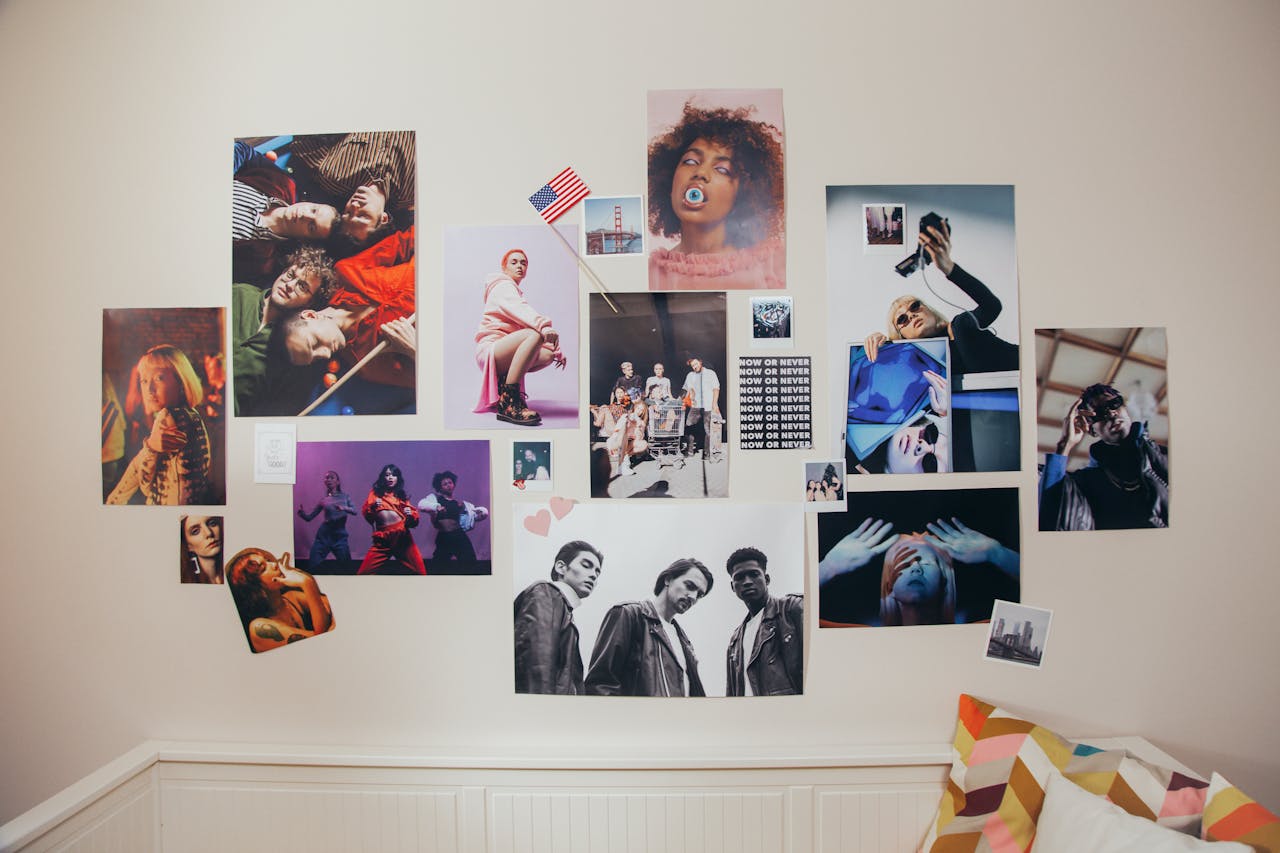
Urban Vintage / Unsplash
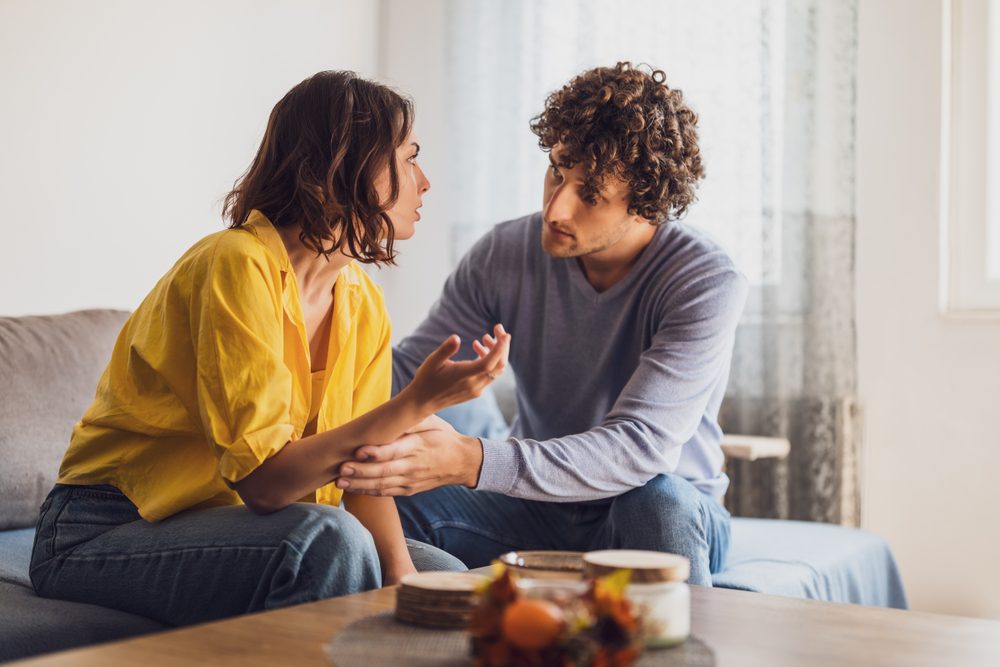
De-personalizing a home involves removing personal items like photos, memorabilia, and unique decor. The idea is to help the prospective buyer visualize their own lives in the property. However, excessive de-personalization can make a home feel cold and uninviting. Instead, aim for a balance. Keep the space clean and decluttered, but don’t strip it of all personality. A few well-placed books or a tasteful piece of artwork can make a space feel more welcoming.
III. Illusion of Space with Mirrors
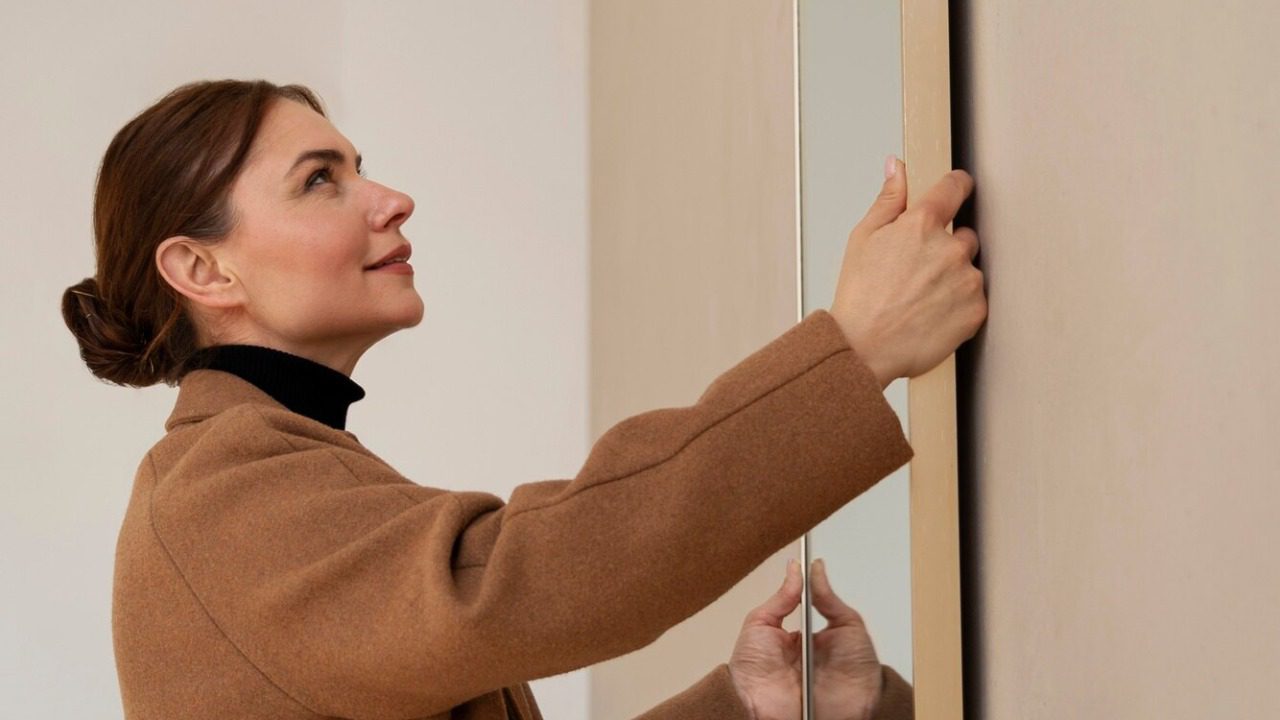
Mirrors have long been used as a trick to make rooms appear larger and brighter. However, today’s buyers are savvy and can see through this illusion. Instead of relying on mirrors, focus on maximizing the actual space. Remove unnecessary furniture, declutter, and organize effectively. Natural light can also do wonders for making a space feel larger and more inviting.
IV. Misleading Virtual Staging
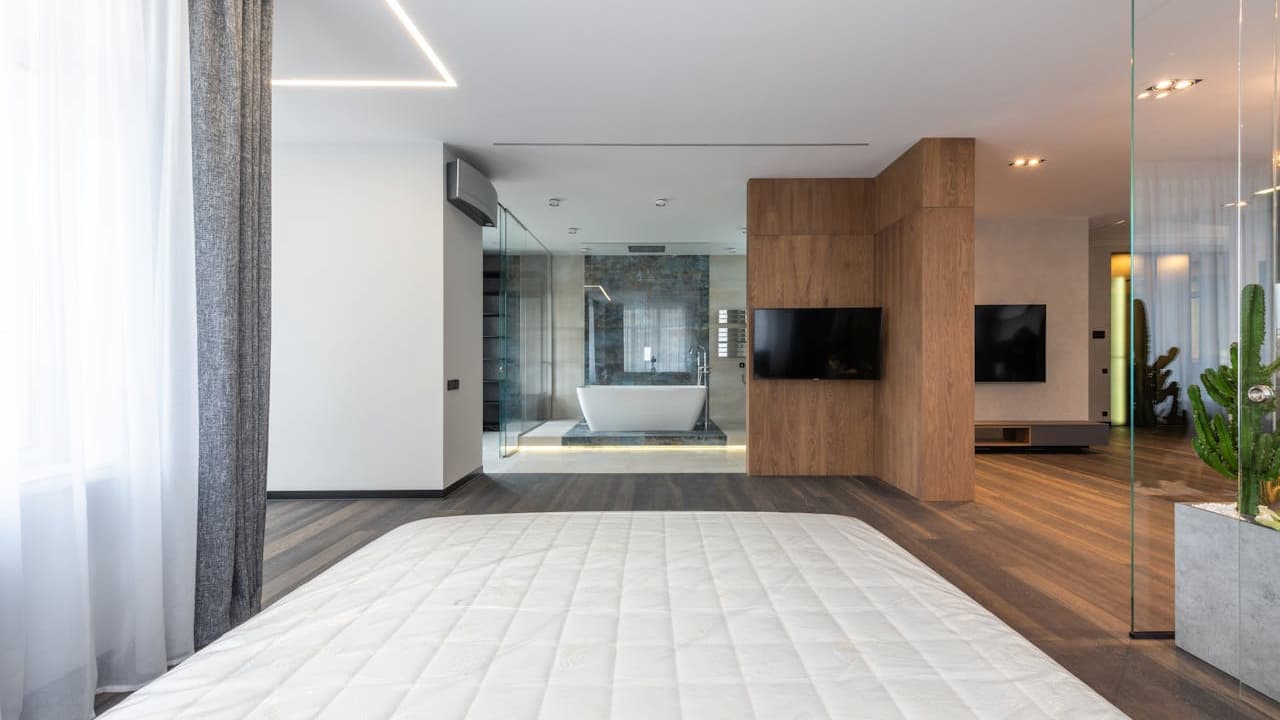
With the rise of virtual tours, virtual staging has become a popular strategy. While it can be a great tool, it’s important not to misrepresent the property. Buyers appreciate honesty and transparency, and they don’t want to feel deceived. Be sure to accurately represent the property’s condition and features in all virtual tours and images.
V. Too Much Furniture
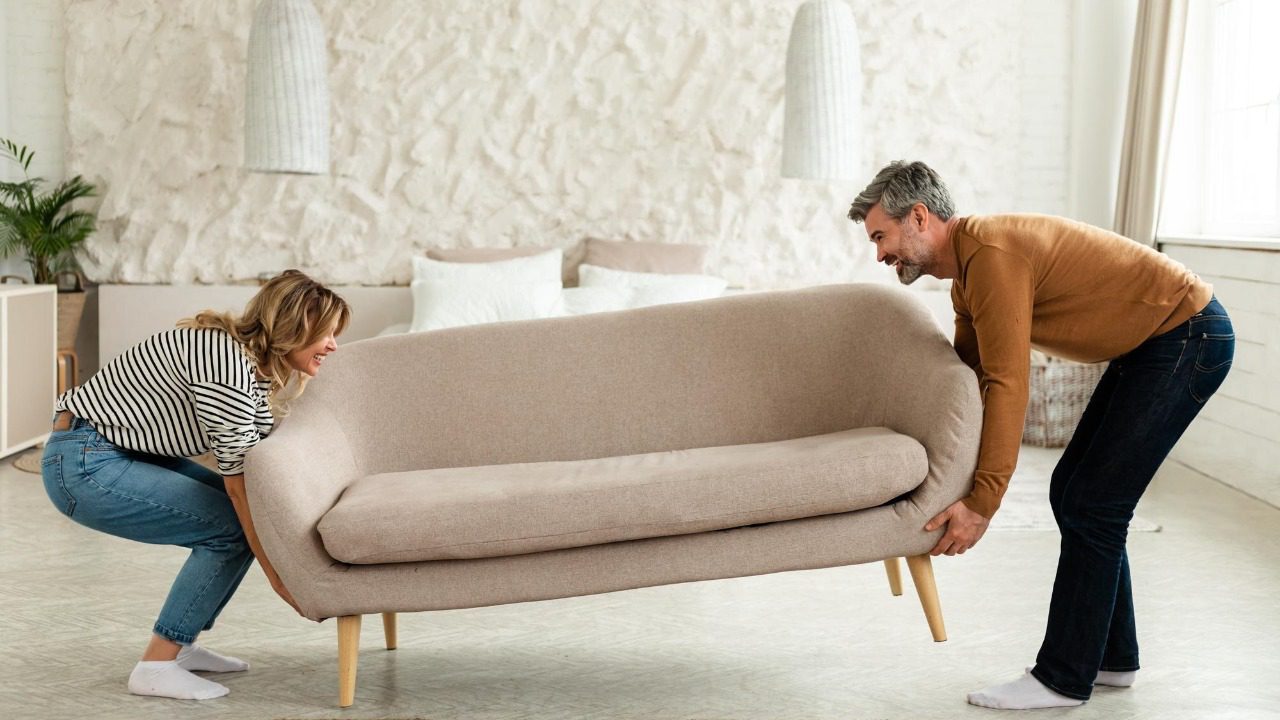
The overuse of furniture in a room can make it feel cramped and small, which is a definite turn-off for potential buyers. The idea is to show off the space, not the furniture. Stick to essential pieces only, and arrange them in a way that creates a smooth flow throughout the room. This will help buyers see the potential and imagine their own belongings in the space.
VI. Unnatural Smells and Scents

While it’s important to ensure your home smells fresh and clean, avoid the use of overpowering artificial scents. These can be a major turn off and can even cause headaches for some people. Instead, opt for natural smells like fresh flowers or baked goods. If you do choose to use a scent, make sure it’s subtle and not overpowering.
VII. Fake Plants and Flowers
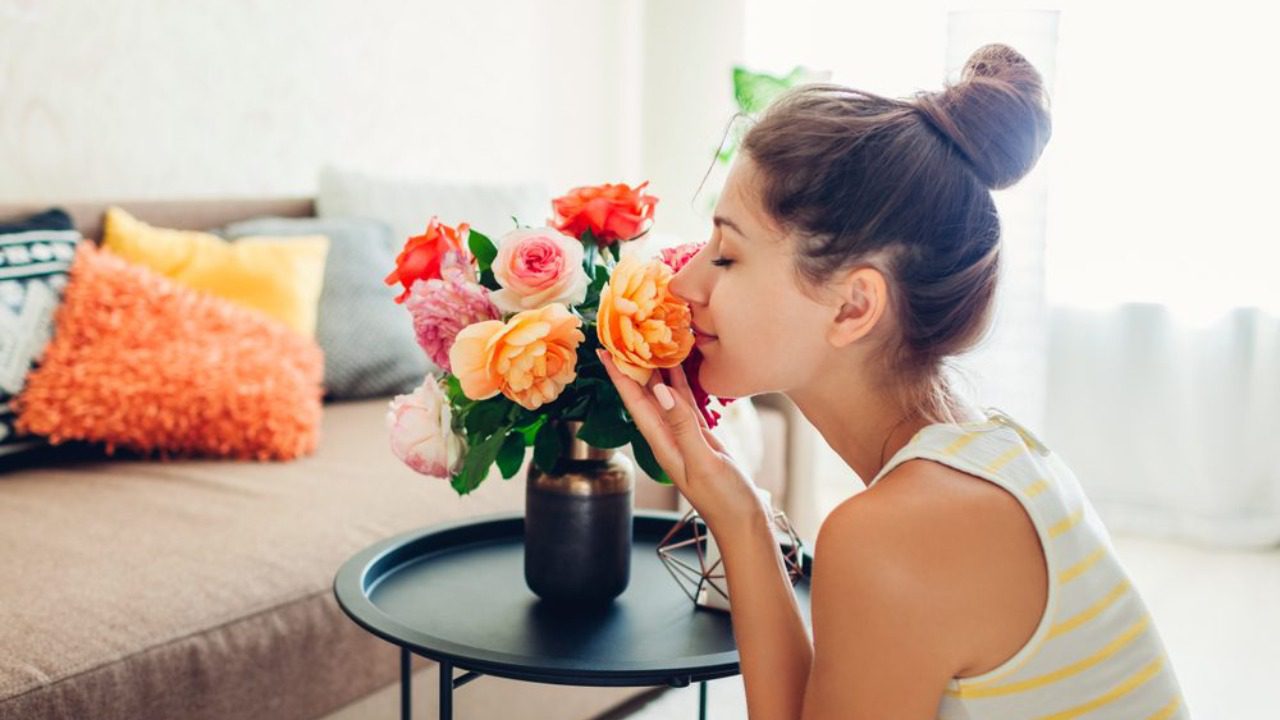
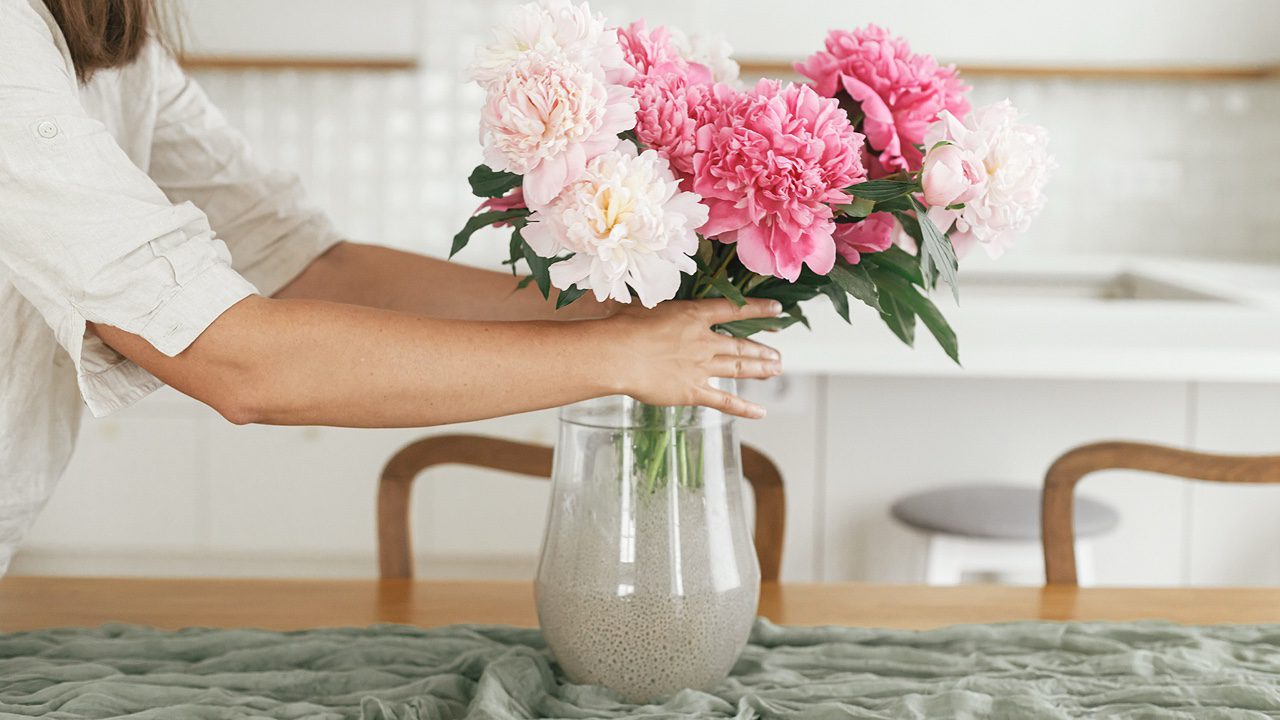
Fake plants and flowers can easily look cheap and tacky, which is not the impression you want to give potential buyers. If you can’t use real plants, it’s better to go without. A few carefully selected real plants can really lift a room and make it feel more welcoming and alive.
VIII. Overstaging or Over-Decorating
Overstaging, or over-decorating, can be just as harmful as not staging at all. Too much decor can distract buyers from the property itself and can even make the space feel cluttered and chaotic. Stick to a few key pieces that enhance the space without overwhelming it.
IX. Ignoring Home’s Flaws
While it’s crucial to highlight the best features of your home, it’s equally important not to ignore its flaws. Today’s buyers are smart and thorough, and they’re likely to notice any issues during their visit or home inspection. It’s better to be upfront about any flaws and show that you’re willing to negotiate on these points.
X. Inappropriate Lighting
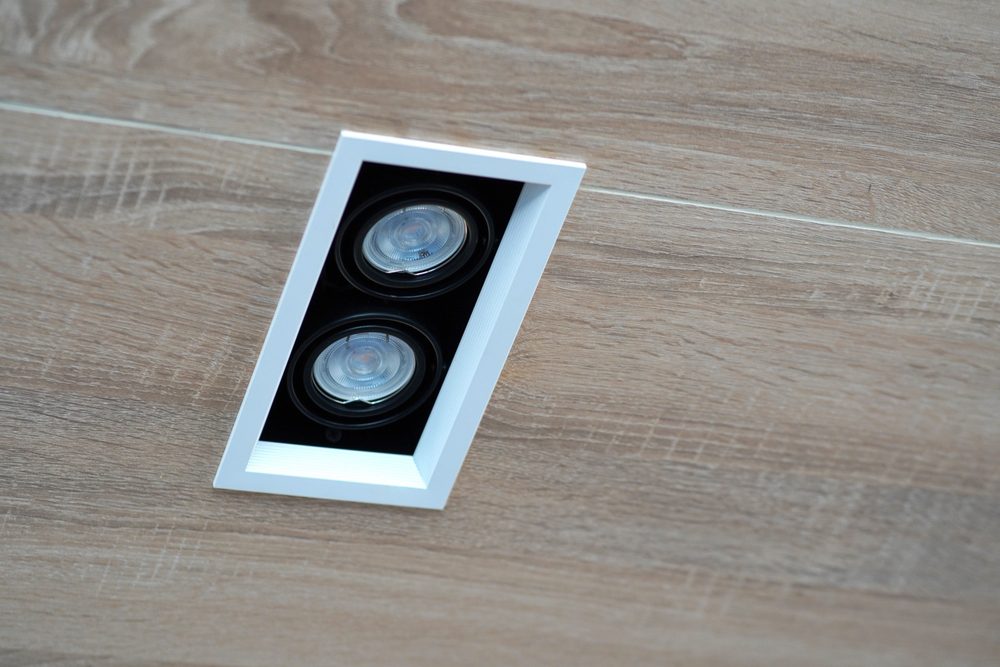
Lighting is a crucial aspect of staging. Poorly lit rooms can feel small and uninviting, while harsh lighting can be off-putting. Aim for a soft, natural light where possible. Open the curtains, clean the windows, and ensure all light fixtures are working properly. If a room doesn’t get much natural light, consider using lamps to create a warm and cozy atmosphere.
Remember, the goal of staging is to help prospective buyers see the potential in your home. Avoid these outdated tricks and focus on creating a welcoming, appealing environment that buyers can envision themselves in. For more insights, check out this great read on the subject.