Life in a 1950s home came with its own set of unspoken rules—and some very spoken ones, too. From perfectly made beds to “no elbows on the table,” households ran on structure, manners, and a healthy dose of formality.
Whether you lived it or just heard the stories, here are 10 house rules that were practically law in a 1950s home.
Greet your husband with a smile when he comes home.

When your husband comes home, a warm smile can set a positive tone for the evening. It shows that you are happy to see him and appreciate his presence.
Take a moment to put aside any stress from your day. Focus on welcoming him with genuine warmth.
Smiling creates a comfortable atmosphere. It helps both of you unwind and enjoy your time together after a busy day. A simple greeting can strengthen your connection and bring joy to your home.
Ensure dinner is ready shortly after the head of the house arrives.

Dinner timing was crucial in a 1950s home. You would typically aim to have the meal ready just as the head of the house walked through the door.
This routine signified respect and coordination within the family. It also allowed everyone to gather around the table together, fostering a sense of unity.
Your meal planning would involve using reliable recipes that could be prepared quickly. This approach ensured that the evening could proceed smoothly, with everyone able to relax and enjoy their time together after a long day.
Children must quietly entertain themselves until after dinner.
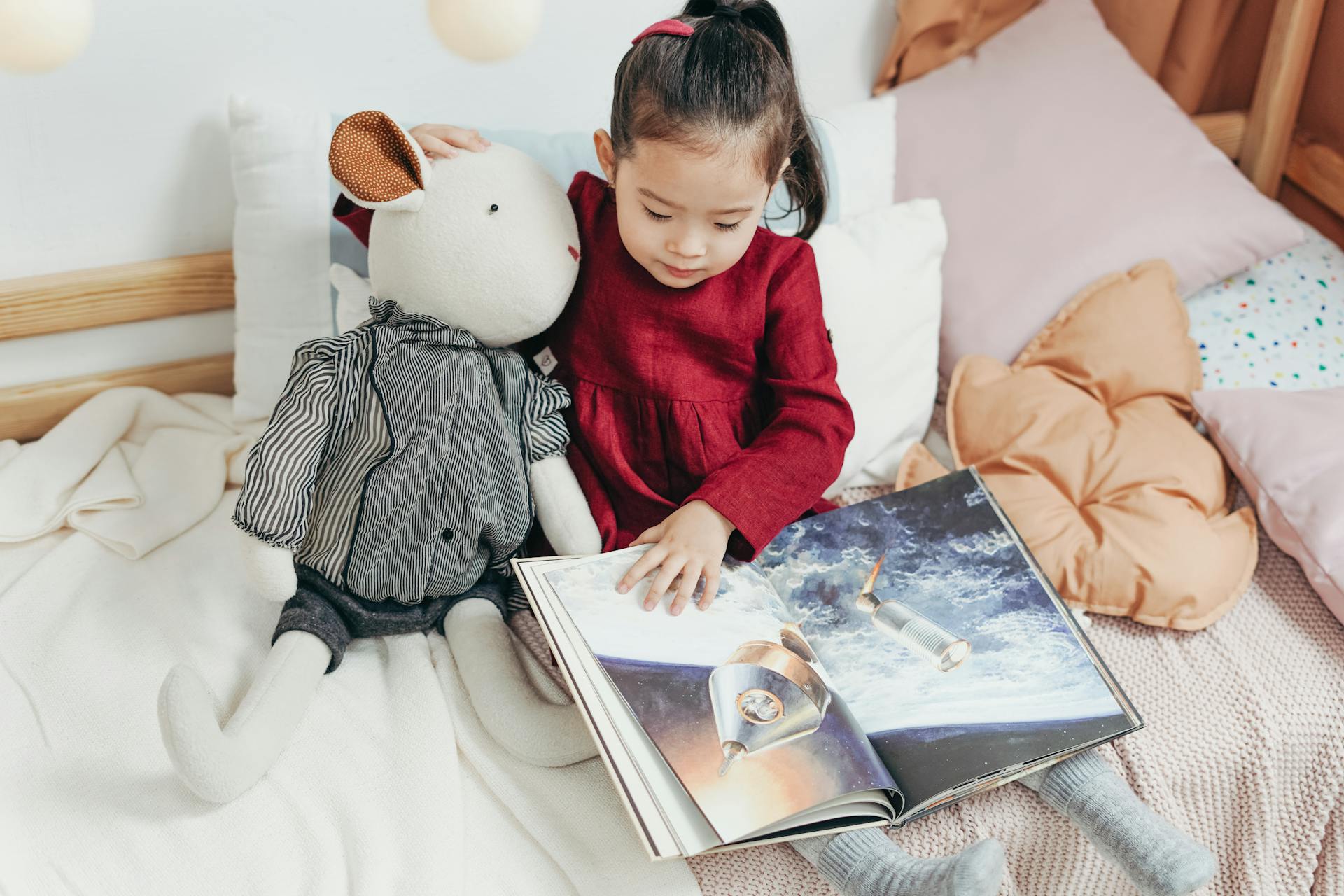
In many 1950s homes, children were expected to find ways to keep themselves occupied until dinner. This often meant engaging in quiet play or reading without interrupting the household.
You might have played with toys in your room or enjoyed simple crafts. It taught independence and creativity.
Parents valued a peaceful environment while preparing meals. You learned to appreciate your own company and the joys of imagination during those quiet hours.
Stand up when an adult enters the room, excluding parents.
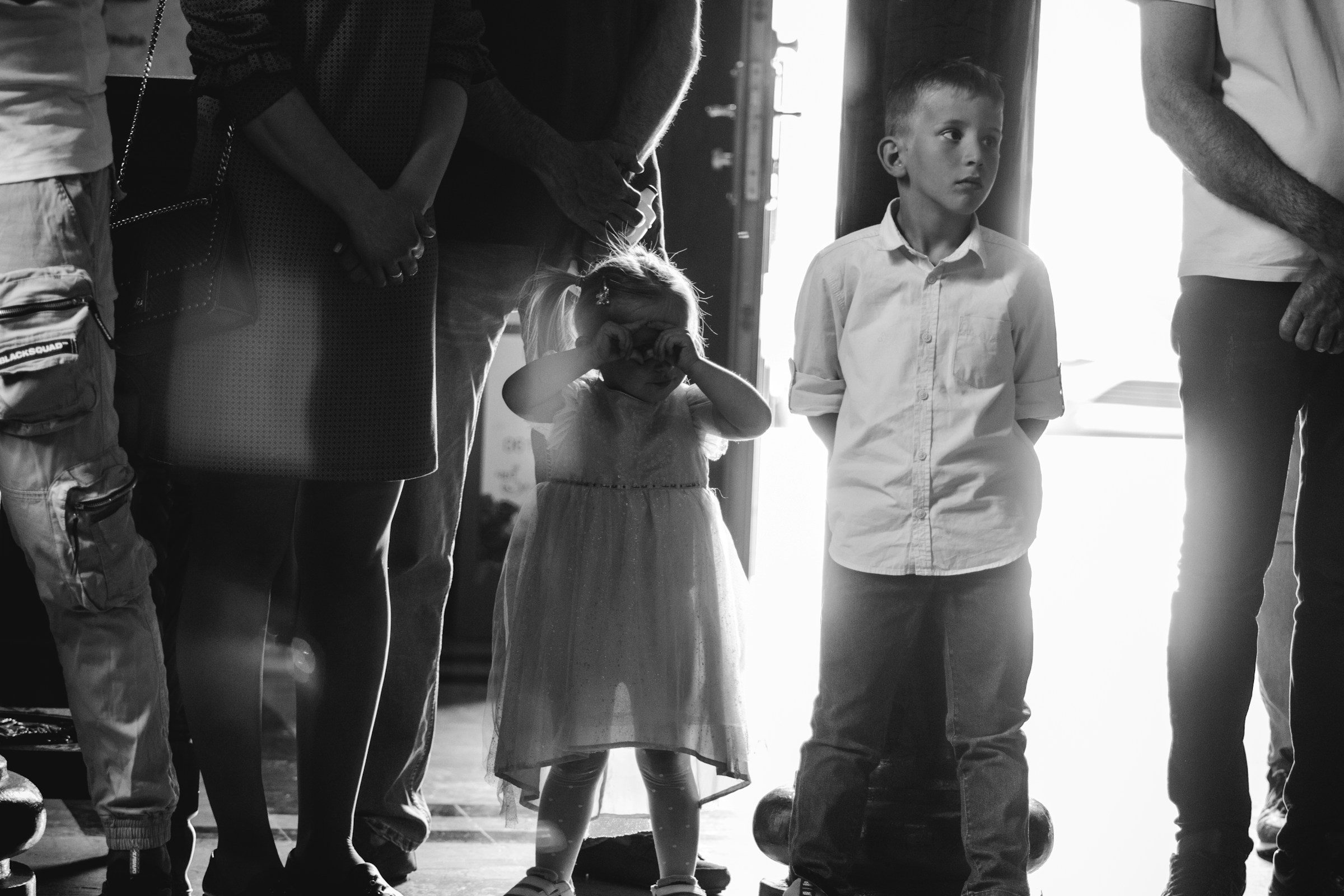
In a 1950s home, it was common for children to stand when an adult entered the room. This gesture showed respect and acknowledgment.
You learned quickly that failing to rise might result in a reprimand. It wasn’t just about standing; it was part of daily manners instilled in children.
The rule applied to family friends, teachers, and other adults, but parents were exempt. This helped establish a clear distinction between parental roles and those of other adults in your life. Such customs reinforced the importance of respect and decorum during your childhood.
Limit noise from household appliances in the evening

In the 1950s, the home environment was focused on calm and relaxation. You might recall being reminded to keep noise from appliances to a minimum during the evening hours.
This meant using your washing machine or vacuum cleaner earlier in the day. You valued quiet evenings for family time, conversation, or simply unwinding after a long day.
Limiting appliance noise created a peaceful atmosphere conducive to relaxation. This practice helped everyone enjoy a tranquil home life, especially after sunset.
Children must be home before streetlights are on

In the 1950s, a common rule for children was to be home before the streetlights turned on. This curfew was a way for parents to ensure their kids’ safety while allowing them to play outside.
As dusk approached and the lights flickered to life, it signaled time to head home. You likely gathered your friends and raced back, eager to beat the glow of the lamps.
This rule created a sense of community, where parents knew their kids were nearby and safe. It was a simple yet effective way to keep everyone accounted for as night fell.
Bedrooms and bathrooms should be tidy without household help.

In a 1950s home, keeping bedrooms and bathrooms tidy was essential. You learned to take responsibility for these spaces without expecting outside help.
You would make your bed every morning and ensure clothes were put away. A quick daily check kept surfaces dust-free and organized.
In the bathroom, you would wipe down sinks and counters after use. This routine helped maintain a fresh environment and showed pride in your home. Emphasizing cleanliness in personal spaces became part of your daily life.
Guests visiting might not be automatically offered snacks.

In a typical 1950s home, it was common for guests to not be offered snacks right away. Guests often had to wait until the host decided it was appropriate to serve refreshments.
You might find that the host would first engage in conversation before thinking about offering food or drinks. This practice reflected a formality that characterized social interactions during that time.
So, if you visited friends, it was important to be patient. The host would eventually extend an invitation for snacks, but it might take a little while.
Ensure the Home is a Serene and Pleasant Place After Work Hours
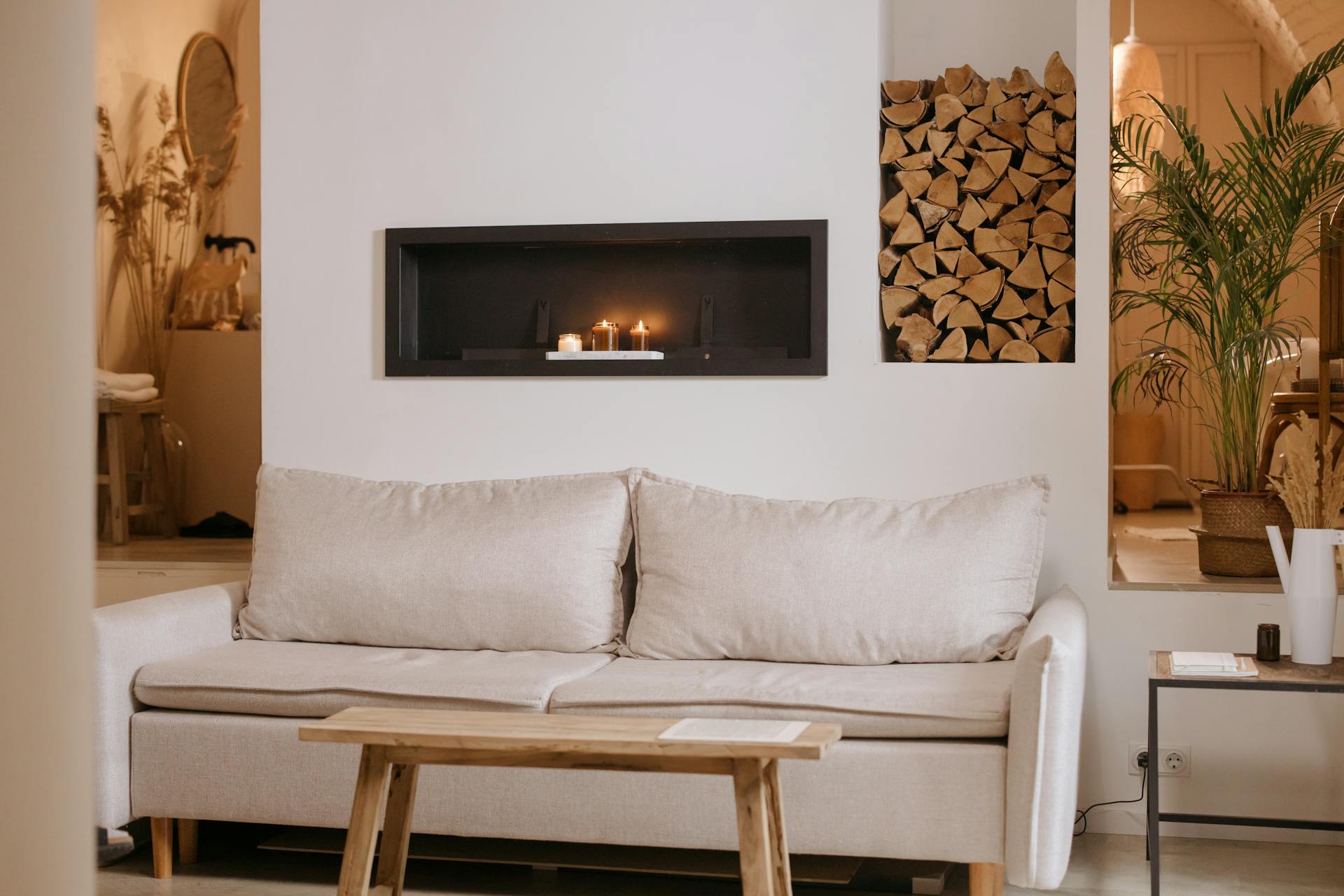
Creating a calm environment after a long day at work is essential. You might want to minimize noise from appliances like the washer or vacuum when your partner arrives home.
Encouraging quiet in the house can help everyone feel more relaxed. Soft lighting and a tidy space can also make your home welcoming.
Consider setting aside time for family gatherings or shared dinners. These moments can foster connection and ease the transition from work to home life. Cultivating a serene atmosphere sets a positive tone for the evening.
Homemakers Should Dress Neatly Before the Spouse’s Arrival
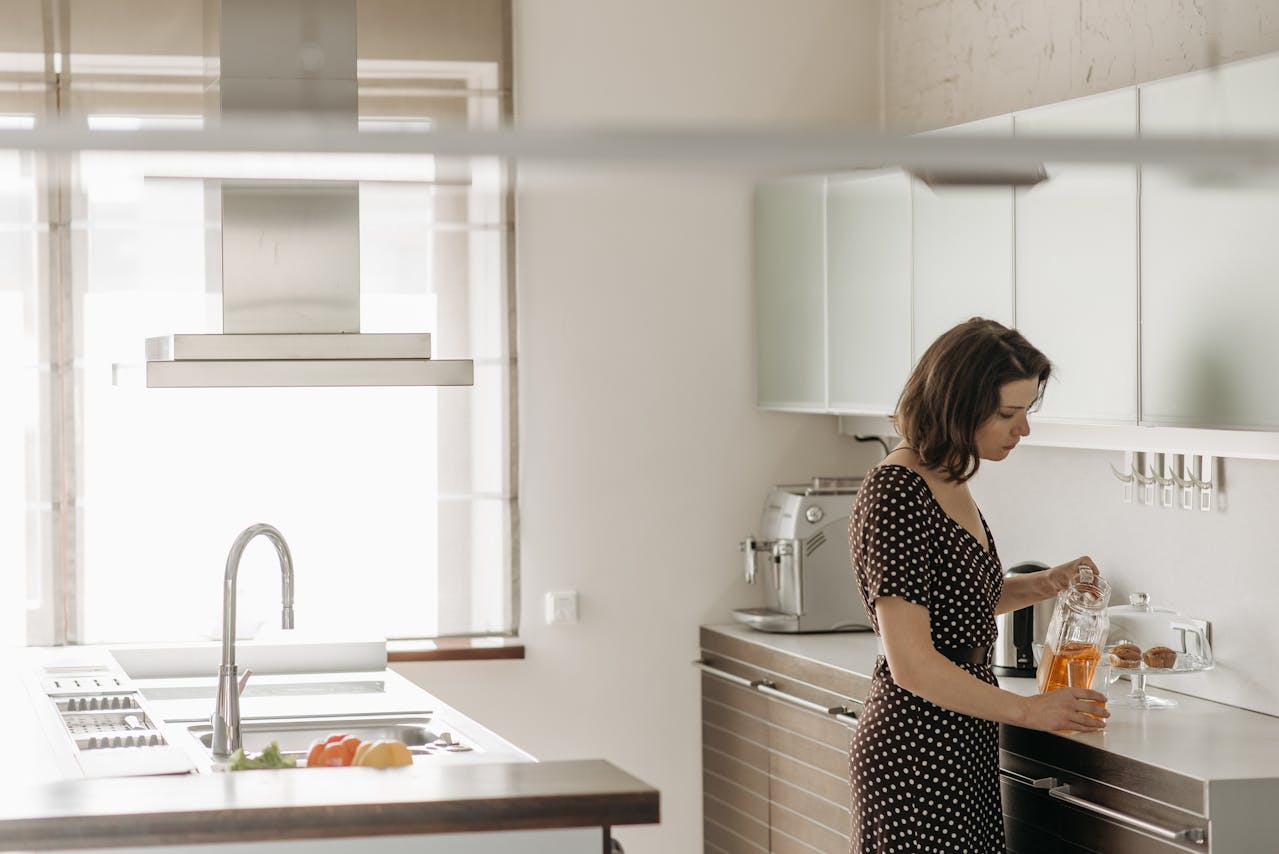
In the 1950s, a common expectation was for homemakers to dress neatly before their spouses got home. You would often take a moment to freshen up, ensuring that you looked your best.
This practice was seen as a way to show respect and care for your partner. Wearing a clean dress and doing your hair could create a warm atmosphere when your spouse walked through the door.
By making this effort, you contributed to the overall harmony of the home and helped set a positive tone for the evening. Dressing well was another way to express love and dedication to family life.