You probably have a collection of items you hold onto, thinking they might be valuable or useful someday. Many objects seem worth saving, whether for sentimental reasons or because you’ve heard they could be collectibles.
However, some things you preserve often don’t have real value and might just be taking up space. Understanding which items fall into this category can help you declutter and better focus on what truly matters.
Broken electronics

You might be holding on to broken electronics thinking they’ll be fixed someday. In reality, most damaged devices lose their value quickly and rarely become useful again.
Old chargers, phone cases, and broken gadgets can clutter your space without serving any purpose. Instead of keeping them, consider recycling at an e-waste center to reduce clutter and help the environment.
Expired coupons

You might hold onto expired coupons thinking they could still be useful. In reality, once expired, they lose their value and cannot be redeemed.
Keeping them only adds to clutter in your space. If you feel creative, you can repurpose them as confetti or packing material instead of throwing them away.
Old gift cards

You might have old gift cards tucked away, thinking they hold value. Unfortunately, many expire or go unused, making them practically worthless over time.
Stores often dispose of unused cards after holidays to make room for new stock.
If you find old gift cards, check the balance quickly. Otherwise, they might not be worth much to you or anyone else.
Chipped cups
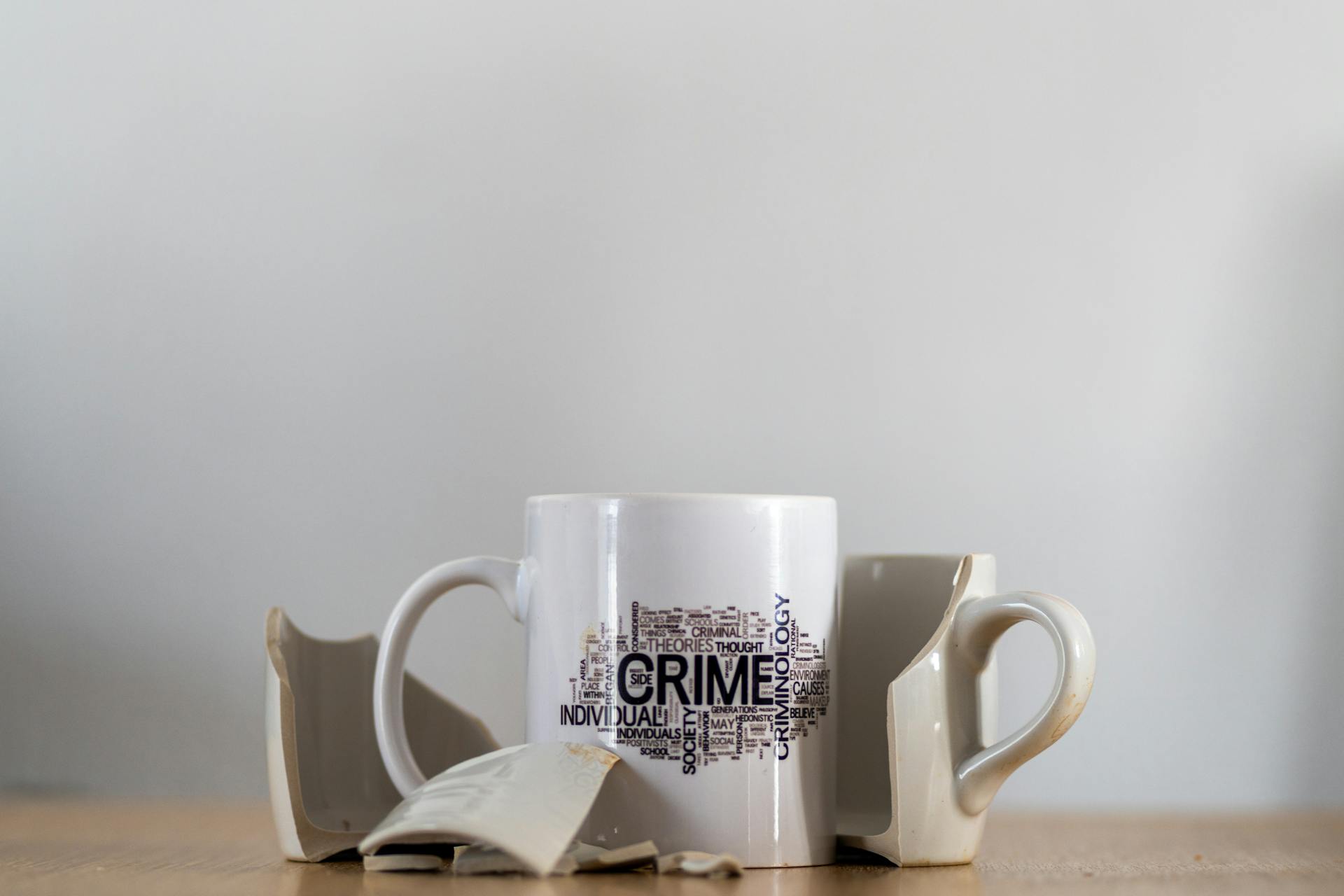
If you have chipped cups, it’s time to reconsider keeping them. They can harbor bacteria in cracks that are hard to clean.
Using chipped mugs might also risk small cuts when you drink from them.
Instead of tossing them, you could repurpose chipped cups for plant pots or storage containers. This way, you avoid clutter but still get some use out of them.
Warped cookware

If your pan no longer sits flat on the stove, it’s likely warped. Warped cookware heats unevenly, which can affect your cooking results.
You can try to fix it by gently heating the pan and using a soft tool to reshape it. But often, replacing warped pans is a better choice.
Invest in quality cookware to reduce the risk of warping. Cheaper pans tend to warp more easily and don’t last as long.
Empty containers

You might hold on to empty containers thinking they’ll be useful someday. But most of the time, they just take up space.
Unless you reuse them immediately, they usually end up cluttering your shelves or drawers. Consider recycling or tossing those that don’t have a clear purpose. Keeping only containers you use regularly can free up lots of room.
Outdated collectibles
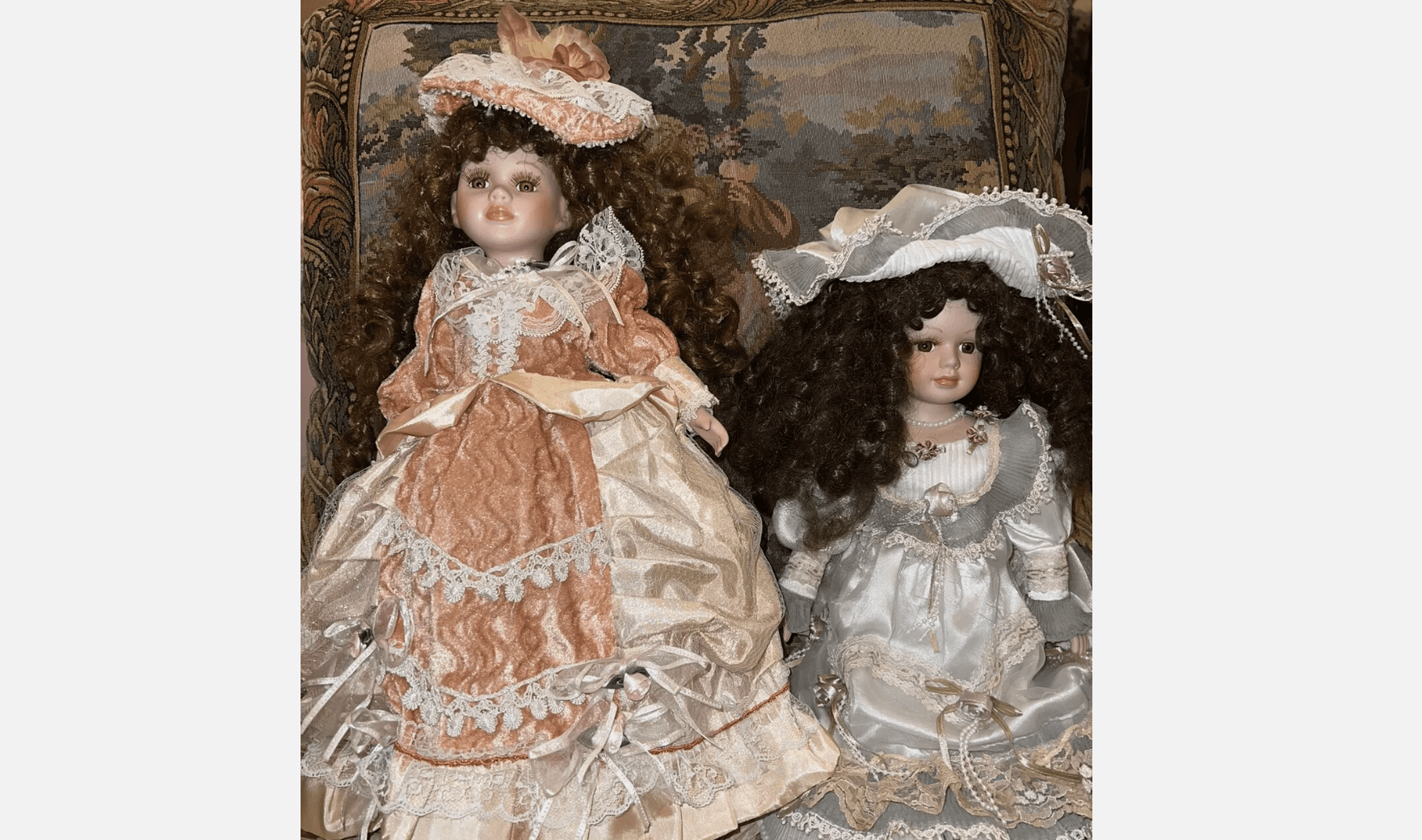
You might have boxes of porcelain dolls, Hummel figurines, or Longaberger baskets stored away. While these once seemed valuable, their market demand has dropped significantly.
Vintage items like metal lunch boxes or Thomas Kinkade prints are also less sought after today. Holding onto them won’t bring much financial gain.
Sometimes, what was popular in the past simply loses its appeal, so it’s okay to reconsider keeping these kinds of collectibles.
Leftover rice

You might hold onto leftover rice, thinking it’s useful. But often it ends up taking space and spoiling quickly.
Cooked rice only lasts about four days in the fridge if stored properly. If you don’t use it soon, it becomes unsafe to eat.
If you want to keep rice longer, cool it quickly and freeze in portions. Otherwise, it’s better to avoid saving large amounts.
Plastic storage containers

You might hold on to plastic storage containers thinking they’re always useful. But many of them take up space and often get replaced because lids go missing or they crack.
Not all plastics are good for storing everything. Fragile items and out-of-season clothes don’t do well in plastic bins, which can trap moisture and cause damage.
If your containers are old or mismatched, consider clearing them out. Keeping only a few durable, clear ones helps you stay organized without clutter.
Old bottles of olive oil

If you have old bottles of olive oil sitting in your kitchen, it’s a good idea to check their freshness. Olive oil exposed to light and air can go rancid, developing a bitter, unpleasant taste.
Using rancid olive oil may ruin your dishes. It’s better to replace old bottles instead of holding on to them. Keeping fresh oil ensures your cooking stays tasty and healthy.