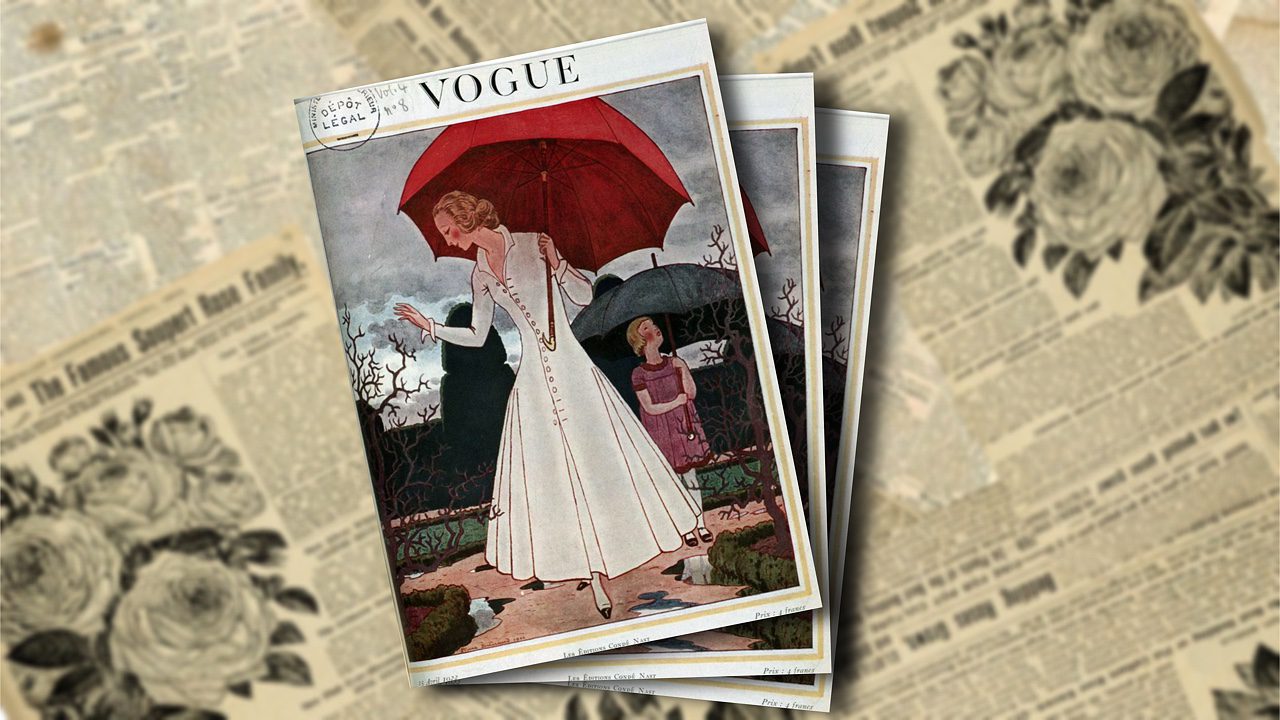
Magazines have long been mirrors of society, capturing the culture, values, and trends of their time. When you flip through old issues, you can see how much the world around us has shifted in the way people think, dress, and live.
By exploring these magazines, you’ll gain a clearer picture of how much things have changed over the years. They offer a unique glimpse into the past, showing you how different life looked just a few decades ago compared to today.
Vogue Covers from the 1900s Show Classic Elegance

When you look at Vogue covers from the 1900s, you see a strong focus on classic beauty and refined style. The images often feature elegant outfits and poised models, reflecting the fashion trends of the time.
You’ll notice the simplicity in artwork and typography, which gives a timeless feel. These covers tell you about a different era, where fashion was about grace and subtlety rather than bold statements.
Life Magazine’s 1960s Issues Highlight Civil Rights Movements

When you look through Life Magazine’s 1960s issues, you see the civil rights movement coming to life. The magazine covered protests, sit-ins, and training sessions, showing the struggle for racial equality.
You get a sense of the era’s tension and hope, as old barriers were being challenged. Life served as a key source for witnessing history unfold through powerful photos and stories.
National Geographic’s Early 20th Century Nature Photography

When you look at early National Geographic magazines, you’ll notice a big shift from text to stunning photography. Back then, nature photos helped bring distant places and wildlife right into your home.
You can see how photography became a key part of telling stories about the natural world. These images gave you a new way to explore and understand nature without leaving your chair.
Cosmopolitan’s 1930s Editions Reflect Changing Fashion

When you look at Cosmopolitan’s 1930s editions, you’ll see how fashion was just starting to shift. The covers and articles show simpler styles compared to later decades.
You can notice a move toward more practical clothing, reflecting the social changes of the time. These magazines helped make fashion ideas more accessible to you and others.
Reading those editions gives you a window into how your style options began to expand during that era.
Seventeen Magazine From the 1940s Spotlight Youth Culture

When you look at Seventeen magazine from the 1940s, you see how youth culture was just starting to find its voice. It targeted teenage girls and showed what it meant to be young in a changing world.
The magazine reflected the hopes and styles of the time, helping you understand the early ideas about growing up. It’s a window into how teens shaped their own identity after World War II.
1980s Harper’s Bazaar Issues Capture Bold Fashion Trends

When you flip through 1980s Harper’s Bazaar issues, you’ll see a clear message: more is more. The magazine celebrated bold colors, big silhouettes, and daring accessories.
You can find styles that mix power dressing with playful touches. This reflects how fashion embraced confidence and fun at the same time.
If you look closely, the magazine shows you how style was about standing out and expressing yourself freely.
Time Magazine Covers from the 1950s Portray Cold War Tensions

You can see Cold War fears clearly on many Time magazine covers from the 1950s. The images often featured leaders, military events, and nuclear threats, reflecting the tense political climate of the era.
When you look through these covers, you get a sense of how much the world focused on the rivalry between the U.S. and the Soviet Union. It’s a reminder of the worries people lived with during that time.
Smash Hits Magazines of the 1990s Represent Pop Music Boom

If you grew up in the 1990s, you probably had a Smash Hits magazine on your shelf. It was packed with pop music news, interviews, and posters of your favorite stars.
Smash Hits captured the spirit of the era’s pop culture. You could find lyrics, gossip, and heart-throb photos all in one place. It was a key way for teens to connect with the music they loved.
The magazine also reflected how much music and media were changing. It showed a growing interest in celebrity and fan culture during the pop music boom.
Pulps from the 1920s with Fiction and Adventure Stories
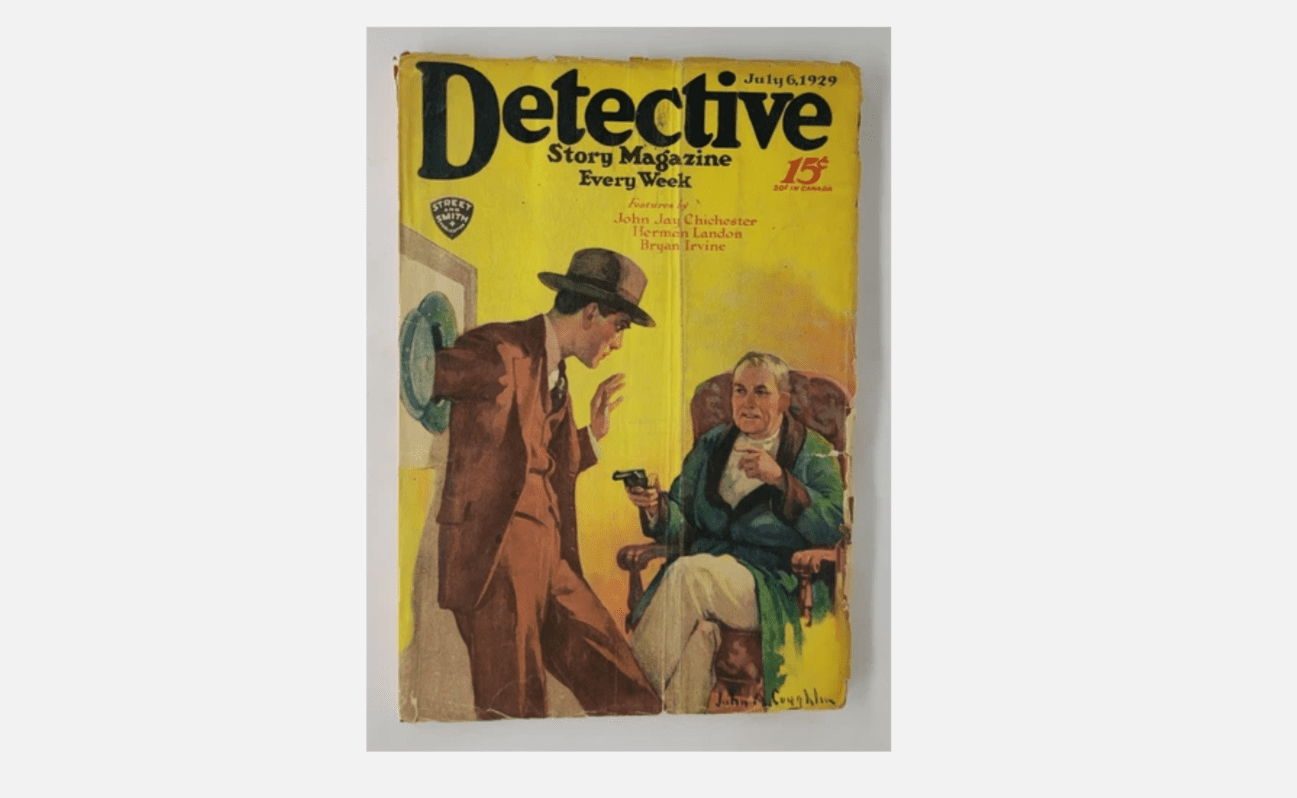
You’d find pulps in the 1920s filled with exciting fiction and adventure tales. These magazines were printed on cheap paper, making stories widely accessible.
Your favorite heroes often faced wild challenges, and each issue packed new thrills. The pulps shaped popular culture by mixing mystery, action, and imagination in easy-to-read formats.
If you look back, you’ll see how these magazines reflected the excitement of their time. They made stories affordable and kept readers coming back for more.
Vintage Sugar Magazines that Show 90s Teen Life

You’ll find that Sugar magazine captures a unique snapshot of 90s teen culture. It focused on fashion, beauty, celebrity news, and real-life stories that spoke directly to young women.
Flipping through old issues, you’ll notice the trends and concerns that shaped your generation’s youth. It’s a glimpse of life before social media changed everything.
Sugar ran from 1994 to 2011, reflecting the evolving interests of teens throughout the 90s and early 2000s. Its pages show how much life felt different, yet familiar to you.