Many skills that once felt essential have faded from everyday use, but they still hold practical value. You might find that learning some of these outdated skills can help you save money by doing things yourself instead of relying on costly services or products.
These skills offer simple, cost-effective ways to stretch your budget and become more self-sufficient. By revisiting some of these old habits, you can reduce expenses while gaining handy talents that serve you in everyday life.
Gardening your own vegetables

Growing your own vegetables can help you save money, especially if you start from seeds. You can cut down on grocery bills for staples like lettuce, tomatoes, and herbs.
It takes some effort and patience, but avoiding pesticides and using simple hacks can improve your garden’s yield. Plus, fresh produce from your garden often tastes better.
Gardening also teaches you useful skills that reduce dependence on store-bought food. It’s a practical way to make your money go further.
Canning and preserving fruits

Canning is a useful skill that helps you keep fruits fresh longer. By preserving seasonal fruits, you can avoid paying high prices later in the year.
You control the ingredients, so your preserves can be healthier and free from additives. It also lets you enjoy the taste of summer fruits all year.
Starting canning might seem tricky, but with practice, it becomes easier. It’s also a way to connect with traditional food skills and save money.
Mending clothes by hand
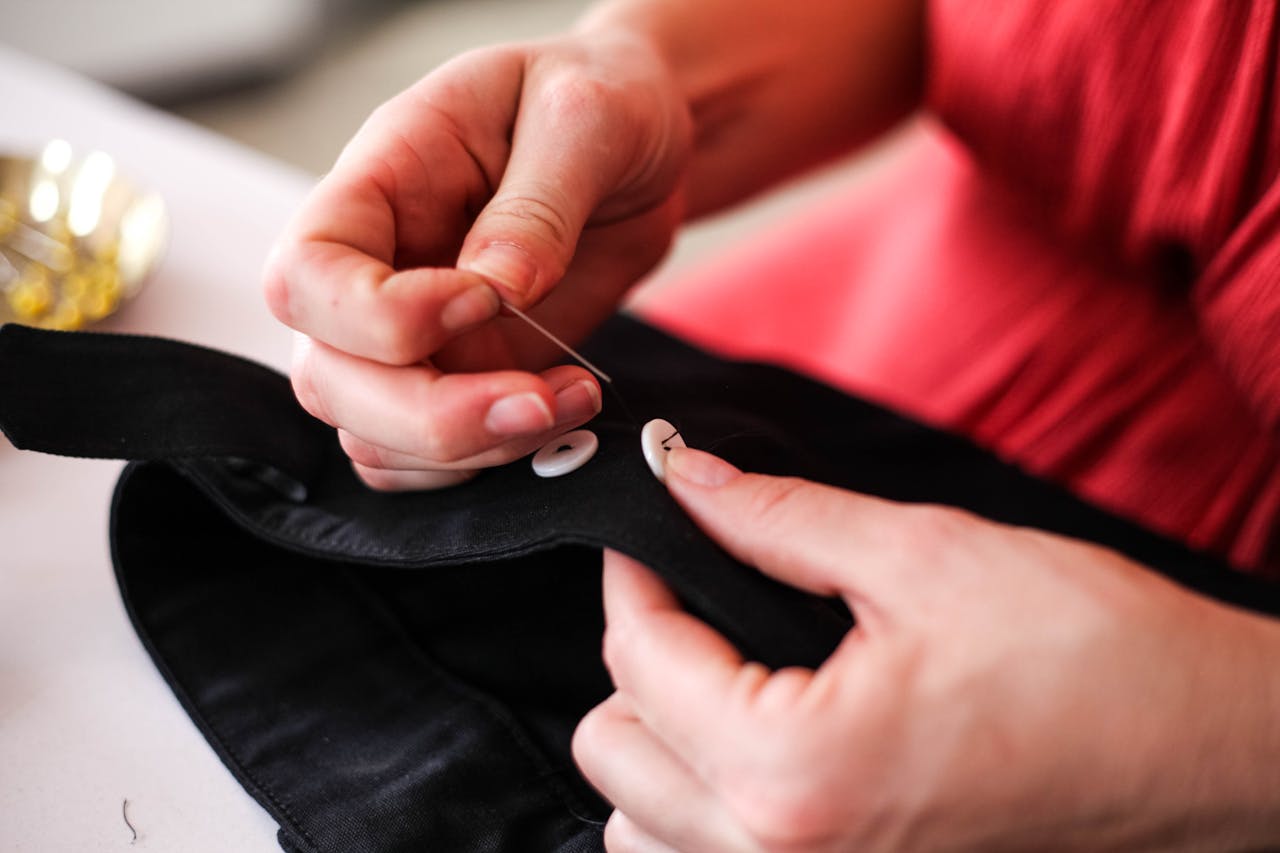
You can save money by learning to mend your clothes yourself. Basic skills like sewing on buttons, fixing small tears, or repairing seams keep your clothes wearable longer.
All you need are simple tools: needles, thread, scissors, and an iron. Starting to mend your clothes also helps you appreciate them more. It’s a practical and budget-friendly way to care for your wardrobe.
Sewing your own garments
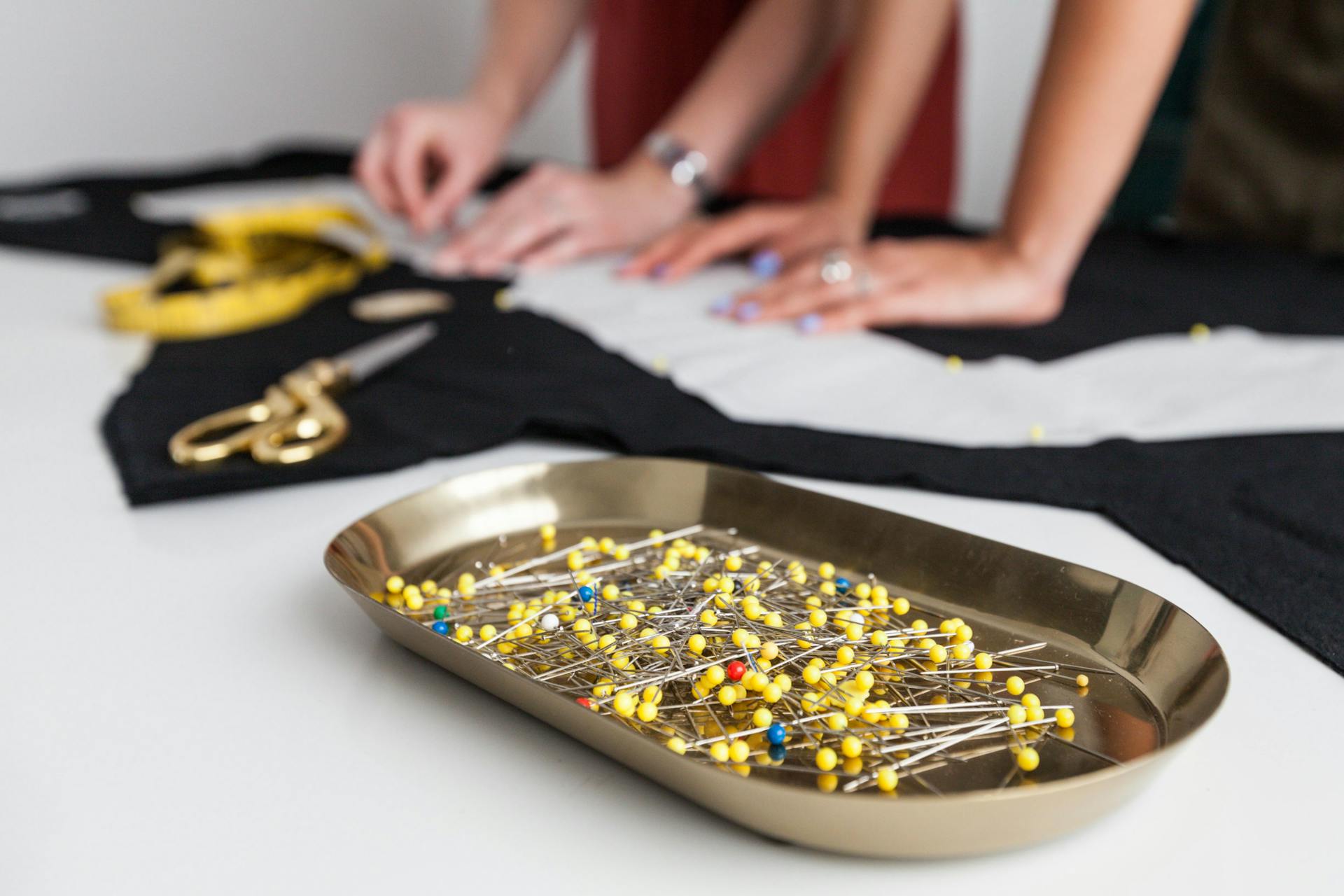
Sewing your own clothes lets you save money by creating items tailored to your style. You don’t need an expensive machine; simple equipment works well when you start.
You can repurpose old clothes or fabric scraps, making the most of materials you already have. Learning basic repairs like sewing on buttons or fixing hems also helps extend your clothing’s life.
With practice, you’ll improve your skills and reduce the need to buy new clothes often. It’s a useful way to stretch your budget while enjoying a creative hobby.
Knitting warm scarves and hats

Knitting your own scarves and hats can help you save money during colder months. Instead of buying expensive winter accessories, you can make pieces that fit your style and needs.
You don’t need fancy tools to get started; simple kits can make the process easy and enjoyable. Plus, knitting can be a relaxing way to spend your time while creating something useful.
Crocheting blankets and accessories

Crocheting your own blankets and accessories can help you save money on gifts and home decor. You only need basic supplies, and beginner kits are often affordable.
Making items yourself also means you control the quality and style. Plus, the time you spend can be a relaxing hobby, not just a chore.
If you shop smart, yarn and tools don’t have to cost much. Over time, you might find crocheting cost-effective compared to store-bought items.
Basic home plumbing repairs

Knowing a few simple plumbing skills can save you money and stress. You can fix a leaking faucet or stop a running toilet without calling a plumber.
Learning to unclog drains or replace washers helps you avoid costly service fees. Small fixes like tightening joints or cleaning traps keep your system running smoothly. These skills are easy to pick up and very practical around the house.
Changing car oil and filters
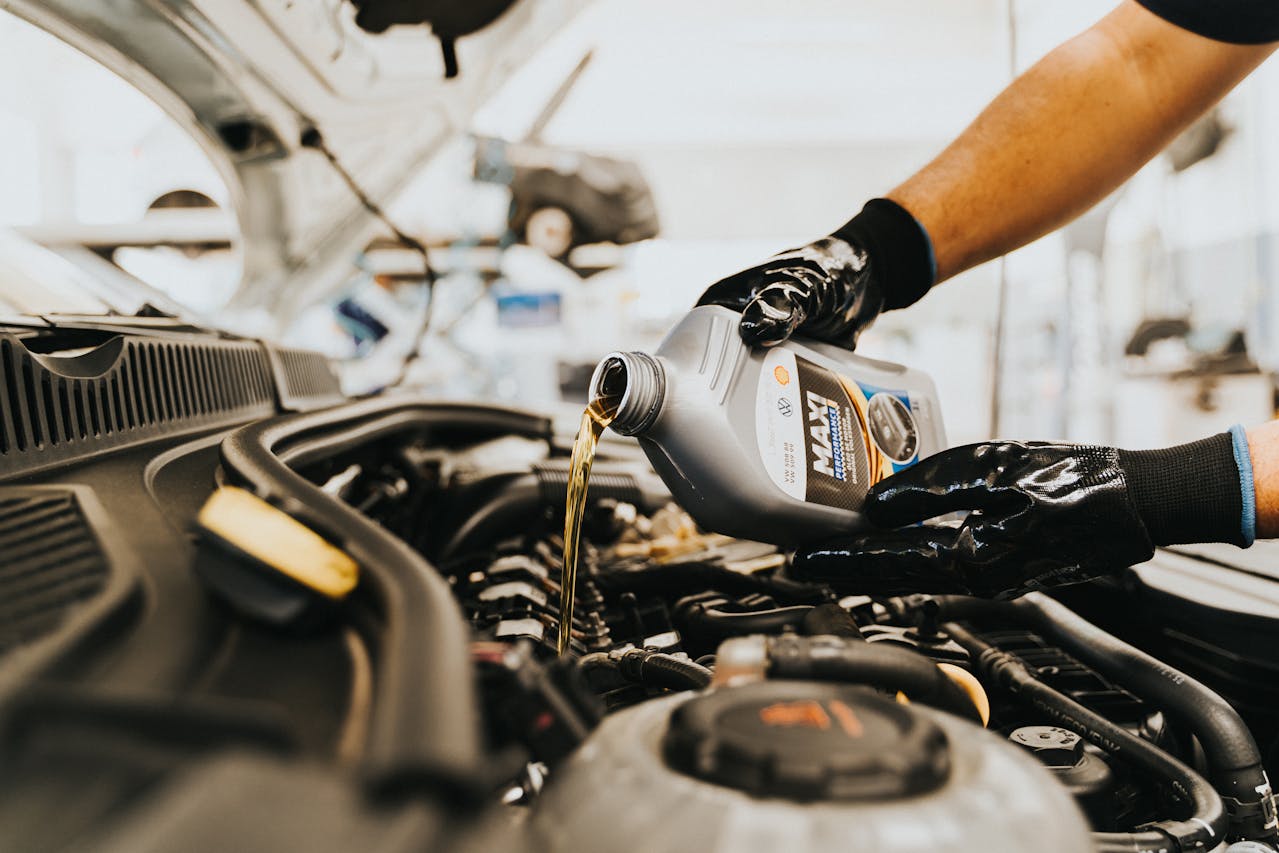
Changing your car’s oil and filters yourself can save you money on labor costs. You only pay for parts and oil, which is usually cheaper than a shop service.
All you need are some basic tools, a container for old oil, and the right replacement parts. It’s a simple process if you follow the steps carefully.
Doing this regularly helps keep your engine healthy and can extend your car’s life. Plus, it’s a skill that builds confidence with vehicle maintenance.
Replacing windshield wiper blades
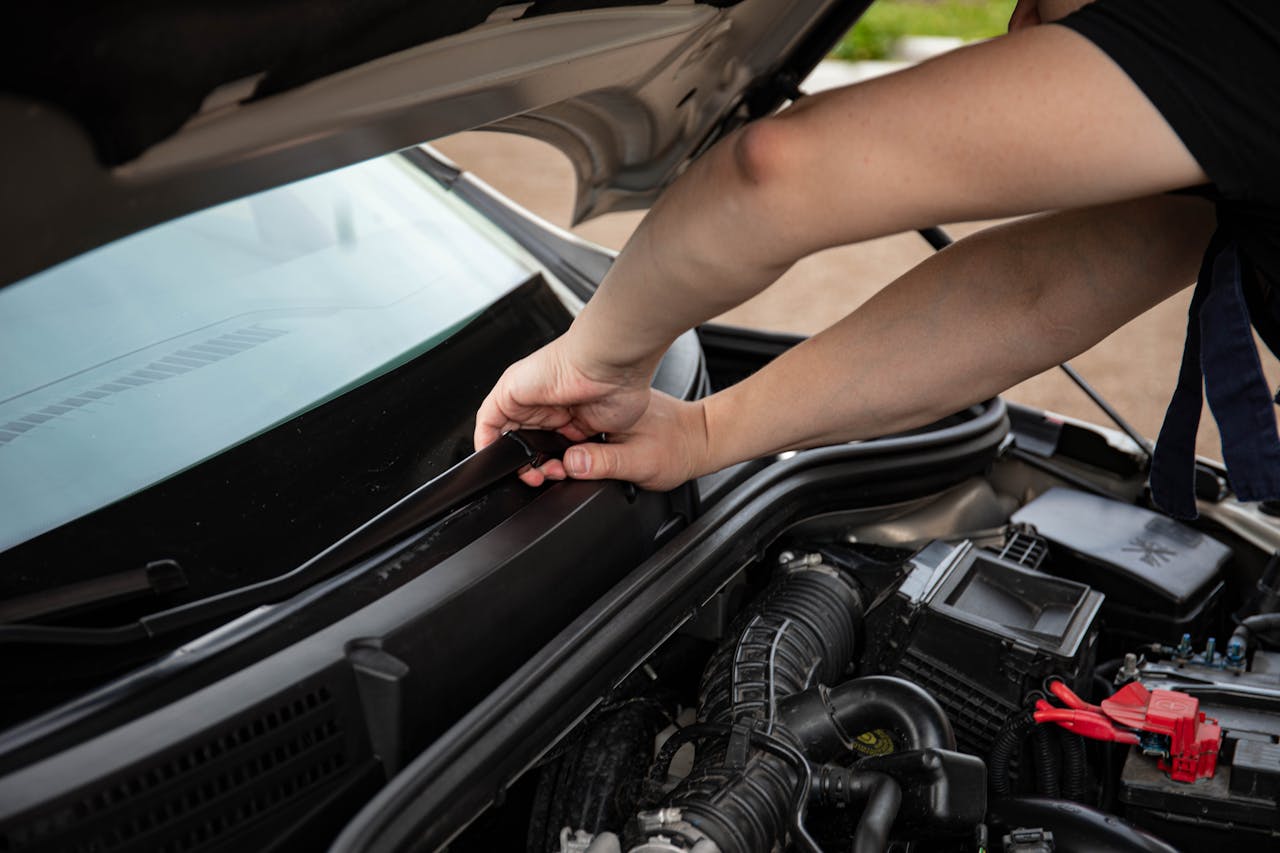
You can save money by replacing your windshield wiper blades yourself. It only takes a few minutes and requires no special tools.
First, remove the old blades carefully to avoid bending the wiper arms. Keep the new blades handy before starting.
Replacing them every 6 to 12 months helps maintain clear visibility and prevents damage to your windshield. Using wipers on dry glass can wear the blades faster, so be mindful of when you use them.
DIY house painting

Painting your house yourself can save you a good amount of money. Start by prepping well—clean surfaces, fill holes, and tape edges carefully to avoid mistakes.
Use quality brushes and rollers; they help you cover surfaces evenly and reduce time spent fixing errors. Paint ceilings before walls to keep your work neat.
Move furniture out or protect it with covers. Taking your time and working step-by-step makes the process smoother and your results more satisfying.