Scroll through any video feed and you will find a cleaning trick that promises a spotless home in seconds. Some of them work. Others look clever on a screen and quietly cause damage you only notice weeks later, when the finish has dulled or the grout has crumbled.
Tom’s Guide has tracked the trouble spots. One article, updated in August 2023, looked at five TikTok hacks. A March 2026 article by Camilla Sharman put five more floor habits under the microscope, with flooring expert Stacey Gustafon of Bona. Here are all ten.
1. Mopping Your Walls Can Ruin The Paint And Invite Mold
Tom’s Guide (2023) says experts warn certain paints “should not be scrubbed at all, or else the finish will be damaged,” especially flat or matte finishes. Soaking walls can also harm plasterboard, and “damp walls could result in mildew or mold.”
The safer approach is to wipe gently with a soapy sponge or microfiber cloth and avoid soaking the surface.
2. A Dishwasher Tablet On The Sofa Is Too Harsh For Fabric
According to Tom’s Guide (2023), “dishwasher tablets contain toxic chemicals that are too harsh for cleaning soft furnishings.” The article says this can fade the fabric, irritate sensitive skin and pose a risk to children and pets.
It suggests an upholstery cleaner, or a mix of distilled water, dish soap and vinegar.
3. Ironing Out Carpet Dents Can Burn The Fibers
Experts told Tom’s Guide (2023) that the iron’s heat “could burn or weaken the fibres, and essentially ruin the carpet.”
Try a steamer held at a distance, or set an ice cube on the dent and let it melt, as the article recommends.
4. Bleach-Soaked Toilet Paper On Grout Can Erode It
The article quotes experts saying “applying harsh bleach onto tiles can actually erode or discolor the grout.” Bleach can also leave tiles open to cracks or scratches, especially unglazed tiles.
A paste of three parts baking soda to one part water, scrubbed with a soft brush, is the suggested alternative.
5. Bleach And Dish Soap Down The Drain Is A Plumbing And Fumes Problem
Experts warn that “mixing bleach and soap together can not only damage drains, but can be toxic,” Tom’s Guide (2023) reports. The article adds that pouring bleach directly into drains “can damage or weaken your plumbing system,” and the fumes can cause respiratory problems.
Baking soda and white vinegar, followed by hot water, is the gentler route.
6. Steam Cleaning Hardwood Can Cause Cupping And Warping
Now to the floors. Gustafon told Tom’s Guide (2026) that steam cleaners “push excessive heat and water onto the floor,” which can cause cupping, warping and long-term damage.
Many families buy a steam mop because it seems chemical-free, which makes this warning easy to miss.
7. Acetone Can Strip The Floor’s Protective Finish
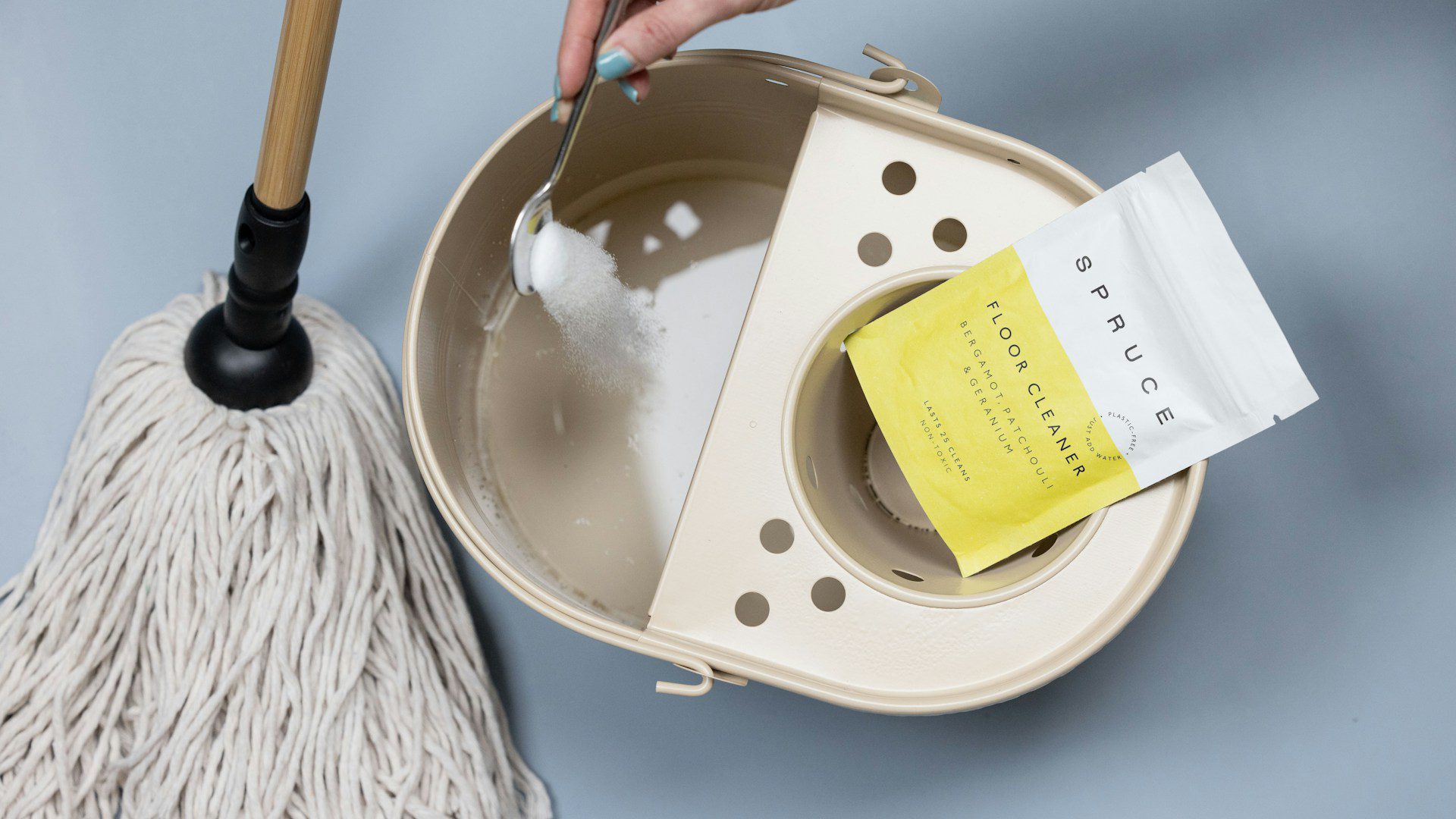
Nail polish remover is sometimes used on tough stains. Gustafon says, “Acetone is highly abrasive and can strip away the floor’s protective finish,” causing dullness and discoloration.
Spot treat stains with a cleaner made for your floor type instead.
8. Vinegar, Homemade Or Store-Bought, Wears Away The Finish Over Time
This is the most popular hack on the list. Gustafon says, “Because vinegar is an acid, it can actually cause significant damage to the floor.” Over time it wears the finish, leaving a dull look and making the floor more vulnerable.
Excess liquid can cause problems too, she notes.
9. DIY Soap And Water Can Leave A Cloudy, Slippery Film
Over-wetting can damage tile grout and encourage mold or mildew, and on hardwood, excess moisture can dull the finish and cause swelling, warping or cracking. Gustafon says, “Soap also leaves behind a residue that dulls the finish, creating a cloudy or streaky appearance.”
That residue can make floors slippery, according to the article.
10. A Vacuum With Beater Bars Can Scratch Hard Floors
Beater bars and wheels are designed for carpet. Gustafon says they “can scratch and ding your floors even when using proper cleaning technique” on wood, vinyl and other hard surfaces.
Switch off the beater bar or use a vacuum made for bare floors.
Floors Take The Most Punishment From Well-Meant Hacks
Half of the ten warnings involve the floor, and the reason is easy to see. Floors get cleaned more often than anything else in the house, so a bad habit repeats week after week. A tiny bit of damage each time adds up to a finish that looks tired long before its time.
Gustafon’s comments in the 2026 Tom’s Guide piece point to a common thread. Too much water, too much heat or the wrong chemistry can strip the protective finish that makes a floor easy to clean in the first place. Once that layer is worn, dirt sticks more easily, and the temptation is to scrub harder.
The better strategy is the boring one: a dry or barely damp microfiber mop, a cleaner made for your floor type, and a vacuum set for hard surfaces.
How To Tell If A Hack Is Safe
A few habits protect your home from the next trend. Read the manufacturer’s care instructions for any floor, sofa or appliance before trying a trick. Test any new method on a hidden spot first. And be wary of any hack that relies on bleach, acid, heat or soaking, since those are the four culprits behind most of the damage on this list.
If a hack sounds too good to be true, a quick check with the flooring or furniture maker is worth the call.
More Stories You May Like
- Selling Online Without Getting A 1099 K Form Does Not Mean You Owe No Tax, Because The $20,000 And 200 Transaction Rule Only Decides What Platforms Report
- Online Seller Whose Store Normally Brings In $10,000 A Month Let It Slide And Sales Dropped So He Made A $2,800 Bulk Buy To Rescue It
- Designer Says A $70 Pair Of Properly Altered Trousers Can Look More Elegant Than A $400 Pair And Names Nine Wardrobe Items Women Should Remove After 60