We’ve all heard the saying, “less is more,” and in our constant quest for peace and simplicity, decluttering seems like an obvious first step. The internet is teeming with advice on how to declutter our spaces and lives, promising us that getting rid of excess stuff will lead to increased happiness and productivity. But do all these tips really work? Let’s take a look at ten popular decluttering tips that, contrary to popular belief, might not be as effective as they seem.
1. “Throw Away Anything You Haven’t Used in a Year”

This is one of the most common pieces of advice you’ll hear when it comes to decluttering. The idea is simple: if you haven’t used it in a year, you probably don’t need it. While this might be true for some items, it’s not a rule that applies to everything.
For instance, consider items that are seasonal or used for specific occasions, like your ski equipment or that beautiful dress you wear to weddings. These items might not see regular use, but that doesn’t mean they’re not valuable or necessary. Also, sentimental items like photo albums or keepsakes might not be “used” in the traditional sense, but they can still hold great value.
2. “Get Rid of Duplicate Items”

On the surface, this tip makes sense. Why have two when one will do? However, in practice, this advice can be counterproductive.
For example, in a kitchen, having multiple spatulas or a pair of scissors might seem redundant, but when you’re in the middle of cooking a complex meal or have a house full of people, those duplicate items can be lifesavers. The same goes for other areas of the house, like having extra towels, sheets, and blankets for unexpected guests. Rather than getting rid of duplicates, consider how often you use them and whether having an extra could save you time or stress.
3. “Decluttering Should Be Done All At Once”

The idea here is that by doing a massive, all-at-once decluttering, you’ll feel an immediate sense of relief and accomplishment. However, this approach can often lead to burnout and frustration.
Decluttering is a process, and it can be mentally tough to make decisions about your possessions. Trying to do it all in one go can be overwhelming and lead to rash decisions that you may regret later. Instead, consider tackling your decluttering project room by room, or even drawer by drawer. This way, you can take your time and make thoughtful decisions about what to keep and what to let go.
4. “Buy More Storage Solutions”

Buying more boxes, bins, and organizers may seem like a logical step in the decluttering process. After all, if everything has a place, your home will be more organized, right? Not necessarily.
While storage solutions can certainly help keep things tidy, they can also enable us to keep more stuff than we need or actually use. Before buying more storage, consider whether you can first get rid of some items. It’s more about reducing the amount of stuff you have, rather than finding more places to put it.
5. “Always Follow the One-In, One-Out Rule”

This rule suggests that for every new item you bring into your home, you should get rid of an existing one. While this might help maintain a balance, it doesn’t consider the value or utility of the items.
Imagine buying a new, high-quality cooking pot and getting rid of an old, cherished book to follow the rule. They have different values and uses, so this rule can sometimes end up causing more harm than good. It’s important to consider the value and function of your items, rather than just following a blanket rule.
6. “Digitalize Everything”

While digitizing files and photos can save physical space, it doesn’t always work for everyone. Some people prefer having physical copies of certain items, and that’s okay.
Not everything needs to be digitized. Certain items, like old letters or family photos, often hold more sentimental value in their physical form. Furthermore, digitizing can lead to digital clutter, which can be just as overwhelming as physical clutter.
7. “You Should Be Able to Declutter Alone”

Decluttering is often portrayed as a solo activity, but it doesn’t have to be. In fact, trying to declutter on your own can sometimes be counterproductive.
Having a friend or family member to help can make the process more enjoyable and less overwhelming. They can provide a fresh perspective and help you make tough decisions about what to keep and what to let go.
8. “If It Doesn’t Spark Joy, Toss It”

Made famous by Marie Kondo, the idea here is to only keep items that spark joy. While this can be a helpful guideline for some, it’s not a one-size-fits-all solution.
Not every item in your home is going to spark joy, but that doesn’t mean it’s not useful or necessary. Your cleaning supplies or office files may not bring a smile to your face, but you still need them in your home.
9. “Decluttering Is a One-Time Task”

Many people think of decluttering as a one-and-done task, but it’s more helpful to think of it as an ongoing process.
Our needs and wants change over time, and so does the stuff we accumulate. Regularly reevaluating your possessions and decluttering as needed can help keep your home tidy and manageable.
10. “You Should Be Able to Keep Your Home Clutter-Free All the Time”
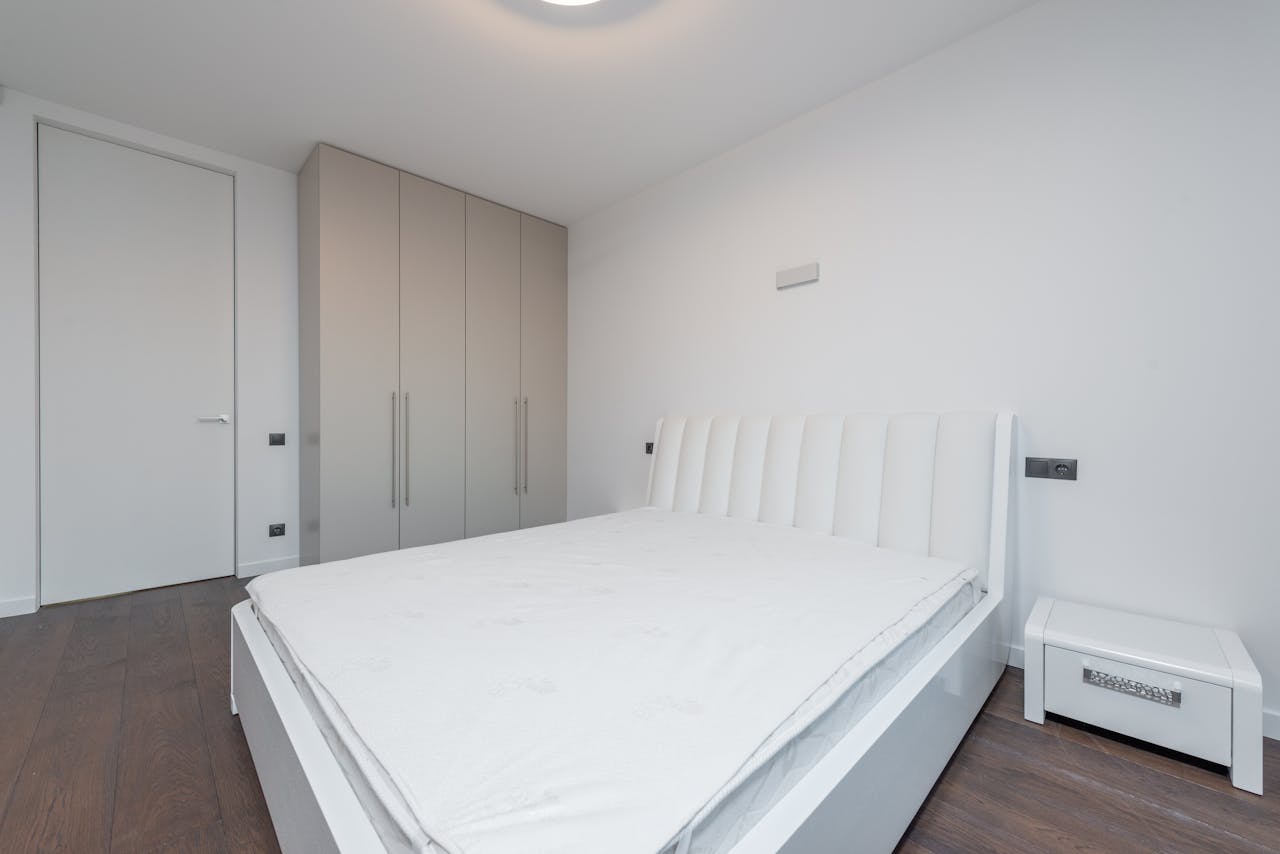
This tip puts immense pressure on people to maintain a perfectly tidy home at all times. However, life is messy and it’s normal for clutter to build up from time to time.
Rather than striving for constant perfection, aim for a home that feels comfortable and manageable for you. Remember, decluttering is about making your home serve your needs, not about achieving some unrealistic standard of perfection.
In the end, the best decluttering advice is the one that works for you. Don’t be afraid to discard the rules that don’t serve you and create your own path to a clutter-free life.