If you have old jewelry tucked away, you might wonder if any of it holds real value. Many pieces can be more than just sentimental—they might have genuine worth based on certain characteristics.
Knowing the signs that indicate valuable jewelry can help you decide which items are worth further attention. Understanding these clues allows you to make informed decisions about keeping, selling, or getting your pieces appraised.
Presence of clear hallmarks or stamps
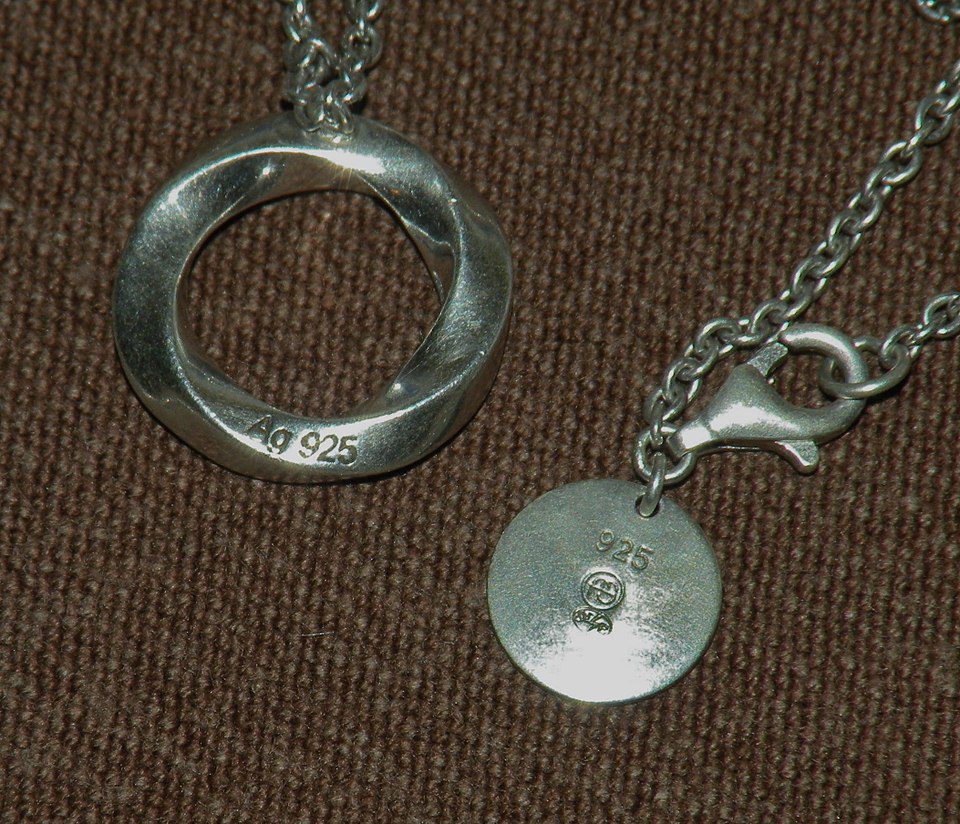
You should look closely for hallmarks or stamps on your jewelry. These marks often tell you the metal’s purity and where the piece was made.
Clear hallmarks can also give clues about when your jewelry was crafted.
If your piece has readable stamps, it often adds to its value. Knowing how to find and interpret these marks helps you understand more about your jewelry’s history.
Heavy weight compared to similar pieces
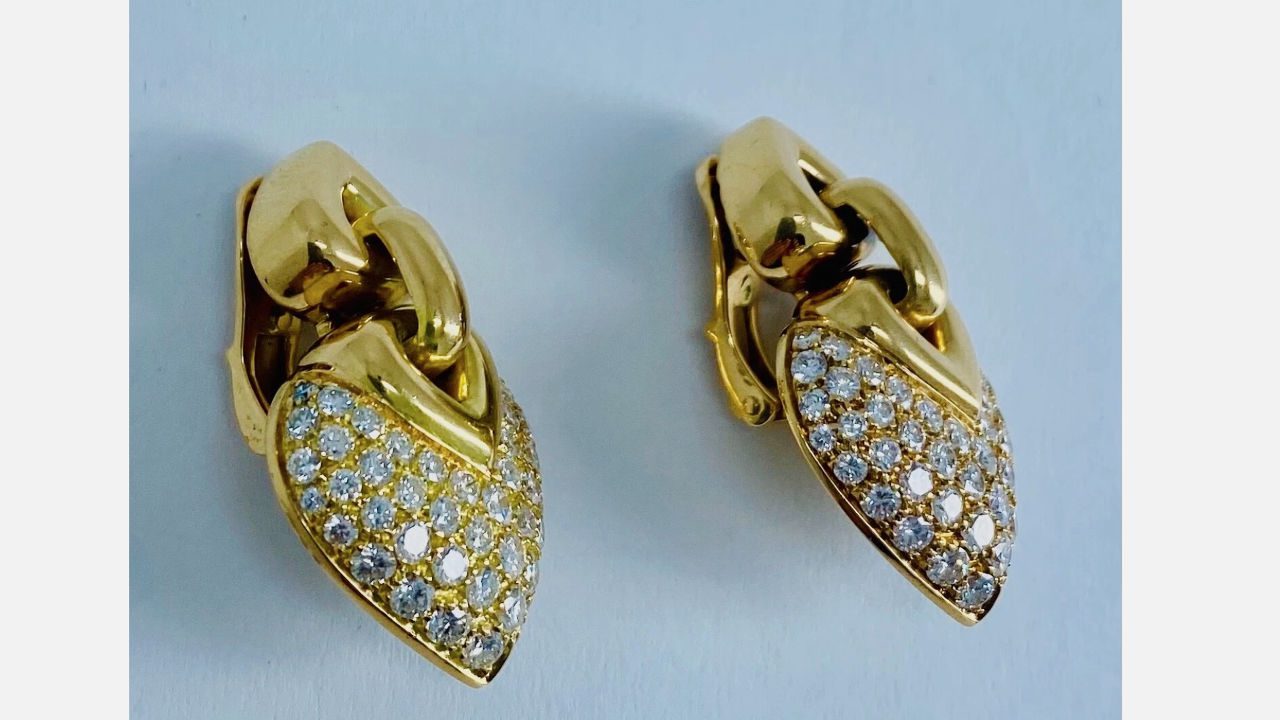
If your jewelry feels heavier than others of the same size, it could be a sign of precious metal content. Materials like gold and silver are denser, so authentic pieces often weigh more than costume jewelry.
Try comparing your item to similar pieces you own or find online. A noticeably heavier weight may indicate higher value, especially if the piece lacks visible hallmarks.
Signs of authentic gemstones
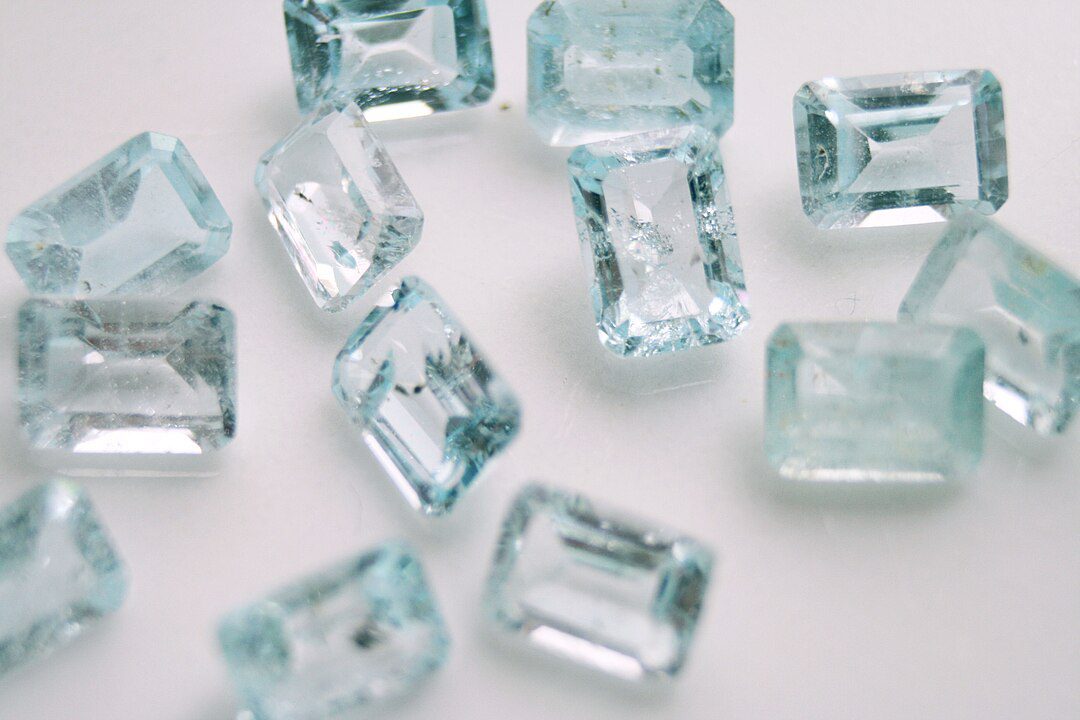
Look closely at your gemstone under a bright light. If you see tiny imperfections or slight color changes inside, that often means the stone is genuine. Completely flawless stones are rare and may be synthetic.
Use a jeweler’s loupe if you have one. Real gems usually have some natural marks or inclusions visible at 10x magnification.
Also, check how the stone is held. Quality pieces often have well-crafted prongs that securely hold the gem in place.
Craftsmanship quality and detail
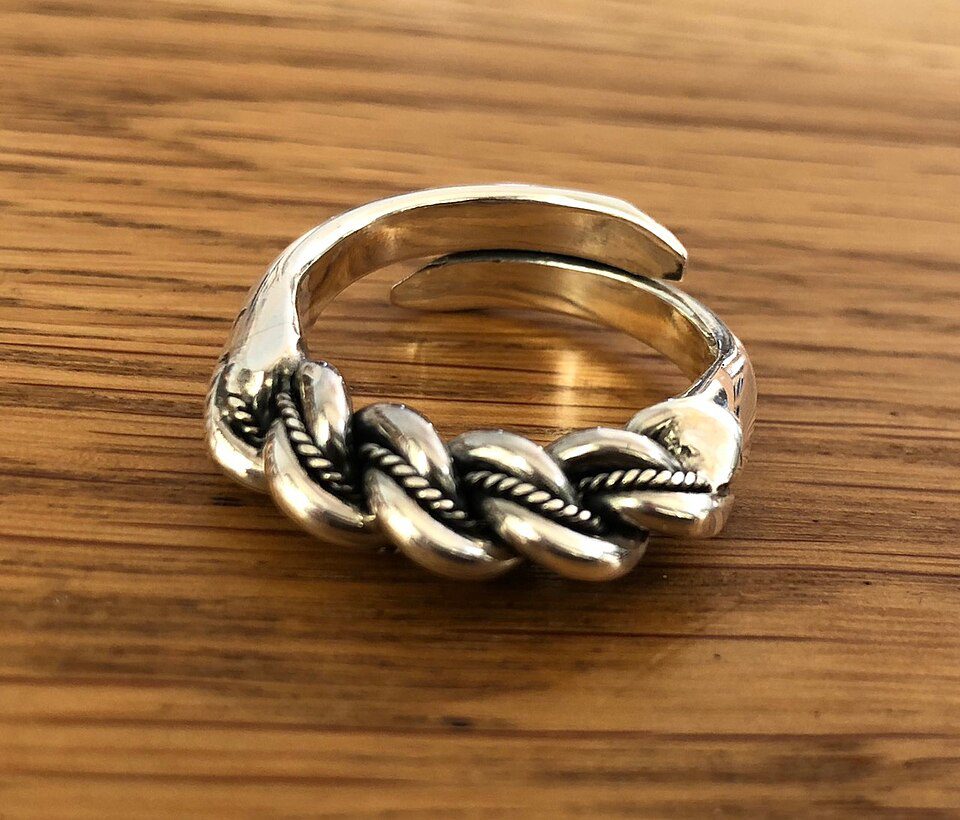
When you examine your old jewelry, pay close attention to the craftsmanship. Fine pieces often show detailed work, like carefully shaped prongs or intricate designs.
You’ll notice that high-quality jewelry tends to have smooth finishes and balanced proportions. Imperfections or rough edges might mean it’s less valuable.
Also, hand-crafted items usually have unique touches that machines can’t replicate. These subtle details can mean your jewelry is more special than you think.
No green specks indicating base metals
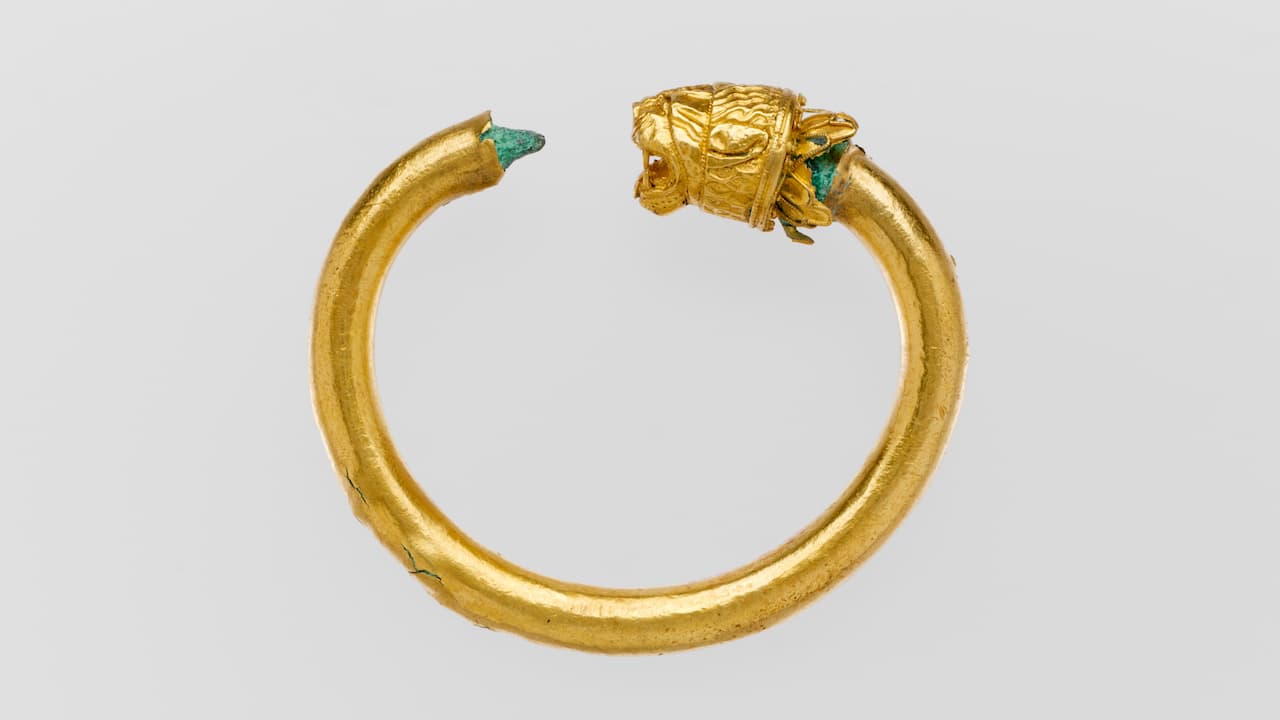
When you look closely at your jewelry, check for any green specks. These green spots usually mean copper or brass is beneath the surface.
If you don’t see green corrosion around posts or clasps, your piece is more likely made of real precious metals. This is a good sign that your jewelry might hold more value.
Keep in mind, not all valuable pieces show this, but absence of green specks is a simple way to spot costume jewelry versus finer metals.
Use of innovative or rare materials
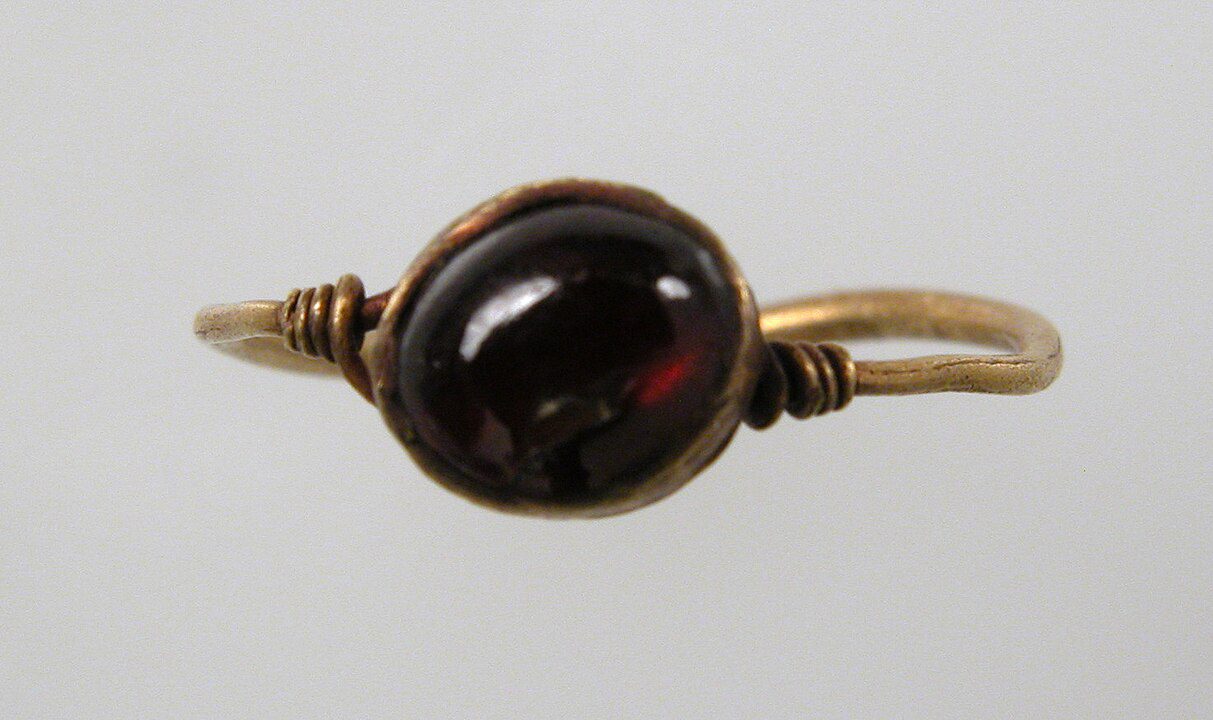
If your jewelry features unusual stones or metals, it could be more valuable. Look for materials that aren’t commonly used today, like certain natural pearls or exclusive gem types.
You might also spot pieces with unique blends of metals or hand-crafted elements. These often indicate a special design intended to stand out.
When you find such materials, it’s worth researching or getting the piece appraised to see if it adds to your jewelry’s value.
Consistent and smooth finish

When you look at your old jewelry, check if the surface feels smooth and even. Valuable pieces usually have a consistent finish because quality materials and careful craftsmanship were used.
If your jewelry has rough patches or uneven coloring, it might be a sign of plating rather than solid metal. A smooth, heavy feel often means the piece is made from solid precious metal, which can add to its value.
Known designer or manufacturer markings

You can often identify valuable jewelry by looking for designer or manufacturer markings. These marks show who made the piece and can increase its worth.
Familiar names or logos from well-known brands may mean your jewelry is collectible. Checking these markings helps you learn more about your item’s history and value.
Sometimes, marks are small and placed on the inside or back of the piece. Use a magnifying glass to spot them clearly.
Metal passes the magnet test

You can use a magnet to check if your jewelry is made from precious metals. Gold and silver are not magnetic, so if your piece doesn’t stick, that’s a good sign it might be valuable.
If your jewelry does stick, it likely contains cheaper metals or alloys. However, some metals mixed with gold can also react to magnets, so this test isn’t perfect on its own.
No discoloration or peeling
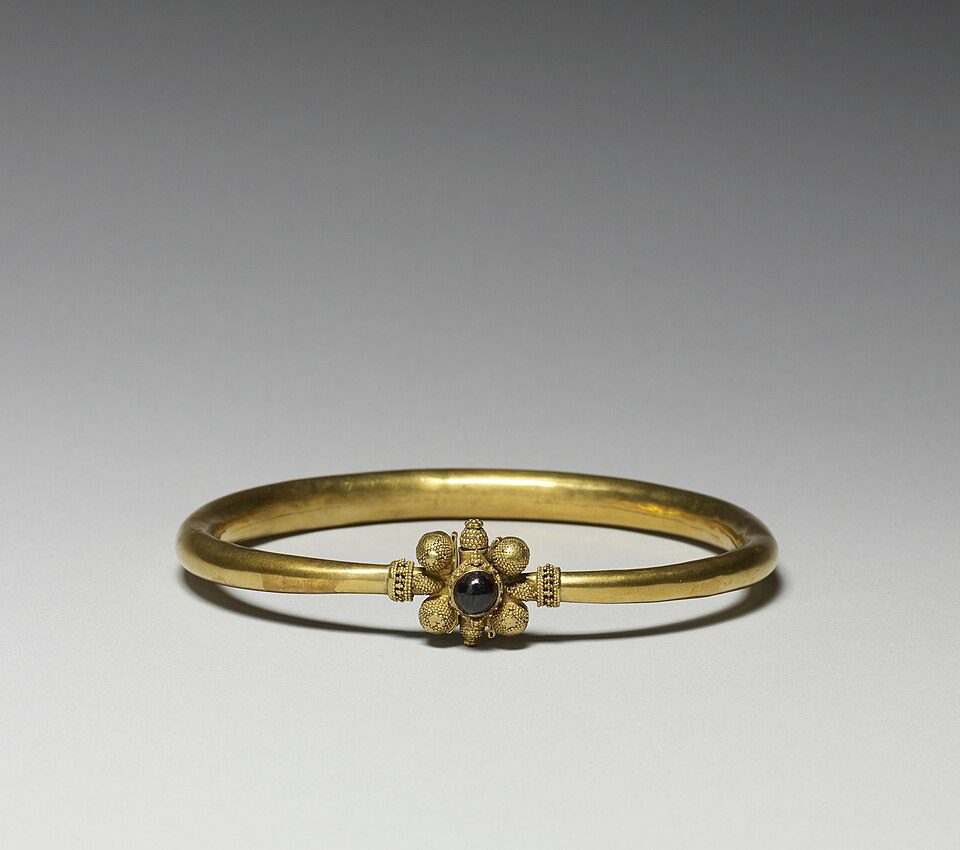
If your jewelry doesn’t show signs of discoloration or peeling, it might be made from quality materials. Cheap costume jewelry often has coatings that wear off over time.
Look closely at areas where the piece bends or rubs. Consistent color can suggest real metal or durable plating.
This doesn’t guarantee high value but it’s a good sign your jewelry could be worth checking out further.