


Your garden is your pride and joy – a verdant retreat that you’ve painstakingly nurtured over time. But did you know that the weather, regardless of the season, could be stealthily wreaking havoc on your plants? Unexpected temperature shifts, intense sunshine, heavy rain, and wind can all impact the health of your garden.
In this article, we’ll delve into ten subtle ways weather can damage your garden. You’ll learn how different weather conditions can negatively affect your plants, along with practical tips to mitigate these effects. Understanding these factors will help you create a more resilient garden that can withstand the vagaries of the weather.
1. Intense Sunlight

The sun is essential for photosynthesis, which allows plants to grow. However, too much sunlight can be harmful. Intense sunlight can cause sunscald, leading to wilting, yellowing of leaves, and even plant death. In particularly hot climates, it can also dry out the soil quickly, depriving plants of the necessary moisture they need to survive.
To protect your garden from intense sunlight, consider installing a shade cloth over your plants during the hottest part of the day. This can reduce the amount of sunlight reaching your plants, preventing sunscald and helping to maintain soil moisture levels. Also, ensure that your plants have sufficient water, especially during hot, dry periods.
2. Heavy Rainfall

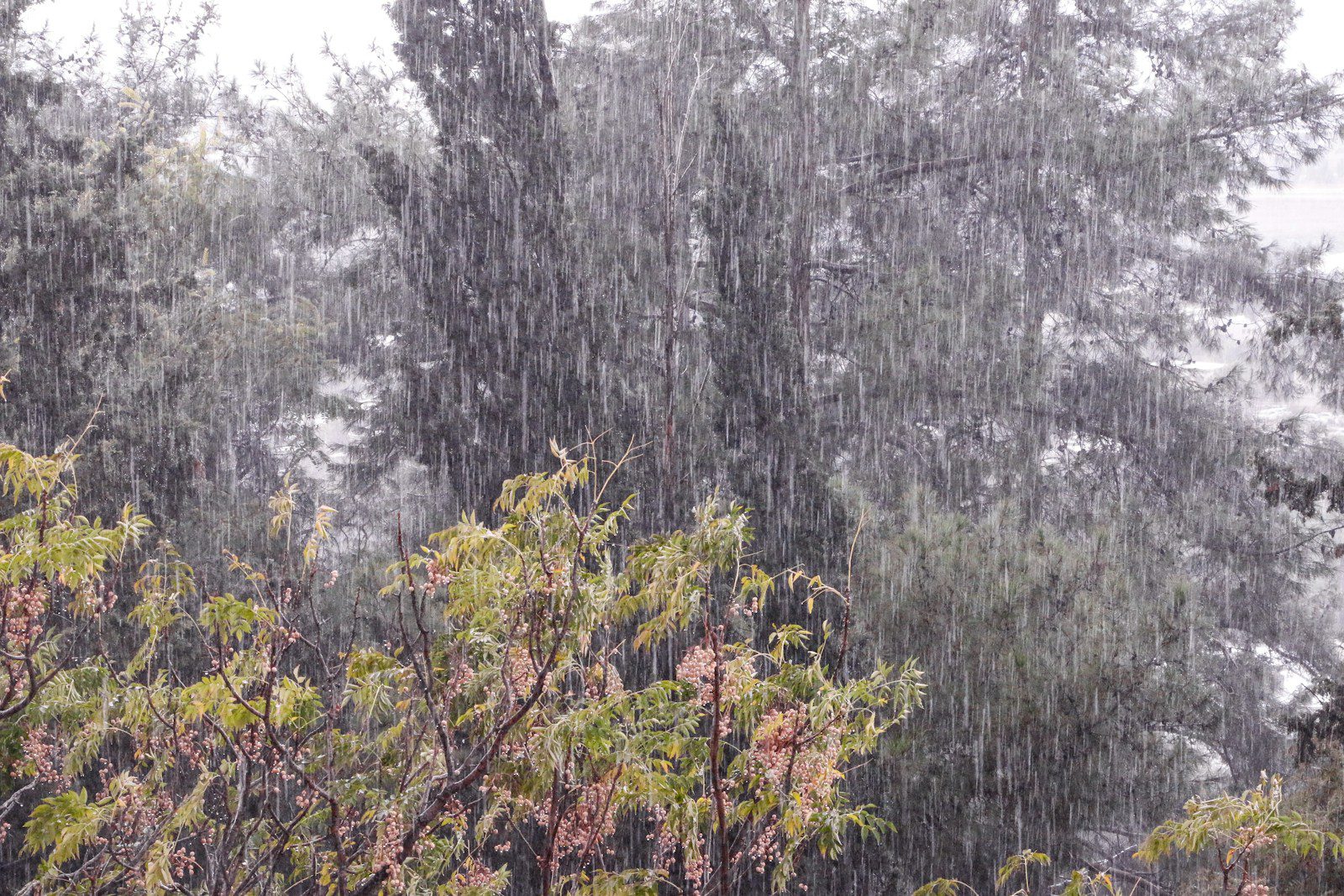
Heavy rainfall can be just as damaging as too much sun. It can lead to waterlogging, which suffocates plant roots and hinders their ability to absorb nutrients. This can lead to yellowing leaves, stunted growth, and even plant death. Moreover, heavy rain can erode topsoil and wash away valuable nutrients.
Improve your garden’s drainage to protect your plants from heavy rainfall. Add organic matter to your soil to increase its ability to absorb and retain water. Additionally, consider creating raised beds or slopes to help water drain away from your plants’ roots.
3. High Winds
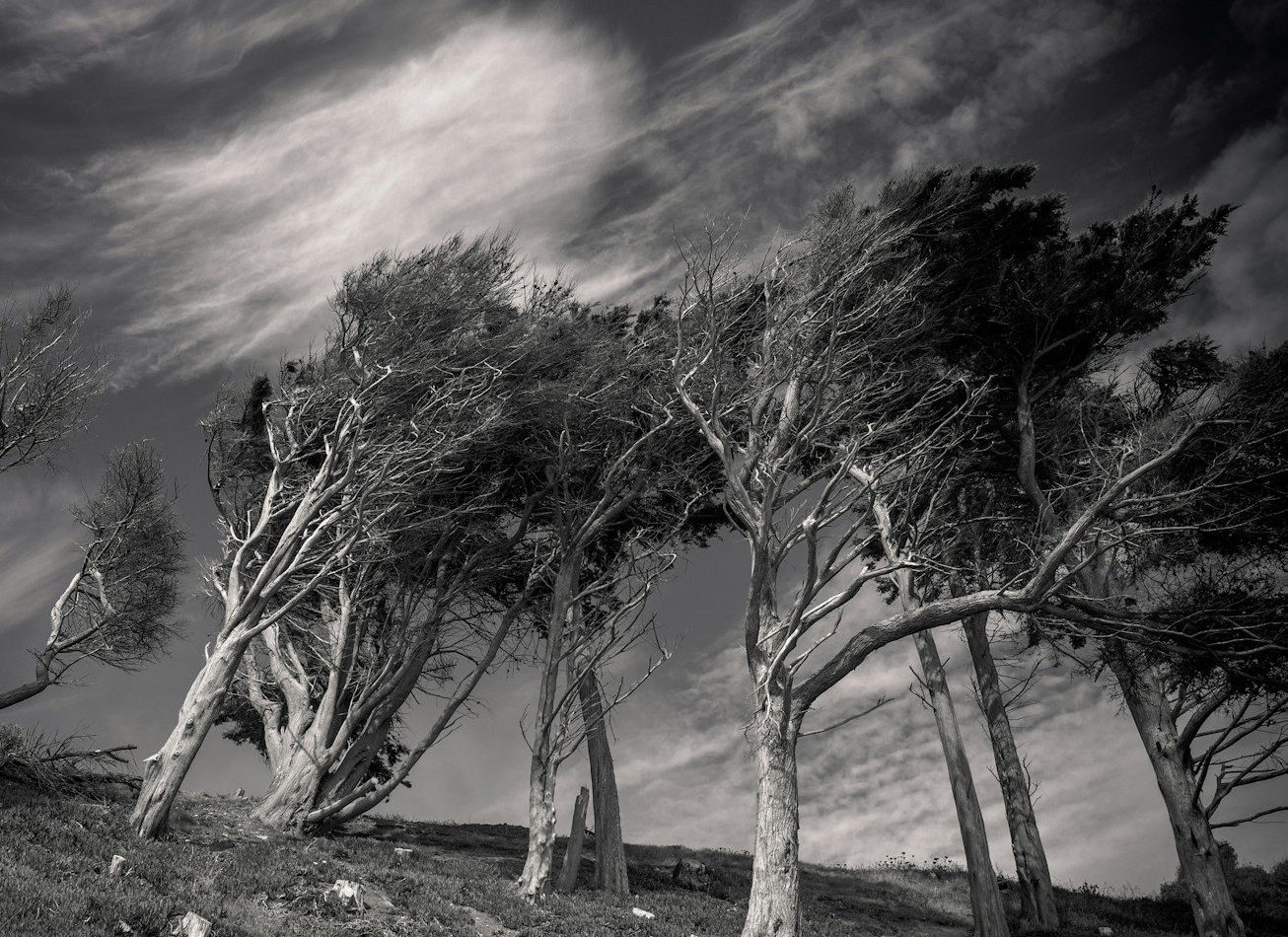
Windy conditions can be a hidden enemy to your garden. High winds can break plant stems, damage leaves, and blow away seedlings. They can also dry out the soil and plants, particularly in hot, dry climates. Additionally, strong winds can spread diseases and pests from one plant to another, leading to widespread damage.
Planting windbreaks, such as hedges or trees, can protect your garden from high winds. These barriers can reduce the speed of the wind and provide shelter for your plants. Additionally, ensure that your plants are well-watered during windy periods to prevent them from drying out.
4. Sudden Frosts
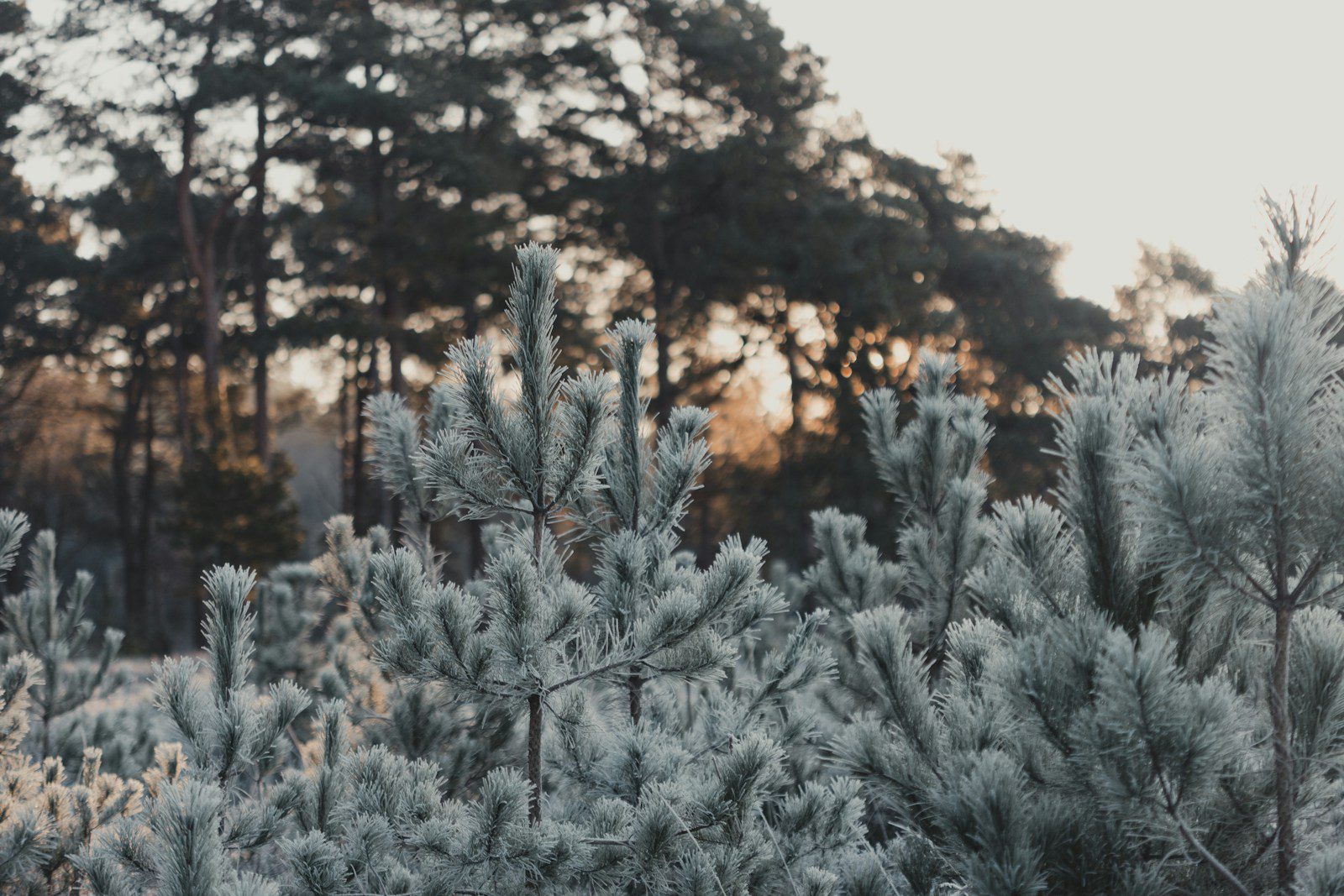
Sudden frosts can be devastating for your garden, particularly in the spring when new growth is vulnerable. Frost can damage plant cells, leading to wilting and browning of leaves. It can also kill tender plants and damage fruit and flowers.
To protect your garden from sudden frosts, consider using frost cloths or blankets. These coverings can provide insulation for your plants, keeping them warmer during cold nights. Also, avoid pruning plants in late summer or early fall, as this can stimulate new growth that is more susceptible to frost damage.
5. Hailstorms

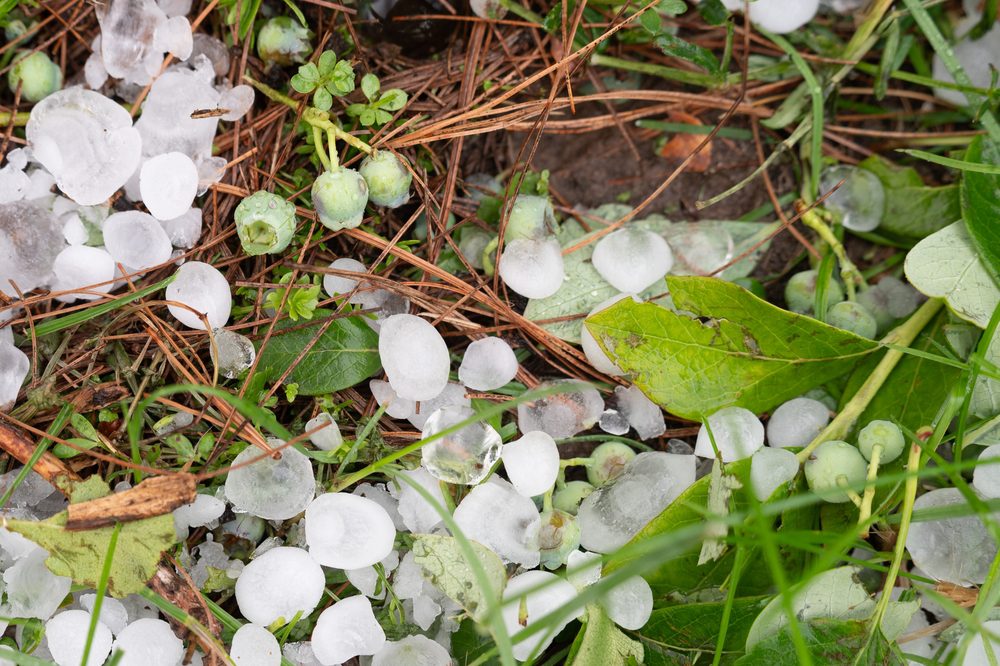
Hailstorms, though less common, can wreak havoc on a garden. Hail can shred leaves, break branches, and damage flowers and fruits. It can also compact the soil, making it harder for water and air to reach plant roots.
When a hailstorm is forecasted, try to move potted plants indoors or under cover. For plants in the ground, consider using protective coverings, like tarps or old blankets, to shield them from the hail. After a hailstorm, check plants for damage and prune any broken or damaged branches to prevent disease.
6. Drought

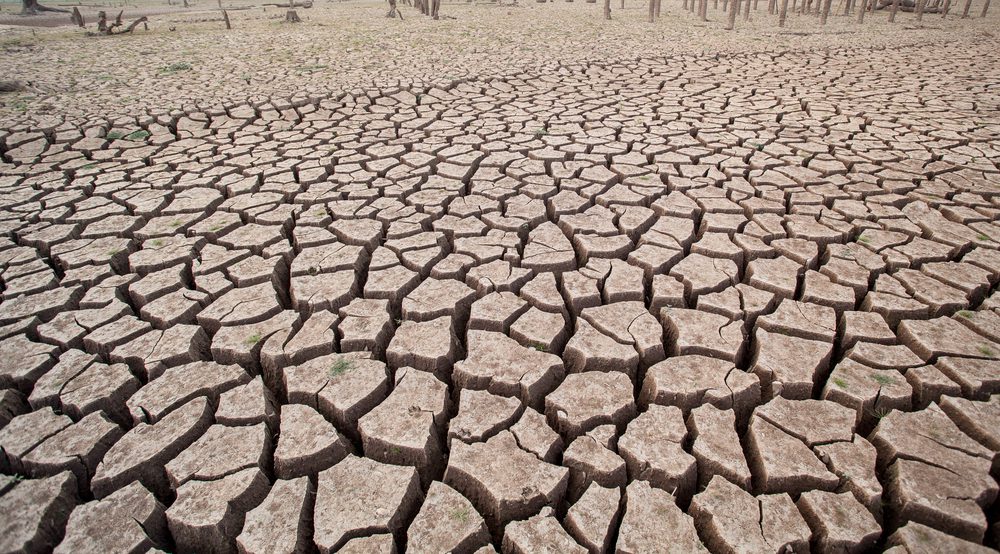
Drought conditions can be challenging for gardens. Lack of water can lead to wilting, stunted growth, and plant death. It can also make plants more susceptible to pests and diseases, as stressed plants are often weaker and more susceptible to attack.
To help your garden survive a drought, consider using drought-tolerant plants. These plants are adapted to survive in low-water conditions. Additionally, mulching can help retain soil moisture and reduce water evaporation. Water your garden in the early morning or late evening when temperatures are cooler to minimize water loss due to evaporation.
7. High Humidity

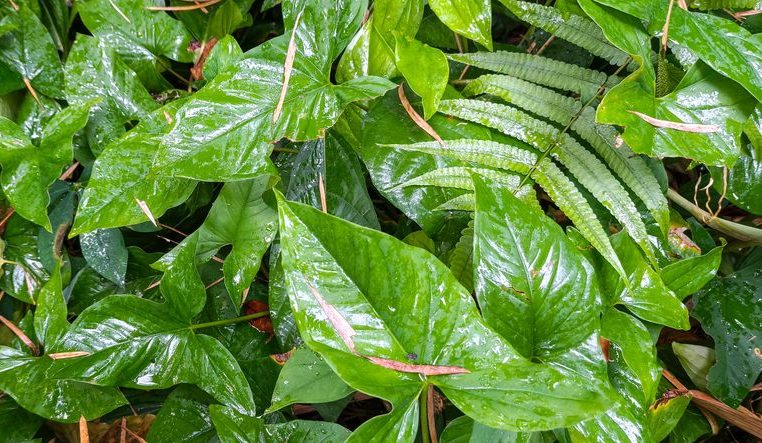
High humidity can create an environment conducive to the growth of fungi and other diseases. It can also make it harder for plants to transpire, leading to heat stress. Moreover, some pests, like slugs and snails, thrive in humid conditions, leading to potential infestations.
Improve air circulation around your plants to reduce humidity levels. Prune any overcrowded plants and remove any dead or diseased plant material promptly. It’s also beneficial to water your plants at the soil level rather than from above to avoid creating a humid microclimate around your plants.
8. Unseasonable Warmth
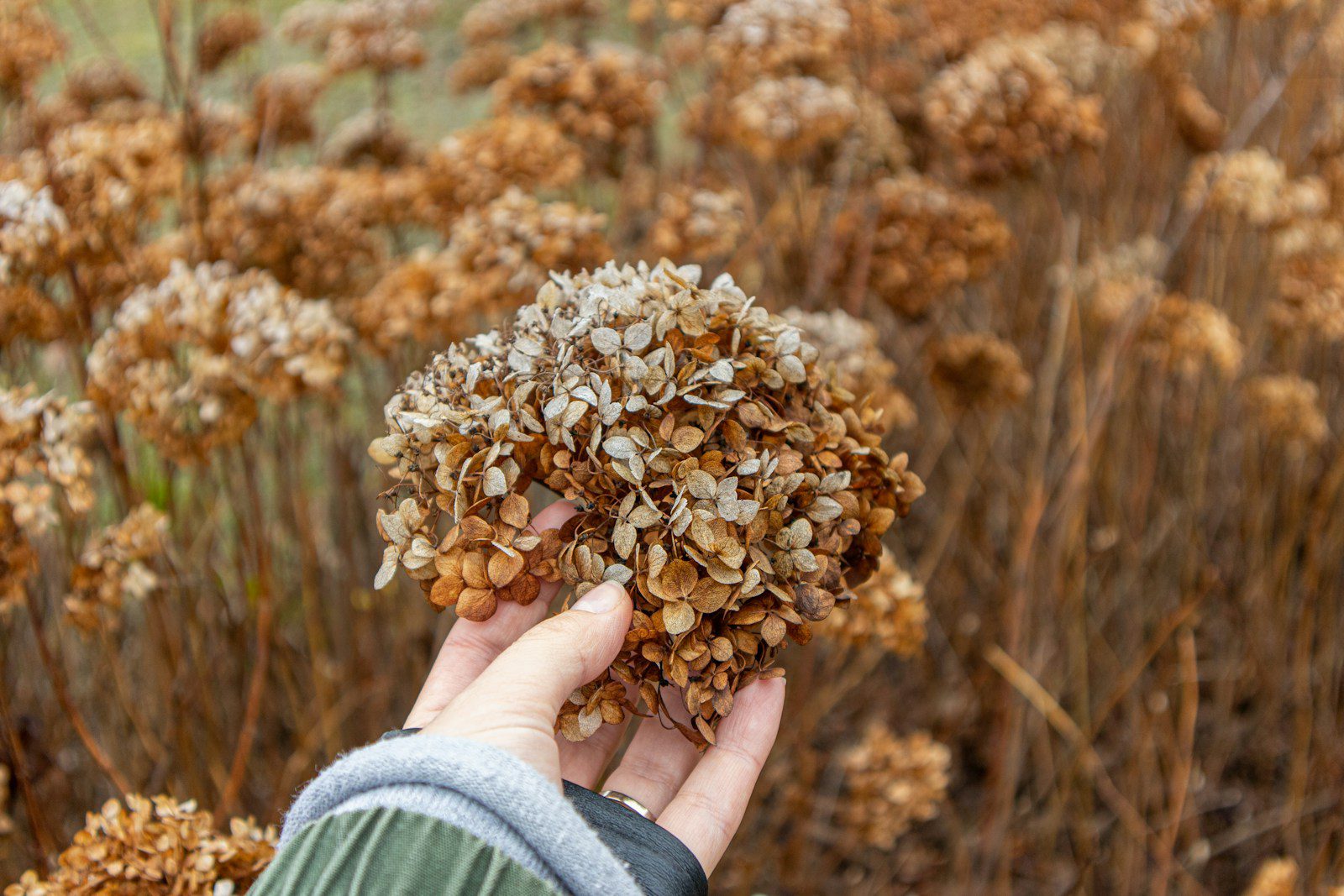
Unseasonable warmth can trick plants into thinking it’s time to start growing. This premature growth can then be damaged by a return to normal colder temperatures. This can result in the loss of flowers and fruit for that season.
To protect your plants from unseasonable warmth, consider using a layer of mulch. Mulch can help insulate the soil, keeping it cooler and slowing down the awakening process. Additionally, avoid fertilizing too early in the season as this can stimulate new growth.
9. Lightning

While it’s rare for lightning to strike a garden, when it does, it can be devastating. Lightning can kill or severely damage plants, and the accompanying thunderstorm can lead to heavy rainfall and high winds, which can also cause damage.
Unfortunately, there’s not much you can do to protect your garden from a lightning strike. However, after a storm, it’s important to check your garden for any damage and prune back any damaged branches or stems. This can help prevent disease and encourage healthy new growth.
10. Soil Erosion
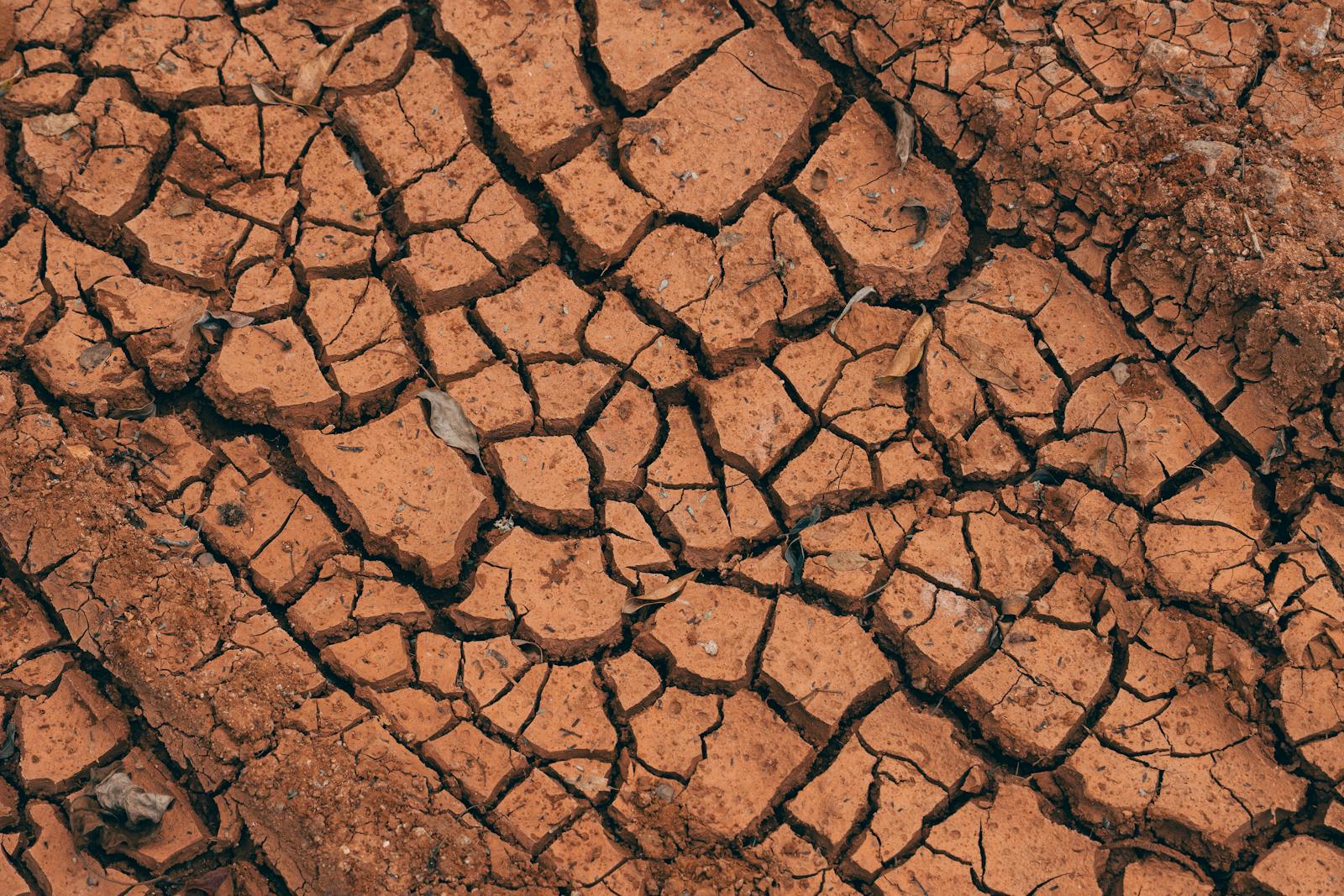
Weather conditions like heavy rain and high winds can lead to soil erosion. This can wash away valuable topsoil and nutrients, leaving your plants with poor quality soil. Over time, this can lead to stunted growth, nutrient deficiencies, and plant death.
To prevent soil erosion, consider using ground cover plants and mulch. These can help hold the soil in place and reduce runoff. Additionally, creating terraces or using raised beds can help prevent soil from washing away during heavy rains.