When you walk into a supermarket, you might think you’re just there to grab what you need. But grocery stores use subtle strategies designed to influence how much you buy and how long you stay.
Knowing these tricks can help you shop smarter and avoid spending more than you intended. Understanding what’s behind the layout, promotions, and product placements gives you a clearer picture of how stores work to catch your attention.
Expensive Items at Eye Level
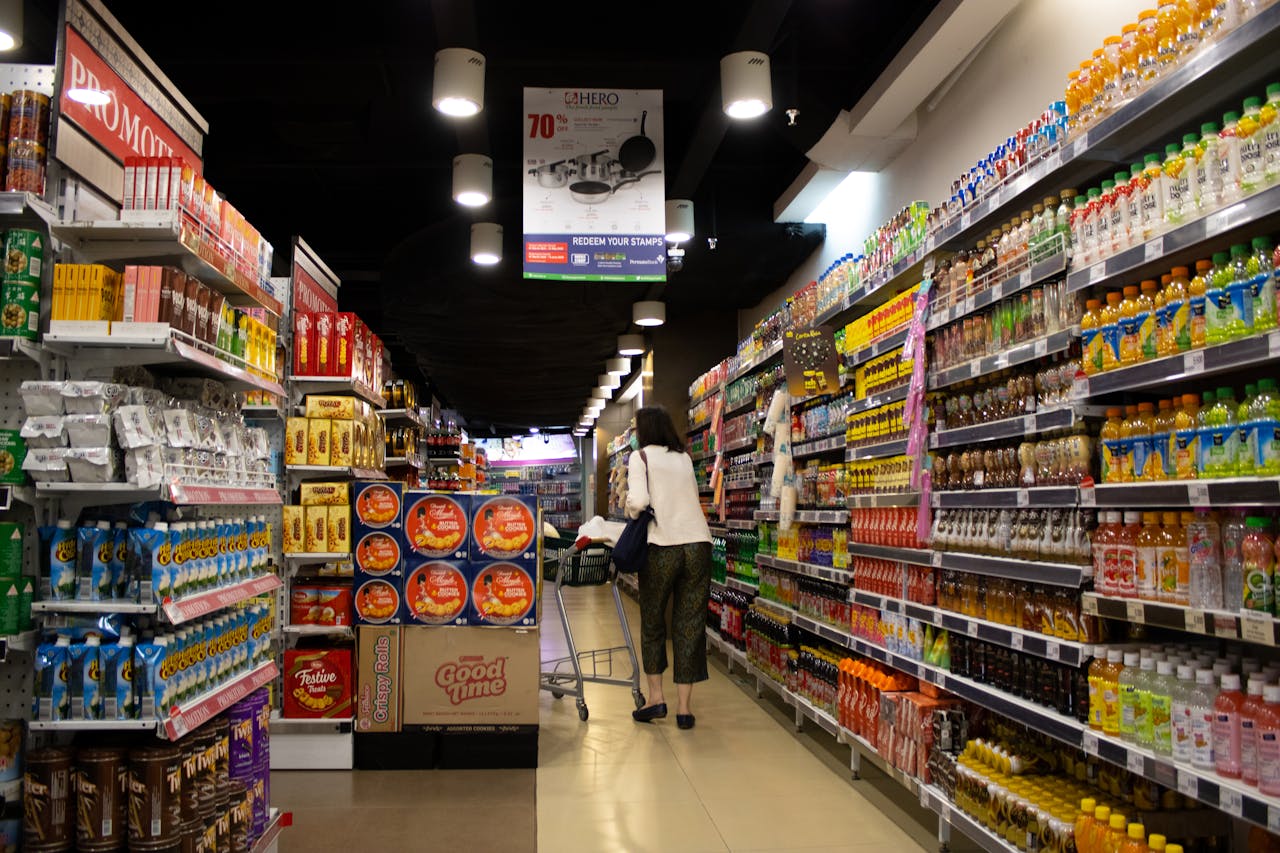
When you shop, look closely at the shelves. The most costly products are often placed right at your eye level. This spot is prime shelf space because you are most likely to notice and grab those items.
Cheaper or basic versions usually sit higher up or down low. Knowing this helps you avoid overpaying when you’re just trying to find a good deal. Keep your eyes open for those less obvious spots.
Fruits and Vegetables Near Entrance
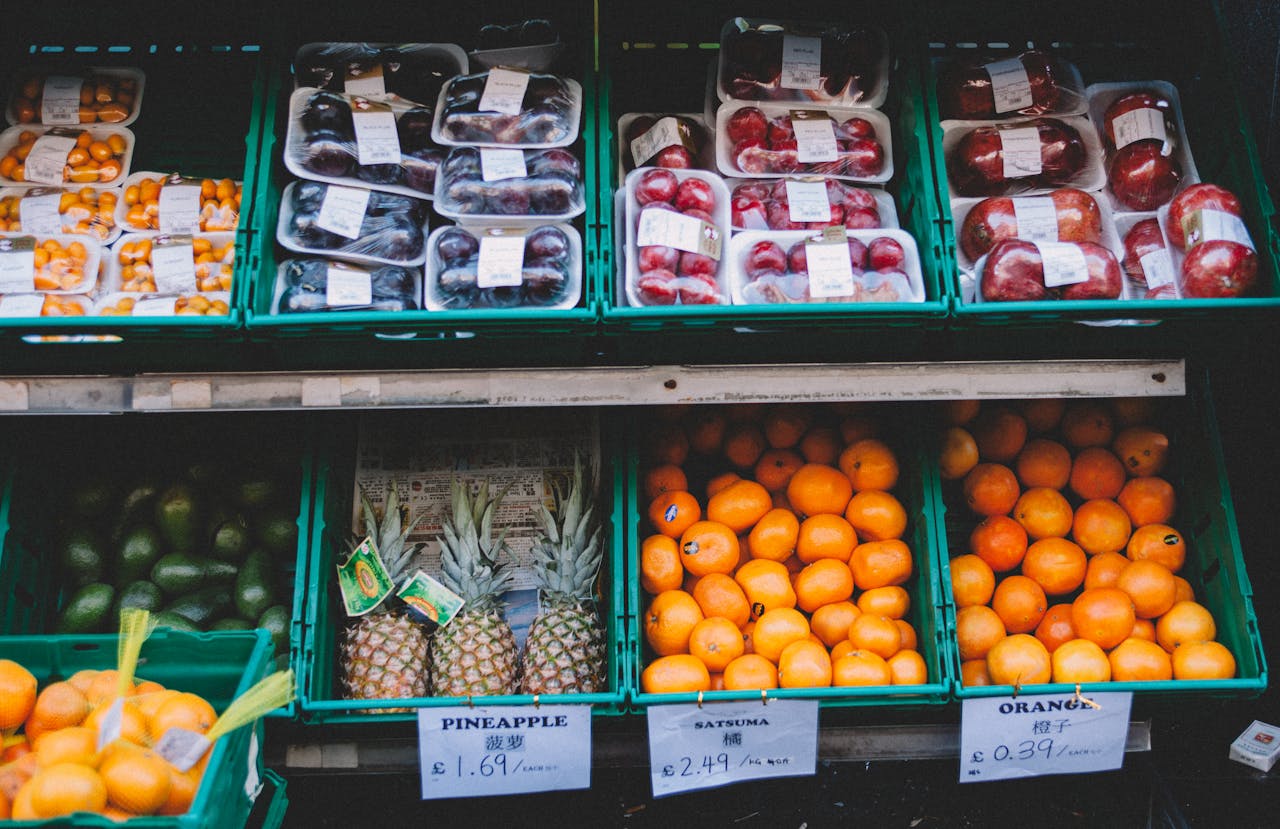
When you enter a supermarket, you’ll usually see fruits and vegetables right by the door. This placement is not random—it helps you feel like you’ve made a healthy choice as soon as you walk in.
Fresh produce also doesn’t need refrigeration like dairy or meat, so stores put it upfront to keep it fresh and visible. Seeing these colorful items first can encourage you to buy more fresh food than you might have planned.
Free Food Samples

You might notice free samples at the front of the store or near new products. These are designed to get you to try and buy items you might not have considered.
Sampling can be a great way to discover new favorites without spending money. Just remember, it’s meant to encourage purchases, so only take what you plan to use.
Keep an eye out for scheduled sample days or special promotions. Some stores even have websites listing free food sample opportunities you can explore.
Soft Background Music
You might notice gentle music playing softly while you shop. This isn’t just for ambiance—it helps create a calm, relaxed feeling. When you’re relaxed, you tend to spend more time browsing.
The store chooses rhythms and melodies carefully to keep you comfortable. This subtle trick can encourage you to add extra items to your cart without realizing it. Next time you shop, pay attention to how the music affects your mood.
Slow Moving Carts

When you use a slow or faulty cart, it can make you move through the store more slowly. This gives you extra time to see more products and possibly add extra items to your cart.
Stores sometimes don’t fix these carts quickly because they want you to spend more time shopping. Next time you grab a cart, test it first to avoid getting stuck with a slow one.
Oversized Shopping Carts

When you grab a large shopping cart, you might end up buying more than you planned. Bigger carts can make your baskets look emptier, encouraging you to fill them up.
Stores know this and often provide oversized carts to increase your spending. If you want to keep your budget in check, consider using a smaller cart or a basket instead.
Misted Vegetables to Appear Fresh
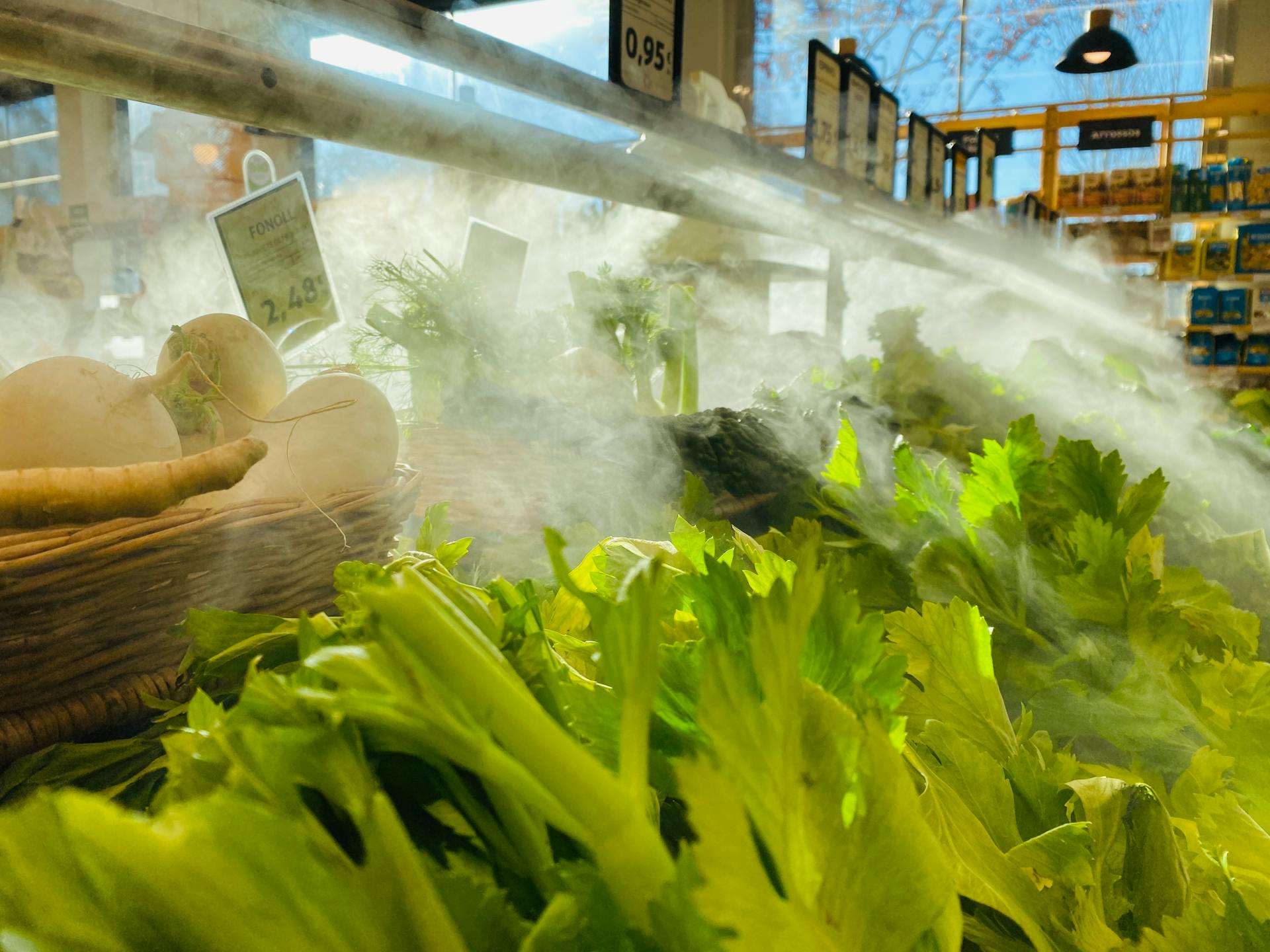
When you shop for vegetables like broccoli or spinach, you might notice a gentle mist sprayed on them. This mist helps keep the veggies looking fresh and crisp.
However, it also adds a little extra water weight to your produce. That means you could be paying for more water than vegetables when you check out.
Giving your greens a quick shake before bagging can help remove some of the excess moisture. It’s a small trick stores use to make produce look more appealing to you.
Eye-Catching Sale Signs

When you walk into a supermarket, your eyes are drawn to big, bright sale signs. These signs use bold colors and large fonts to grab your attention quickly.
They often highlight discounts that may not be as great as they seem. Sometimes, the “sale” price is just close to the regular price, encouraging you to buy more.
Pay close attention before grabbing an item just because of the flashy sign. Check the actual price per unit to see if you’re really getting a deal.
Seasonal Displays at the Front
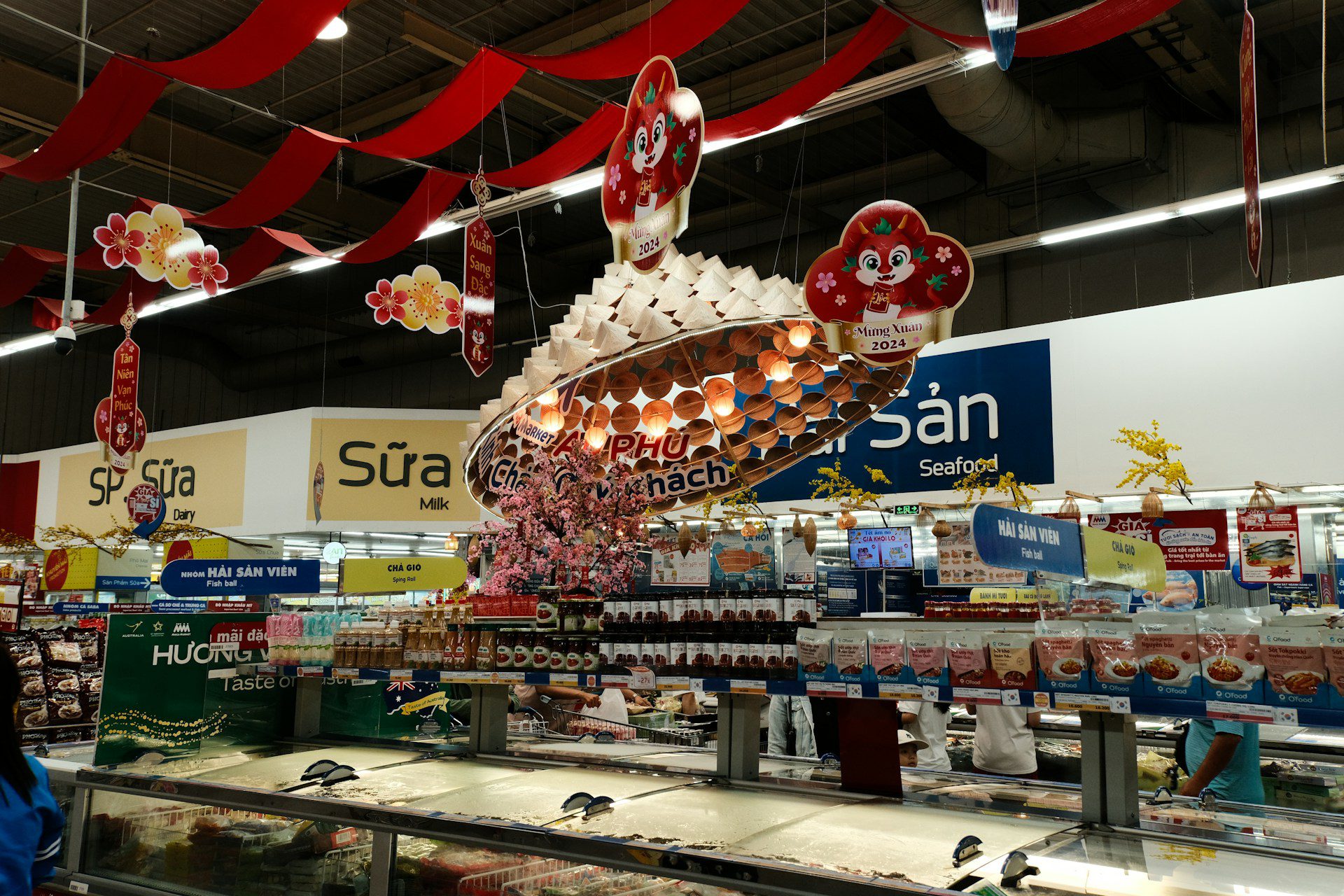
When you walk into a supermarket, you’ll often see seasonal items right at the entrance. These displays catch your eye and make you think about the upcoming holiday or season.
Grocers place these products upfront to encourage impulse buys. You might not have planned to shop for them, but their bright colors and festive packaging grab your attention.
This tactic helps the store create a mood and get you excited about items you might not have sought out otherwise. It can extend the time you spend in the store, too.
One-Way Store Layouts
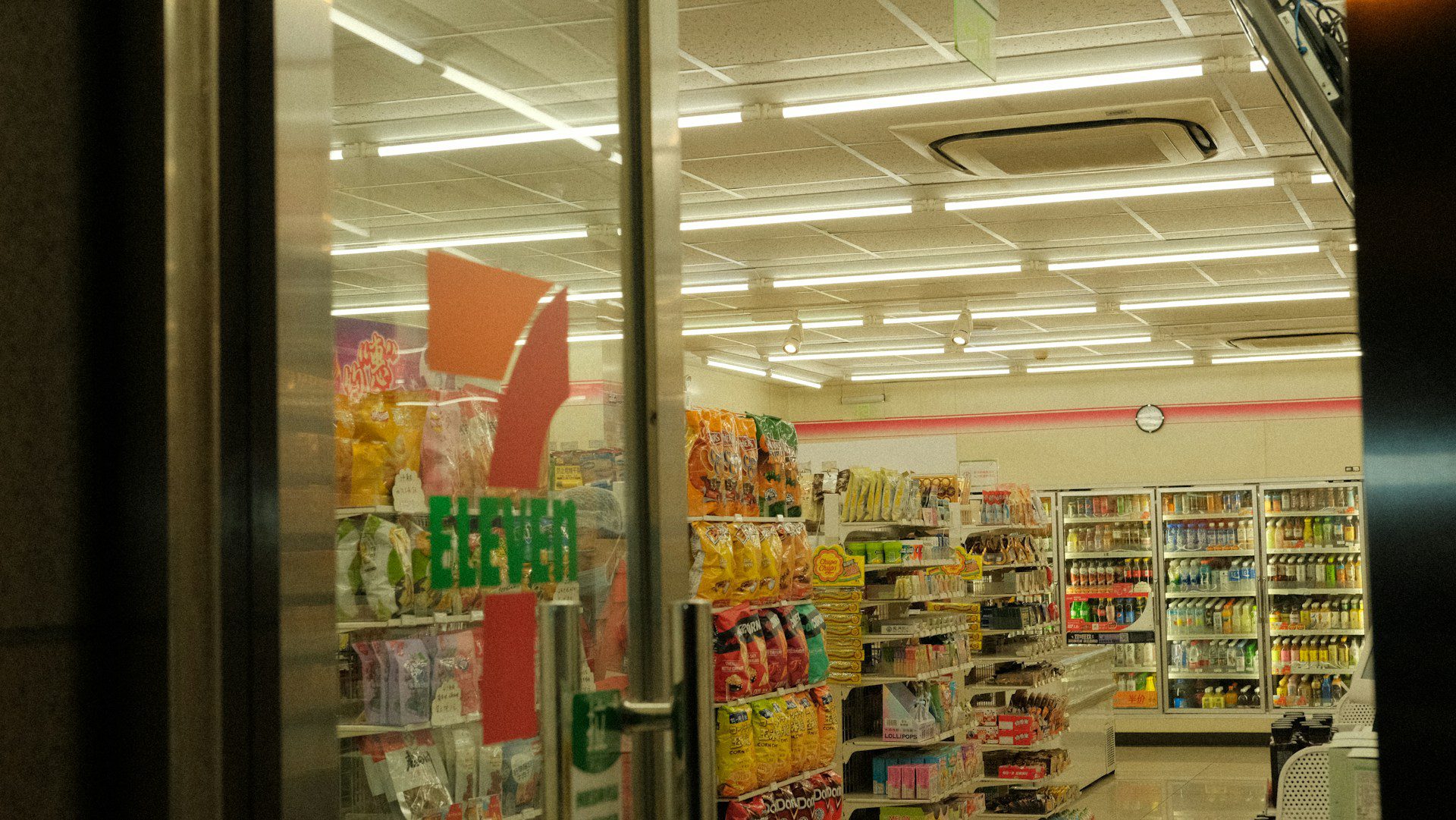
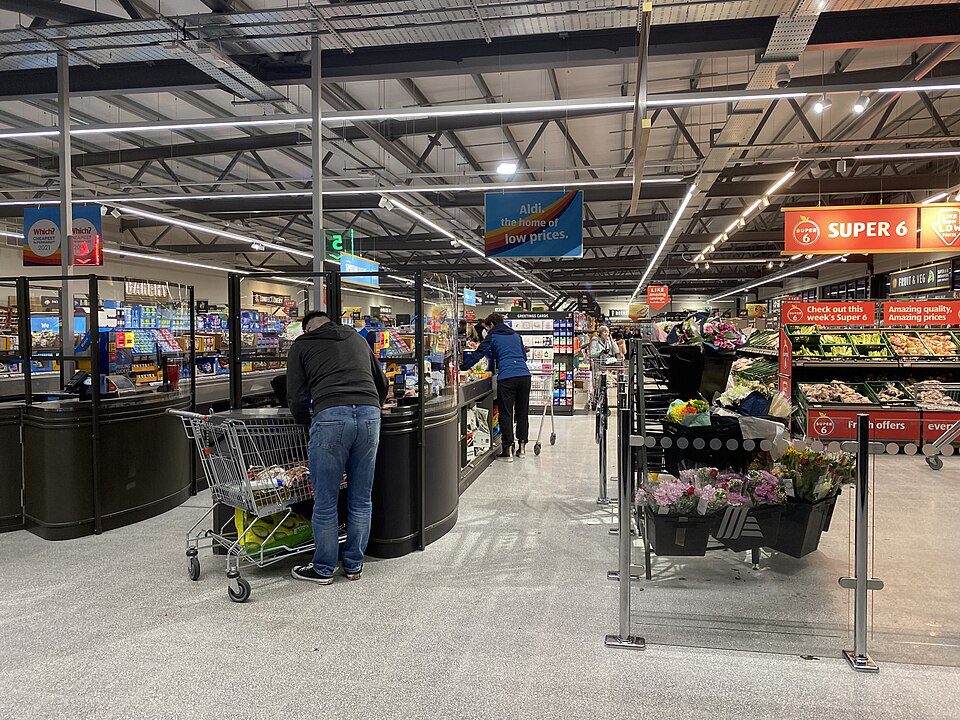
You might notice some supermarkets have entrance and exit doors set up to direct your path one way through the store. This design encourages you to walk past more products, increasing the chance you’ll add extra items to your cart.
Because you can’t simply backtrack, you may feel like you have to keep moving forward, making it easier to spot items you didn’t plan to buy. It’s a subtle nudge to explore more of the store than you intended.