
Your bedroom is your sanctuary, a place where you unwind, de-stress, and recharge for the next day. We tend to maximize our bedroom space, and often, the space under our bed becomes an extra storage site.
However, not everything belongs under your bed. Some items can actually affect your health, or become a safety hazard. Let’s explore 10 things that you should never store under your bed.
1. Food

Storing food under your bed might seem like a convenient snack stash, but it’s not a good idea. Food can attract pests like ants, cockroaches, and mice. These pests carry diseases and can cause significant damage to your property.
Moreover, food particles can seep into your mattress and bedding, causing odors or even mold. This can lead to allergies, respiratory issues, and other health problems. As a rule of thumb, keep food in the kitchen to maintain a clean, pest-free sleeping environment.
2. Electronics

Storing electronics under your bed might seem like a great space-saving solution, but it can be hazardous. Most electronic devices generate heat, and cramming them in a confined space without proper ventilation can lead to overheating and potential fire risks.
Additionally, electronic devices emit electromagnetic fields (EMFs) that can interfere with your sleep patterns and overall health. While the research on this is still ongoing, it’s best to keep gadgets out of your sleeping space to promote better sleep and well-being.
3. Cleaning Supplies
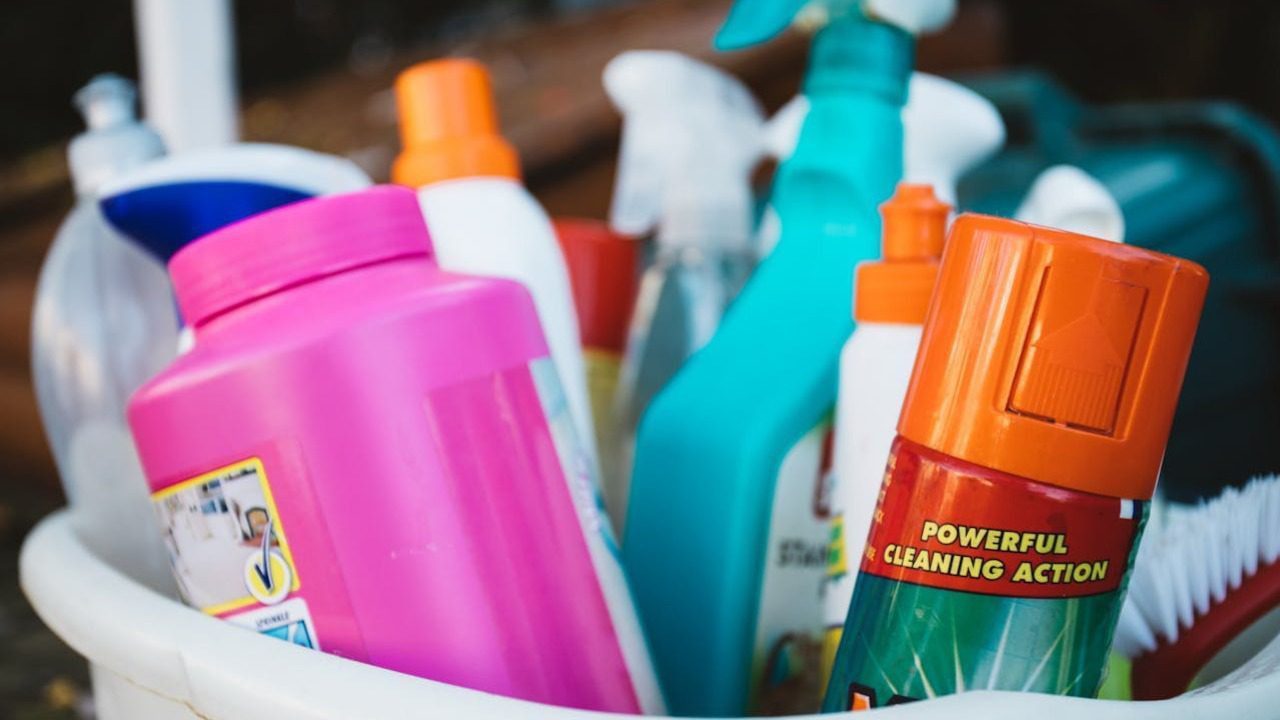
You might think that storing cleaning supplies under your bed is out of reach and therefore safe. However, these products often contain chemicals that emit fumes, which can be harmful or irritating to your respiratory system.
Furthermore, they can leak and damage your flooring or create a fire hazard if they come into contact with certain other items. It’s best to store cleaning supplies in a cool, dry place like a utility closet or laundry room where they’re less likely to cause any issues.
4. Shoes

Keeping shoes under your bed might save closet space, but it’s not hygienic. Shoes can carry dirt, bacteria, and other contaminants into your sleeping space.
Moreover, shoes can scratch your floor, and leather shoes can emit an odor over time. It’s best to use a shoe rack or designated storage space in your entryway or closet to keep your shoes organized and your bedroom clean.
5. Flammable Materials

Storing flammable materials like paper, fabric offcuts, or even certain beauty products under your bed is a serious fire hazard.
They can easily ignite if they come into contact with a heat source, like a space heater or an overheated electronic device. Always store these items in a cool, dry place away from any potential heat sources.
6. Medicines
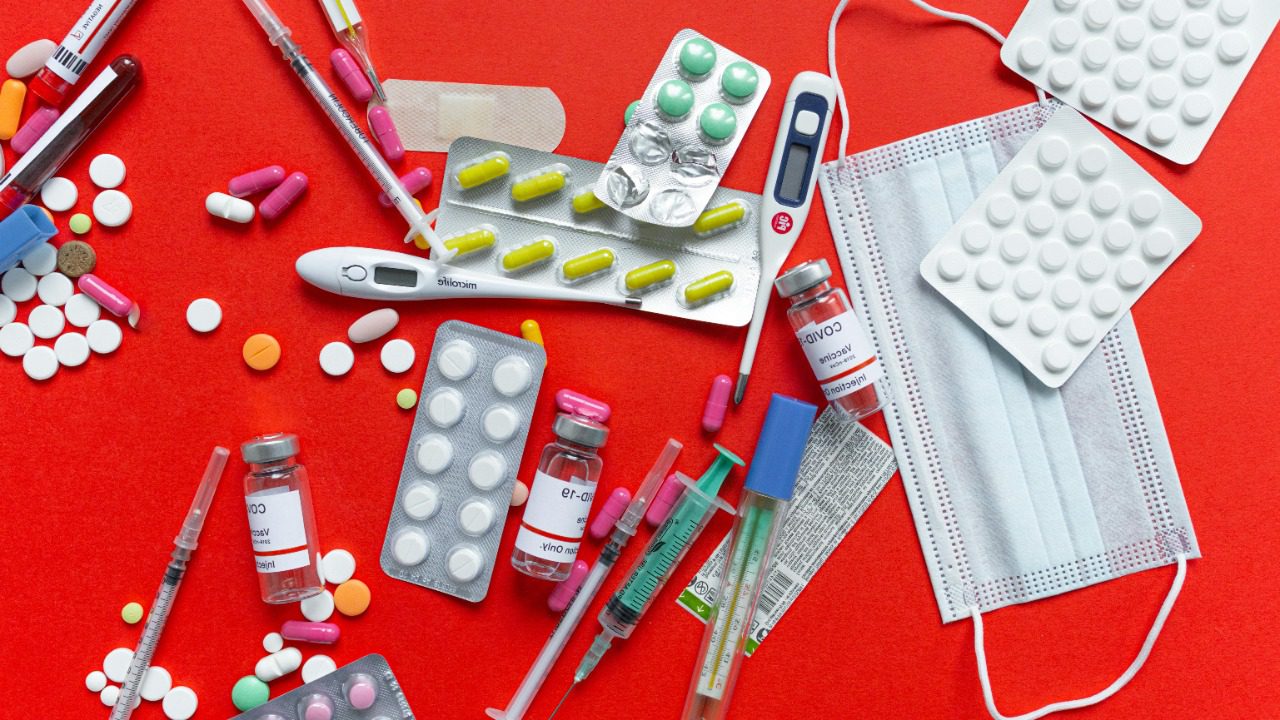
You might think that keeping medicines under your bed is convenient, especially if you need them during the night. However, medicines need to be stored in a cool, dry place to maintain their efficacy.
Plus, keeping medicines under your bed can pose a risk if small children or pets access them. Always store medicines in a designated medicine cabinet, out of reach of children and pets.
7. Pets

It might seem like a cozy spot for your pet to sleep, but under your bed is not the best place for them. Pets shed hair and dander, which can accumulate under your bed and affect your air quality.
Furthermore, you may accidentally harm your pet by dropping something heavy on them or rolling over them in your sleep. Instead, provide your pet with a comfortable bed of their own in a safe spot.
8. Moist or Damp Items
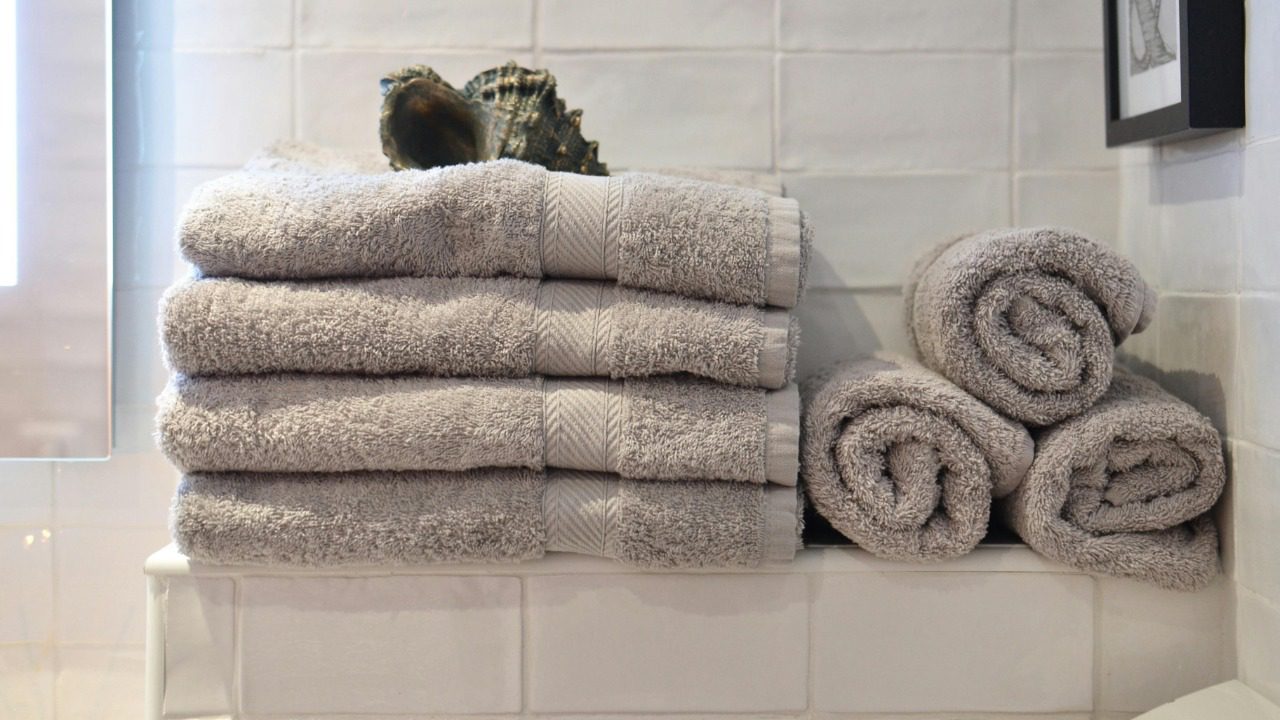
Storing damp items such as towels, bathing suits, or gym clothes under your bed can lead to mold and mildew growth. This can cause respiratory issues and damage your belongings.
Always make sure items are thoroughly dry before storing them. If you need to store these items in your bedroom, consider using a sealed, moisture-proof container.
9. Important Documents

While it might seem like a safe and out-of-sight place, storing important documents under your bed is not advisable. They can easily get damaged by moisture, pests, or accidental spills.
Instead, keep important documents in a fireproof and waterproof safe or a dedicated filing system. This will not only protect them but also keep them organized and easily accessible when you need them.
10. Heirlooms and Valuables

Storing valuable items or heirlooms under your bed might seem like a good way to keep them safe, but it’s not the best idea. These items can get damaged by dust, moisture, or accidental knocks.
Consider investing in a safe or renting a safe deposit box for high-value items. For heirlooms and keepsakes, consider a display case or shadow box where they can be enjoyed and protected at the same time.