Saving money on everyday home expenses can feel challenging, but small changes really add up over time. I discovered that by cutting back on certain purchases, I was able to free up cash without sacrificing comfort or convenience.
The goal was simple: spend less on things I didn’t really need and save about $200 every month. It wasn’t about strict budgeting or deprivation, just smarter choices that made a noticeable difference in my monthly spending.
Bottled water
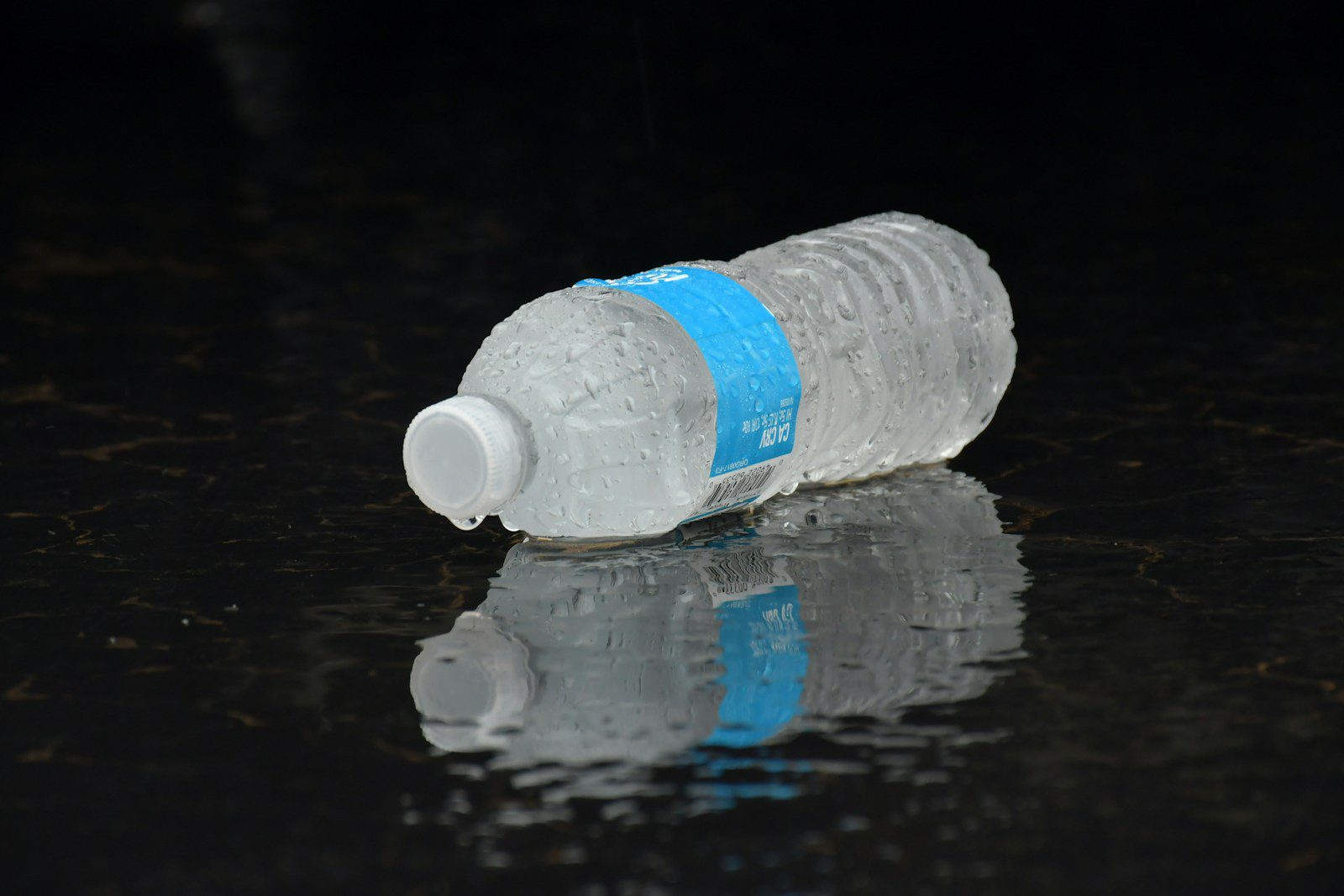
I used to buy bottled water all the time, thinking it was convenient. But the costs really added up—around $30 a month.
Once I invested in a reusable water bottle and a water filter, I stopped buying cases of water completely.
Not only did I save money, but I also felt better about cutting down on plastic waste. It was an easy change that made a noticeable difference in my budget.
For more details on this kind of saving, check out how others cut costs by quitting bottled water here.
Takeout coffee
I used to grab coffee from a cafe every single morning. It felt like a small treat, but those $3 to $5 cups added up fast.
Switching to making coffee at home saved me around $100 a month. Plus, I can customize my drink exactly how I like it.
Investing in a good coffee maker was a one-time cost that quickly paid off. Now I enjoy my coffee without the daily expense or the line.
This change alone made a big dent in my monthly spending and helped me feel more in control of my budget.
For more ideas on cutting costs, check out this article on stopping daily coffee runs.
Disposable paper towels
I stopped buying disposable paper towels years ago, and it’s made a noticeable difference in my budget. Instead, I use reusable cloth towels that I wash and reuse. They work just as well for cleaning up spills and messes.
Switching to these cloth alternatives cut down how much I throw away too. Plus, I don’t have to run to the store for paper towels all the time. You can find some great options like organic cotton un-paper towels that last a long time and feel sturdy.
This simple change saved me about $20 a month. More importantly, it’s less waste and fewer trips to restock. You can read more about zero waste alternatives to paper towels here.
Single-use plastic bags
I stopped buying single-use plastic bags a while ago, and it made a noticeable difference. Instead, I keep reusable cloth bags in my car and by the door so I don’t forget them when shopping.
These bags are sturdy and easy to wash, so they last for years. Plus, I don’t have to pay for plastic bags anymore, which adds up to real savings.
Switching to reusable bags is a simple habit that cuts down on waste and saves money at the same time. It’s a small change that feels good every time I shop.
For tips on ditching plastic bags, this guide on switching to reusable grocery bags is helpful.
Scented candles
I used to love buying scented candles because they made my home smell nice and felt cozy. But I realized they were pretty expensive and didn’t last as long as I thought.
Many candles are made from paraffin, which comes from petroleum. That didn’t sit right with me because I want to be more eco-friendly.
Switching to alternatives like wax melts or diffusers saved me money and reduced clutter. Plus, now I avoid the extra chemicals in some scented candles that can affect indoor air quality.
Cutting out scented candles helped me save around $200 a month overall. If you want to learn more, check out reasons to stop buying candles and scent plug-ins.
Pre-packaged salads
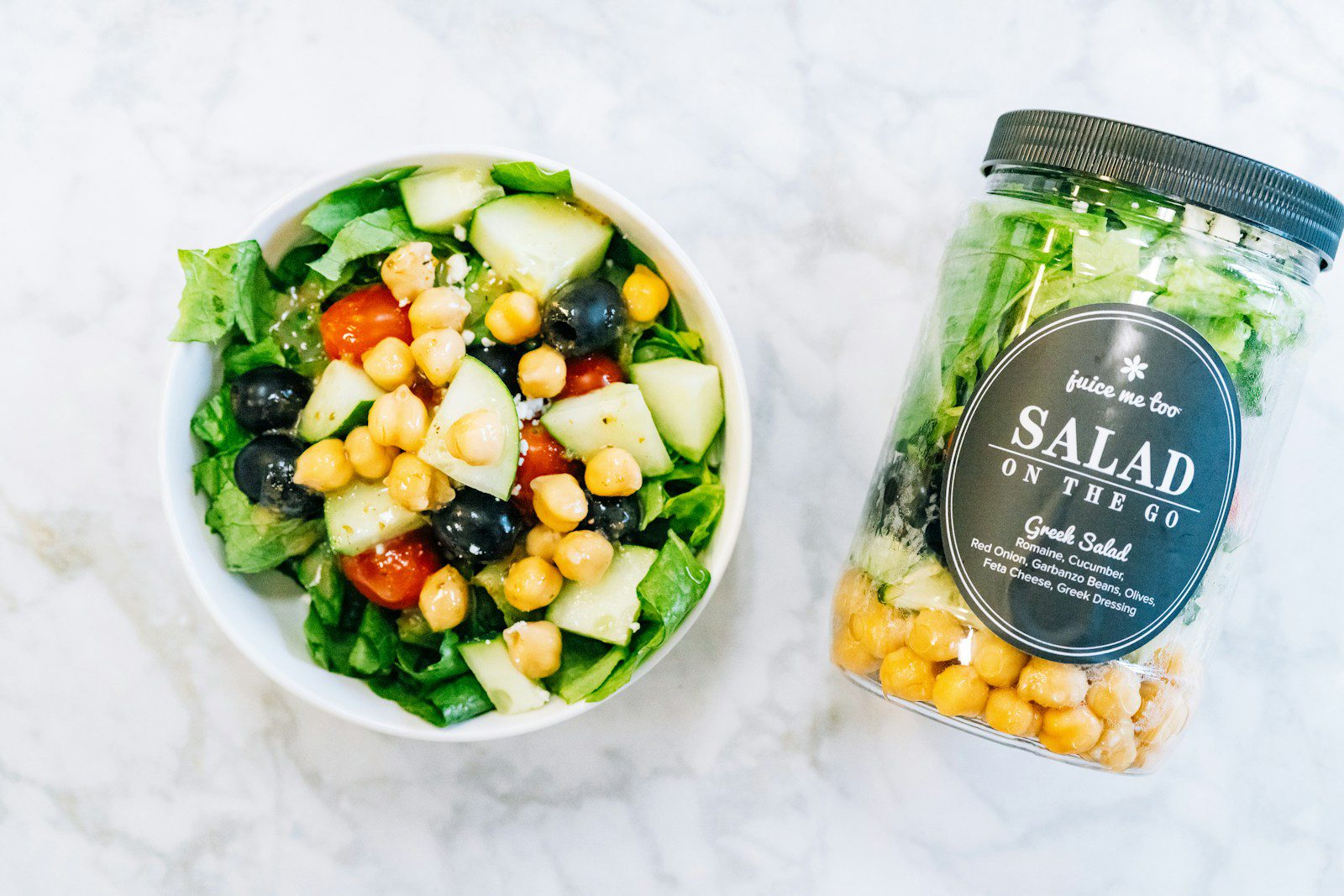
I used to buy pre-packaged salads all the time because they were easy and convenient. But I noticed they were pricey compared to buying fresh greens and other ingredients separately.
The quality sometimes felt lower, and I worried about preservatives and added sodium. Washing and preparing my own salad takes a bit more time, but it saves me money and feels fresher.
Cutting out pre-packaged salads helped me save about $20 a month. Plus, I get to customize my greens and toppings exactly how I like them. You can read more about this in this guide to pre-packaged salads.
Store-bought salad dressings
I used to buy bottled salad dressings all the time because they were easy and convenient. But then I realized many of them contain unhealthy oils, added sugars, and preservatives. Cutting them out saved me money and helped me avoid extra calories and sodium.
Now, I make my own dressings with simple ingredients like olive oil, vinegar, and herbs. It’s cheaper and tastes way better. Plus, I can control what goes into it without all the junk found in store-bought options. Making my own salad dressing became a small change with a big impact.
For ideas, check out healthy homemade salad dressing tips.
Ice cubes from the store
I used to buy bags of ice cubes regularly, thinking it was more convenient. Over time, I realized it was a small but unnecessary expense that added up.
Now, I just fill my ice trays at home. It takes a bit more time, but it saves me money every month.
Plus, making my own ice means I avoid excess plastic waste from store-bought bags. It’s a simple change that fits easily into my routine.
If you want to cut costs without much effort, skipping store-bought ice cubes is an easy win. For more practical tips, check out ways people stopped buying certain items to save money.
Paper napkins
I stopped buying paper napkins a few years ago and switched to cloth ones. At first, I wasn’t sure if it would be a hassle, but it turned out to be pretty easy.
Using reusable napkins saved me money because I no longer needed to restock constantly. Plus, it feels better knowing I’m wasting less.
I keep a small stash in my kitchen, and my family uses them daily without any issues. It’s one simple change that made a noticeable difference.
For more on ditching paper napkins, check out this article about quitting paper napkins for good.
Ready-made frozen meals
I used to rely on ready-made frozen meals for quick dinners, but they quickly added up in cost. These meals are convenient but often expensive compared to cooking from scratch.
I started making simple meals at home instead, which saved me around $30 a week. Plus, I could control what went into my food, avoiding unhealthy additives found in many frozen dinners. Cutting out frozen meals was a small change but made a noticeable difference in my monthly budget.
You can find more about why frozen meals might not be the best choice in this article about unhealthiest frozen dinners to avoid.