Some houses are objectively full of stuff and still manage to look calm. Others have relatively little in them and still feel chaotic the second you walk in. The difference usually isn’t the amount of stuff at all — it’s a handful of specific visual habits that make a space read as messier than it actually is, even right after you’ve cleaned it.
The frustrating part is that these are rarely the things you’d think to fix first. They’re small, easy to dismiss as “not that bad,” and yet they’re doing more visual damage than the actual mess hiding in your closets. Here are ten of the biggest offenders.
Mismatched Storage Bins and Baskets
Storage is supposed to make a space look more organized, but a shelf full of bins in five different colors, materials, and sizes reads as visually busy no matter how neatly the contents are sorted inside them. Your eye can’t tell it’s organized because it’s too busy processing the mismatch. Sticking to one or two coordinating bin styles per area — even if that means slowly replacing what you have rather than buying it all at once — makes a shelf look intentional instead of thrown together.
The Mail and Paper Pile
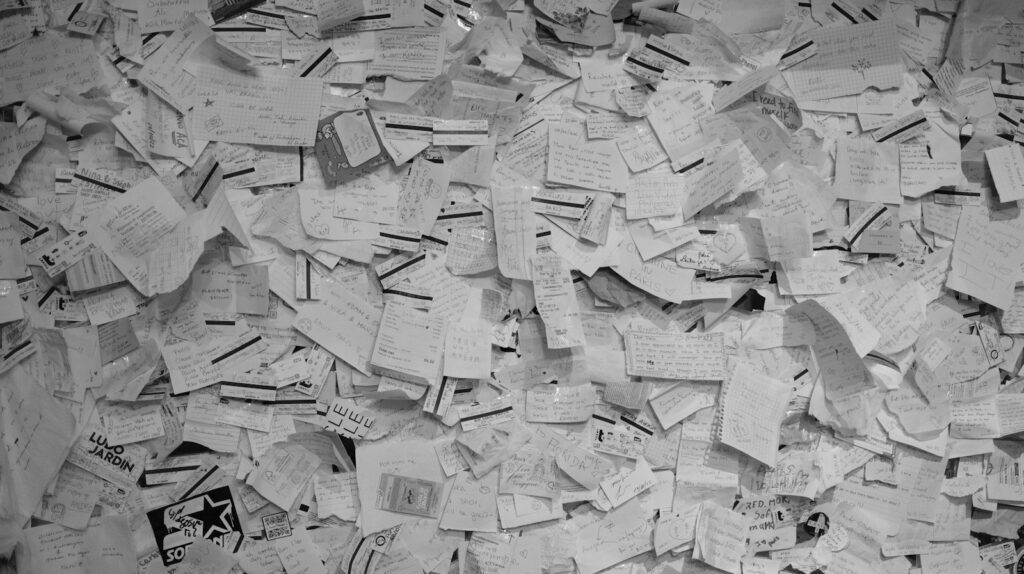
A stack of mail, permission slips, and takeout menus on the counter is one of the fastest ways to make an otherwise clean kitchen look like a disaster, because paper edges and different sizes create visual chaos even in a small stack. It also tends to grow daily, since it’s easier to add to a pile than to sort through one. A dedicated landing spot with an actual sorting system — recycle, action needed, file — keeps it from becoming the first thing anyone notices when they walk in.
Shoes by the Front Door
A small pile of shoes seems harmless, but shoes are irregularly shaped, come in different colors, and multiply fast in a house with more than one person, which makes even a tidy entryway look cluttered at a glance. A shoe rack, bench with a shelf underneath, or even a simple tray corrals them into one shape instead of a scattered pile, and it takes the guesswork out of where they’re supposed to go, which means they’re more likely to actually end up there.
Visible Cords and Chargers
Cords snaking across a side table or draped over furniture create a tangled, unfinished look even in a room that’s otherwise tidy, because the eye reads a loose cord as an incomplete task. This is especially noticeable around entertainment centers and home offices where multiple devices charge at once. Cord clips, a cable box, or simply routing cords behind furniture rather than across visible surfaces removes one of the most disproportionately messy-looking details in a room.
Too Many Decorative Pillows and Throws
A few pillows and a throw blanket make a couch look inviting; a dozen pillows in six patterns and three blankets draped in different directions make the same couch look like it’s drowning. This is one of those cases where more styling actually reads as less put-together. Editing down to a handful of pieces that share a color palette, and folding or storing the rest, makes a living room look considered rather than overstuffed.
A Cluttered Fridge Front
Magnets, kids’ artwork, save-the-dates, and a dozen takeout menus turn a fridge door into visual static that’s often the focal point of the entire kitchen simply because it’s large and at eye level. It’s also one of those spots that accumulates without anyone really deciding to put anything there. Keeping just a few current, meaningful items — this week’s schedule, one piece of art — and rotating out the rest keeps the fridge from competing with the rest of the room for attention.
Overflowing Laundry Baskets
A laundry basket that’s always at least half full, sitting in a hallway or bedroom corner, becomes a permanent visual reminder of an unfinished task, and it’s rarely styled to look good the way other furniture is. Even clean laundry waiting to be folded reads as mess to the eye. Committing to a smaller basket that forces more frequent laundry days, or simply relocating the basket somewhere less visible until it’s dealt with, keeps this from becoming a fixture in your line of sight.
Small Appliances Left Out on the Counter
A toaster, coffee maker, blender, and air fryer all living permanently on the counter fill up visual real estate fast, even when the counter itself is clean underneath them. Kitchens with the most counter space visible tend to read as the most put-together, regardless of square footage. Storing anything used less than a few times a week in a cabinet, and keeping only the true daily essentials out, makes a huge visual difference without requiring any actual decluttering of the appliances themselves.
A Wall of Mismatched Frames
A gallery wall can look curated or chaotic depending almost entirely on whether the frames share some kind of common thread — color, size, or spacing — and a wall of frames collected over the years with no unifying element tends to read as cluttered even when the photos themselves are meaningful. Research on visual attention has found that busy, disorganized visual fields make it measurably harder for the brain to process a scene, which is part of why an unstructured gallery wall can feel more tiring to look at than a tidy one. Grouping frames by color or swapping mismatched ones for a consistent set solves this without taking a single photo down.
Open Shelving With Too Much on It
Open shelves look great in photos because they’re deliberately styled with negative space between objects, but in real life they tend to fill up with everyday items that were never meant to be on display, from mismatched mugs to half-used candles. The more that’s crammed onto an open shelf, the more cluttered the whole wall looks, regardless of how tidy the rest of the room is. Treating open shelving like a display rather than storage — leaving visible gaps and moving overflow behind a closed door — keeps it functioning the way it was designed to.