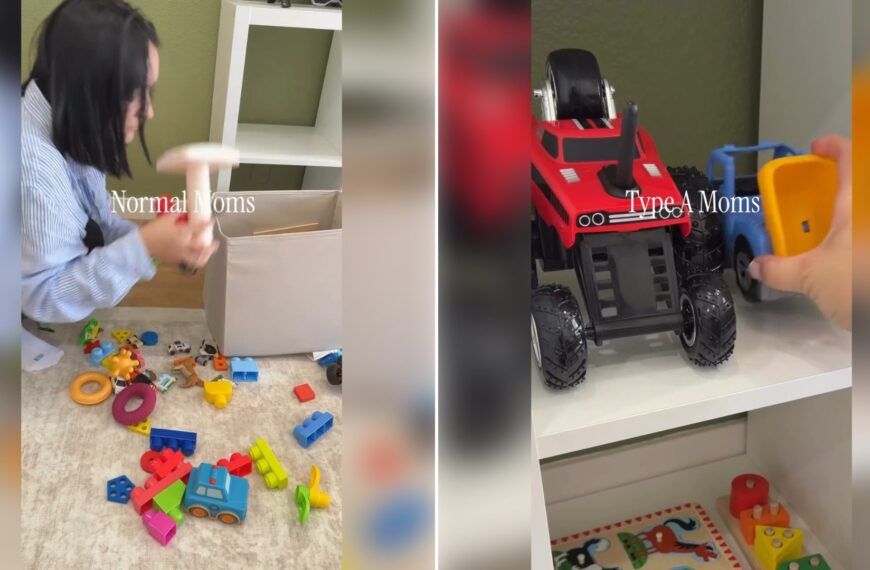
Each new season is a chance to reset your home and your parenting habits. By regularly tossing what no longer serves your family, you clear space for routines that actually support your kids’ growth. Use this list as a practical, once-a-season checklist so your home, schedule, and mindset stay aligned with what your children need right now, not what made sense years ago.
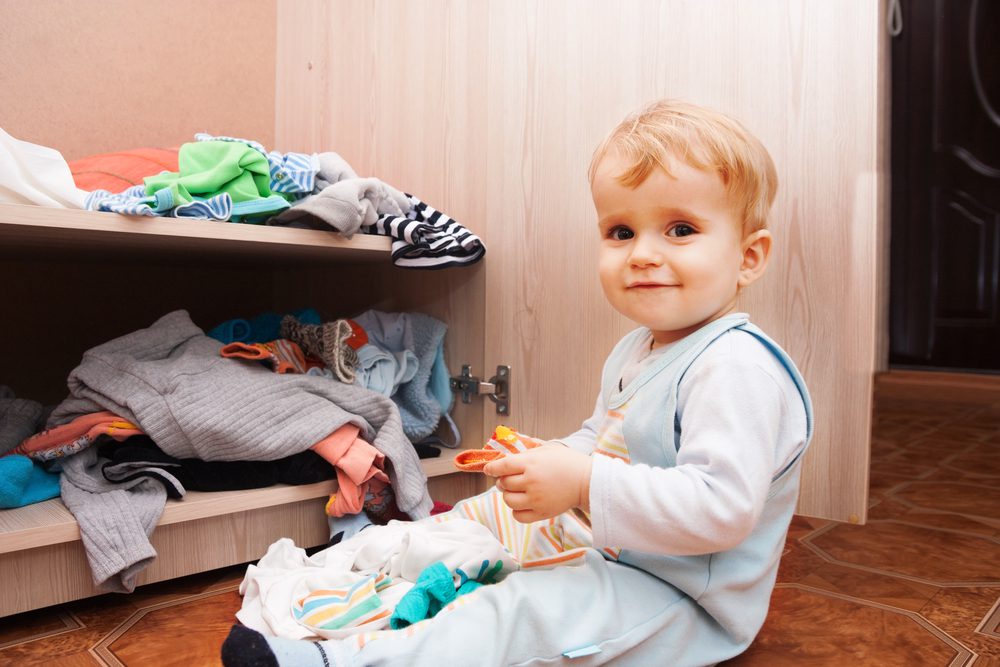
1) Outgrown clothes that no longer fit or feel good
Outgrown clothes are the easiest seasonal clutter to ignore, yet they quietly drain time and energy. When drawers are packed with shirts that ride up and jeans that pinch, your child’s morning routine slows down and power struggles spike. A seasonal sweep of every dresser and closet, including off-season storage bins, helps you see what actually fits and what needs to go. You can donate gently used items, pass them to younger cousins, or sell special pieces, but the key is getting them out of circulation so your child is not choosing from clothes that are already a “no.”
Clearing these items also supports your role as a calm, consistent parent. Experts who focus on how to be a good parent emphasize that kids thrive when daily routines are predictable and low friction. A streamlined wardrobe makes it easier to offer simple choices, like two weather-appropriate outfits, instead of a chaotic closet that invites arguments. Over time, that small shift protects your mornings, reduces decision fatigue for everyone, and models a healthy, non-hoarding relationship with stuff.
2) Worn-out shoes and boots with no support
Worn-out shoes and boots deserve a hard look every season, especially for growing kids. Soles that are smooth, cracked, or uneven can affect balance and comfort, and once a sneaker or rain boot is leaking, it is no longer doing its job. Line up every pair by the door and check for holes, separating soles, and frayed laces. If your child has to curl their toes to keep a shoe on, or you can see their heel hanging off the back, it is time to toss or recycle that pair and note the gap before the next sports season or weather shift.
Letting go of these items also reinforces that your home is built around function, not “just in case” clutter. Professional organizers who urge families to release just-in-case items point out that keeping broken or ill-fitting gear often masks the real need, which is a properly sized replacement. When you clear the dead weight, you can see exactly which shoes your child actually wears, which supports better budgeting and fewer last-minute scrambles before a field trip, soccer game, or first snowstorm.
3) Expired snacks and mystery food from kids’ spaces
Expired snacks and forgotten food tend to collect wherever kids spend time, from backpacks and bedroom desks to the back of the minivan. Each season, empty lunch boxes, check under beds, and clear out the pantry shelf your child can reach. Toss anything past its expiration date, packages that are open and stale, and “mystery” items with no label. This quick purge protects your child from eating something that might upset their stomach and keeps pests from turning those corners into a buffet.
There is also a behavioral payoff. When kids can see a small, organized selection of current snacks, they are more likely to make reasonable choices and less likely to beg for takeout because “there is nothing to eat.” That supports the kind of steady, responsive caregiving experts describe when they talk about being emotionally available and consistent. A tidy snack zone makes it easier to set boundaries, like one treat after school, and to follow through without getting derailed by clutter or confusion about what is actually on hand.
4) Broken toys and games with missing pieces
Broken toys and incomplete games quietly sabotage playtime. A puzzle missing key pieces or a board game without its dice rarely gets used, yet it still takes up space in your child’s room or play area. Once a season, sit with your child and test each toy: does it still work, is it safe, and can it be used as intended? If a toy car has sharp edges, a doll is beyond repair, or a game cannot be played by the rules because half the cards are gone, it belongs in the trash or recycling, not on the shelf.
Involving your child in this process teaches decision-making and respect for their belongings. You can talk through why something is leaving, what might replace it, or whether that category of toy still fits their age and interests. This kind of collaborative decluttering aligns with guidance that highlights connection and clear expectations as pillars of effective parenting. By curating a smaller set of working, age-appropriate toys, you make it easier for your child to focus, play creatively, and clean up independently, which benefits the whole household.
5) “Just-in-case” kids’ gear you never actually use
“Just-in-case” kids’ gear often hides in closets and garages for years, from spare strollers to duplicate lunch boxes and extra water bottles. Each season, ask yourself whether each item has been used in the last few months and whether it has a specific, realistic role in the coming season. If you have three nearly identical backpacks but your child only ever reaches for one, or a travel crib your family has outgrown, it is time to donate, sell, or responsibly dispose of the extras so they stop eating up storage space.
Letting go of these backups can feel risky at first, but it actually supports more intentional parenting. When you are not wading through piles of “maybe someday” gear, it is easier to see what your child truly needs and to respond thoughtfully instead of reactively. That clarity can reduce impulse purchases, free up room for items that match your child’s current stage, and lower the background stress that comes from overstuffed closets. Over time, you model that your family values usefulness and presence over stockpiling.
6) Old school papers and artwork without lasting meaning
Old school papers and artwork can multiply quickly, especially during busy semesters. While some pieces are worth saving, many are simple worksheets, scribbles, or duplicates that do not carry lasting meaning. Once a season, sort through backpacks, folders, and the pile on the kitchen counter with your child. Keep a small selection of truly special items, like a first full sentence or a drawing that reflects a big milestone, and recycle the rest. A dedicated bin or portfolio helps contain what you keep so it does not spill into every room.
This practice respects your child’s effort without turning your home into an archive. You can even take photos of larger projects before letting them go, which preserves the memory without the bulk. By making these decisions together, you show your child how to balance sentiment with practicality, a skill that will matter as they manage their own spaces later. It also keeps surfaces clear enough for current homework and creativity, reinforcing that your home is set up for who your child is now, not only who they were last year.
7) Outdated sports equipment and safety gear
Outdated sports equipment and safety gear can give a false sense of security. Helmets with visible cracks, bike pads with worn straps, or life jackets that no longer fit should not carry over from one season to the next. At the start of each sports cycle, inspect every piece: does the helmet sit level and snug, are buckles intact, and is the size still appropriate for your child’s height and weight? If not, retire the item immediately and plan for a replacement before practices or outings begin.
Keeping this gear current is about more than clutter, it is about safety and trust. When you insist on functional, properly sized equipment, you send a clear message that your child’s well-being is non-negotiable. That consistency mirrors broader parenting advice that stresses following through on safety rules, even when it is inconvenient. It also prevents last-minute panic when a coach or camp requires specific gear, since you will already know what needs updating and can budget or borrow accordingly.
8) Digital clutter on kids’ tablets and phones
Digital clutter on kids’ tablets and phones builds up as quickly as physical clutter. Games they no longer play, educational apps from earlier grades, and unused photo bursts all take up storage and make it harder for your child to find what they need. Each season, sit down together and review every app and folder. Delete anything that is no longer relevant, check privacy settings, and move essential tools, like school portals or reading apps, to the home screen so they are easy to access during homework time.
This regular reset supports healthier tech habits. When screens are organized and purposeful, it is easier to set limits and to distinguish between learning time and pure entertainment. You can also use the review to talk about which apps feel helpful and which tend to lead to arguments or meltdowns, then adjust accordingly. By treating digital spaces like any other part of the home that needs maintenance, you teach your child that technology is a tool to be managed, not a default background noise.
9) Stale routines that no longer fit your child’s age
Stale routines can be just as cluttered as overstuffed closets. Bedtimes, chore charts, and screen-time rules that worked for a preschooler may frustrate a middle schooler who needs more independence and different support. Once a season, step back and ask whether your daily schedule still matches your child’s age, temperament, and school demands. If mornings are always rushed or homework time ends in tears, that is a sign the routine needs to be cleared out and rebuilt, not simply enforced more strictly.
Parenting experts who focus on responsive caregiving emphasize that being a good parent involves adjusting as your child grows, not clinging to one “perfect” system. Updating routines shows your child that you see who they are now and are willing to collaborate on solutions. That might mean shifting bedtime by fifteen minutes, reassigning chores, or carving out a short daily check-in. These tweaks help your home run more smoothly and reinforce that rules exist to support the family’s well-being, not to create power struggles.
10) Guilt-driven commitments that crowd family time
Guilt-driven commitments, from overpacked activity schedules to volunteer roles you resent, can quietly erode family life. Each season, review your calendar and your child’s, looking for obligations that no longer align with your values or your child’s interests. If your evenings are a blur of rushed dinners in the car and late bedtimes, it may be time to drop an activity, say no to a new committee, or scale back on events that leave everyone drained. Clearing these commitments creates breathing room for unstructured play, rest, and genuine connection.
Letting go of these obligations can feel uncomfortable, but it directly supports your ability to show up as a present, emotionally available parent. When your schedule is less crowded, you have more bandwidth for listening, problem-solving, and simply enjoying your child’s company. That shift reinforces the idea that your family’s time and energy are finite resources worth protecting. Over time, choosing fewer, more meaningful commitments models healthy boundaries and teaches your child that it is acceptable to prioritize well-being over constant busyness.
More from Decluttering Mom: