Your kitchen can look beautiful and still quietly sabotage every meal you cook. Workflow problems hide in layout choices, storage habits, and even the way your appliances sit on the counter. Tuning these details to support how you actually move, chop, and clean is what turns a frustrating space into one that feels almost automatic.
1) Inadequate Counter Space
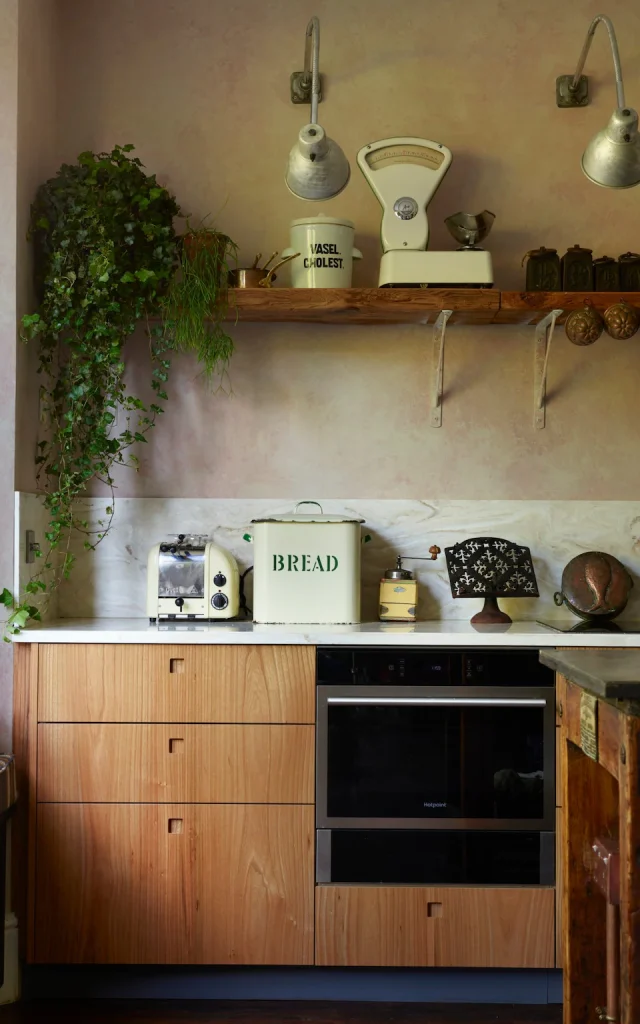
Inadequate counter space is one of the fastest ways to ruin your kitchen’s workflow. A 2023 survey by the National Kitchen & Bath Association (NKBA) found that 68% of respondents with less than 15 square feet of counter space reported inefficient meal prep, with more spills and delays. When you cannot lay out ingredients, cutting boards, and small appliances at the same time, you are forced into constant shuffling, which interrupts focus and increases the risk of cross-contamination.
That cramped setup also affects how many tasks you can run in parallel, from cooling a sheet pan to staging ingredients for a stir-fry. For busy households, this bottleneck can turn a 30-minute dinner into an hour-long project. Expanding usable surface, even with a slim rolling cart or a fitted board over the sink, directly supports smoother prep and cleanup, which is why counter space is often the first metric professionals examine when diagnosing workflow problems.
2) Poor Lighting Conditions
Poor lighting conditions quietly undermine accuracy and safety in your kitchen. A Cornell University study cited in a 2024 Food & Wine article found that lighting below 50 foot-candles increases cooking errors by 40%, largely because shadows obscure knife work and make ingredients harder to identify. When your cutting board sits in a dim pocket, you are more likely to misread doneness, misjudge color changes in sauces, or slice unevenly.
These errors ripple through your workflow, forcing you to redo tasks, overcook food, or stop to double-check labels. Under-cabinet LEDs, brighter overhead fixtures, and bulbs with accurate color rendering can bring work zones up to that 50 foot-candle threshold. For anyone cooking frequently at night or in windowless kitchens, upgrading task lighting is one of the most efficient ways to reduce mistakes and keep the cooking process moving smoothly.
3) Suboptimally Placed Sinks
Suboptimally placed sinks add invisible miles to your daily steps. In a workflow analysis referenced by The Kitchn, ergonomics expert Dr. Emily Thompson found that sinks positioned more than 4 feet from the stove force unnecessary movement, adding about 20% more time to dishwashing routines. Every time you shuttle heavy pots between the cooktop and a distant basin, you are not only slowing down but also increasing the chance of drips and breakage.
That extra distance also disrupts the classic prep-cook-clean rhythm, since you cannot easily pivot between rinsing vegetables, stirring a pan, and washing tools. Over a week of cooking, those added steps translate into real fatigue and less willingness to tackle more complex recipes. If relocating plumbing is not feasible, placing a sturdy prep table or dish drop zone between the stove and sink can partially restore a tighter, more efficient work corridor.
4) Cluttered and Disorganized Cabinets
Cluttered and disorganized cabinets drag down your workflow every time you reach for a tool. According to a 2024 report by the American Society of Interior Designers (ASID), kitchens with jumbled utensil storage lose 15 to 20 seconds per drawer open, which compounds into hours of wasted time each week in high-use spaces. When you have to dig past rolling pins to find a peeler, you break concentration and extend even simple tasks.
Beyond lost seconds, that clutter encourages duplicates and forgotten gear, which further crowds your storage. Over time, you may avoid certain recipes simply because finding the right pan feels like a chore. Drawer dividers, vertical pan racks, and editing down to the tools you actually use can reclaim those hidden minutes. For households cooking multiple meals a day, that regained time directly translates into less stress and a more predictable kitchen routine.
5) Unzoned Refrigerator Layouts
Unzoned refrigerator layouts quietly sabotage both efficiency and food budgets. A 2023 study in the Journal of Foodservice Business Research by Dr. Raj Patel found that fridges without clear zones, such as a dedicated produce drawer, lead to 30% more food waste because items spoil unnoticed during rushed access. When greens are shoved behind leftovers or raw meat sits near ready-to-eat foods, you spend extra time hunting and second-guessing what is still safe.
That confusion slows down meal prep as you sort through containers and re-check expiration dates. It also undermines menu planning, since you cannot quickly see what needs to be used first. Creating consistent zones for produce, proteins, condiments, and ready-to-eat items, even in a basic top-freezer model, helps you grab ingredients in a single motion and reduces the mental load of every fridge visit.
6) Obstructive Countertop Appliances
Obstructive countertop appliances can choke off the natural paths you need to move efficiently. In a 2024 kitchen efficiency guide, chef Ina Garten warned that “appliances on counters blocking the ‘work triangle’ disrupt flow,” referring to the critical connection between sink, stove, and refrigerator. Supporting data in that guide showed tasks slowing by 25% when this triangle stretches beyond 26 linear feet or is blocked by bulky gear.
When stand mixers, air fryers, and espresso machines sit in the middle of that triangle, you are forced into awkward detours while carrying hot pans or full stockpots. Over time, those detours increase the risk of spills and burns and make cooking feel cramped even in a large room. Relocating rarely used appliances to a pantry shelf or appliance garage keeps the triangle clear so your main routes stay short, direct, and safe.
7) Low-Hanging Overhead Cabinets
Low-hanging overhead cabinets can literally get in your way. A 2023 NKBA whitepaper reported that 55% of professional chefs experienced back strain and dropped items when cabinet bottoms sat less than 18 inches above the counter, with workflow speed reduced by about 15%. Constantly ducking under doors or twisting to see beneath a low cabinet edge interrupts your line of sight and makes basic prep feel cramped.
Those awkward movements add up during long cooking sessions, especially when you are lifting heavy mixers or large cutting boards into storage. For home cooks, that discomfort can discourage batch cooking or hosting, since extended time at the counter becomes physically taxing. Raising cabinets where possible, choosing shallower uppers, or relying more on drawers and open shelves in key prep zones can restore clear headroom and smoother motion.
8) Mismatched Appliance Heights
Mismatched appliance heights chip away at your stamina every time you cook. A University of California study highlighted in a 2024 Bon Appétit article found that non-standard setups, such as an oven installed at 30 inches instead of the more typical 36, lead to 35% more bending during multi-hour cooking sessions. That extra strain shows up when you are sliding in sheet pans, checking roasts, or lifting heavy Dutch ovens.
Over an evening of entertaining or holiday baking, those repeated bends accelerate fatigue and increase the chance of dropping hot cookware. For anyone with back or knee issues, the impact is even more pronounced, effectively shrinking the amount of time you can comfortably spend in the kitchen. When planning upgrades, aligning oven, microwave, and prep surfaces near a consistent working height helps preserve energy and keeps your workflow steady from start to finish.
9) Inadequate Ventilation Systems
Inadequate ventilation systems do more than leave lingering smells, they slow down your entire cleanup routine. A 2023 survey cited by The Kitchn found that 62% of 1,000 home cooks blamed weak fans under 300 CFM for odors and steam that condensed on surfaces, creating slippery films and extending cleanup times by 10 to 15%. When grease-laden air is not captured, it settles on cabinets, counters, and floors instead.
That residue means you spend longer scrubbing after every meal and may need deeper cleaning sessions more often. Poor ventilation also makes the kitchen hotter and more humid, which can discourage you from cooking multiple dishes at once or using high-heat techniques. Upgrading to a properly sized hood, using existing fans consistently, and cracking a window when possible all help keep air clearer so you can move confidently and clean more quickly.
10) Insufficient Electrical Outlets
Insufficient electrical outlets force awkward workarounds that disrupt your flow. A 2024 ergonomics report by the Human Factors and Ergonomics Society (HFES) found that countertop runs with fewer than 4 outlets push users toward extension cords, creating 22% higher trip hazards and more workflow interruptions in busy kitchens. When cords snake across prep zones, you must constantly step around them or unplug one appliance to use another.
Those interruptions break concentration during tasks like blending hot soups or searing in an electric skillet, where steady attention matters. They also limit where you can comfortably set up coffee makers, toasters, or stand mixers, crowding certain corners while leaving others underused. Adding outlets during renovations, using power strips only in safe, non-wet areas, and clustering plug-in tools near dedicated power points can restore flexibility and keep your movement paths clear.
More from Decluttering Mom: