I’ve learned that not everything we toss in the trash is allowed by law anymore. Some everyday items, which might seem harmless, actually have rules around their disposal. It’s important to know what you can’t just throw away to avoid fines and environmental harm.
Knowing which items are illegal to throw in the trash helps keep our communities safer and cleaner. I want to share some key examples so you can be confident about what to do with certain waste around your home.

Batteries
I avoid throwing batteries in the trash because they contain harmful metals like lead and cadmium. These chemicals can leak into the environment and cause damage over time.
Some batteries, especially lithium-ion types found in phones and laptops, can even catch fire if damaged. It’s safer to take them to a recycling center or an approved drop-off spot.
I’ve learned that many stores and community centers offer battery recycling. It’s a simple way to protect the environment and follow the rules about battery disposal battery disposal rules.
Paint cans
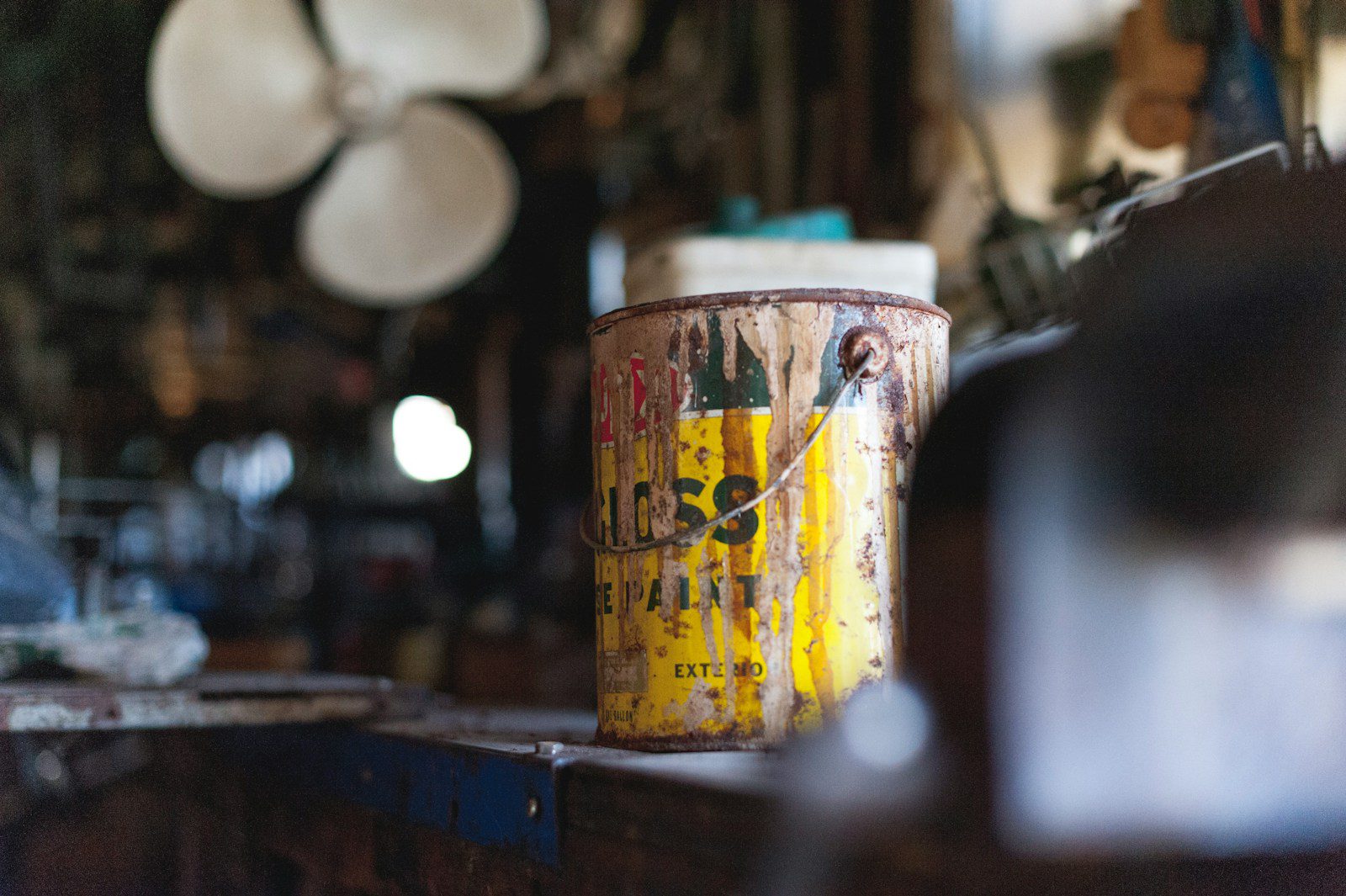
I’ve learned that you can’t just toss paint cans in the trash anymore. If the paint inside is still liquid, it’s considered hazardous waste, especially oil-based paint.
Latex paint must be completely dried out before disposal, with the lid removed so collectors can check it’s solid.
Empty aerosol cans need to be fully emptied before you recycle or dispose of them. Many communities have special collection days for hazardous waste, which is the safest way to get rid of old paint cans.
For more details, you can check out this paint can disposal guide.
Fluorescent light bulbs
I always make sure not to toss fluorescent light bulbs in the trash. These bulbs contain mercury, which can be harmful if released into the environment. It’s important to handle them carefully to avoid breaking and contaminating your home or local area.
When I have old fluorescent bulbs, I take them to a local recycling center or a home improvement store that accepts them. Many places offer special programs to dispose of these bulbs safely. It’s better to be cautious and protect both the environment and sanitation workers.
Throwing fluorescent bulbs in the trash is actually illegal in many areas because of the mercury content. So, I always recommend checking local rules and finding the safest recycling options. For more details, you can visit how to dispose of fluorescent bulbs safely.
Electronics (e-waste)
I’ve learned that tossing electronics in the regular trash is usually illegal in many places. Items like old TVs, computers, and cell phones contain harmful materials that can hurt the environment if not disposed of properly.
Instead, I take advantage of local e-waste recycling programs or stores like Best Buy that accept certain electronics. It’s a simple way to keep these items out of landfills and stay on the right side of the law. For more details, you can check out this guide on electronics recycling rules.
Motor oil
I never throw used motor oil in the trash because it’s illegal and harmful to the environment. Motor oil contains toxic chemicals that can contaminate soil and water if not disposed of properly.
Instead, I take my used oil to a local recycling center or participate in hazardous waste collection events. Many auto shops also accept used oil for safe disposal.
It’s a simple step that helps keep communities clean and avoids fines. If you want to learn more, see how to legally dispose of motor oil.
Pesticides and herbicides
I’ve learned that pesticides and herbicides are considered hazardous waste and can’t just be thrown in the trash. They contain chemicals that can harm the environment and sanitation workers if not handled properly.
Whenever possible, I try to use up small amounts as directed on the label or share excess with neighbors who might need them. If I have leftover amounts, I always look for certified disposal programs to safely get rid of them.
Proper disposal helps keep our soil and water clean, and prevents dangerous exposure to people and animals. For more details, you can check out guidelines on safe disposal of pesticides.
Tires
I’ve learned that you can’t just toss old tires in the trash anymore. They don’t break down easily and can cause environmental problems if not handled right.
Because tires trap gases, they can pose a fire risk in landfills. That’s why I always look for special recycling centers or programs that accept them.
It’s actually pretty simple once you know where to go. Many hardware stores or tire shops offer tire recycling, so I just drop mine off there instead of risking a fine.
If you want to know more about proper disposal methods, check out this guide on how to legally dispose of old tires.
Medical sharps
I learned that medical sharps, like needles and lancets, can’t just be tossed in the trash anymore. They need to go into special FDA-cleared sharps disposal containers to avoid injury.
I keep my used sharps in a puncture-proof container with a tight lid. It’s the safest way to protect myself and others from accidental needle sticks.
In many places, throwing full sharps containers in regular trash is illegal. I always check local rules or ask a pharmacist about proper disposal options nearby. More details are available in this guide to proper sharps disposal.
Aerosol cans
I’ve learned that aerosol cans can be tricky to throw away. If they still have product inside, it’s actually unsafe to put them in the trash. They can cause fires or release harmful chemicals if not handled correctly.
Empty aerosol cans usually need to be taken to special disposal sites or recycling centers. I always check local rules because regulations vary by area. Handling them carefully helps protect the environment and keeps everyone safe.
If the can is labeled “flammable” or “toxic,” I’m extra cautious and never toss it in the garbage unless it’s completely empty. Knowing this makes me feel more responsible about disposal.
You can read more about proper aerosol can disposal at legalclarity.org.
Propane tanks
I can’t just toss propane tanks in the trash anymore. They hold flammable gas that can be dangerous if damaged or compressed.
Even empty tanks might have leftover gas inside. This makes throwing them away risky because they can explode or catch fire.
Instead, I always take mine to a local hazardous waste facility or a propane dealer. They have safe ways to dispose of or recycle these tanks properly. For more info, check out guidelines on proper propane tank disposal.