Taking care of your home’s plumbing starts with knowing what shouldn’t go down your drains. Many common items can cause blockages, damage pipes, or create costly problems if disposed of incorrectly.
Knowing which things to avoid putting down your drain can save you time, money, and hassle. This article will help you recognize those items so you can keep your plumbing running smoothly.
Grease and cooking oil

You might think pouring grease or cooking oil down the drain is harmless since they start liquid. But once they cool, they solidify and stick to your pipes. This can cause blockages over time.
Instead, let the grease cool and harden in a container. Then dispose of it in the trash. This helps keep your pipes clear and prevents clogs.
Pasta and starchy foods
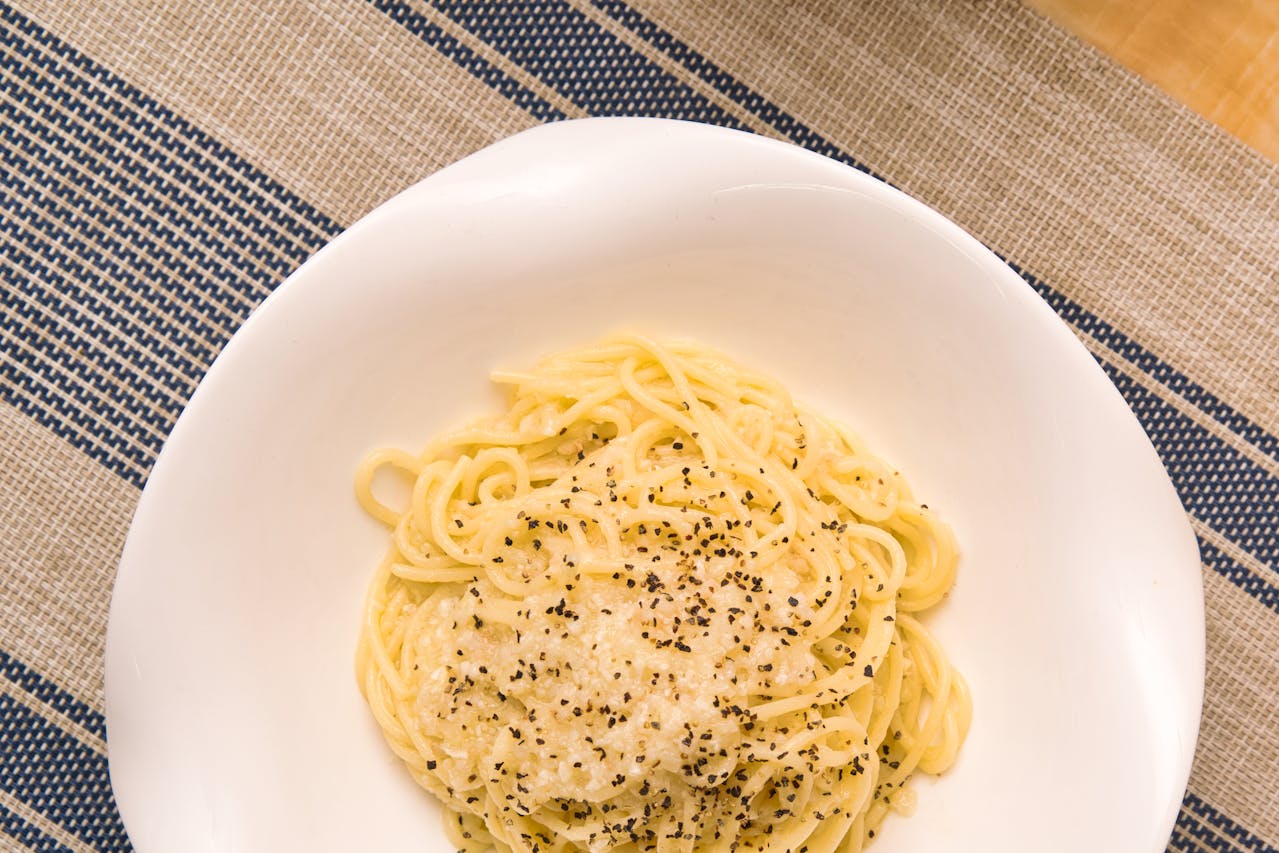
You should avoid putting pasta and other starchy foods like rice and potatoes down your drain. These foods can swell when wet and create a sticky paste that clogs your pipes.
Even small bits can cause issues by trapping other debris, making clogs more likely. It’s best to throw these foods in the trash instead of rinsing them away. This helps keep your plumbing running smoothly and avoids costly problems.
Flushable kitty litter

Even if a kitty litter package says it’s “flushable,” you should avoid putting it down your drain. Flushable litter can clump and absorb water, causing blockages in your pipes.
It may also carry harmful parasites that are unsafe for your plumbing and the environment. Instead, always bag your cat’s waste and throw it in the trash to keep your drains clear and working properly.
Paint and solvents

You should never pour paint or solvents down your drain. These substances can coat your pipes and cause clogs or damage over time.
Even “washable” paint can create buildup that affects your plumbing. Solvents and chemicals in these materials can also harm local water systems.
Instead, take leftover paint and solvents to a hazardous waste disposal site. This helps protect your pipes and the environment.
Fibrous vegetables like celery

You should avoid putting fibrous vegetables like celery down your drain. Their stringy fibers can easily wrap around the blades of your garbage disposal.
This can cause the disposal to jam or slow down. Other fibrous veggies, like asparagus and corn husks, can create the same problems. Instead, consider composting these items or throwing them in the trash to protect your plumbing.
Coffee grounds

You might think coffee grounds are harmless, but they can cause problems in your pipes. They don’t dissolve in water and tend to clump together.
When mixed with grease or oil, coffee grounds can form stubborn blockages. Instead of tossing them down the drain, try composting or using them in your garden. This keeps your plumbing happy and gives your plants a boost!
Paper towels and wipes

You should never put paper towels or wipes down your drain. Unlike toilet paper, they don’t break down easily and can cause blockages.
Even wipes labeled as “flushable” can expand and clog your pipes. It’s best to throw them in the trash to keep your plumbing clear.
Band-aids

You should never put Band-aids down your drain. They often contain plastic materials that don’t break down easily.
Because they are sticky, Band-aids can catch on the inside of pipes. Over time, this can lead to clogs and blockages.
Instead, throw them in the trash to keep your plumbing clear and running smoothly. It’s a small step that can save you from costly repairs.
Car fluids
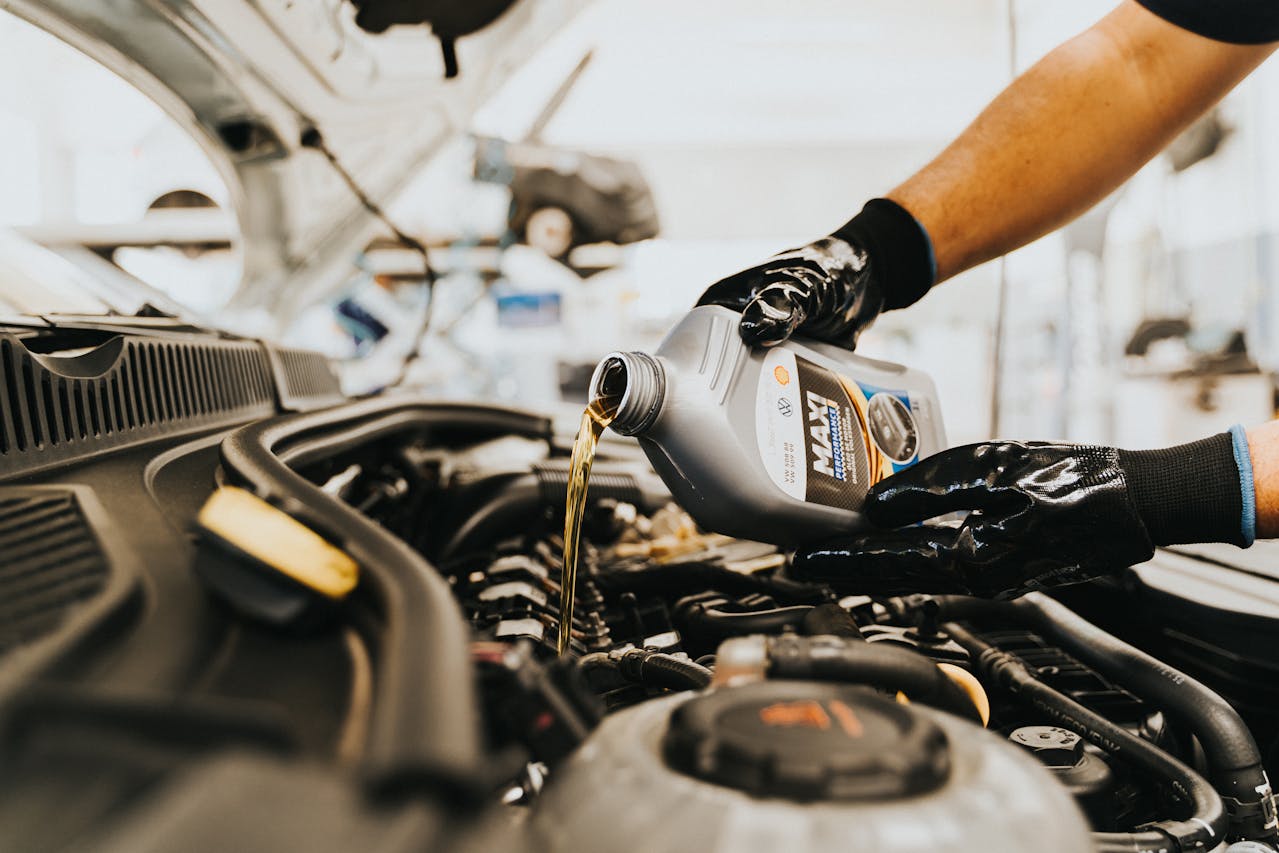
You should never pour car fluids like motor oil, antifreeze, or transmission fluid down your drain. These chemicals can damage your plumbing and harm the environment.
Even small amounts can contaminate water supplies and are difficult to treat at water plants. Always dispose of car fluids at a certified recycling center. Handling these fluids properly keeps your pipes safe and protects nature too.
Eggshells

You might think eggshells are harmless, but they can actually cause problems in your drain. Their hard, gritty texture can combine with other debris and lead to clogs.
Putting eggshells in your garbage disposal doesn’t sharpen the blades as some believe. Instead, it risks blockages over time. It’s better to toss eggshells into the compost or the trash. This keeps your pipes clear and your sink working smoothly.