When it comes to cleaning your floors, knowing what to avoid is just as important as knowing what to use. Many common cleaning products can actually do more harm than good, damaging your flooring and leading to costly repairs.
Making the right choices for floor cleaning can keep your home looking fresh and well-maintained. You’re likely using products you think are safe, but some might be detrimental to your surfaces.
1. Oil soaps
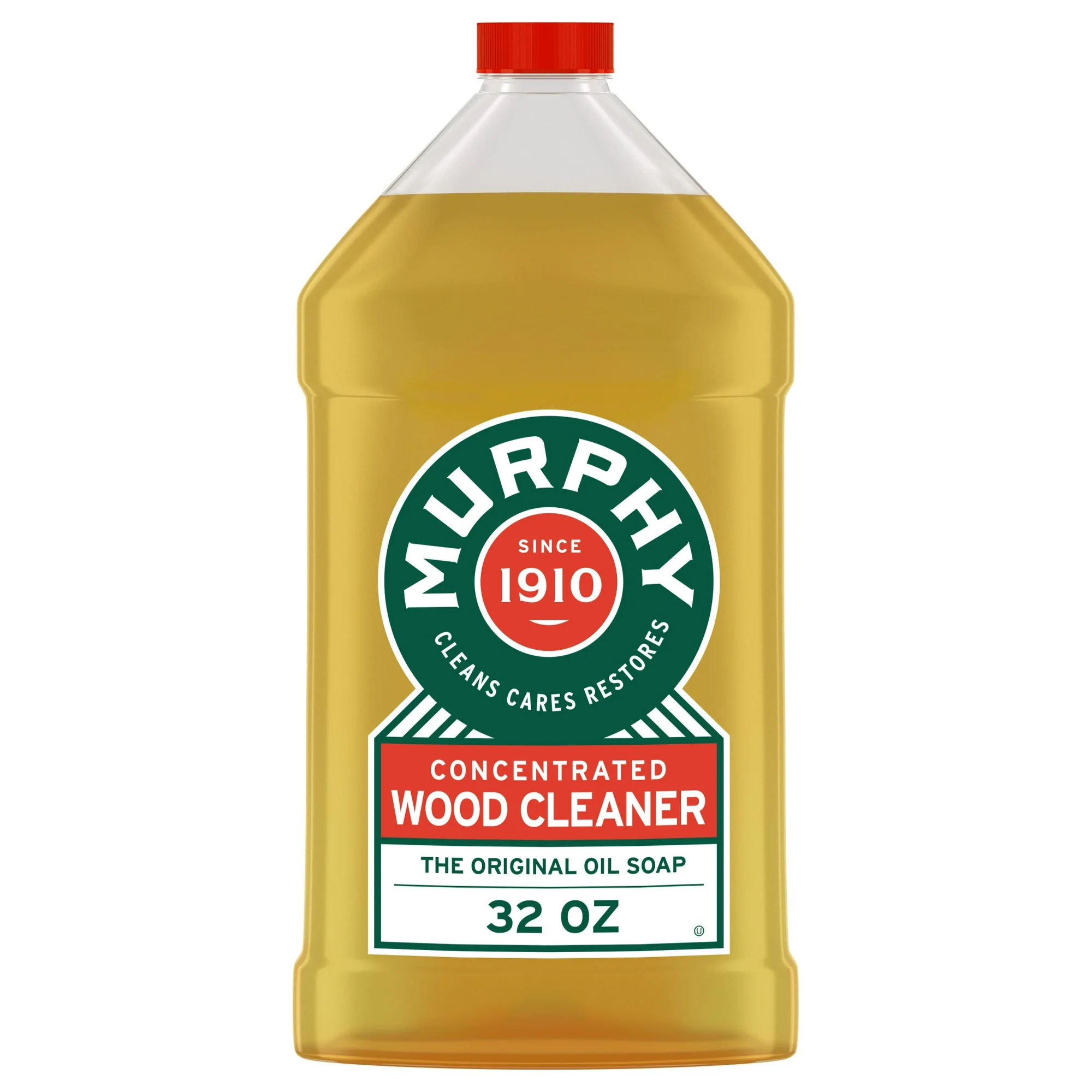
When cleaning your floors, you might think oil soaps are a good choice because they smell nice. However, they tend to leave a greasy residue that can build up over time.
Using oil soaps can dull your floor’s finish, making it look worn. Products like Murphy Oil Soap are often mentioned, but many users find they don’t clean effectively.
If you want to keep your floors looking great, opt for cleaner methods. Stick to products specifically designed for your flooring type to avoid any issues.
2. Steam cleaners

Steam cleaners might seem like a great option for keeping your floors tidy. However, they can cause damage if you’re not careful.
Don’t use steam cleaners on unsealed surfaces like hardwood or natural stone. The heat and moisture can warp or stain these materials.
Also, avoid them on water-based painted surfaces. The steam can seep in and ruin the finish. Stick to safer cleaning methods for these types of floors to keep them looking their best.
3. Ammonia-based cleaners

Using ammonia-based cleaners on your floors can be a bad idea. They may be tough on grime, but they can also harm certain surfaces, especially hardwood.
Ammonia is a harsh chemical that can strip the finish off your floors. This means you might end up with dull, damaged areas instead of a clean shine.
If you love a spotless floor, consider safer alternatives. Options like vinegar or gentle pH-neutral cleaners can achieve the same results without the risks.
4. Vinegar solutions

Using vinegar to clean your floors might seem like a good idea. It’s a natural option, but it can cause more harm than good, especially on certain surfaces.
If you have hardwood floors, vinegar can damage the finish. Manufacturers often warn against it, sometimes voiding warranties if vinegar is used.
Vinegar’s acidity can also ruin the surface of stone flooring. This includes materials like marble or travertine, leading to dull spots that are hard to fix. Stick to gentler cleaners for your floors.
5. Wet mops

Using wet mops on certain floor types can cause more harm than good. For instance, on hardwood or laminate floors, excess moisture can lead to warping and damage.
Instead of soaking the floor, opt for a damp mop. This keeps your floors cleaner without risking water damage.
If you’re using a wet mop, make sure to choose the right cleaning solution. Some products may leave sticky residues, especially on surfaces like waxed or oiled wood.
6. Abrasive scrub pads

When it comes to cleaning floors, you want to be gentle. Using abrasive scrub pads can scratch and damage your floor’s finish.
These pads might be tough on dirt, but they’re also rough on surfaces like wood and laminate.
If you want to keep your floors looking great, stick to softer materials for cleaning. Always read the label to ensure your cleaning products won’t cause damage.
7. Glass cleaner

Using glass cleaner on your floors might seem like a quick fix for shine, but it’s not a good idea. These cleaners often contain ammonia, which can damage certain floor finishes.
Instead of making your floors slippery, stick to products specifically designed for the type of flooring you have. A simple mix of water and vinegar can be a safer alternative for many surfaces. Keep your floors looking great by using the right cleaning solution.
8. Baking soda (in excess)

Baking soda can be useful, but using it in excess on your floors can cause problems. It’s alkaline nature means it can leave a residue that attracts dirt over time.
If you’re cleaning wood floors, it’s best to avoid using too much. Excess baking soda can dull the finish and lead to damage. For a safer approach, stick to using it sparingly or for spot treatments only.
9. Castile Soap

Using Castile soap on your floors might seem like a good idea, but it can lead to some issues. Its high mineral content may react poorly with hard water, leaving a sticky residue behind.
You might think it’s a natural option, but mixing it with other cleaners, especially acids like vinegar, can create an even bigger mess. Stick to simpler cleaning solutions that won’t leave your floors feeling grimy.
10. Wax polishes

Using wax polishes on floors can lead to unwanted buildup. This can make your floors look dull instead of shiny.
If your flooring isn’t designed for wax, like some laminates or prefinished hardwoods, it can cause damage over time.
Stick to products specifically recommended for your floor type. It’s always better to keep it simple and use the right cleaner for your surfaces.