You might not realize how many items you keep around that you rarely or never use. Holding onto things “just in case” can take up valuable space and add unnecessary clutter to your home.
Letting go of unused possessions can help you create a more organized and comfortable living environment. This article will help you identify some of the most common items that tend to stick around for no good reason.
Old electronics that no longer work or are outdated
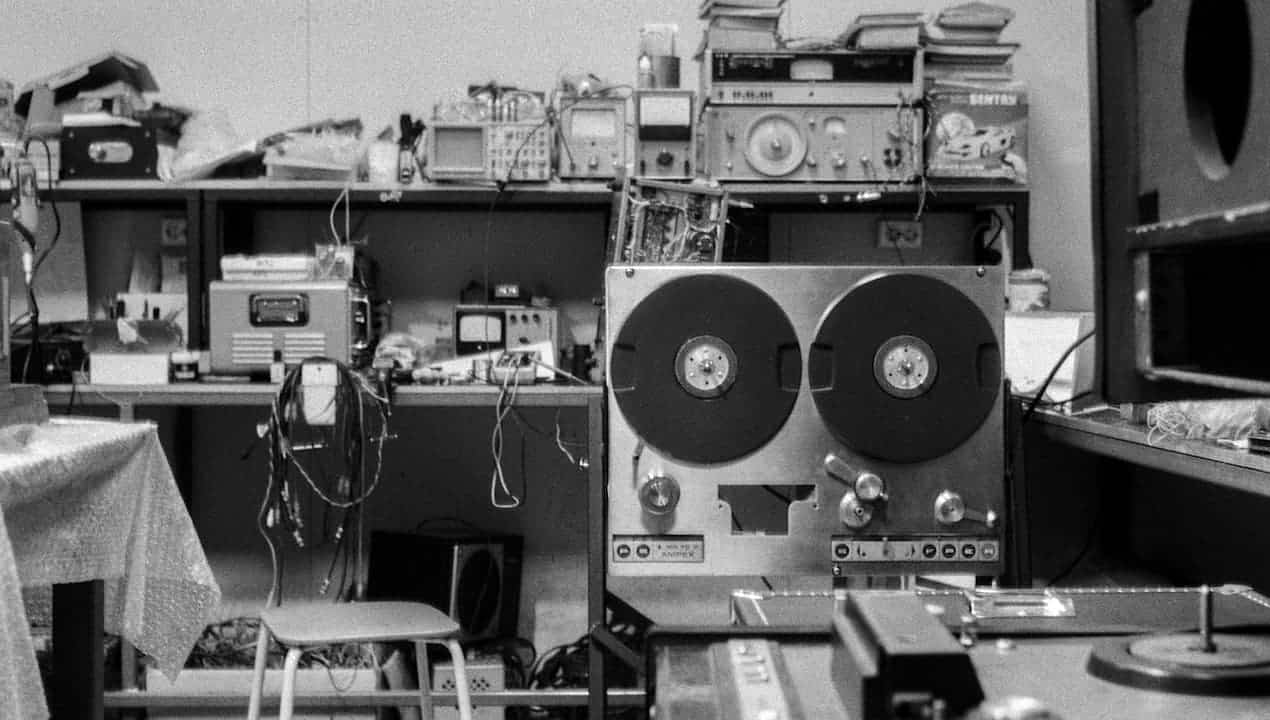
You might have old phones, laptops, or even gadgets that stopped working months ago. Holding onto them takes up space and often doesn’t bring any real value.
If the device is broken or too old to use, it’s best to recycle it. Many places accept e-waste, helping protect the environment while clearing your clutter.
Try to avoid keeping outdated electronics “just in case.” You probably won’t need them again, and recycling frees you to make room for things you use more.
Clothes you haven’t worn in over a year
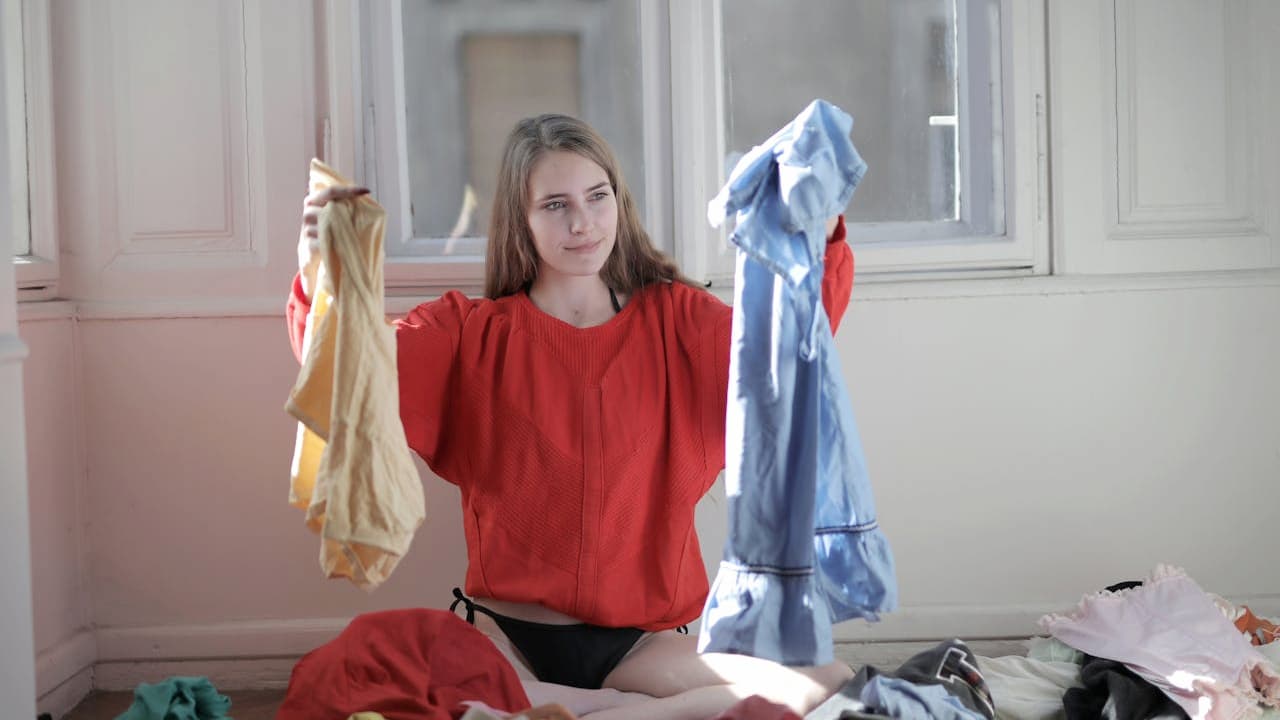
If you haven’t worn certain clothes in over a year, they’re likely not serving you. Keeping them can take up valuable space and make getting dressed more complicated.
You might feel attached to these items, but ask yourself if they fit your current lifestyle or style. If not, consider donating or selling them to clear your closet.
Creating a small donation bin nearby can help you easily separate clothes you no longer need. This habit makes letting go less overwhelming over time.
Unused kitchen gadgets gathering dust

You probably have a few kitchen gadgets you rarely use. Maybe that popcorn maker or the old blender has been sitting untouched for months.
Holding onto these items takes up valuable space and adds clutter.
If you haven’t used a gadget in over six months, it’s worth considering whether you really need it. Clearing them out can make your kitchen feel more open and organized.
Expired beauty products you kept just in case

You might be holding onto old foundation or dried mascara, thinking you may need them someday. But expired beauty products can harbor bacteria, which isn’t safe for your skin or eyes.
If a product looks or smells off, it’s time to toss it. Even unopened items lose effectiveness over time. Letting go of these will clear space and keep your routine fresh.
Books you never got around to reading

You might have a stack of books you bought with good intentions but never actually read. These books often take up space and add to clutter.
Holding onto them “just in case” can make it harder to create room for new experiences. Being honest with yourself about which books truly matter helps.
Consider donating or swapping them to share their value instead of letting them collect dust.
Duplicate tools or hardware you don’t need
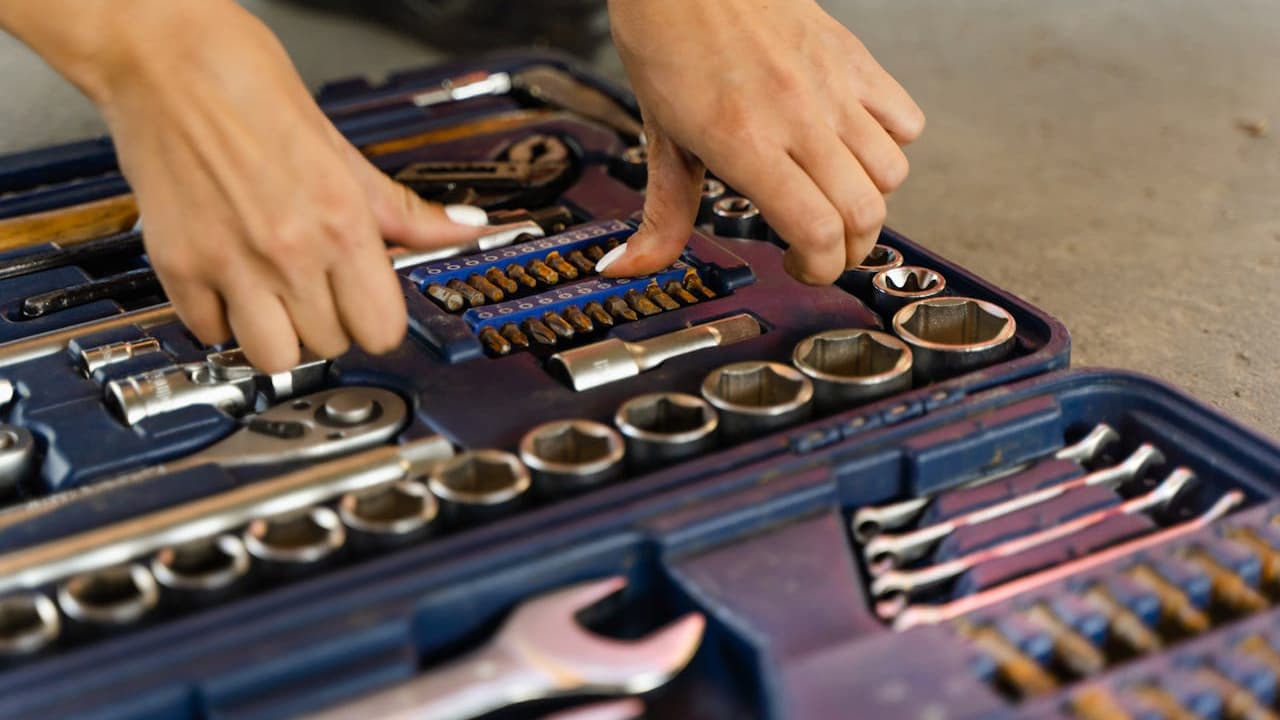
You probably have multiple screwdrivers, hammers, or wrenches that serve the same purpose. Keeping just one of each tool can save space and reduce clutter.
Extra hardware like screws, nails, or bolts often pile up, but you rarely need duplicates at once. Sort through your collection and keep only what you use regularly.
By letting go of duplicates, you make it easier to find the tools you need and keep your workspace tidy.
Sentimental items that don’t spark joy

You might have keepsakes that once felt meaningful but now just take up space. Holding onto these items out of obligation can weigh on you more than you realize.
If an object doesn’t make you smile or bring a positive feeling, it’s okay to let it go. Memories live in your mind, not in every gift or photo you keep.
Freeing yourself from these things can help you focus on what truly matters. You deserve a space filled with items that brighten your day.
Toys your kids have outgrown
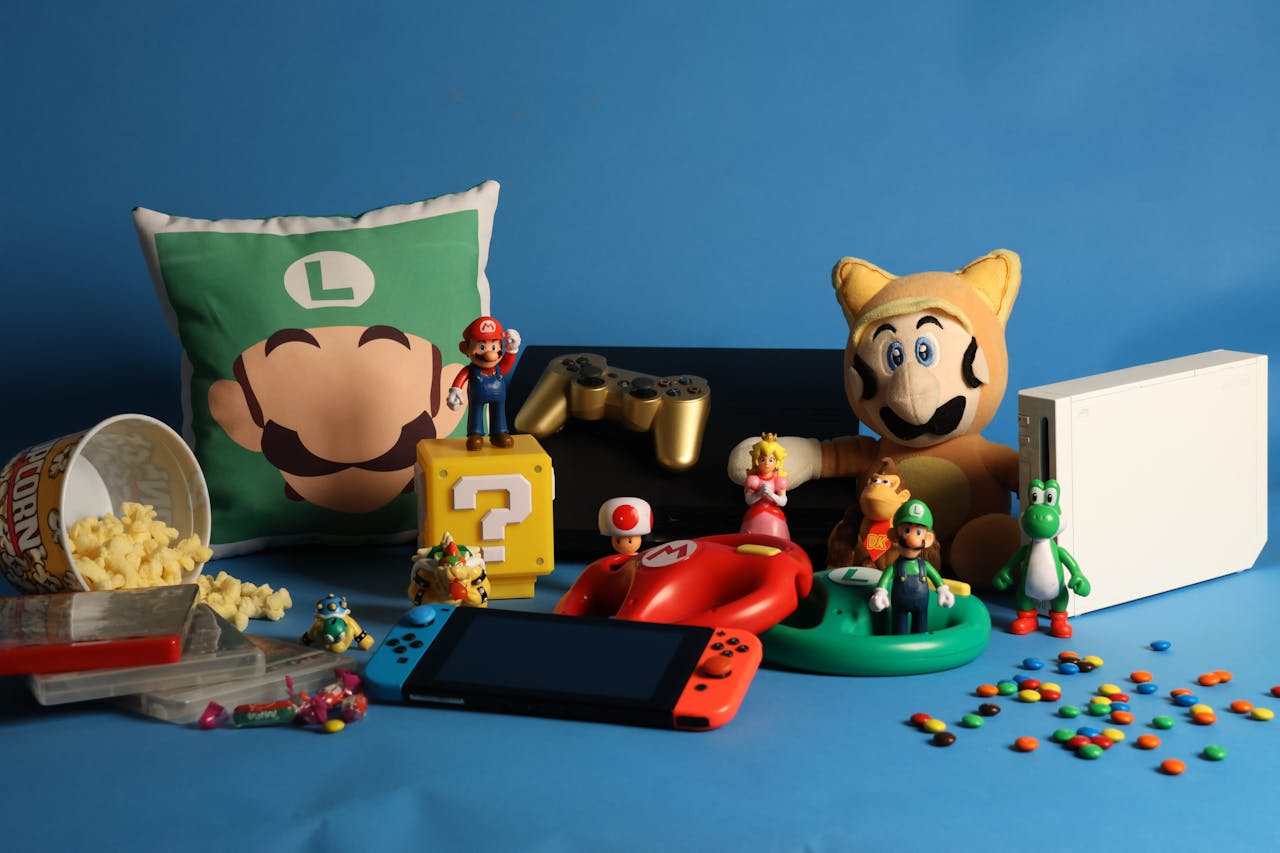
You likely have toys your kids no longer play with. These can take up a lot of space and add to household clutter.
It’s okay to let go of some toys, especially if your kids have moved on to new interests.
Try involving your children in choosing which toys to keep and which to donate or recycle. This can make the process easier for everyone.
Old paperwork or bills long past due

You probably don’t need to keep every bill once it’s paid. Utility bills can usually be tossed after payment clears, so they aren’t cluttering your space.
Tax documents and important financial papers should be kept for about seven years. After that, it’s generally safe to shred them.
Some papers, like home improvement receipts, you might want to hold onto longer if you own your home. Otherwise, old paperwork often just takes up room without any use.
Unused gym equipment collecting rust
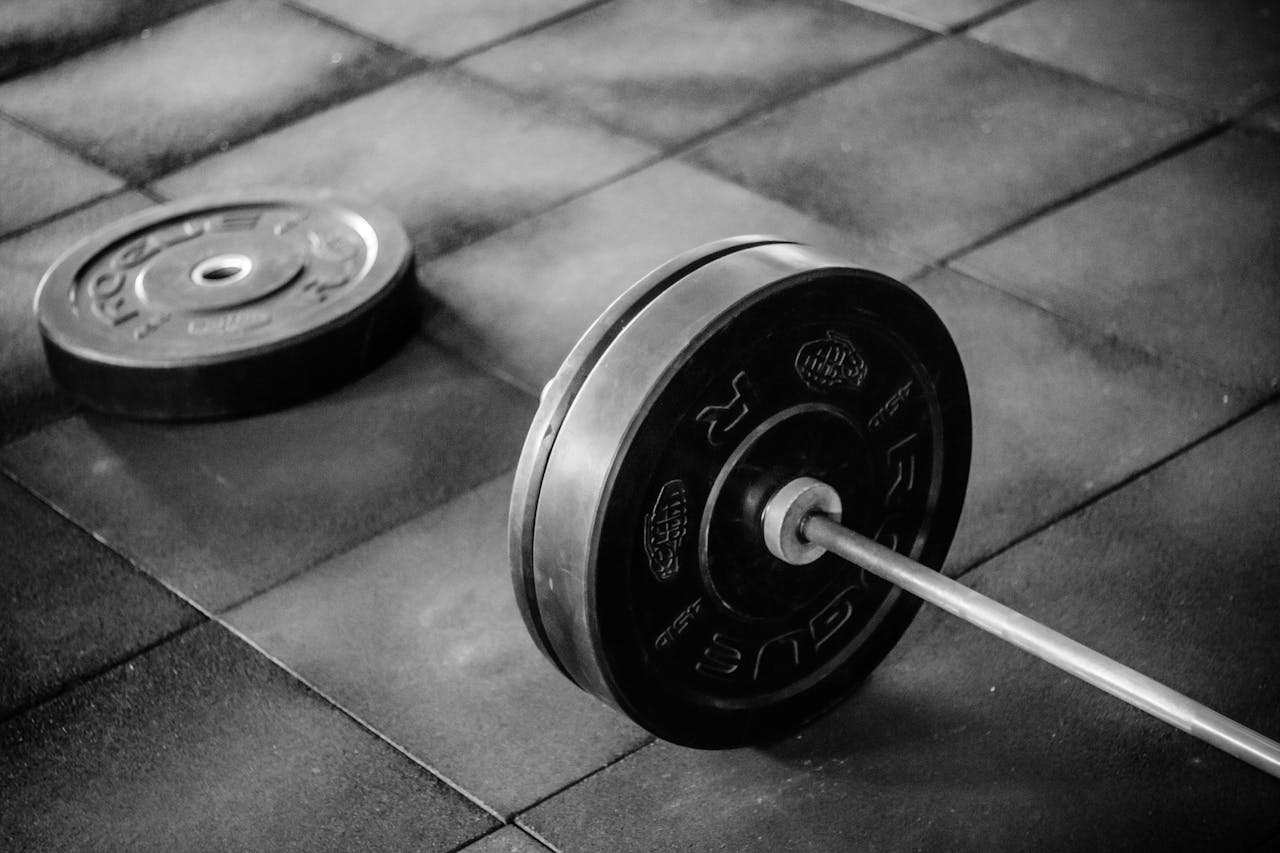
You probably bought that gym equipment with good intentions. But now, it sits unused, gathering dust or rust in a corner of your home.
It can feel like wasted space and energy. Often, we hang on to these items hoping to become the person who uses them regularly.
If it hasn’t been touched in months, it may be time to reconsider keeping it. Letting go can free up space and reduce clutter in your home.