If you’re curious about pottery and want to know what makes certain pieces valuable, understanding how to identify these traits can really help. Pottery value depends on many factors, from the age and condition to unique markings and craftsmanship.
Knowing how to spot these key details can guide you in discovering valuable pottery in your own collection or when browsing. This article will walk you through practical ways to recognize pieces that may be worth more than you realize, making the process clearer and more enjoyable.
Check for potter’s marks like initials, symbols, or location stamps

You should start by looking underneath the piece for any marks. These can include initials, symbols, or even names that identify the potter or factory.
Many valuable pieces have clear stamps showing who made them or where they were produced. Sometimes, these marks are small, so examine your pottery carefully.
Recognizing specific marks can help you date your item or confirm its origin. Over time, certain locations or potters became well known, so their marks add credibility to your piece.
Look for signs of wear such as chips, cracks, and scratches

When examining pottery, check for small chips around the edges. These often occur naturally with age and use.
Cracks can appear on older pieces but pay attention to whether they are hairline or structural, as this affects value.
Scratches or surface wear can indicate genuine use over time. However, excessive damage might lower the piece’s worth. Look carefully to judge authenticity and condition.
Examine the color and patina, especially in handles and rims
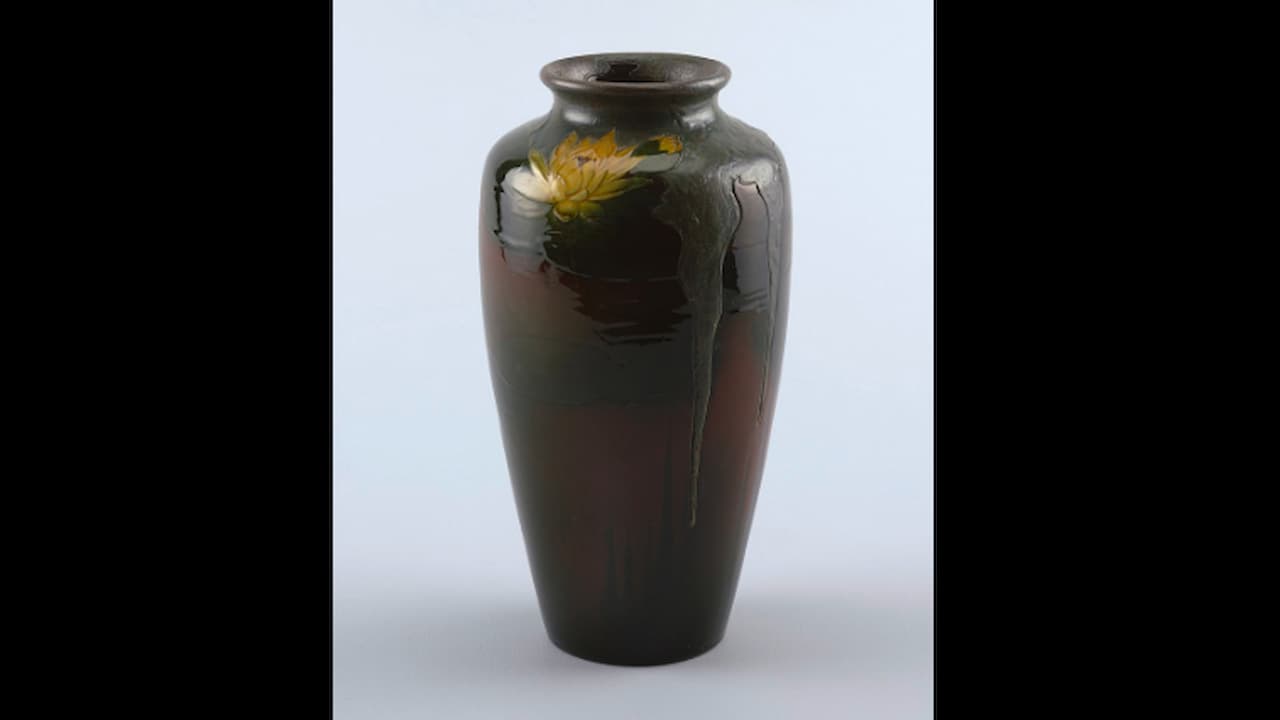
When you look at a pottery piece, pay close attention to the color and patina. These areas can show signs of age that are easier to spot on handles and rims.
Older pottery often develops a natural sheen or slight discoloration from handling and use over time.
Check for smooth wear in places that would be touched often. This can indicate genuine age rather than artificial distressing.
Subtle variations in color around the edges may also tell you how the pottery has aged.
Identify glaze quality—shiny, matte, or bubbled surfaces matter

When you examine pottery, pay close attention to the glaze finish. A shiny glaze often indicates good quality firing and materials. Matte finishes can also be valuable but require consistent texture.
Look out for bubbles or blisters on the surface. These often appear as craters and may signal firing issues. Such flaws can reduce the pottery’s value, especially on functional pieces.
Understanding these glaze qualities helps you judge the craftsmanship and condition more accurately.
Compare with known valuable makers like Delft marked with “JT”

When you look for valuable pottery, comparing your piece to known makers helps a lot. Delft pottery is a good example, often marked with the initials “JT” and sometimes a jar symbol.
These marks come from Joost Thooft, a respected name in Delft pottery. If your piece has these details, it might be worth a closer look.
Pay attention to the quality of the design and the clay color, usually buff or pinkish. These little details can make a big difference in value.
Use auction sites like eBay to research past sale prices

You can use auction sites like eBay to find past sale prices for pottery. Search by specific pottery marks or artist names to see how much similar items have sold for.
Look at completed listings to avoid current asking prices, which might not reflect real sales. This helps you get a realistic idea of your pottery’s market value.
Remember to compare items with similar condition and age for the most accurate results.
Feel the pottery’s texture—hardness and surface evenness

When you hold a piece of pottery, pay attention to its texture. Valuable pottery often has a smooth, even surface with consistent hardness.
Run your fingers lightly across the piece. If it feels rough or uneven, it might be less refined or lower quality.
A harder texture usually indicates good firing techniques, which can add value to your pottery. Trust your sense of touch to help judge craftsmanship.
Consult pottery identification books and online databases
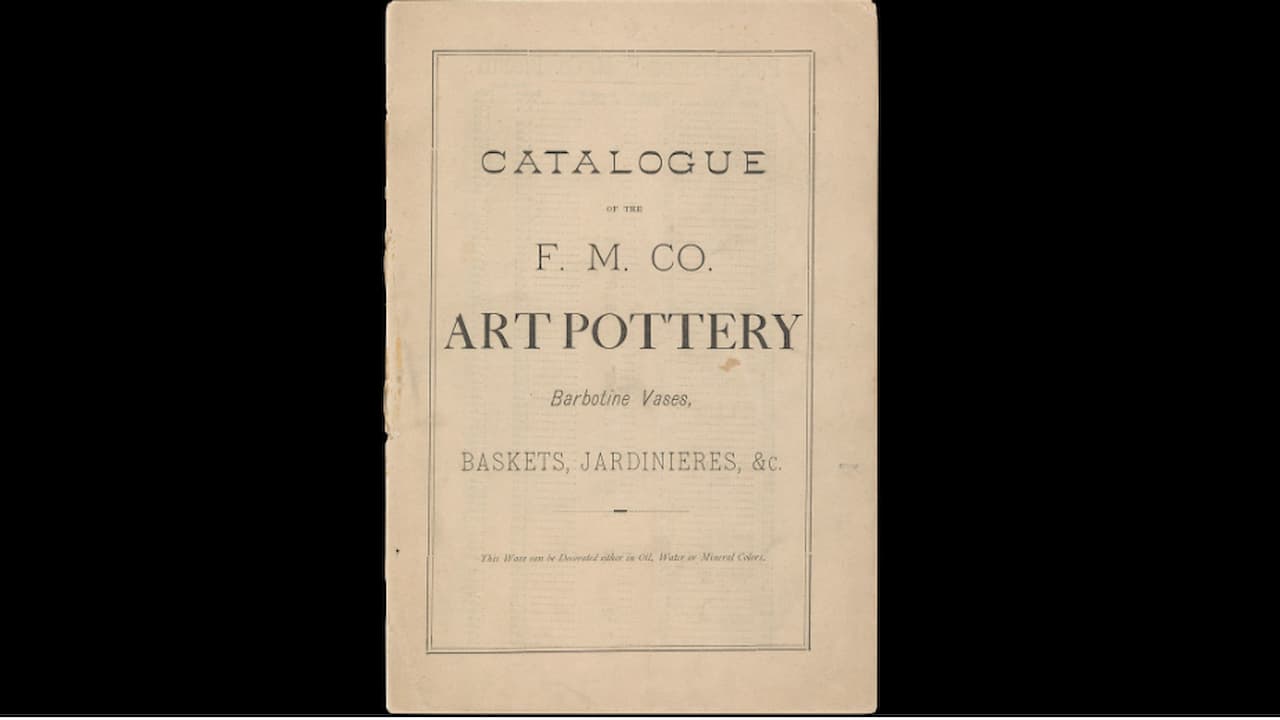
You can start by looking through pottery identification books that focus on marks, styles, and origins. These books often provide detailed images and historical context to help you recognize valuable pieces.
Online databases are also a great tool. They let you visually match marks and signatures by browsing through extensive collections.
Using both books and online resources together increases your chances of correctly identifying your pottery’s maker and value. They are reliable ways to learn more about your piece without needing expert help.
Join pottery and antiques Facebook groups for community help

You can join Facebook groups dedicated to pottery and antiques to get support from collectors and experts. These groups let you share photos and details of your pottery for feedback.
Many members help identify marks, styles, and estimate values. The community environment makes learning easy and welcoming.
If you’re unsure about a piece, asking in these groups can speed up identification. They can also offer advice on care and repairs.
Use the RADAR method: Research, Age, Design, Artist, Rarity

You can use the RADAR method to help identify valuable pottery. Start with Research by looking up marks, styles, and history linked to your piece. Knowing its Age helps because older pottery can be worth more.
Look closely at the Design; unique or intricate patterns often add value. Consider the Artist behind the work, especially if they are well-known. Finally, check Rarity—if your pottery is uncommon, it might be more valuable to collectors.