When you grow or buy heirloom tomatoes, you probably want to make sure they are the real deal. Authentic heirlooms have unique qualities that set them apart from modern hybrids. Knowing what to look for can help you enjoy their true flavors and heritage.
You can tell if your heirloom tomato is authentic by checking specific traits and characteristics that have been preserved over generations. This guide will help you recognize those signs, so you can feel confident about the tomatoes in your garden or on your plate.
Trace the seed lineage to at least 50 years back

To know if your heirloom seed is authentic, try tracing its history. Genuine heirlooms often date back 50 years or more.
You can look for records, ask previous growers, or check seed catalogs. This helps confirm the seed’s origin and preserves its unique traits. It’s like uncovering your seed’s family story!
Verify if the seeds are open-pollinated
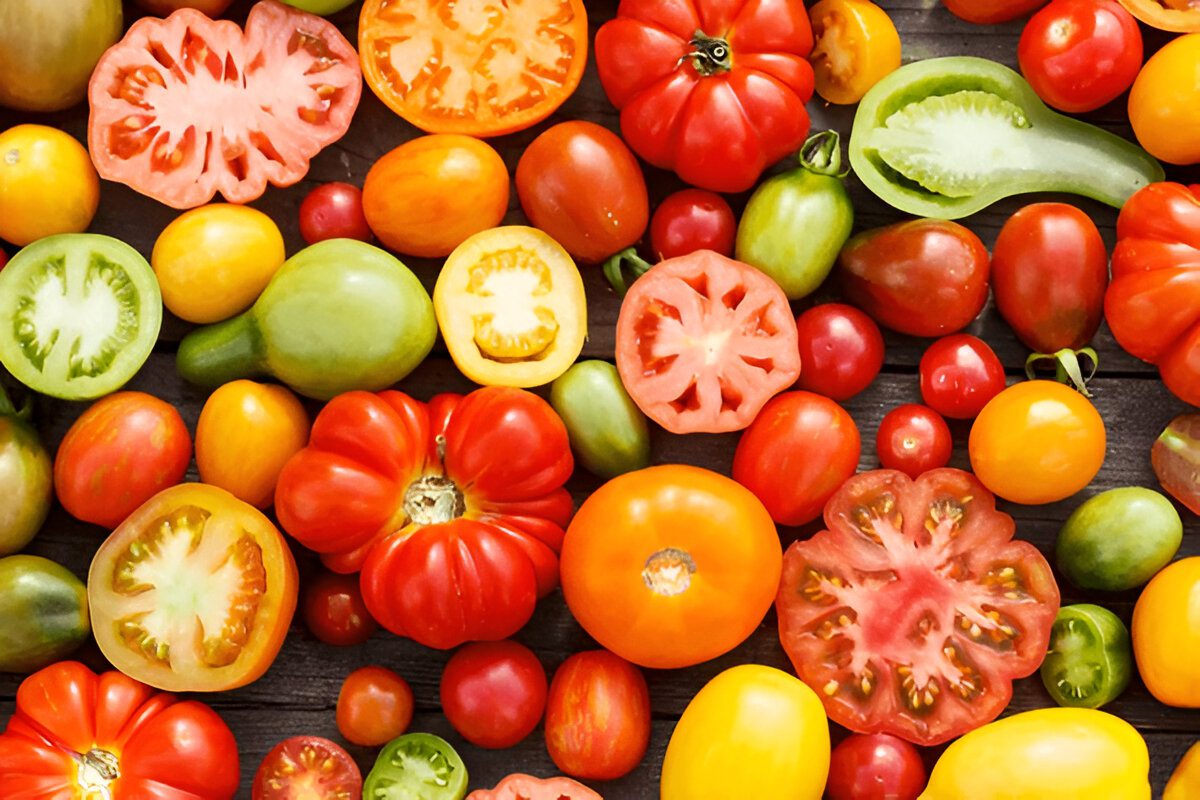
Check if your seeds are open-pollinated, as true heirlooms usually are. Open-pollinated seeds produce plants that grow consistently like the parent.
If the seeds come from hybrid plants, they might not grow true to type the next generation. You can research the seed variety online to confirm if it’s open-pollinated.
Knowing this helps you decide if your heirloom seed is authentic and worth saving for future planting.
Check for physical traits like thinner skin
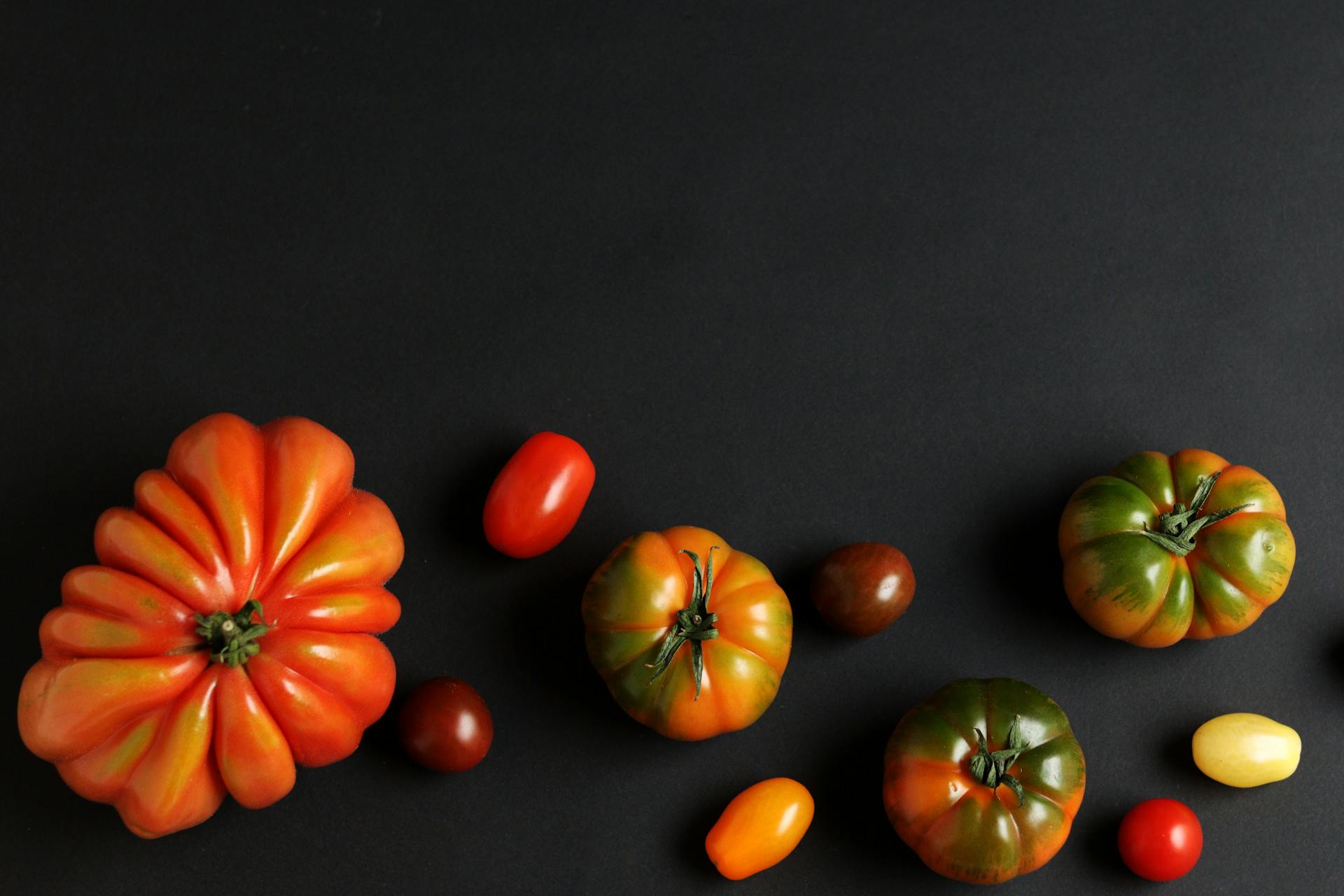
When you handle heirloom tomatoes, you might notice their skin feels thinner than hybrids. This is common because they haven’t been bred for thick skin or long shelf life.
You can gently squeeze your tomato to feel the difference. Heirlooms often have a softer, more delicate texture.
Keep in mind, thinner skin means they can bruise easily, so handle them with care when checking.
Smell for a sweet, natural aroma

When you check your heirloom, take a moment to smell it closely. Authentic heirlooms often have a gentle, sweet scent that feels natural, not artificial.
You might notice fresh, fruity, or garden-like aromas. These smells come from natural compounds, unlike the strong or synthetic scents in some hybrids.
Trust your nose— a genuine heirloom will usually give off a subtle, pleasant aroma that matches its flavor.
Taste-test for unique, rich flavors
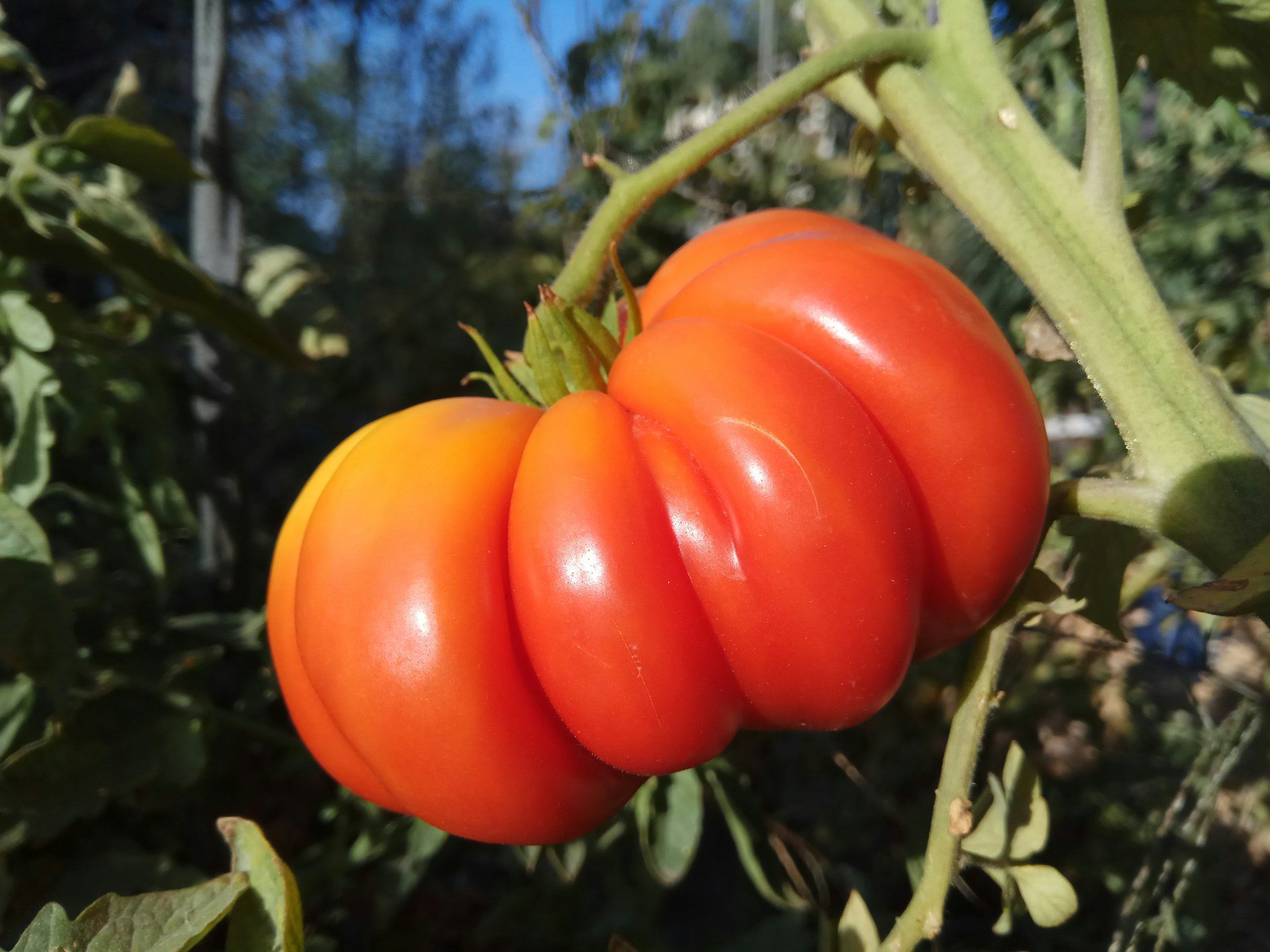
You can tell if your heirloom tomato is authentic by tasting it. True heirlooms often have a complex, rich flavor that stands out from store-bought varieties.
When you bite into one, expect a balance of sweetness and acidity that varies with each type. Some might be fruity, while others carry a deep, savory taste.
Try different heirloom varieties side by side to notice these unique flavor profiles. This is a fun way to confirm if your tomato is genuinely special.
Observe for authentic heirloom shapes and colors
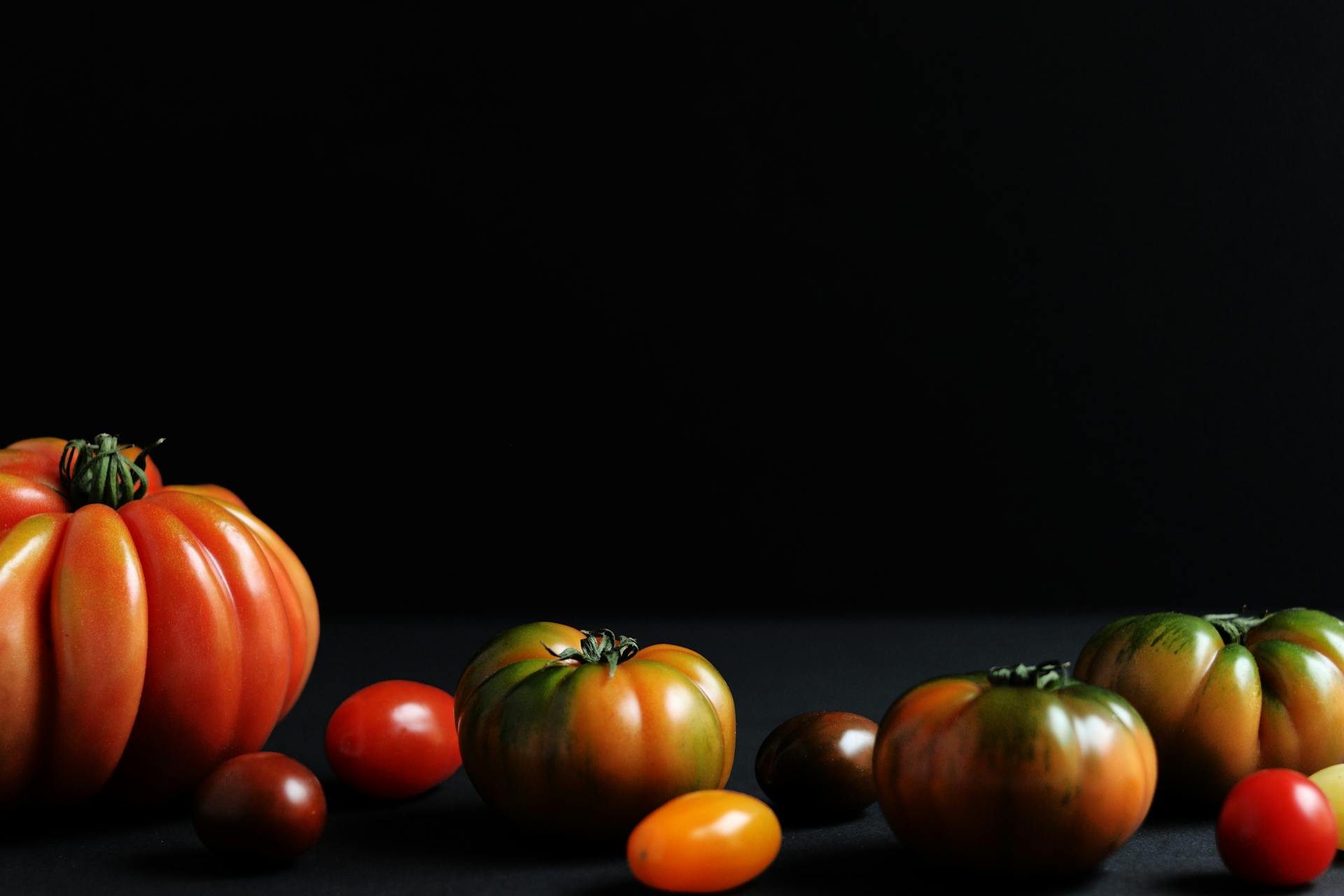
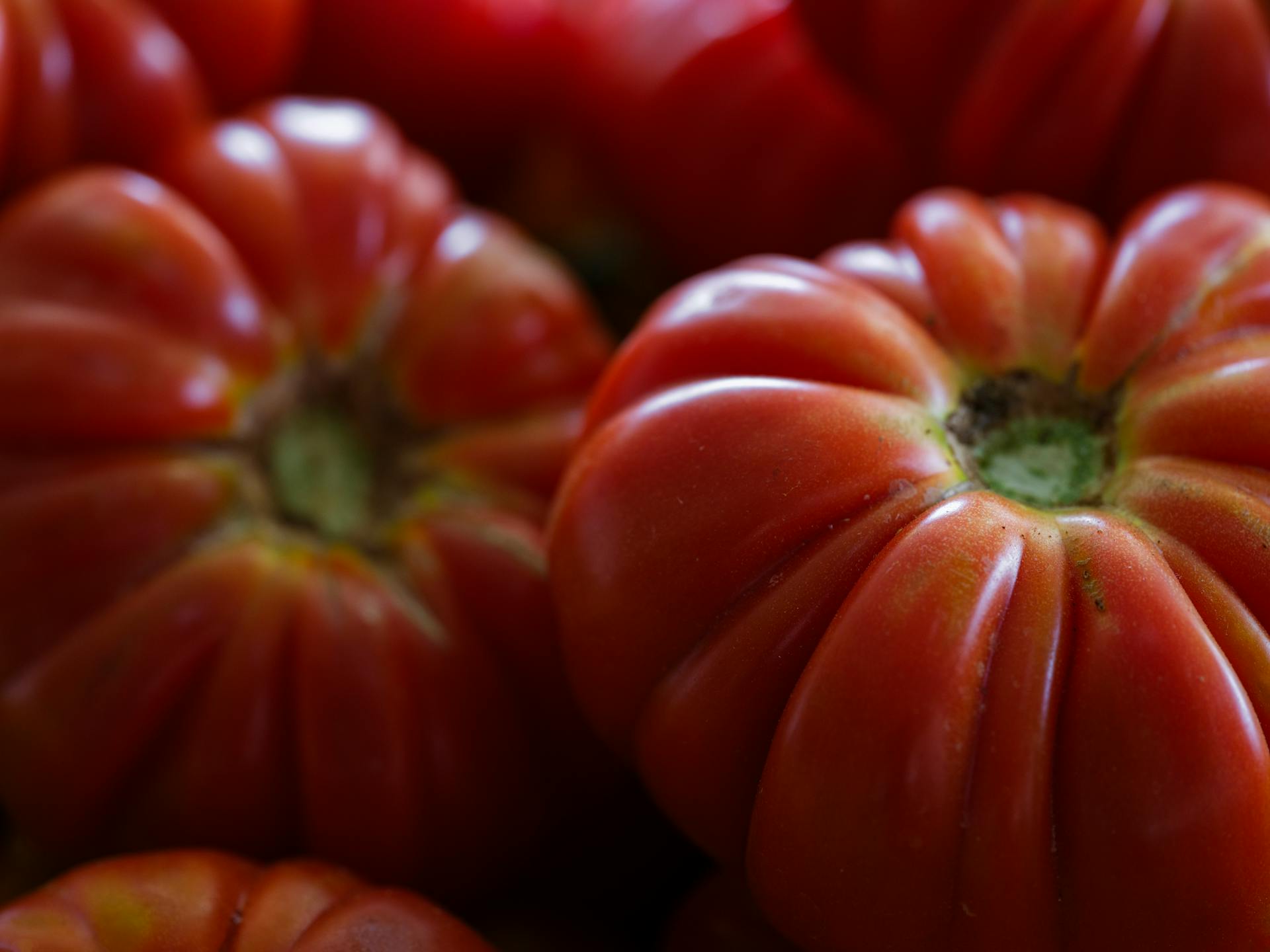
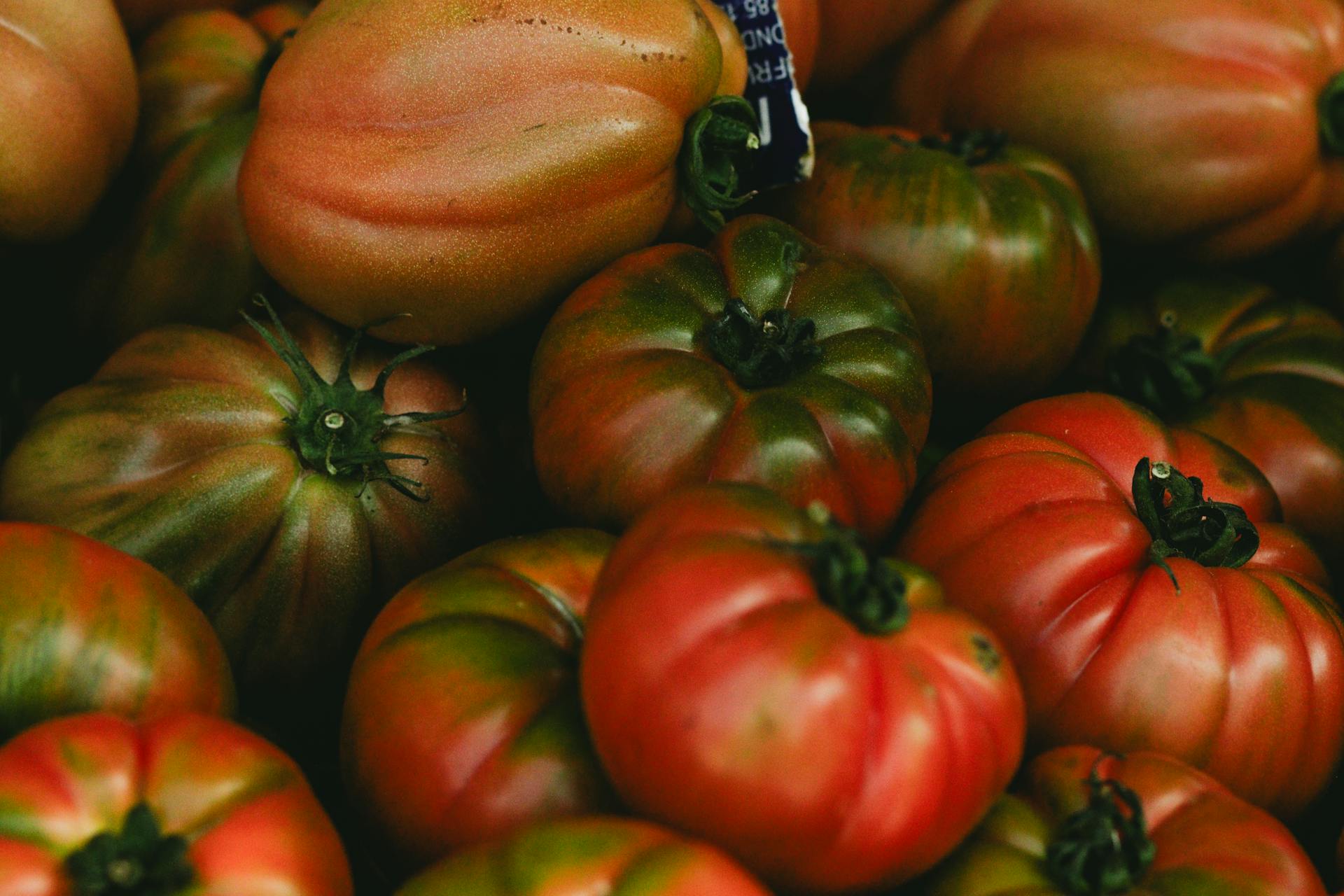
You can often spot an authentic heirloom tomato by its unique shapes. Unlike uniform hybrids, heirlooms may have odd or irregular forms.
Look for unusual colors too. Heirlooms come in shades beyond red, such as yellow, green, purple, or striped.
These distinctive traits show their long history and natural variation. Don’t expect perfect, standard tomatoes; that’s part of their charm!
Confirm no commercial hybrid origin
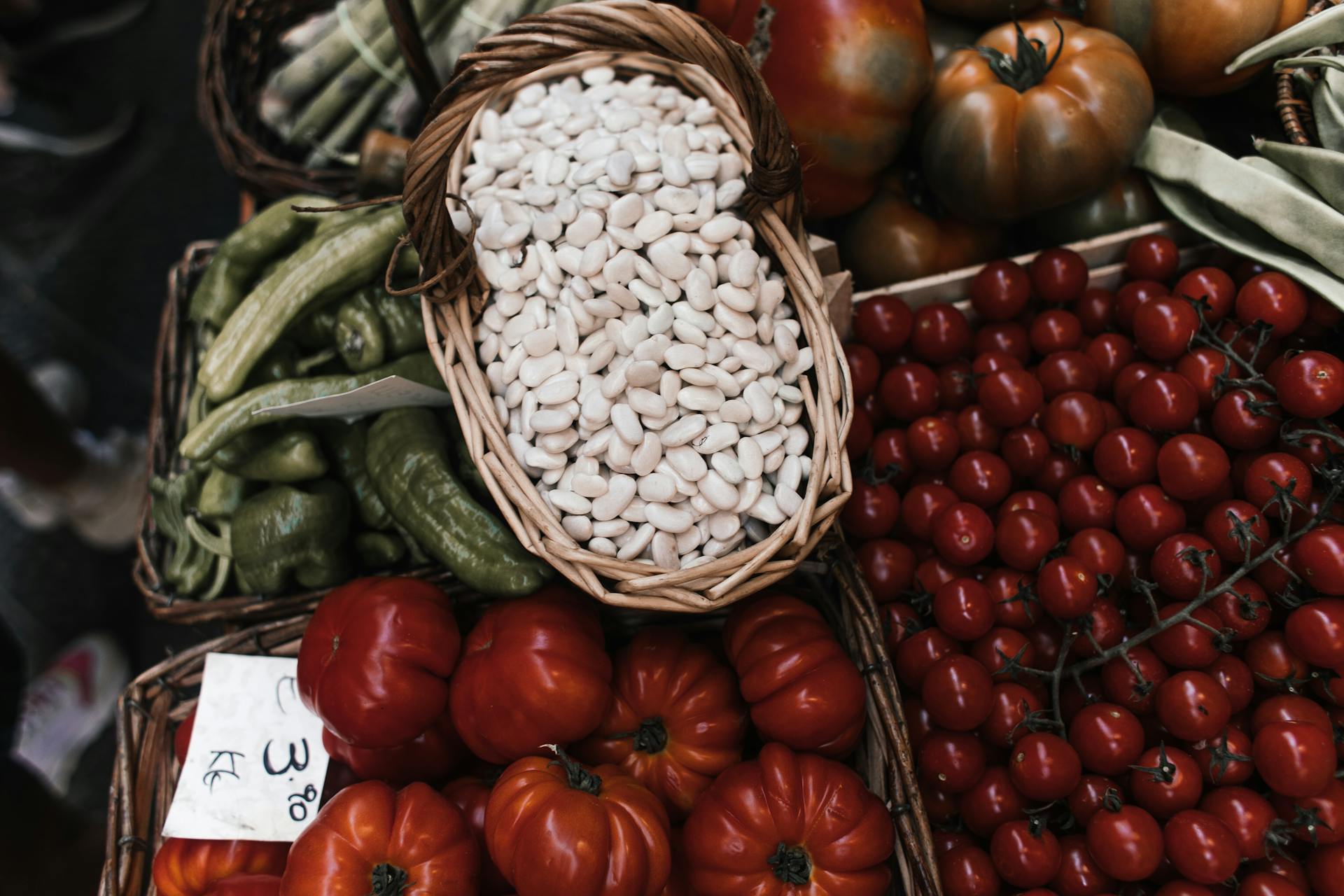
To be sure your heirloom is authentic, check if the seeds come from a commercial hybrid. Hybrid plants often produce seeds that don’t grow true to type or can be sterile.
Look for clear labeling or scientific names when you buy seeds. If it’s unclear, researching the seed variety online can help you avoid hybrid origins.
Growing your seeds over several generations and seeing consistent traits is a strong sign they’re not hybrids. This way, you can trust your heirloom’s authenticity.
Look for seed saving traditions in the family
You can often find clues about your heirloom’s authenticity in your family’s gardening habits. Ask relatives if they have saved seeds from year to year, especially from certain plants.
If your family has a history of saving seeds, it likely means those seeds have been passed down carefully. This tradition helps keep true heirloom varieties alive and unchanged.
Look for stories or methods they used, like how they selected seeds or marked plants. These practices often indicate genuine heirloom seeds.
Research the history of the plant variety
You can start by looking into where your plant originally came from. Knowing its geographic origin helps confirm if it matches known heirloom varieties.
Check who developed or preserved the variety. Some heirlooms have stories tied to specific growers or regions that add to their authenticity.
Finding old seed catalogs, gardening books, or local historical records can provide clues. These sources might show how long the variety has been around and how it was traditionally used.
Avoid tomatoes that remain green when ripe
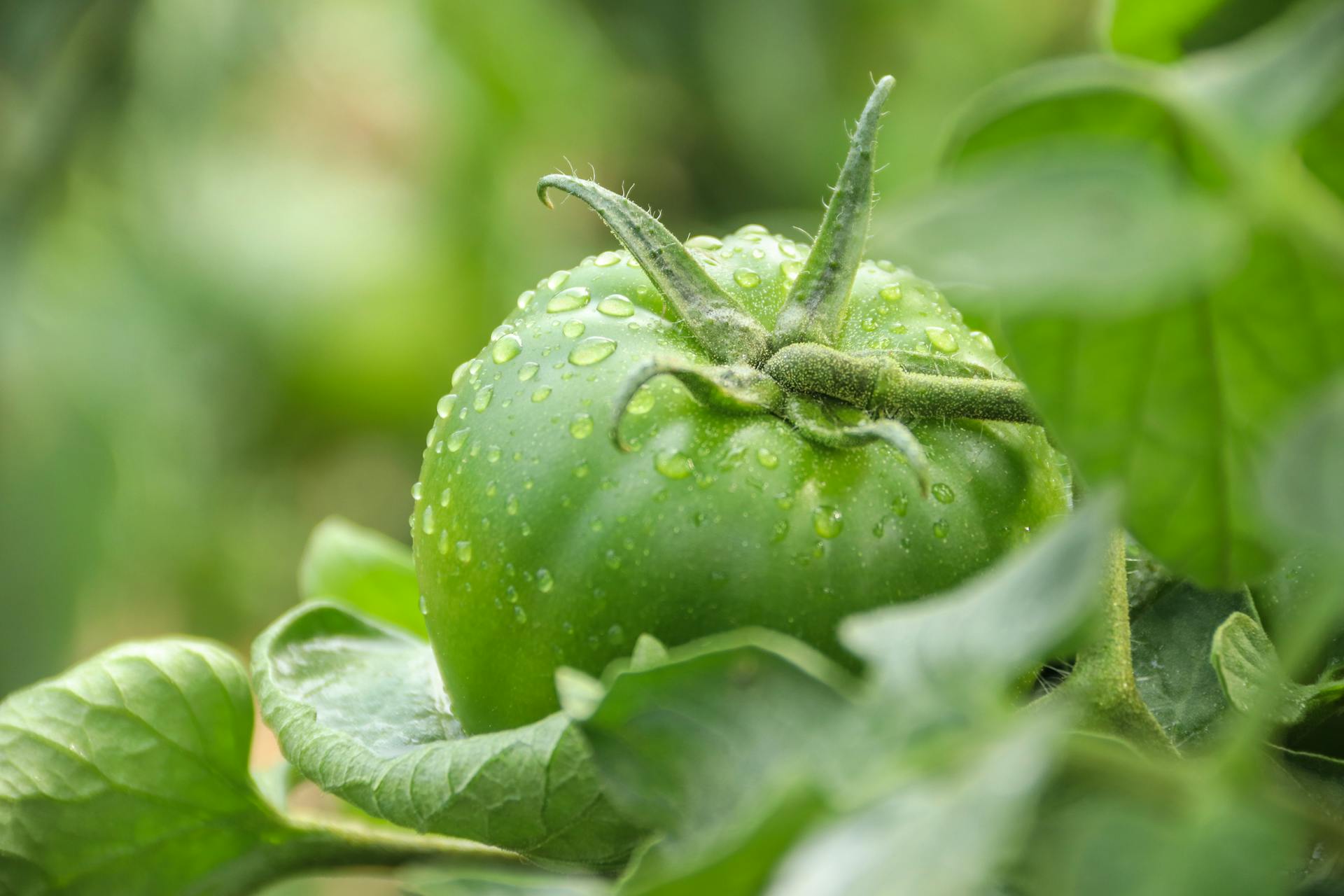
When checking for authentic heirloom tomatoes, be cautious if your tomato stays green even when fully ripe. Most heirlooms change color as they mature, often showing reds, yellows, or purples.
If a tomato remains green without any color shift, it might be a hybrid or another variety. This can affect flavor and authenticity.
Trust your senses—look for subtle color changes and a slight softness to know when an heirloom is truly ripe.