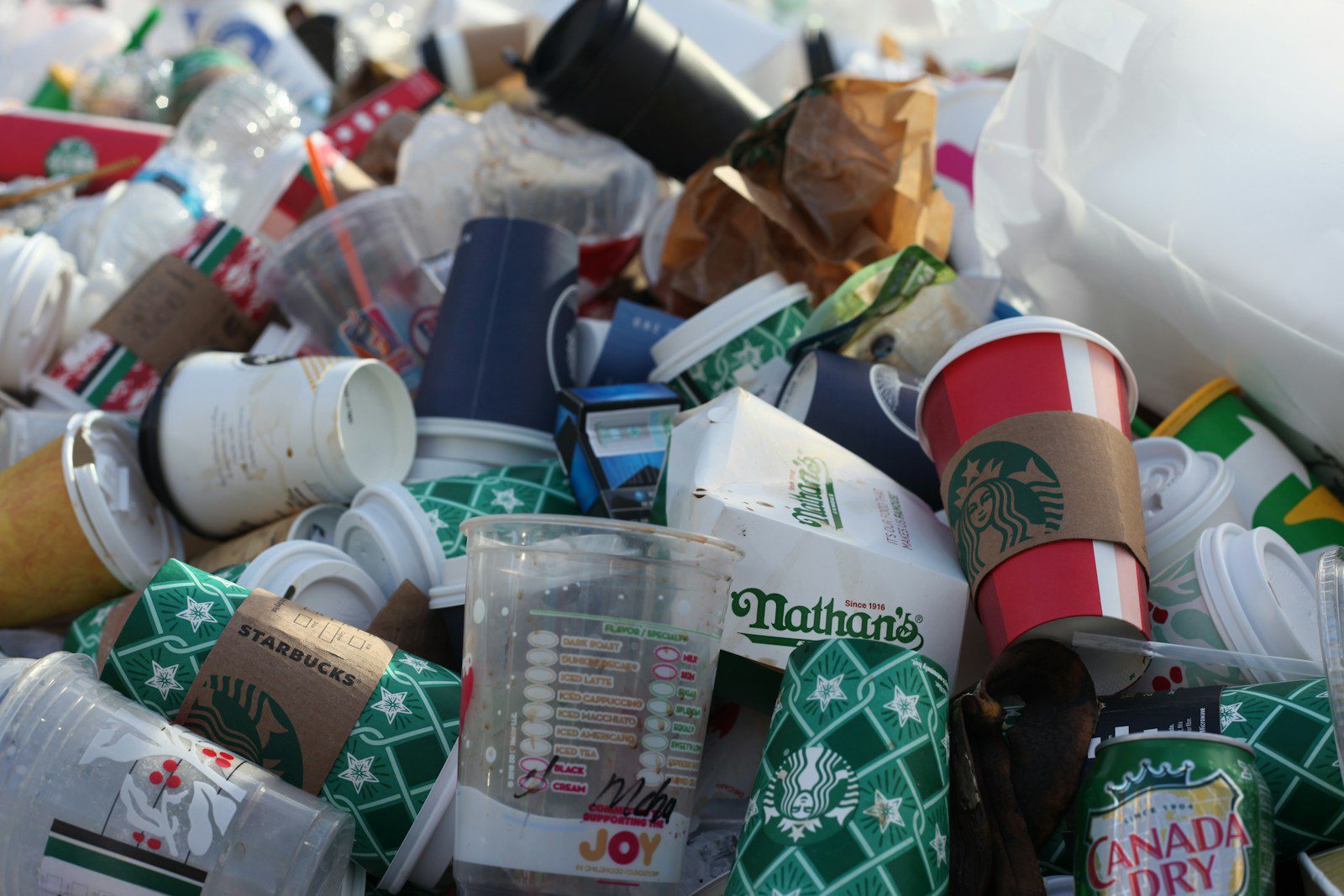
I’ve always thought of my trash as just something to get rid of without a second thought. But over time, I realized that what we throw away can actually reveal a lot about our habits, routines, and even personal information.
Understanding what your trash says about you is important because it can expose you to risks you might not expect. This article will explore how even the simplest things in your garbage can open doors for others to learn more about your life than you might want.

Your trash reveals shopping habits tied to convenience packaging
I’ve noticed that much of my trash comes from packaging designed for convenience. Items wrapped in plastic, single-use containers, and cardboard boxes show how much I rely on easy, quick options.
These packaging choices reflect how often I shop online or pick up ready-made food. It’s a reminder that convenience often creates more waste than I realize.
By grouping orders or choosing products with eco-friendly packaging, I can reduce this footprint. It’s all about finding small ways to balance convenience and sustainability, making smarter shopping habits over time.
See more about how packaging impacts waste at shorr.com’s 2025 Sustainable Packaging Consumer Report.
Discarded mail can expose your full name and address if not shredded.
I’ve learned that tossing mail with my name and address straight into the trash isn’t as safe as I thought. Anyone can dig through garbage and find personal details without needing a warrant.
Shredding mail that shows my full name and address helps me stay a step ahead of identity theft. It’s a small habit that protects my privacy.
Even junk mail can be risky if it has my information on it. I make sure to shred anything with my name and address before throwing it away to keep my personal data safe.
For more details, you can read about why you should shred address labels on Shred Nations.
An overflowing bin signals potential irregular routines to neighbors or strangers.
I’ve noticed that when my trash can is often overflowing, it sends a clear message to neighbors that my waste habits might be inconsistent. It can make people think I’m not managing my schedule well or maybe missing regular pickups.
This small detail can unintentionally invite curiosity or even suspicion. Strangers might assume I’m away or not home, which isn’t something I want.
Keeping my bin tidy helps avoid giving away more information than necessary about my personal routine or lifestyle. It’s a simple way to maintain some privacy right outside my door.
For ways to prevent overflow, you can check out how to manage garbage effectively.
Leftover receipts hint at your spending patterns and where you shop.
I’ve noticed that leftover receipts can tell a lot about my shopping habits. They show where I spend most of my money and which stores I visit regularly.
By looking at these receipts, I can spot patterns in what I buy and when. It’s like having a clear record of my spending without having to remember every purchase.
This makes me aware of impulse buys or areas where I might be overspending. Plus, receipts often reveal personal details, which can be risky if they fall into the wrong hands. Managing them carefully helps me stay in control of my finances.
For more about tracking spending patterns, see this guide on identifying patterns in your spending.
Fast food containers indicate frequency of eating out lifestyle.
When I see fast food containers in my trash, it tells me how often I’ve been eating out. Each container represents a meal away from home, which can add up quickly.
Eating out more often usually means more fast food, which can affect my health over time. Studies show a clear link between frequent fast-food meals and weight gain.
My trash can reveal if I rely on quick meals instead of cooking. This pattern can highlight habits I might want to change for better nutrition and budget management.
Paying attention to these signs in my trash helps me understand my lifestyle better. It’s a simple way to reflect on my choices without much effort.
Learn more about how eating out affects health and weight by checking this study on fast-food consumption and BMI.
Recycling habits show your environmental awareness and commitment
I’ve found that my recycling habits say a lot about how seriously I take the environment. By sorting my waste properly, I show a basic level of care for reducing pollution and conserving resources.
Recycling isn’t just about tossing items in the bin; it reflects my commitment to a cleaner planet. When I recycle correctly, I help make the process more effective and support the broader goal of sustainability.
Understanding what can and can’t be recycled is part of this effort. That awareness encourages me to reduce waste before it even reaches the bin, which feels like a positive step for the environment every day.
You can learn more about improving recycling habits at the US EPA’s recycling basics and benefits.
Excessive plastic waste highlights over-reliance on single-use items
When I look through my trash, the amount of single-use plastic surprises me. Plastic bags, bottles, and packaging often make up most of what I throw away.
These items are convenient but don’t break down easily. This over-reliance on single-use plastics causes a big environmental problem.
I’ve learned that switching to reusable bags and containers can make a real difference. It’s a simple step to reduce the plastic piling up in my trash and the environment around me.
For more on the impact of single-use plastics, you can see this detailed explanation of how single-use plastic affects the environment.
Old newspapers reveal media consumption interests and date-specific info
When I look through old newspapers in the trash, I see more than just headlines. They show what topics caught my attention at a certain time, like sports scores or local news.
These papers can also reveal the exact date and cultural moments I found important. It’s like a snapshot of my media habits.
Someone digging through could learn about what I cared about or when I read certain stories. That’s why tossing old newspapers might share more about me than I expect.
Using historical newspaper collections online can give similar insights but with a much bigger scope and detail. For instance, libraries offer access to archives dating back to 1690.
You can explore how common certain news topics were across different dates and places too.
Unsorted trash points to lack of awareness or time for waste management
I’ve noticed that when trash isn’t sorted, it often means people don’t fully understand how to manage waste. Sometimes, it’s simply a matter of not having enough time to separate recyclables from regular garbage.
This lack of awareness or time leads to more waste ending up in landfills, which could have been recycled or composted instead. It’s surprising how many of us expect machines to do the sorting, even though we know that careful handling makes a difference. Learning a bit about waste types helps me feel more responsible for what I throw away, and it’s less risky for the environment too.
You can read more about this issue in studies about consumer waste behavior.
Food scraps in trash show your diet preferences or wastefulness.
When I look at food scraps in the trash, I can often tell what kind of diet someone follows. For example, plenty of fruit peels might mean a plant-based diet, while lots of meat bones suggest otherwise.
But food scraps don’t just reveal preferences—they also highlight how much food we waste. Seeing spoiled vegetables or uneaten leftovers makes me think about how I could plan meals better or compost instead. Using food scraps wisely can help reduce waste and show a more mindful approach to eating and the environment.
Learning about ways to reduce food waste, like composting, is really helpful (https://www.epa.gov/recycle/preventing-wasted-food-home).