You probably clean many spots in your home regularly, but not all cleaning removes germs effectively. Some areas might look clean but still harbor bacteria that can affect your health.
Knowing which areas need disinfecting rather than just cleaning helps you reduce the spread of germs and keeps your living space safer. By focusing on these overlooked spots, you can improve your home hygiene without adding too much extra effort.
Doorknobs
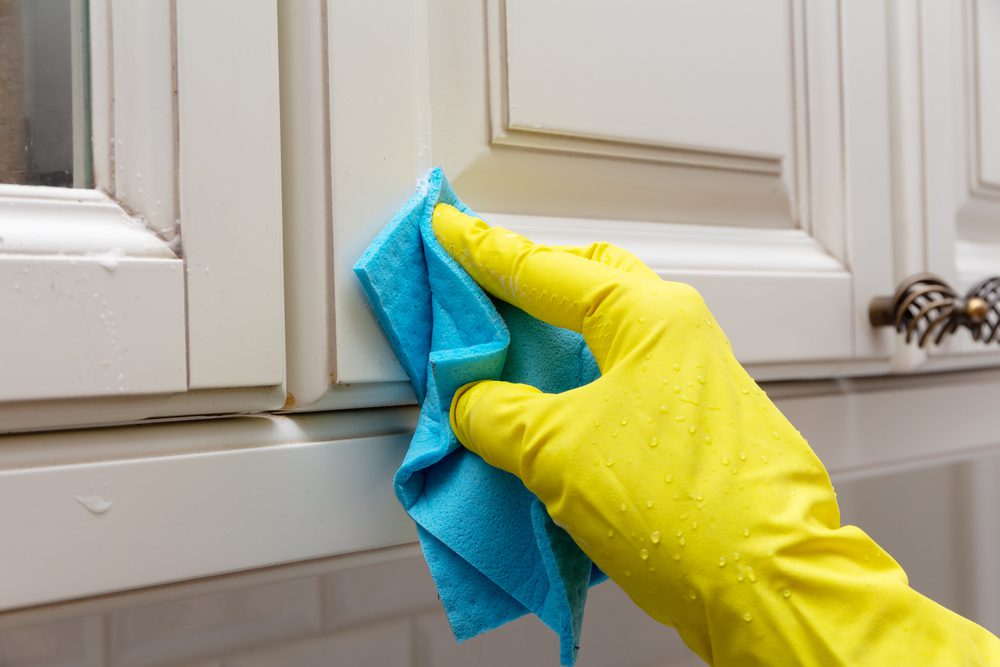
You probably touch doorknobs dozens of times each day without thinking about them. Because of this, they can quickly become a hotspot for germs and bacteria.
Regularly disinfecting your doorknobs helps reduce the spread of illnesses. Use a disinfectant or wipes safe for the surface to keep them clean.
Including doorknobs in your cleaning routine is a simple way to make your home healthier. It only takes a minute but can make a big difference.
Light switches

You probably clean your light switches occasionally, but disinfecting them is key. These spots are touched often and can harbor viruses and bacteria.
To disinfect safely, turn off the power at the main panel first. Use a cloth dampened with a disinfectant like hydrogen peroxide or alcohol.
Wipe the switch and surrounding plate gently. This small step helps reduce germs in one of the most frequently used areas in your home.
Kitchen countertops

Your kitchen countertops are a hotspot for germs since you use them daily for meal prep. Simply wiping isn’t enough; disinfecting helps kill bacteria and viruses.
Aim to disinfect your countertops at least once a week. If you’ve been handling raw meat or other potentially contaminated foods, disinfect more often.
Use common household products like diluted bleach or vinegar to disinfect safely. Just remember to clean spills immediately to reduce buildup and keep your space healthier.
Cutting boards

You clean your cutting boards after use, but it’s important to disinfect them too. This helps kill bacteria that washing alone might miss, especially if you prepare raw meat or seafood.
For plastic boards, you can soak them briefly in a mild bleach solution made with 2 teaspoons of bleach per gallon of water.
Wood and bamboo boards need gentler care. Use vinegar or hydrogen peroxide to sanitize and always dry them thoroughly to keep them in good shape.
Refrigerator handles
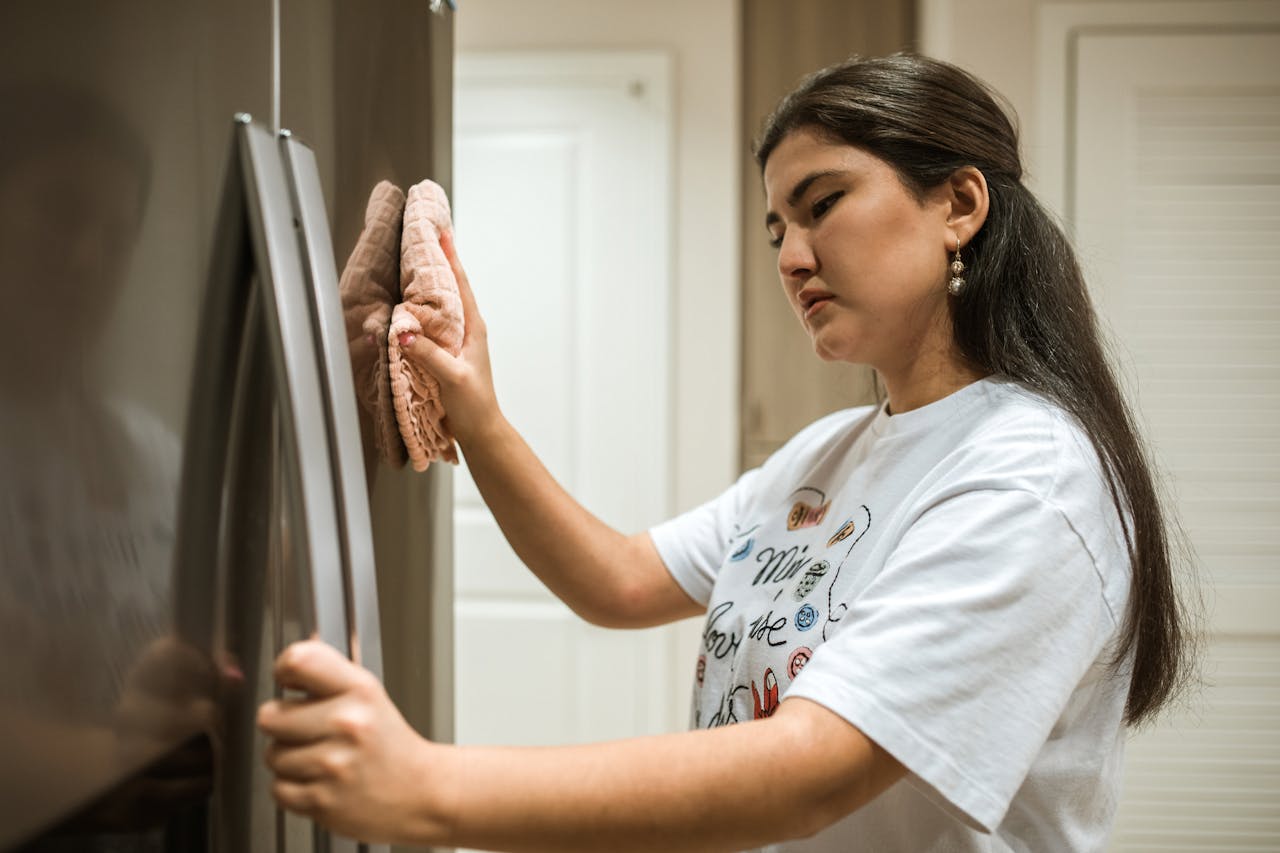
You touch your refrigerator handles many times each day, making them a hotspot for germs. Even if they look clean, bacteria and viruses can linger there.
Make it a habit to disinfect handles regularly using a safe surface cleaner or a solution with mild soap and water. This small step helps keep your whole kitchen healthier.
Appliance buttons and handles
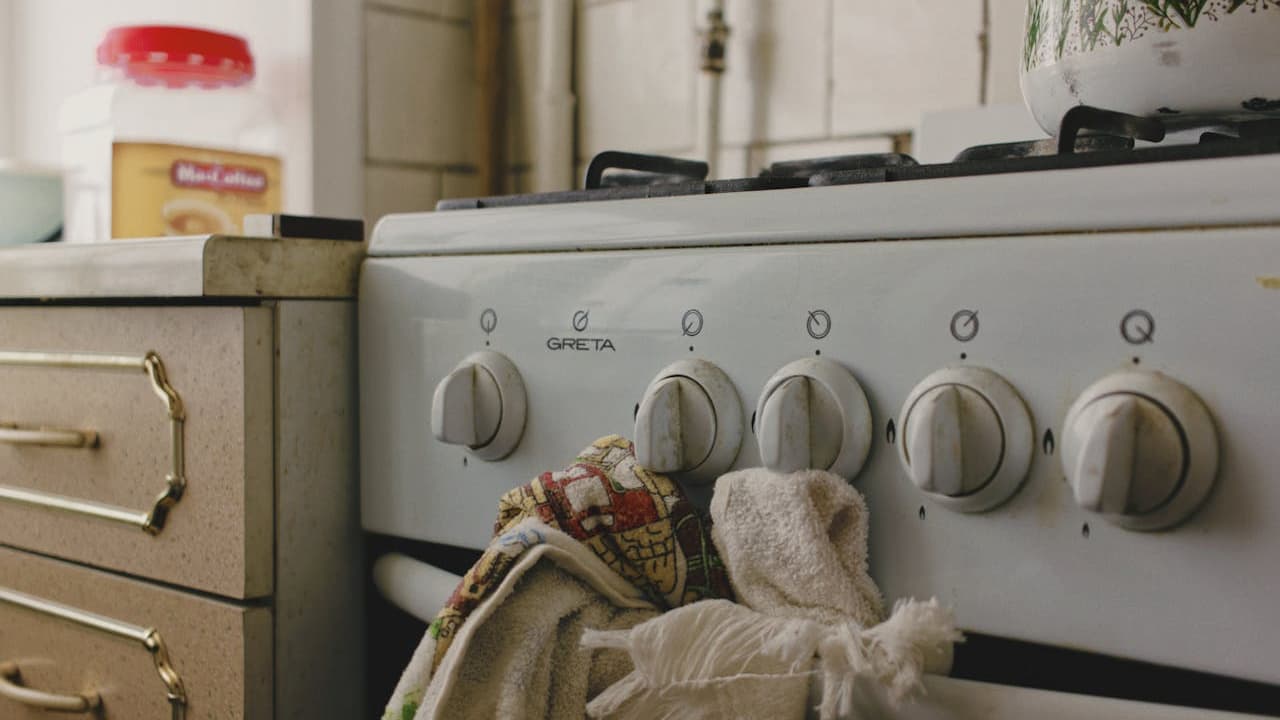
You often touch appliance buttons and handles, like on your microwave, fridge, or dishwasher. These spots can collect germs quickly because of frequent use.
Cleaning alone might not remove all bacteria. To keep these areas safer, disinfect them regularly with an alcohol-based wipe or a disinfectant spray.
Focus on buttons and handles, especially if multiple people use them daily. This simple step helps keep your kitchen cleaner and healthier.
Bathroom sinks
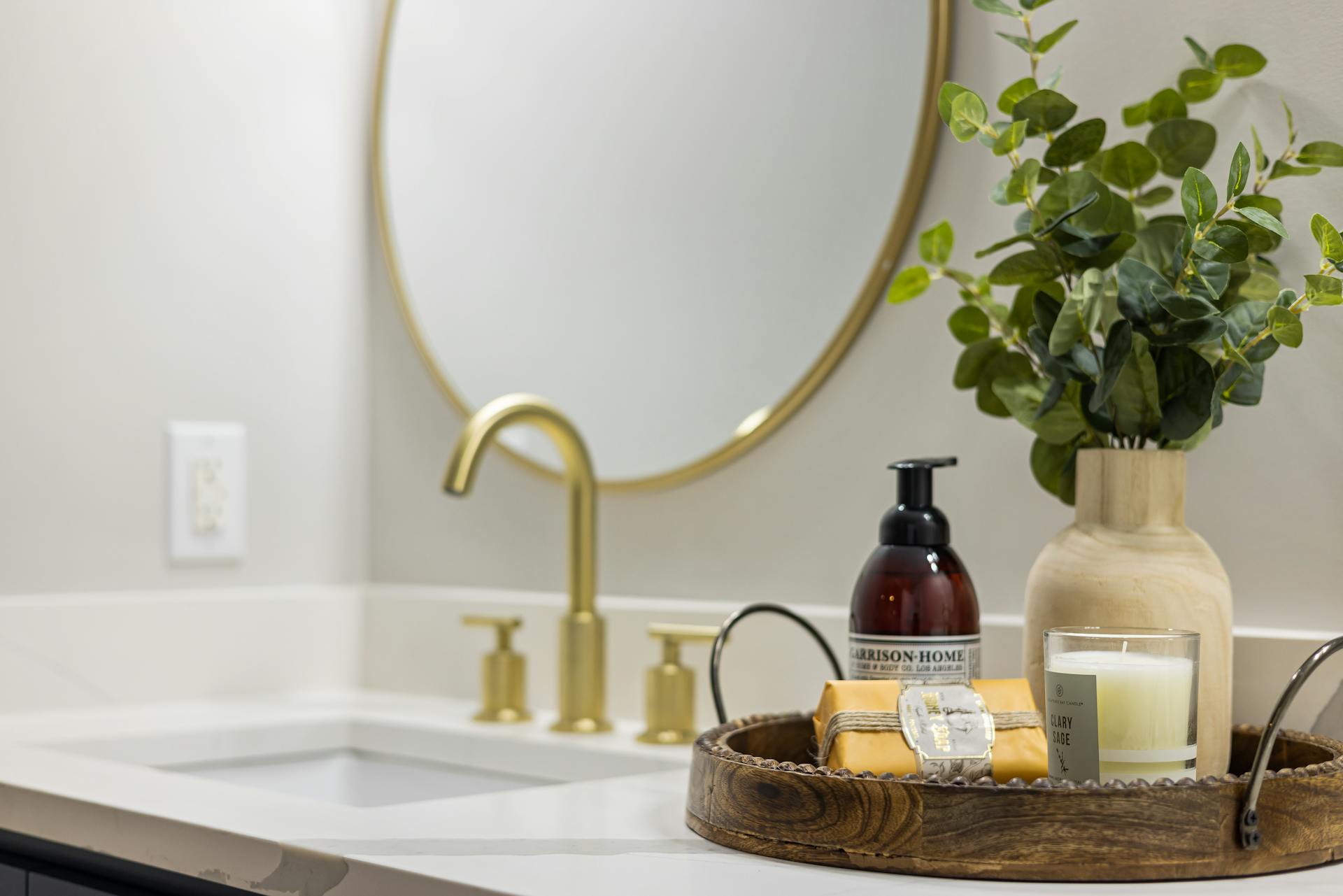
Your bathroom sink gets a lot of use, which means germs can build up quickly. You should clean it at least once a week to keep it fresh and prevent bacteria from growing.
Start by wiping down the surface with warm, soapy water. Then, use a disinfecting spray or wipe to kill any lingering germs.
Don’t forget to scrub around the faucet and drain with a small brush. Dry the sink after cleaning to avoid water spots and keep it looking neat.
Toilet handles

You probably clean your toilet regularly, but the handle is often overlooked. It’s a high-touch spot that can carry a lot of germs.
Make sure to disinfect it often, using a cloth with disinfectant rather than spraying directly. This helps keep germs under control and prevents damage to the handle’s surface.
Faucet handles

You probably clean your faucet handles often, but disinfecting them is just as important. These handles carry many germs from hands and daily use.
Start by cleaning off dirt and grime, then use a disinfectant to kill bacteria. Regularly disinfecting helps reduce the spread of germs in your kitchen or bathroom.
If hard water deposits build up, a simple soak or scrub can keep your handles looking and feeling fresh.
Cabinet knobs

You touch cabinet knobs many times each day, making them a spot where germs can easily build up. Cleaning knobs removes dirt, but disinfecting kills bacteria and viruses you can’t see.
Use a disinfectant spray or wipe regularly, especially in the kitchen where germs spread quickly. Don’t forget to clean both sides of the knob and the surrounding area for best results.
Remote controls

Your remote control is handled often, making it a hotspot for germs. You should clean it regularly to remove dirt and oils.
After cleaning, use a disinfectant like an alcohol solution or disinfectant wipe. Focus on buttons and crevices where germs can hide.
Remove the batteries first and avoid soaking the remote. A microfiber cloth or cotton swabs can help you reach tight spots safely.