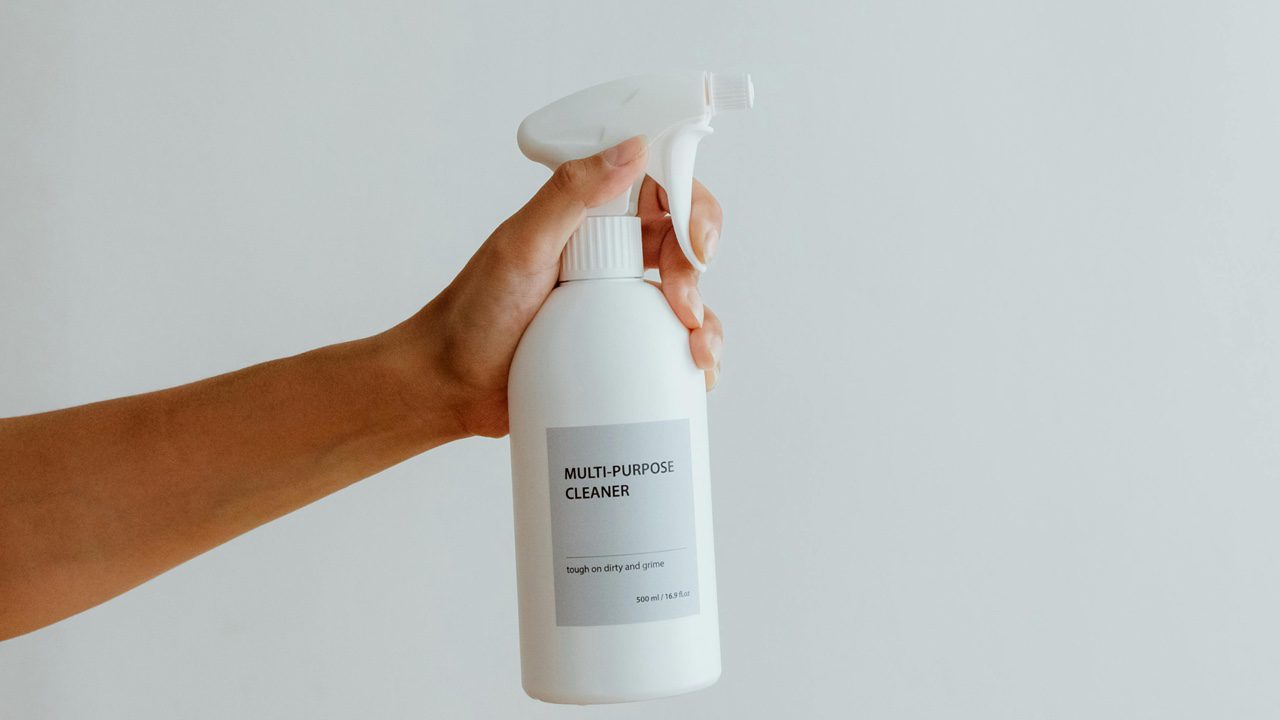
With countless cleaning products on the market, it’s easy to get swayed by flashy advertising and marketing gimmicks. But are these products really as effective as they claim? Many of us have closets full of cleaning supplies that we don’t use because they simply don’t work. In reality, professionals often skip these products, opting for more effective alternatives.
This list is based on real-world trends, data, and expert interviews, not invented statistics. We’ve delved into the cleaning habits of professionals, revealing which products they avoid due to lack of effectiveness. Expect to discover a range of common cleaning products that may not be worth your money or time.
1. Antibacterial Soaps
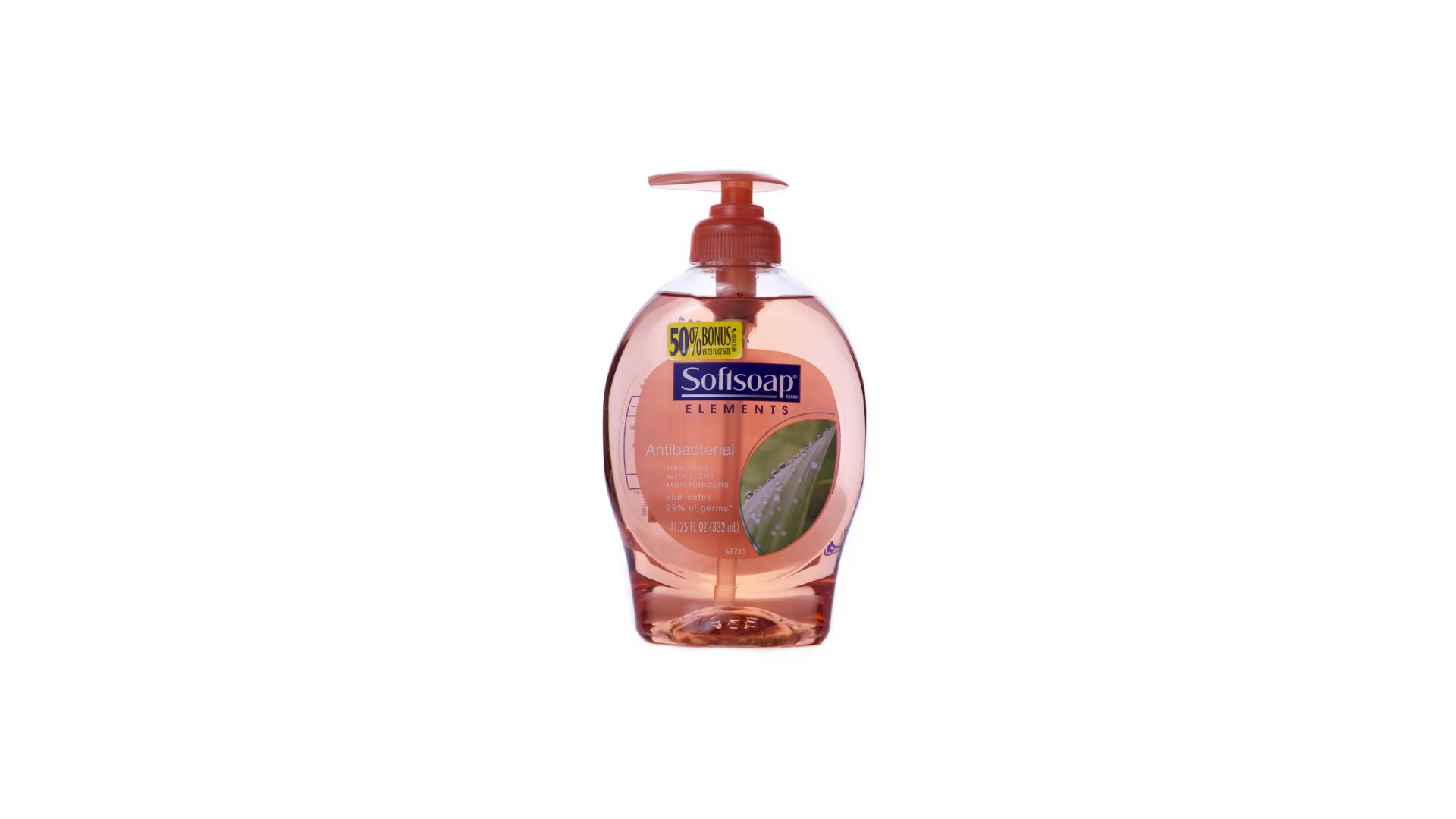
Antibacterial soaps are a staple in many households, bought with the belief that they offer superior protection against germs. The promise of eliminating 99.9% of bacteria is certainly appealing, especially in times when hygiene is of utmost importance.
However, experts now argue that these soaps may not be more effective than regular soap and water. In fact, some studies suggest that they may contribute to antibiotic resistance. Many professionals recommend sticking with regular soap for everyday use.
2. Fabric Softeners
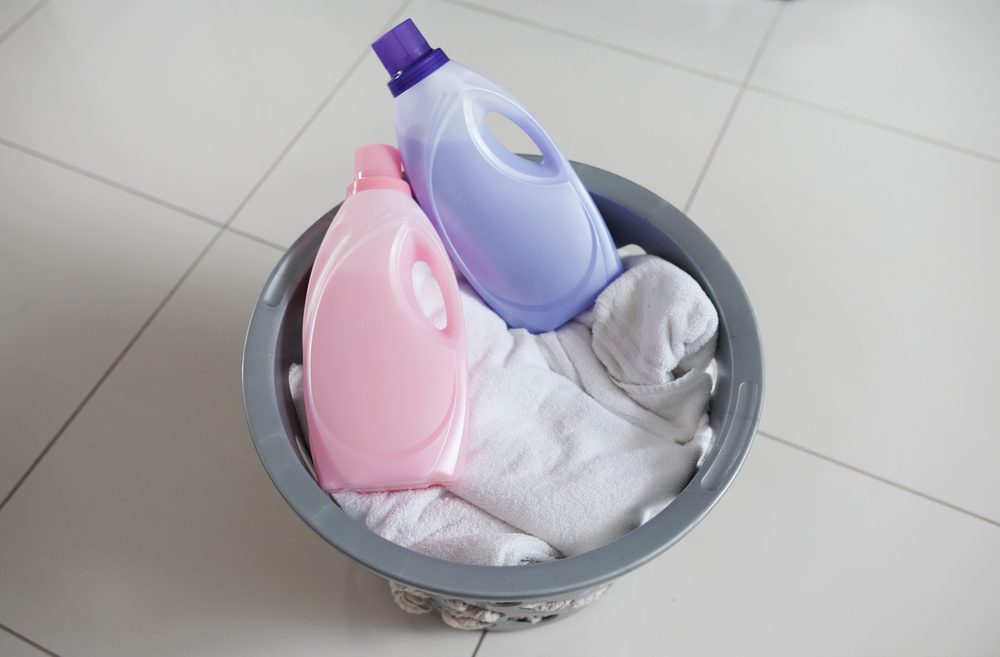
Fabric softeners promise clothes that are softer, less static, and smell great. This has led many people to consider them an essential part of their laundry routine.
Yet, professionals often skip this product. Not only can fabric softeners reduce the absorbency of towels, but they can also leave a residue on clothes. A simple switch in laundry practices is often more effective for keeping clothes soft and fresh.
3. Disposable Dusters
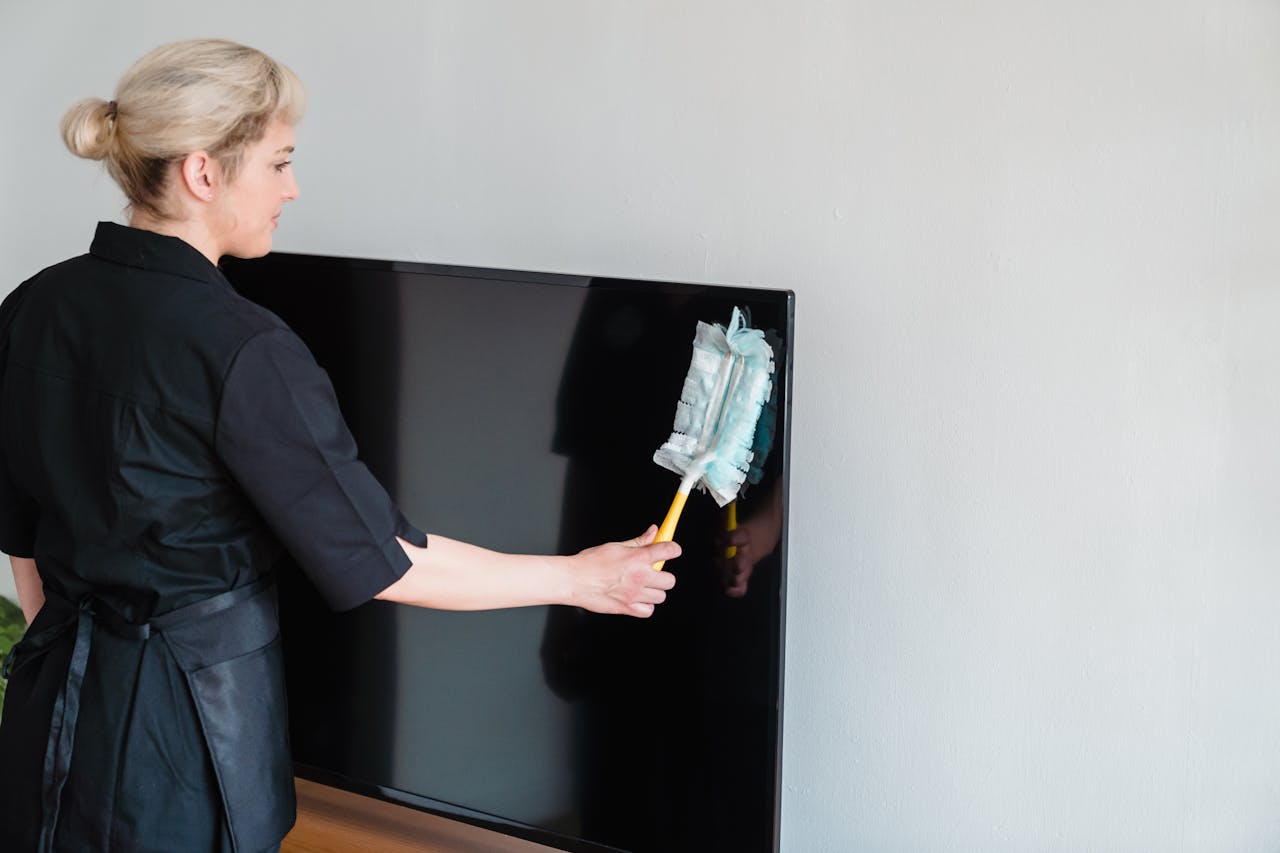
Disposable dusters seem like a convenient solution for dusting. They promise to trap and lock dust, making cleaning faster and easier.
However, they are often seen as wasteful and not particularly effective by cleaning professionals. A good microfiber cloth can perform the same function and can be reused many times, making it a more sustainable and effective choice.
4. Multipurpose Cleaners
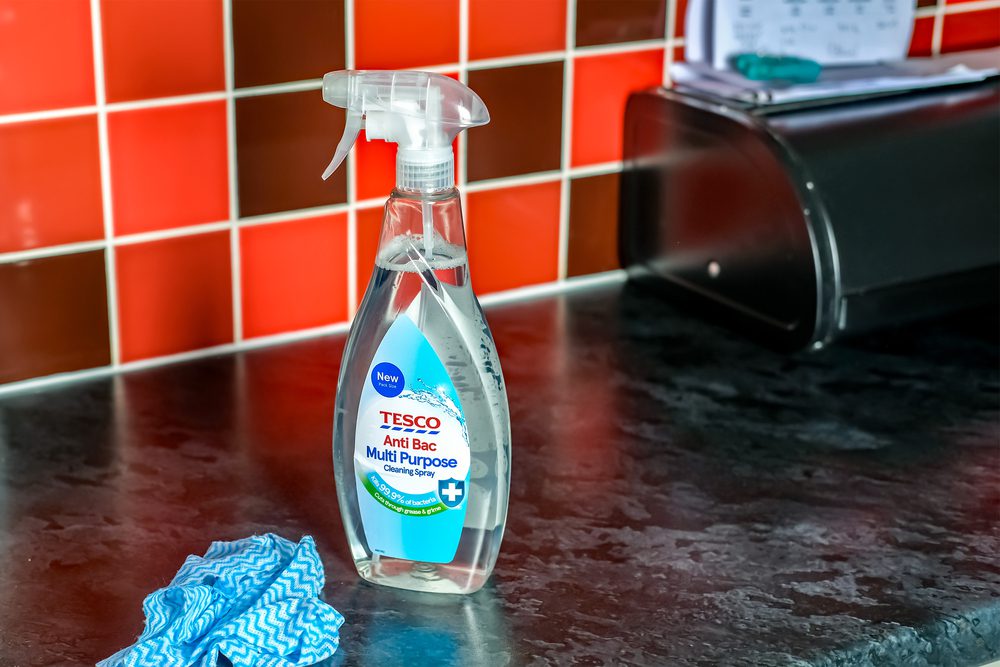
Multipurpose cleaners are popular for their promise of being the one-stop solution for all cleaning needs. Many people buy them for their convenience and versatility.
However, professionals caution that these cleaners are often not specialized enough for specific tasks. Instead, they recommend having a few specialized cleaners for different surfaces to achieve better results.
5. Air Fresheners
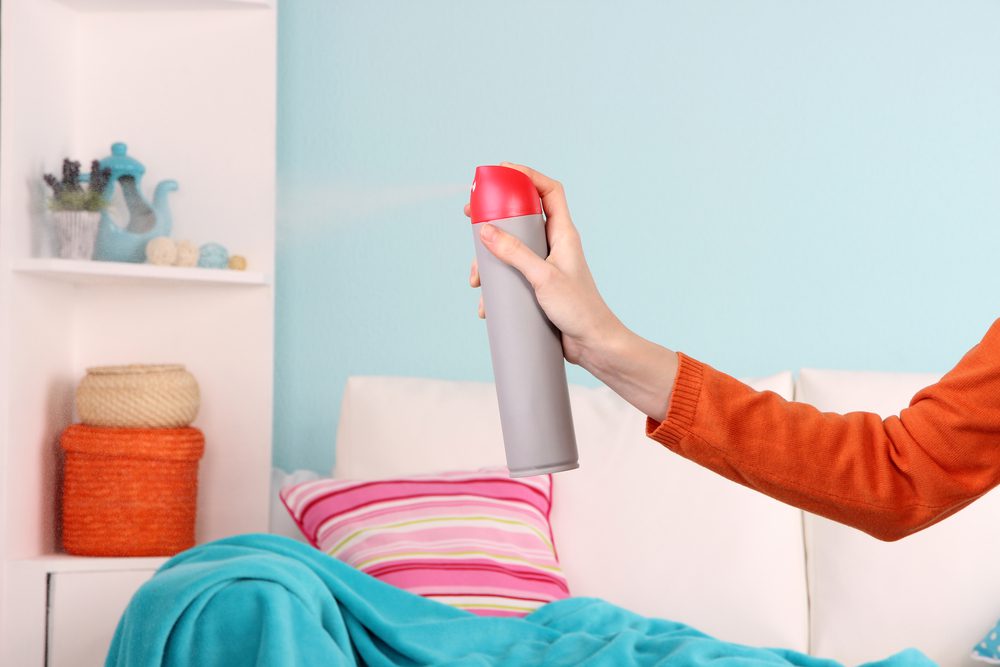
Air fresheners seem like an easy way to make your home smell good. They are popular for their variety of scents and ease of use.
However, many air fresheners simply mask odors without eliminating them. They can also contain chemicals that may not be ideal for indoor air quality. Professionals often recommend tackling the source of odors instead.
6. Bleach Tablets
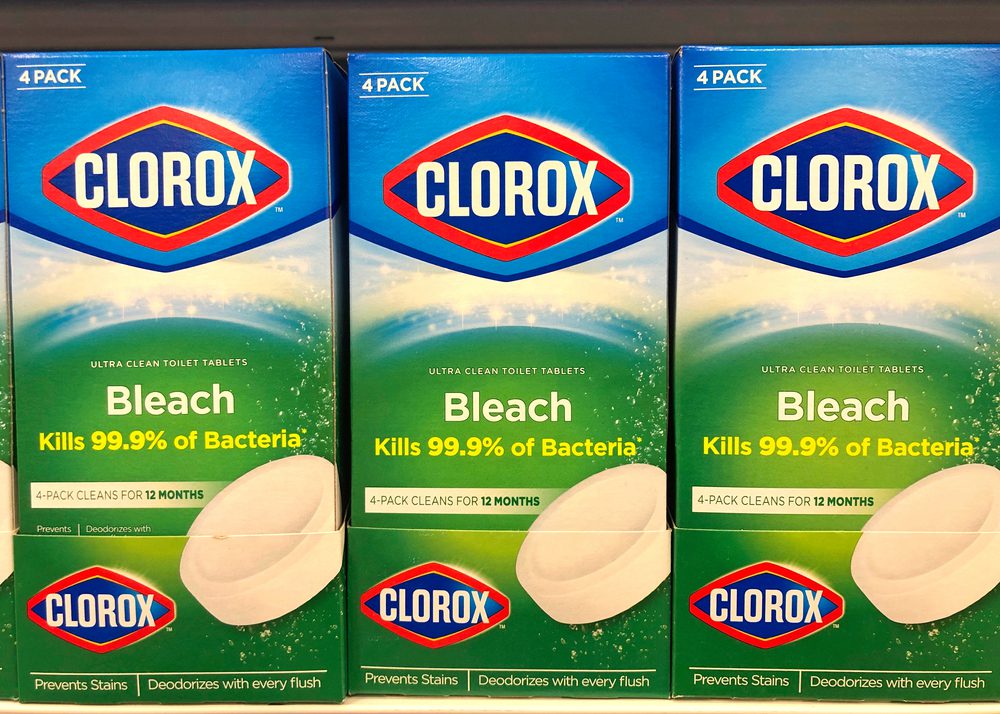
Bleach tablets are often marketed as a convenient alternative to liquid bleach. Many people buy them for their compact size and ease of storage.
However, professionals warn that these tablets can cause damage to certain materials and are not as versatile as liquid bleach. For most cleaning needs, liquid bleach or other disinfectants are more reliable choices.
7. Disposable Cleaning Wipes
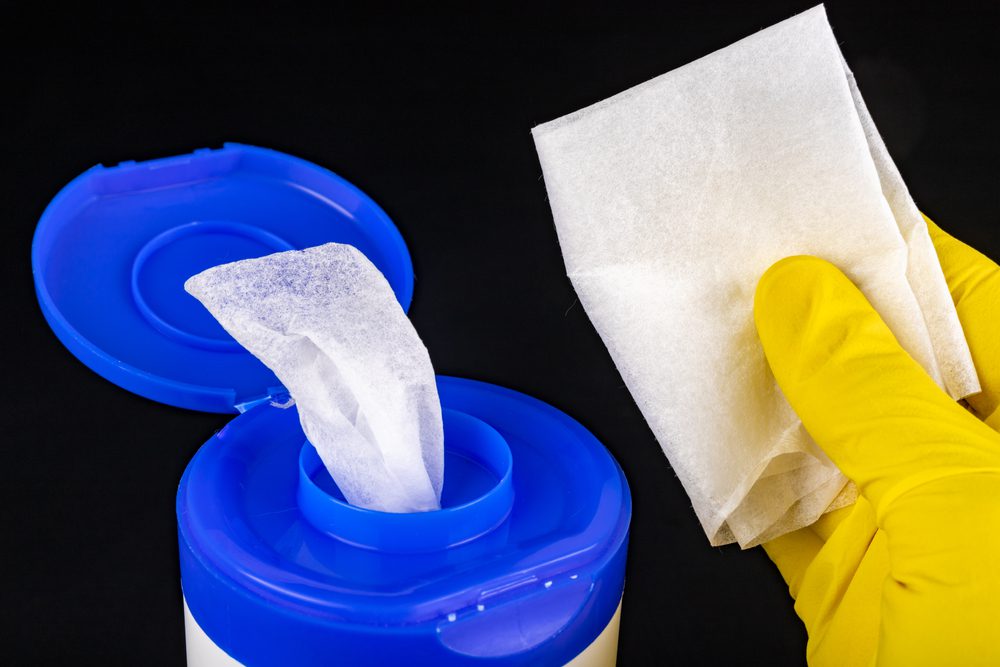
Disposable cleaning wipes are popular for their convenience and promise of killing germs. They are seen as a quick and easy cleaning solution.
However, they can be harmful to the environment and may not be as effective as they claim. A reusable cloth with an appropriate cleaner often works just as well, if not better.
8. Furniture Polish
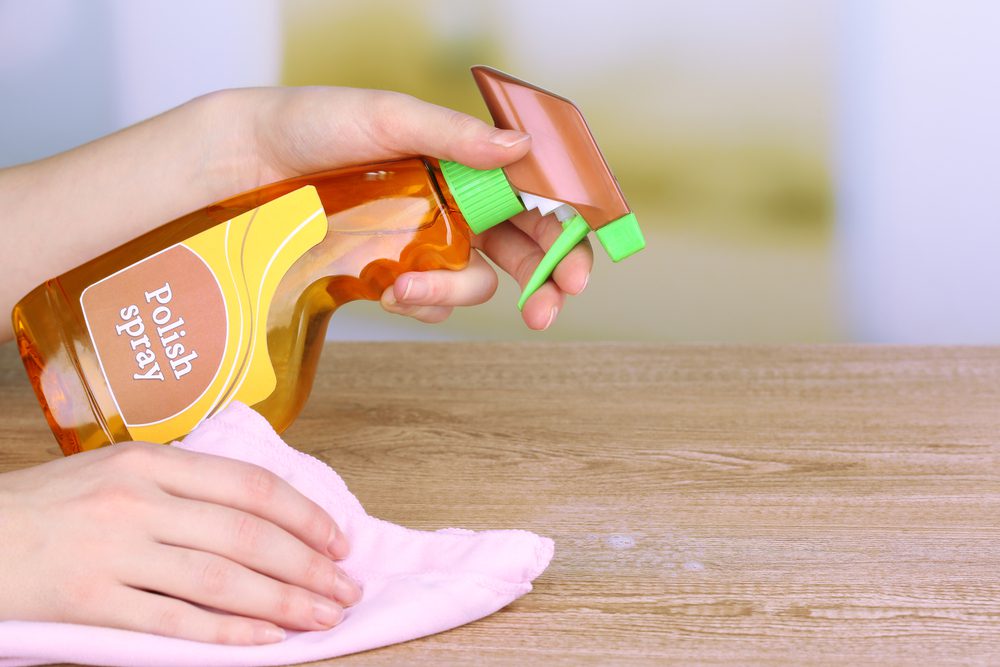
Furniture polish is often used to keep wooden furniture looking shiny and new. Many people use it to protect their furniture and enhance its appearance.
However, professionals often skip this product as overuse can lead to a buildup that attracts dust. Instead, a damp cloth is often enough to keep furniture clean without leaving residue.
9. Carpet Deodorizers
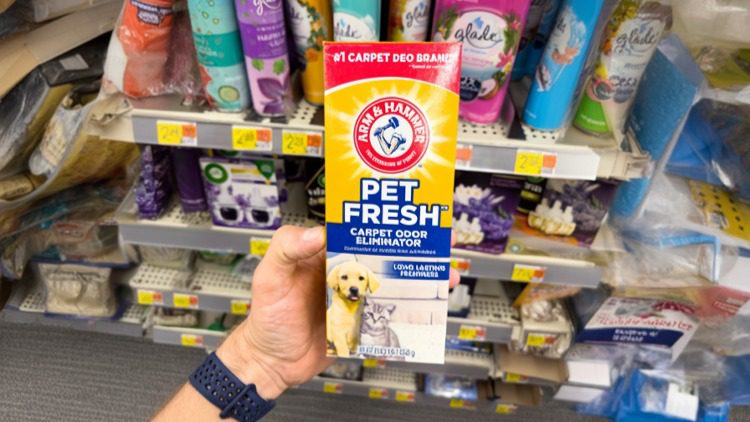
Carpet deodorizers are used to keep carpets smelling fresh. They are often bought to tackle odors from pets, spills, or general use.
However, they can build up over time, causing damage to carpets. Professionals often recommend regular vacuuming and periodic professional cleaning as a better approach.
10. Drain Cleaners
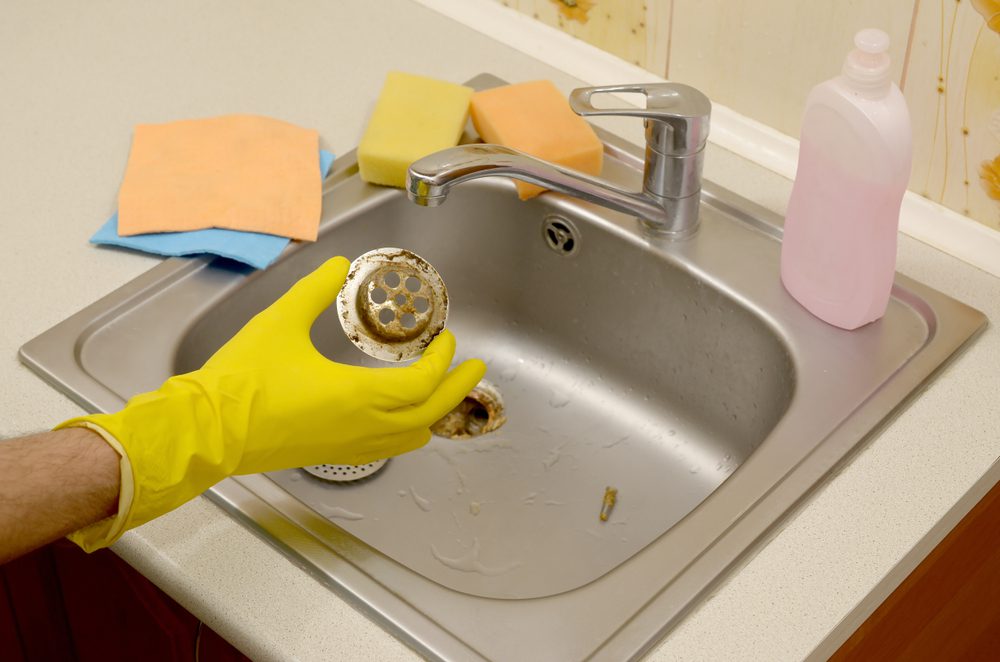
Drain cleaners are often used to unclog drains. They are popular for their promise of quick and easy results without the need for a plumber.
But, these products can be harmful to your pipes and may not be as effective as they claim. Professionals recommend using a drain snake or hand auger as a safer and more effective solution.