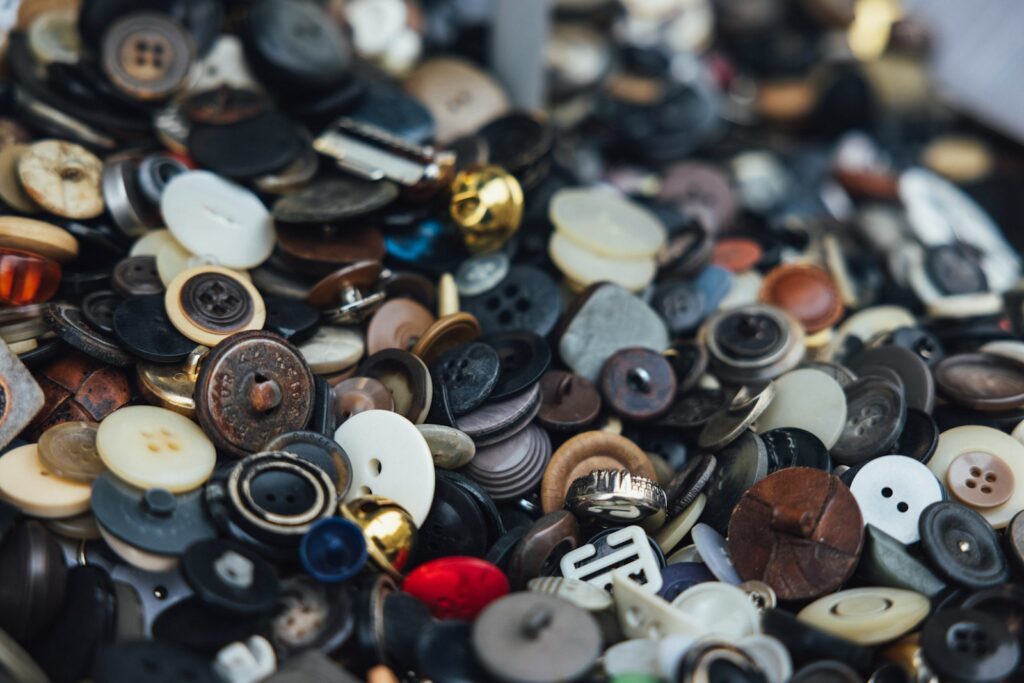
As an avid collector, I’ve spent countless hours rummaging through estate sales, always on the hunt for the next great find. There’s something thrilling about the pursuit, the sense of history and the possibility of unearthing a hidden gem. Unfortunately, estate sale shopping isn’t as simple as spotting a sign by the roadside. It requires skill, knowledge, and a good deal of patience. But, with a few insider tricks under your belt, you can up your game and increase your chances of scoring that coveted collectible. Here are 11 estate sale shopping tricks that every collector knows.
1. Understanding the Art of Early Birding

Estate sale shopping is not for late risers. The best items often get snapped up within the first hour of the sale. Therefore, it’s crucial to arrive early, even before the sale officially begins. This is known as early birding. It might require getting up at the crack of dawn and standing in line for a while, but it can be worth it when you score that rare first-edition book or vintage record.
2. Mastering the Art of Negotiation

Estate sales are not retail stores, and prices are often negotiable. It’s important to learn the art of negotiation, knowing when to haggle and when to pay the asking price. Remember, the goal is to walk away with a great deal, not to offend the seller with a lowball offer. Also, keep in mind that sellers are more likely to negotiate later in the day when they’re looking to clear out the remaining items.
3. Researching the Value of Items Beforehand

It’s easy to get caught up in the excitement of an estate sale and overpay for items. To avoid this, it’s important to research the value of items beforehand. There are several online resources that can help you determine what an item is worth. Books and online databases are great resources for this.
4. Knowing the Difference Between Estate Sales and Garage Sales
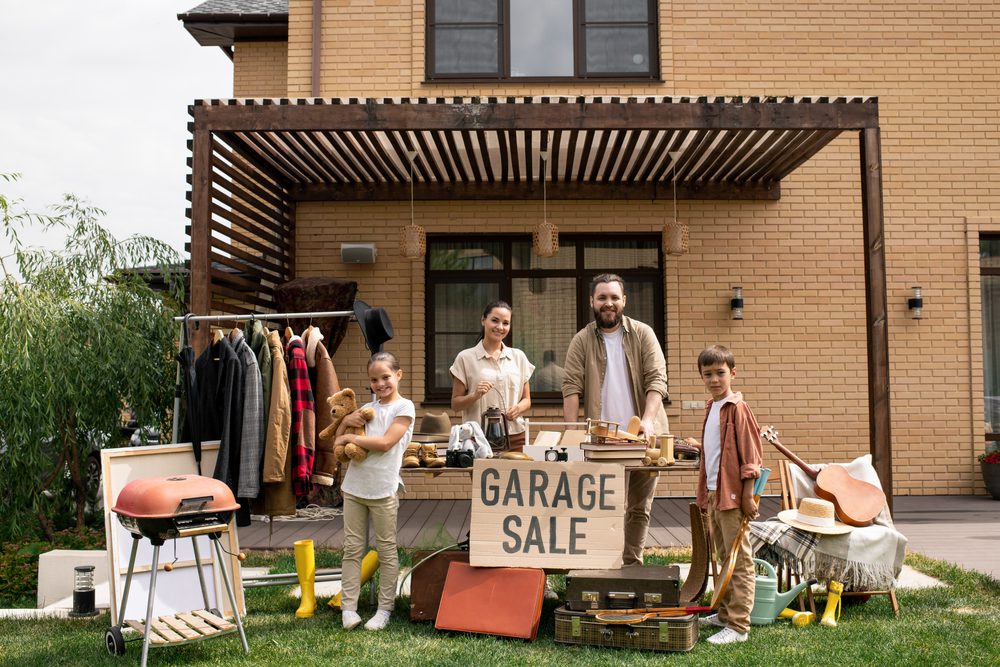
Estate sales and garage sales are different animals. Estate sales often occur after a person has passed away or is downsizing significantly, and the entire contents of a home are for sale. Garage sales, on the other hand, typically involve people selling a few unwanted items. As a collector, you’re more likely to find valuable items at an estate sale.
5. Utilizing Technology for Quick Appraisals

In today’s digital age, you don’t need to be an expert to appraise items on the fly. There are numerous apps and websites that allow you to quickly look up the value of items while you’re at the sale. This can be particularly helpful if you come across an item you’re not familiar with.
6. Keeping an Eye Out for Rare Collectibles

Rare collectibles can be a gold mine at estate sales. But finding them requires a keen eye and a good deal of patience. Look beyond the obvious and dig deep. Check attics, basements, and back corners of closets. And don’t overlook mundane items that might have value, like old postcards, vinyl records, or vintage kitchenware.
7. Getting Familiar with the Estate Sale Company

Getting to know the company running the estate sale can give you an edge. Some companies specialize in certain types of items or have a reputation for pricing items high or low. Understanding their methods can help you strategize your shopping.
8. Being Prepared to Buy in Bulk
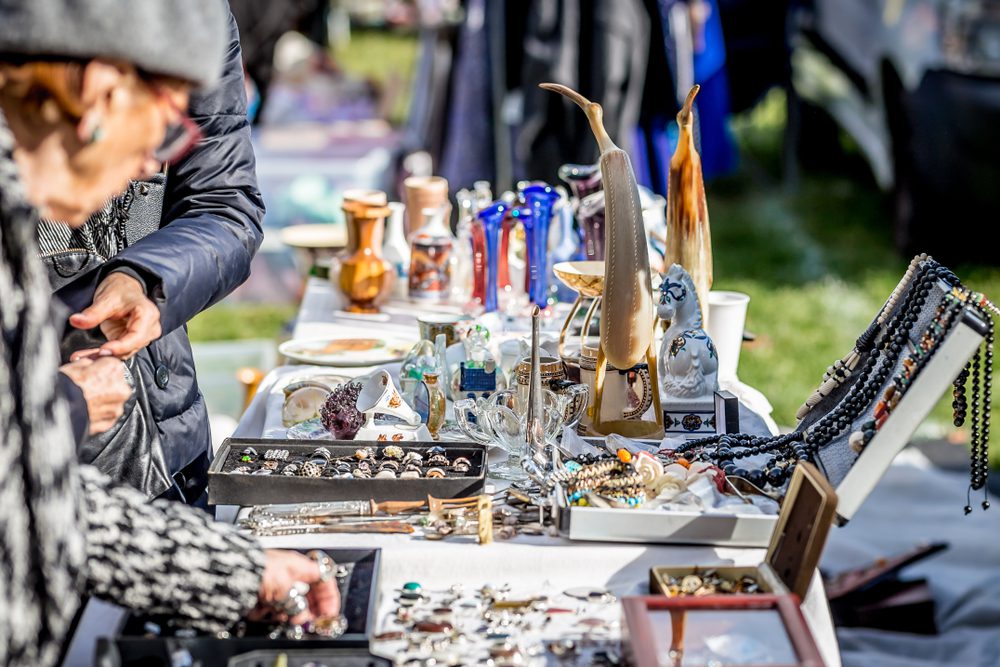
If you see a lot of items you’re interested in, consider making a bulk offer. Sellers often prefer to unload multiple items at once, and you might get a better deal this way. Just make sure you have a way to transport your finds!
9. Learning to Spot Replicas and Fakes

Unfortunately, not everything at an estate sale is as it seems. There are plenty of replicas and fakes out there. Learn to spot the telltale signs of a counterfeit, such as poor craftsmanship, incorrect markings, or materials that don’t match the period of the item.
10. Networking with Other Collectors

Networking with other collectors can be incredibly valuable. They can offer advice, share leads on upcoming sales, and even become buying partners. Many collectors are active on social media and online forums, making it easy to connect.
11. Following Up Post-Sale for Unclaimed Items

Sometimes, items don’t sell during the estate sale. Following up with the seller after the sale can lead to great deals on unclaimed items. Keep in mind that sellers are often eager to clear out the house, so they might be willing to negotiate on remaining items. Country Living provides some great tips on this.