Many of us collect household items thinking they add convenience or style to our homes. Over time, some belongings end up taking up space without providing much real value or use.
Knowing which objects aren’t worth their footprint can help you create a more organized and functional living space. By evaluating what truly matters, you can make better decisions about what to keep and what to let go.
Sandwich press

A sandwich press might seem handy, but it often takes up valuable counter space. You can easily make toasted sandwiches using a frying pan or an oven, which you likely already have.
If you only use it occasionally, its single purpose might not justify the clutter. Keeping your kitchen simple can save you time and effort during cleanup.
DVDs

If you still have a DVD collection, consider how much space it takes. A single unit can hold hundreds, but they quickly add clutter.
Most movies and shows are now available through streaming or digital downloads. This means you can free up physical space without losing access to your favorites.
You might find it easier to keep only a few special DVDs and let the rest go. This reduces your physical media footprint and keeps your space tidy.
Mothballs
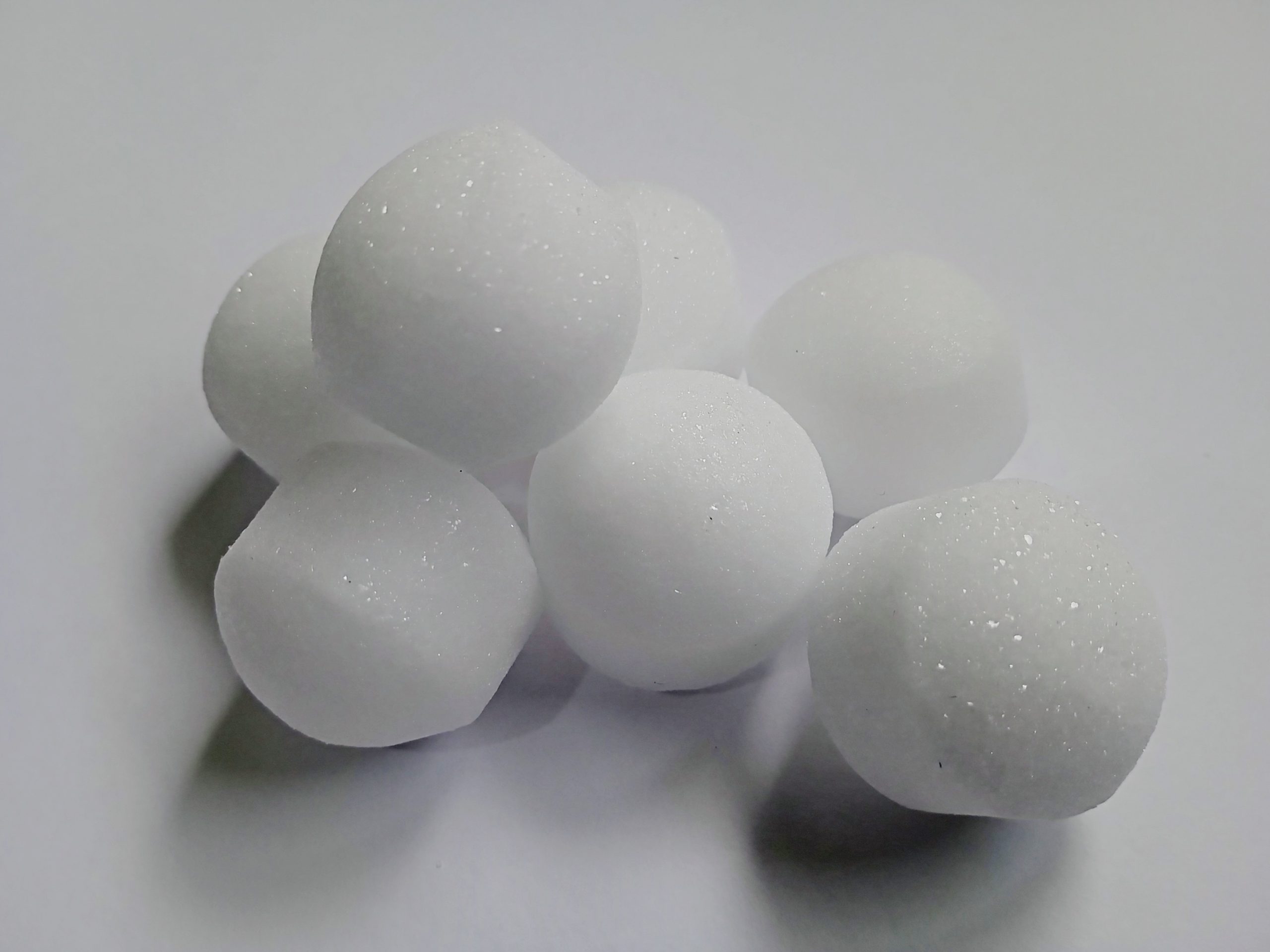
You might use mothballs to protect clothes from moths, but they come with risks. The chemicals can be toxic to you, pets, and the environment if not used carefully.
Mothball fumes can cling to fabrics, so you’ll need to air out and wash your clothes after storage. There are alternatives like scented packets that may work better and are less harsh.
Consider if the small convenience is worth the potential health and environmental footprint in your home.
Plastic bags

You might think using plastic bags just once is harmless. But even if you reuse them, they often end up as waste-bin liners, which still impacts the environment.
Some “bags for life” hold more, but they use significantly more plastic, increasing their footprint. Choosing reusable bags made from durable materials can reduce waste in the long run.
It’s a good idea to keep a few sturdy bags handy to avoid single-use plastics whenever you shop.
Furniture polish

You might think furniture polish is harmless, but many contain chemicals that can harm the environment. These products often use synthetic ingredients that contribute to pollution and waste.
Choosing natural options, like those made with beeswax, olive oil, or citrus oils, can reduce your impact. You can also try simple alternatives like a mix of olive oil and lemon juice for a safer shine.
Using less polish or skipping it altogether can help lower your home’s footprint.
Lead paint
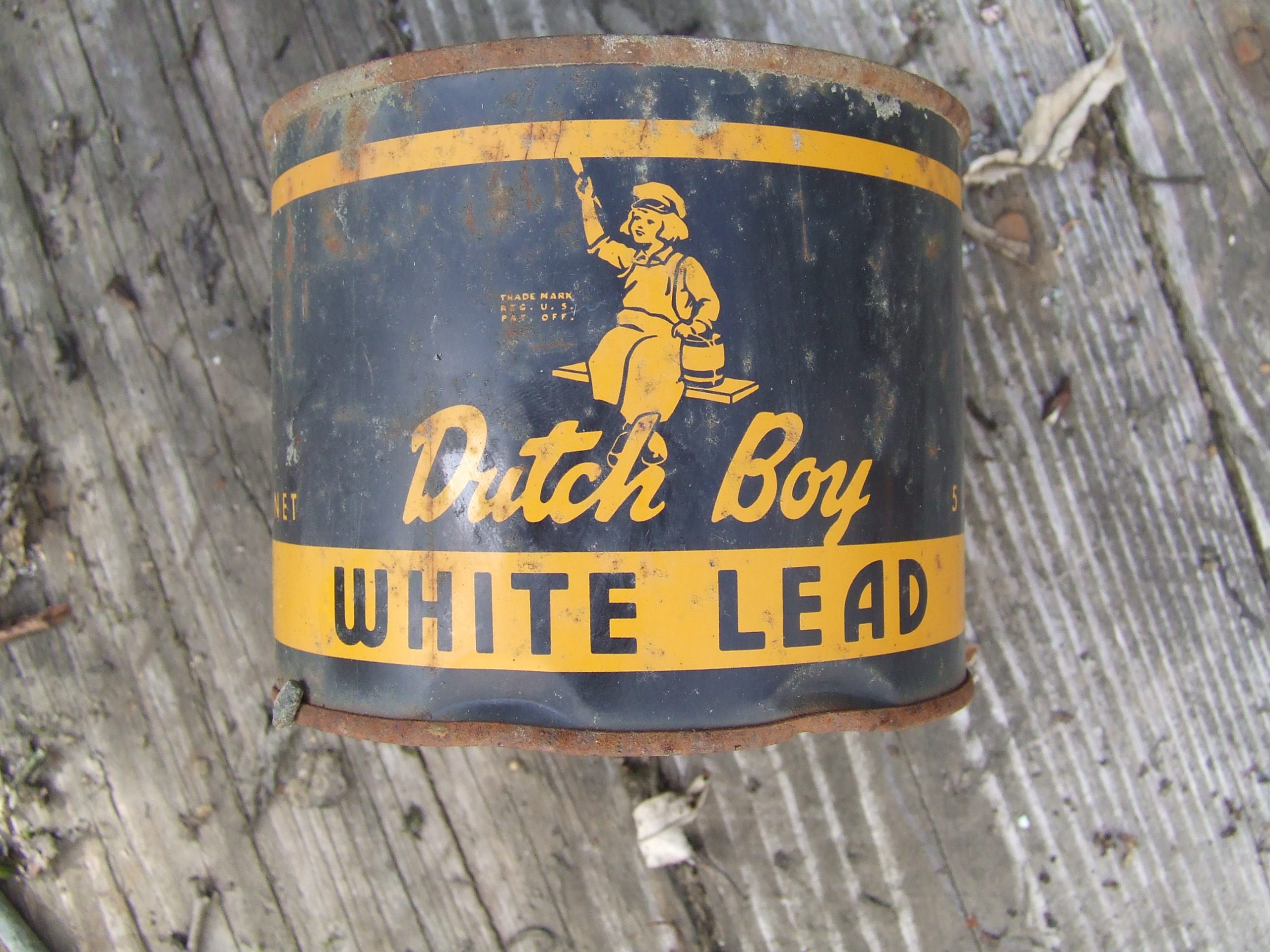
If your home has old paint, it might contain lead, especially if it was applied before 1978. Lead paint is not dangerous when it’s intact.
The risk comes when it chips or creates dust. This dust can spread around your home and be harmful, especially to children.
You should test any peeling or disturbed paint. Removing lead paint requires care, so consider professional help to keep your home safe.
Clothes you don’t wear

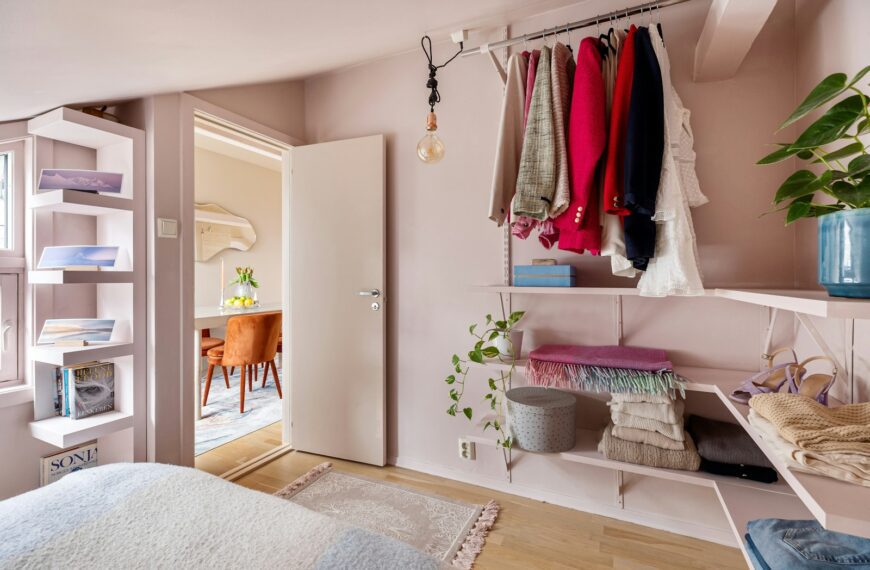
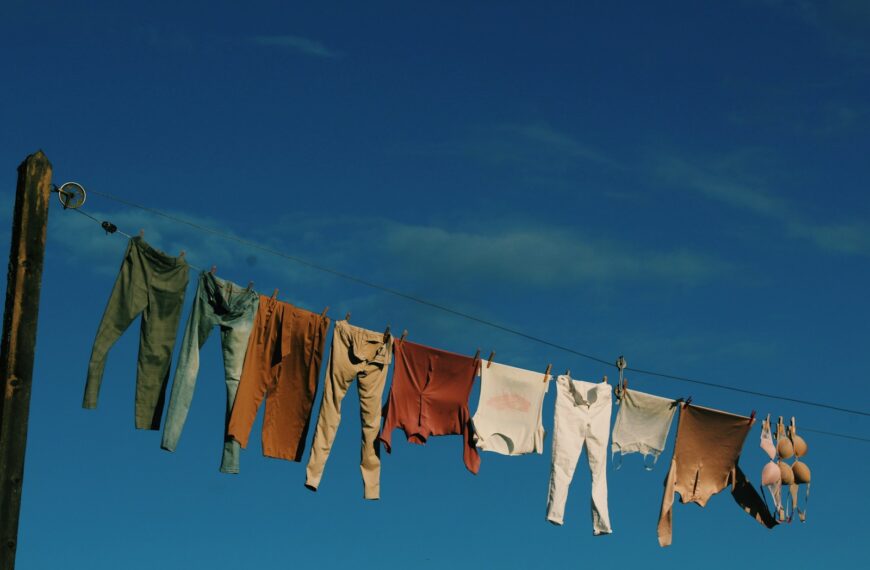
If you have clothes sitting unused in your closet, they add unnecessary clutter and waste resources. Holding onto them means more energy and water were spent on items that don’t serve you.
Consider donating, repurposing, or recycling these pieces. This way, you reduce your wardrobe’s footprint and help extend the life of the fabric. Keeping only what you wear benefits both you and the environment.
Extension cords you rarely use

If you have extension cords that you hardly ever use, they may not be worth keeping around. They take up space and can add clutter to your home.
Unused extension cords also tend to wear out or get damaged over time. Instead of holding onto them, consider donating or recycling them.
Keep only the ones you use regularly and that meet safety standards. This way, you reduce waste and keep your space tidy.
Dead batteries

You might not realize that dead batteries create a lot of hazardous waste. Single-use alkaline batteries, like AA or D, make up a significant portion of household hazardous waste.
Instead of tossing them in the trash, try recycling your batteries. Many states now forbid throwing batteries away with regular garbage because of their harmful chemicals.
Recycling helps recover metals and reduces the need for mining new materials. Plus, repurposing old batteries in DIY projects can give them a second life while cutting waste.
Old condiments
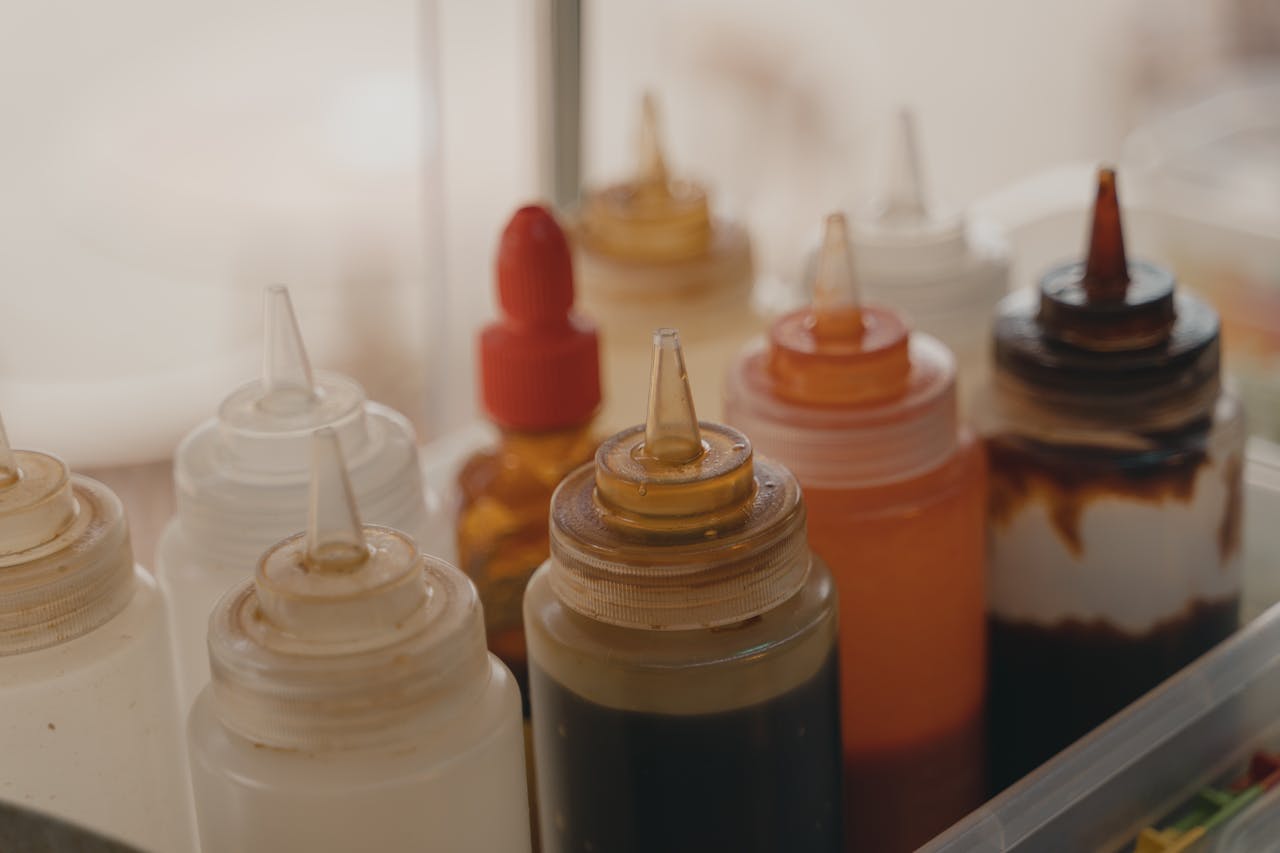
You might keep sauces and dressings long past their prime, but old condiments often lose flavor and texture. They take up valuable space in your fridge or pantry without adding much to your meals.
Throwing them out when expired frees room for fresher, tastier options. Plus, it helps you avoid using products that could spoil or separate. Keeping only the condiments you regularly use cuts down on unnecessary clutter.