Family heirlooms aren’t always dusty keepsakes with more sentiment than value — sometimes, they’re hidden jackpots. From toys you once tossed in a toy chest to a wine bottle gathering dust in the basement, these pieces can turn out to be worth serious money.
Inspired by real auction sales and market trends, this list uncovers the everyday treasures hiding in attics, garages, and old family trunks. If you’ve inherited any of these, you might just be sitting on a gold mine.
1. Vintage toys
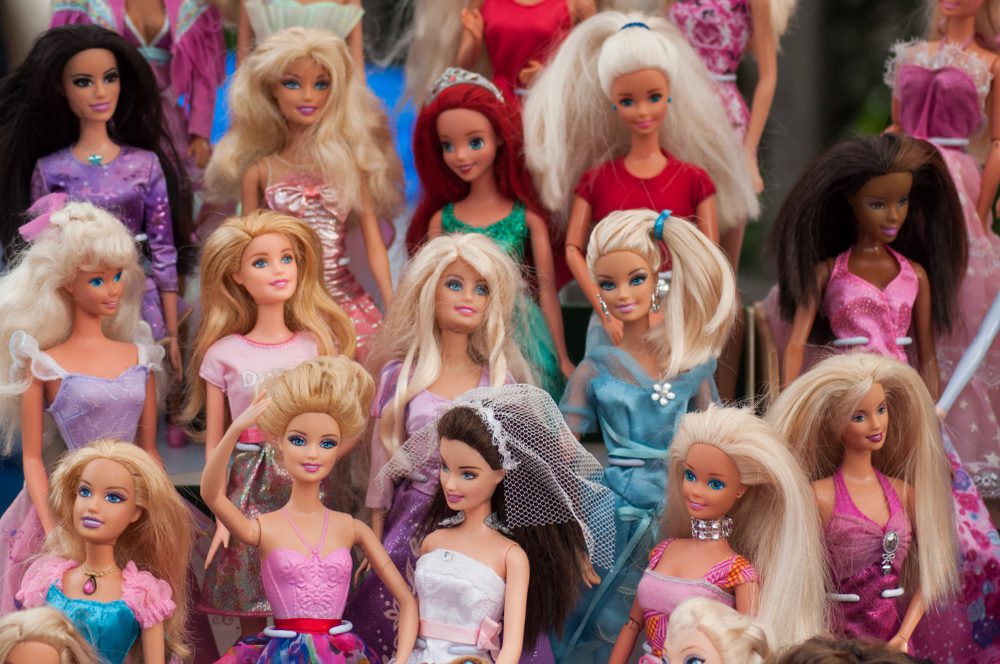
Those toys from your childhood — or your parents’ — could now be worth more than your monthly mortgage payment, especially if they’re in pristine, unopened condition. A mint-condition Barbie from the 1950s once sold for a jaw-dropping $27,450. Star Wars action figures from the original release era can also fetch thousands, even if they’re small enough to fit in your pocket.
The trick? Condition and rarity rule the market. If you find a forgotten toy in an attic box, resist the urge to “test it out” — instead, research recent auction sales, talk to a collector, or consider professional grading before you cash in.
2. Antique furniture
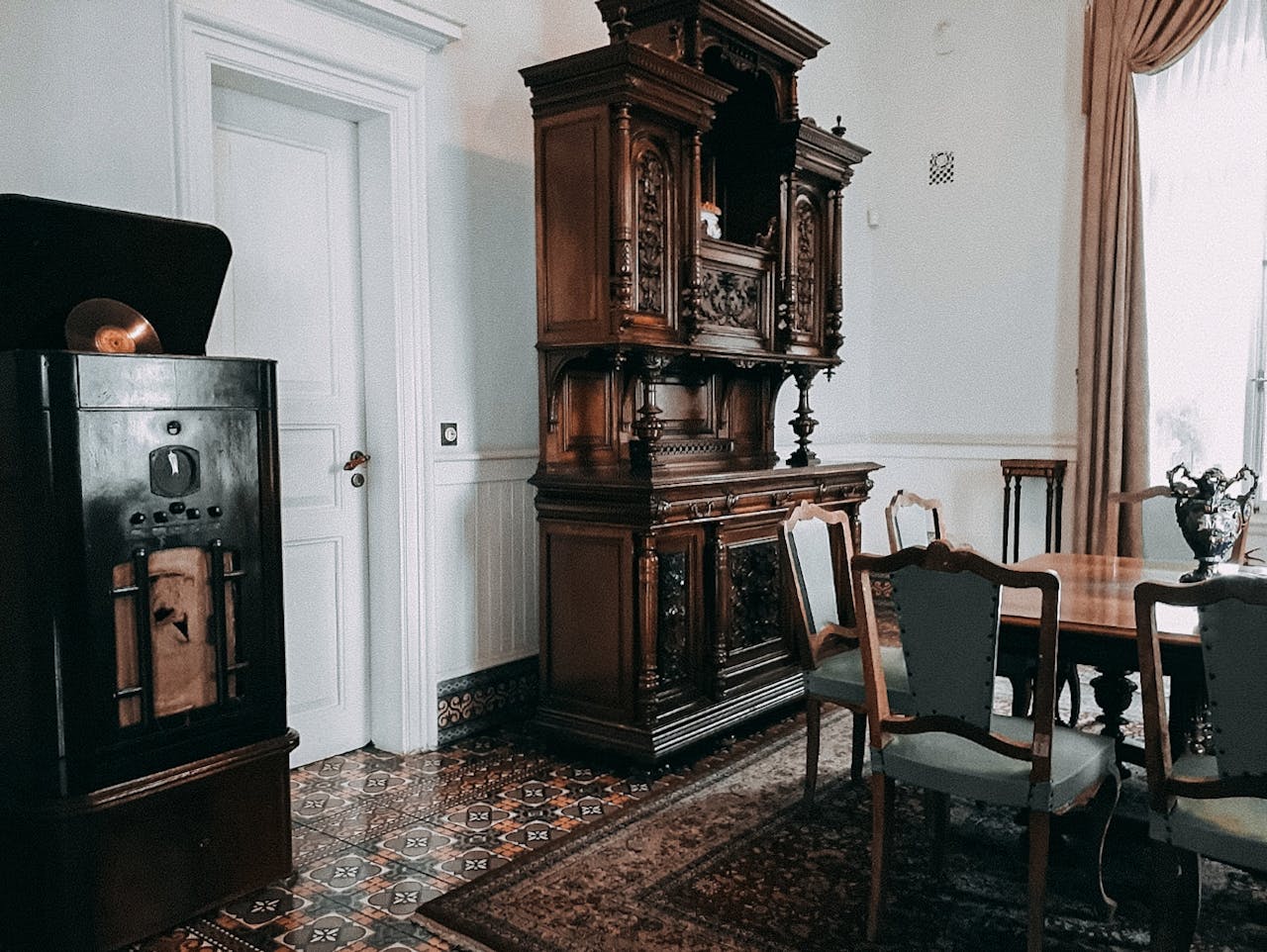
That creaky old dresser you almost hauled to the curb? It might be worth more than your car. In 1990, a mahogany table from the 1730s sold for $4.6 million — proof that age and craftsmanship can transform “outdated” into “investment piece.”
Appraisals are essential with antique furniture. A trained eye can spot wood types, joinery techniques, and historical styles that most people overlook. Before you refinish or donate a piece, make sure you know exactly what you’ve got — you could be sanding away a fortune.
3. Old coins and currency

That jar of coins in the back of a desk drawer might be more than loose change. In 2013, a 1794 Flowing Hair Dollar fetched over $10 million, setting a record for the most expensive coin ever sold at auction. Even modern-era coins can be surprisingly valuable if they have minting errors or limited runs.
The value comes down to rarity, historical importance, and condition. To find out if your stash is worth keeping, reach out to a reputable numismatist or coin-grading service. You might just discover you’ve been holding history in your hands.
4. First edition books

To most people, an old book is just that — old. But to collectors, a true first edition can be a treasure. A first printing of Harry Potter and the Philosopher’s Stone sold for $90,000, making it one of the most sought-after modern novels in the collector world.
Check the copyright page for clues, like a number line or first printing notation. And before you crack the spine or pass it along, consider having it appraised — that dusty volume on the shelf could be worth more than your vacation budget.
5. Vintage posters
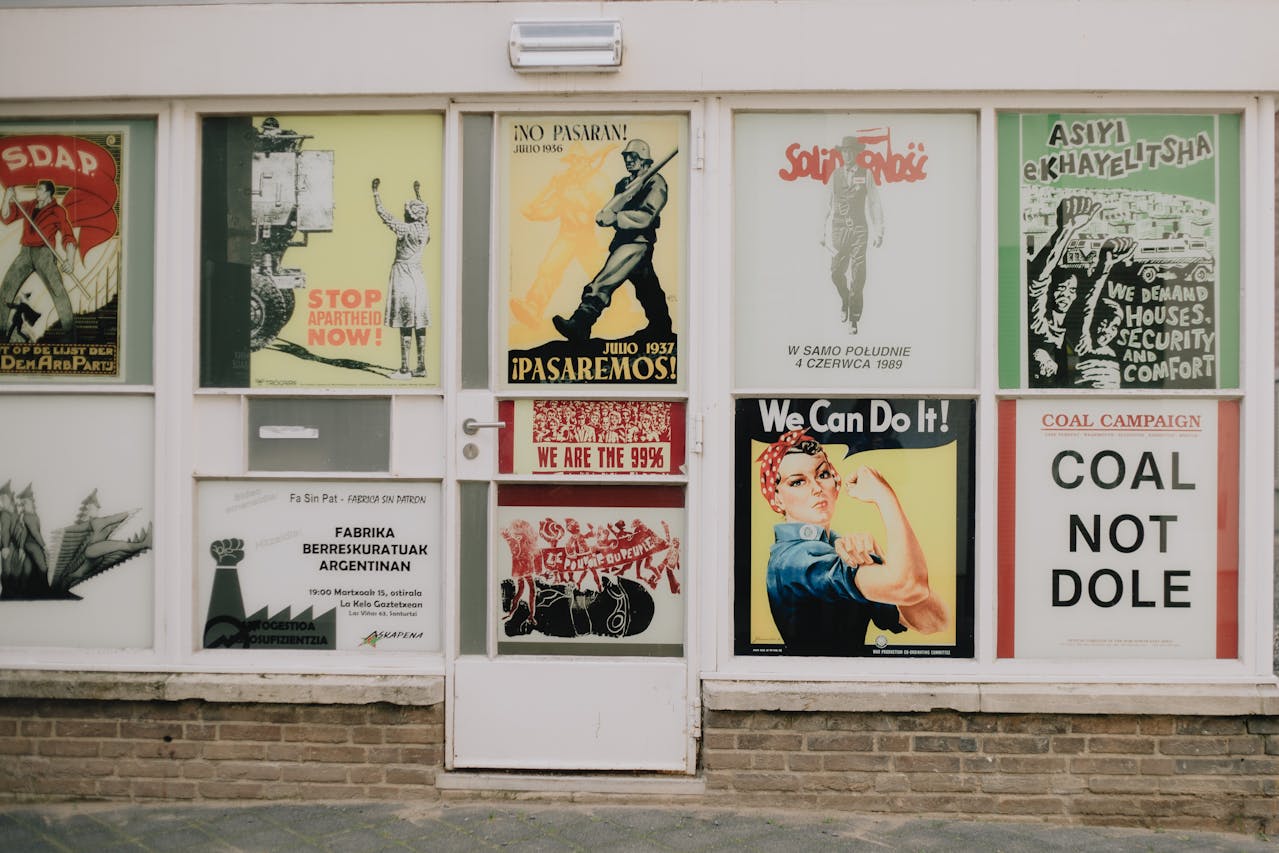
That rolled-up movie poster in your closet could be more than retro wall décor. Collectors will pay top dollar for rare and well-preserved pieces — a 1932 poster for The Mummy sold for $453,500 in 1997. Original posters from classic films, early concerts, or famous political campaigns are especially prized.
Value depends on rarity, condition, and historical significance. Before you frame or toss a poster, check its provenance. If it’s an original print in good shape, it could turn into a very profitable piece of art.
6. Antique clocks
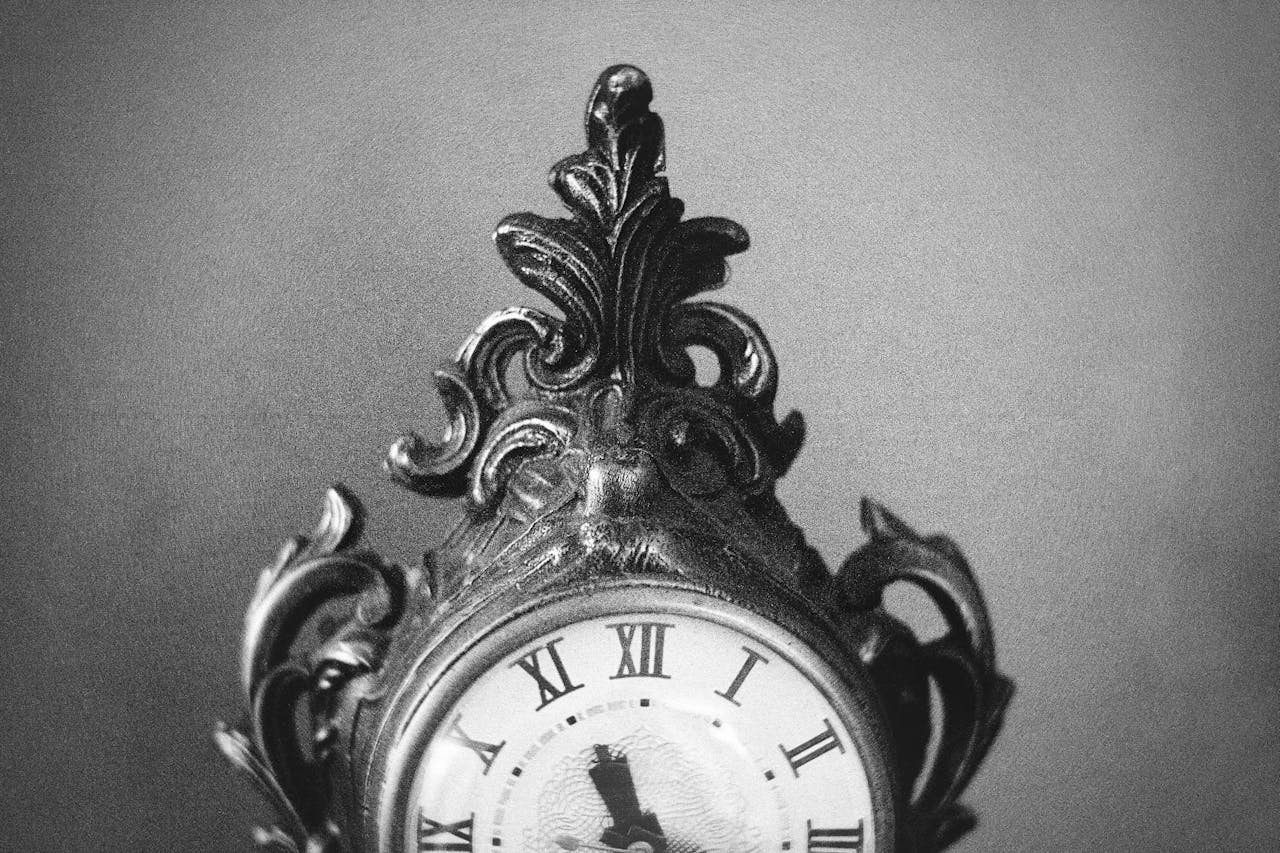
A ticking heirloom might be more than a family keepsake — it could be worth a small fortune. A 19th-century astronomical clock sold for $6 million in 2019, showing that fine craftsmanship never goes out of style.
The maker, age, and uniqueness of a clock can drastically impact its value. If you’ve inherited one, avoid amateur repairs and get it appraised by a horology expert before deciding its fate.
7. Comic books

Superheroes can save the day — and your bank account. A 1938 copy of Action Comics #1, marking Superman’s first appearance, sold for $3.2 million in 2014.
Condition is everything in the comic book world. Even a small crease or faded color can slash the value. If you suspect you have a rare edition, store it in a protective sleeve and get it graded before putting it on the market.
8. Stamp collections
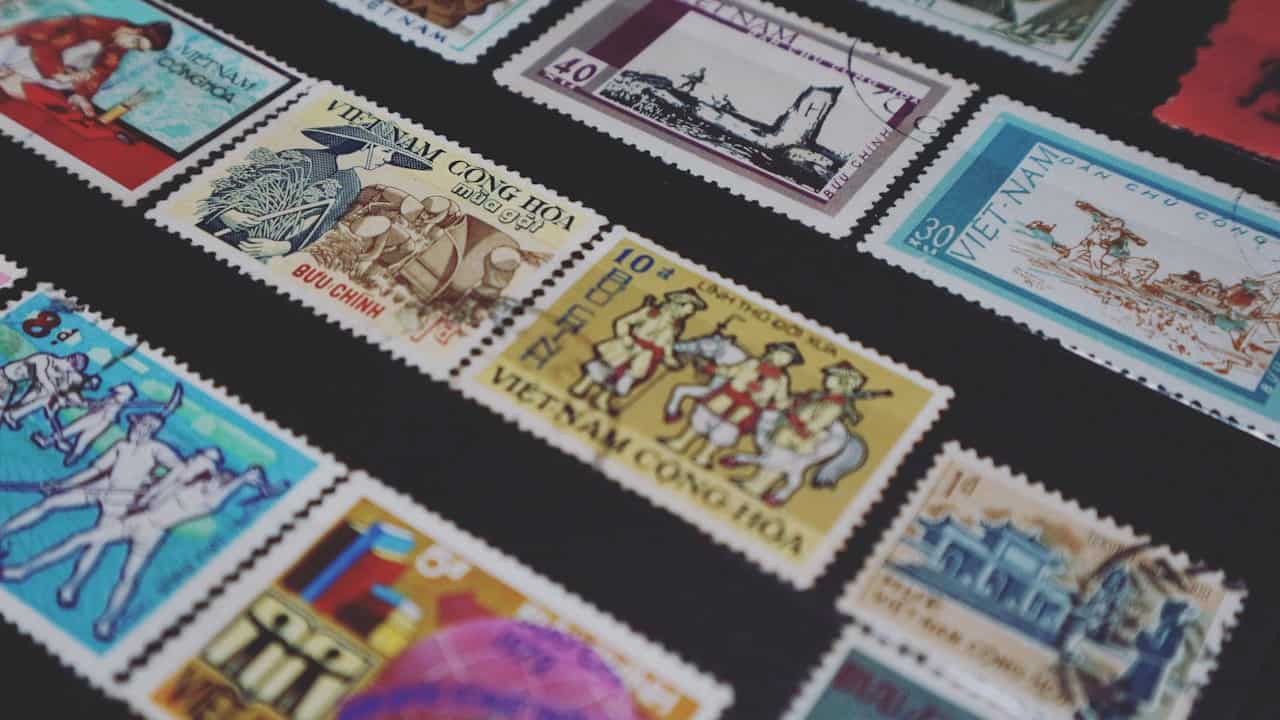
Once considered a quiet hobby, stamp collecting can lead to some loud paydays. The British Guiana 1c Magenta sold for $9.5 million in 2014, cementing its place as the world’s rarest stamp.
The market values rarity, historical context, and pristine condition. If you find an old album in storage, it’s worth having an expert review it before you assume it’s just paper and glue.
9. Antique jewelry
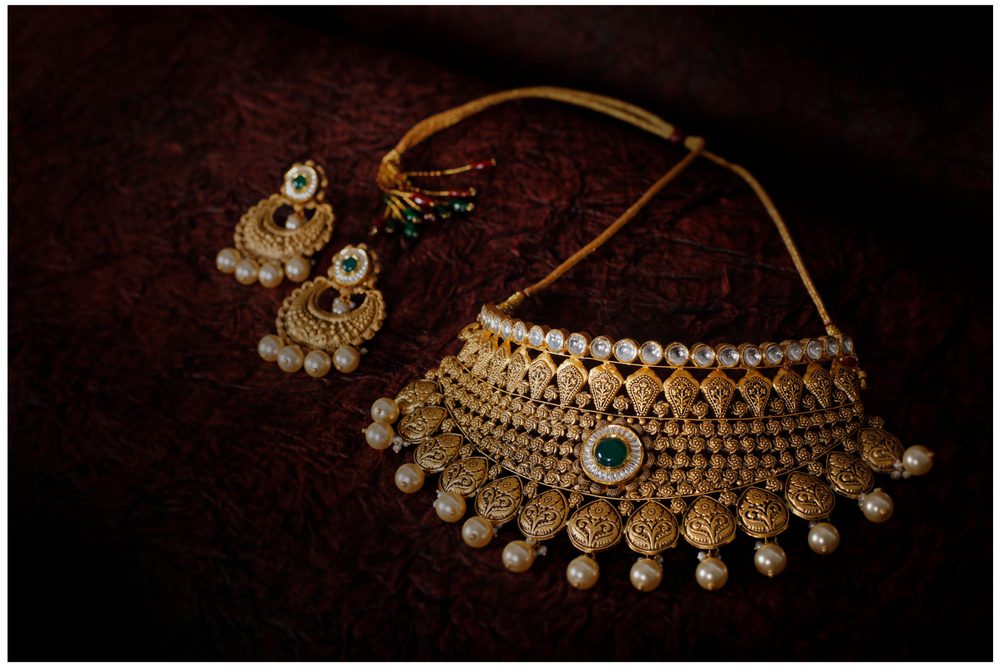
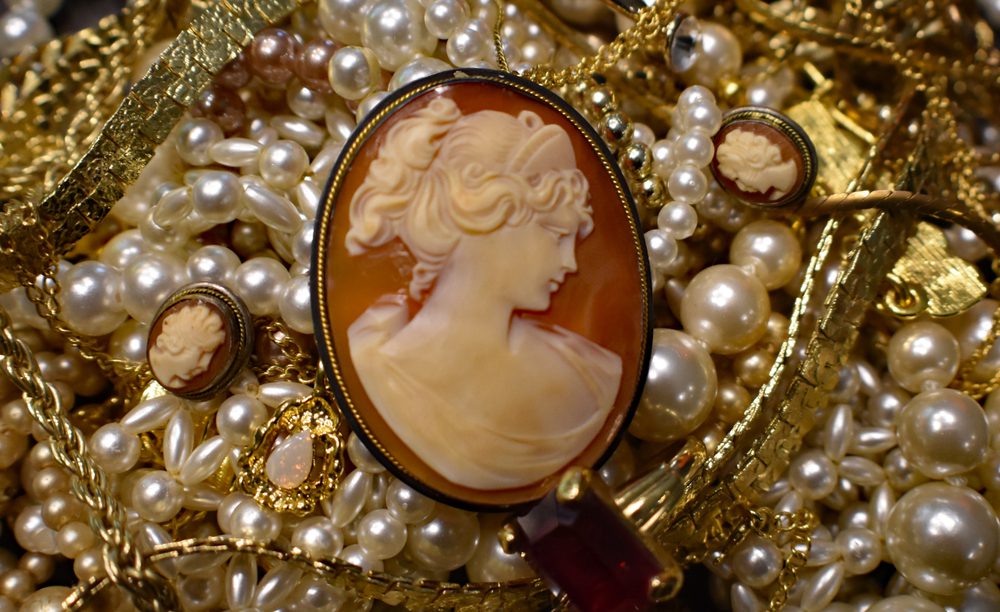
That brooch in Grandma’s jewelry box might be more valuable than it looks. A rare 34.98-carat pink diamond sold for $39.3 million in 2013, proving that age and rarity can send prices soaring.
Gem quality, design, and provenance all affect worth. A certified gemologist can confirm whether your piece belongs in a display case — or an auction house.
10. Antique maps

Maps can chart more than geography — they can lead straight to a collector’s wallet. A 1477 copy of Ptolemy’s Geographia sold for $2.1 million in 2006.
Collectors look for historical relevance, age, and preservation. If you’ve got a rolled-up relic, get a map specialist’s opinion before you decide it’s just wall art.
11. Vintage wine
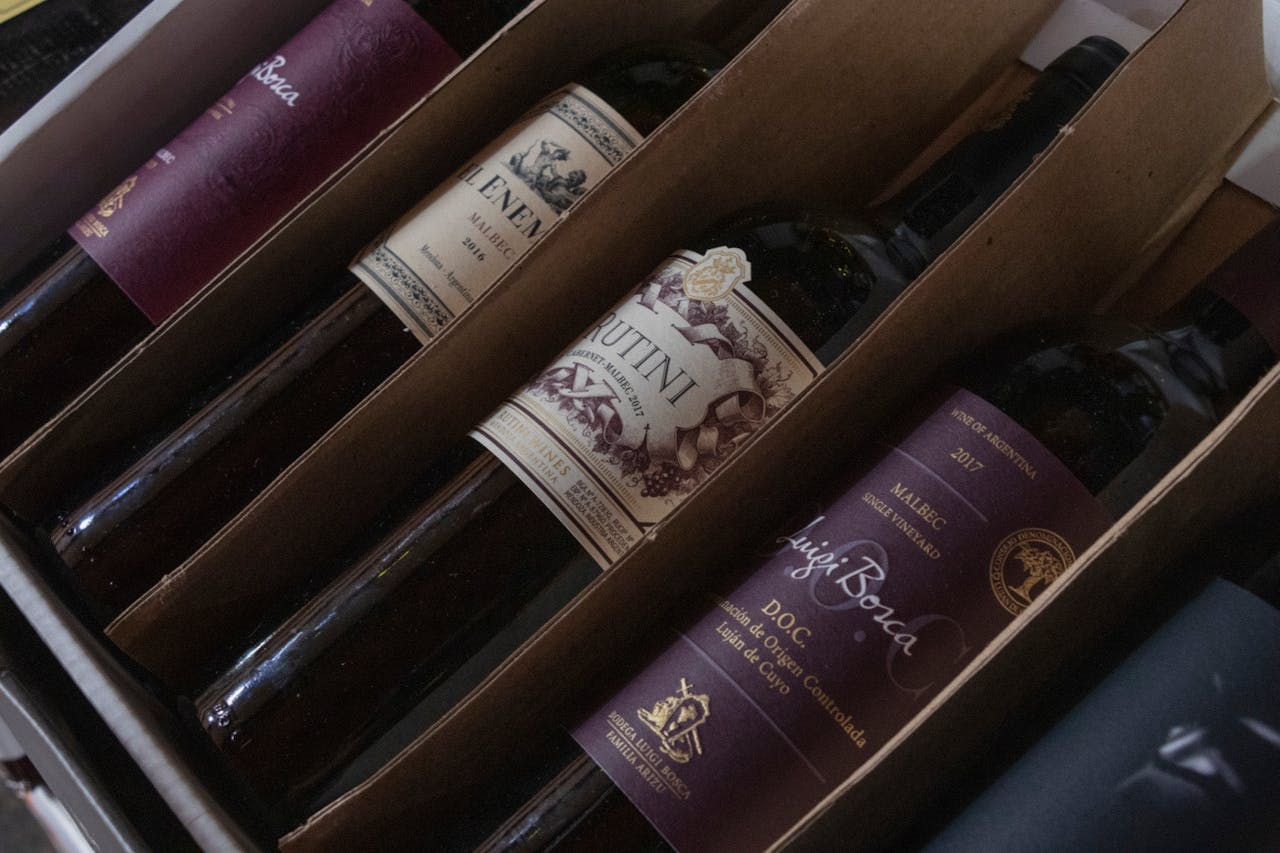
A dusty bottle in the cellar could be liquid gold. A 1945 Romanée-Conti sold for $558,000 in 2018, setting a world record for a single bottle of wine.
The winery, vintage year, and storage conditions all matter. If you think you have a valuable bottle, resist the temptation to pop it open — consult a wine auction house instead.