

Close your eyes and picture Mom’s kitchen in 1955. There is a plastic bowl in the refrigerator, a frozen dinner on a tray in front of the television, and maybe a new gadget everyone on the street wanted to see.

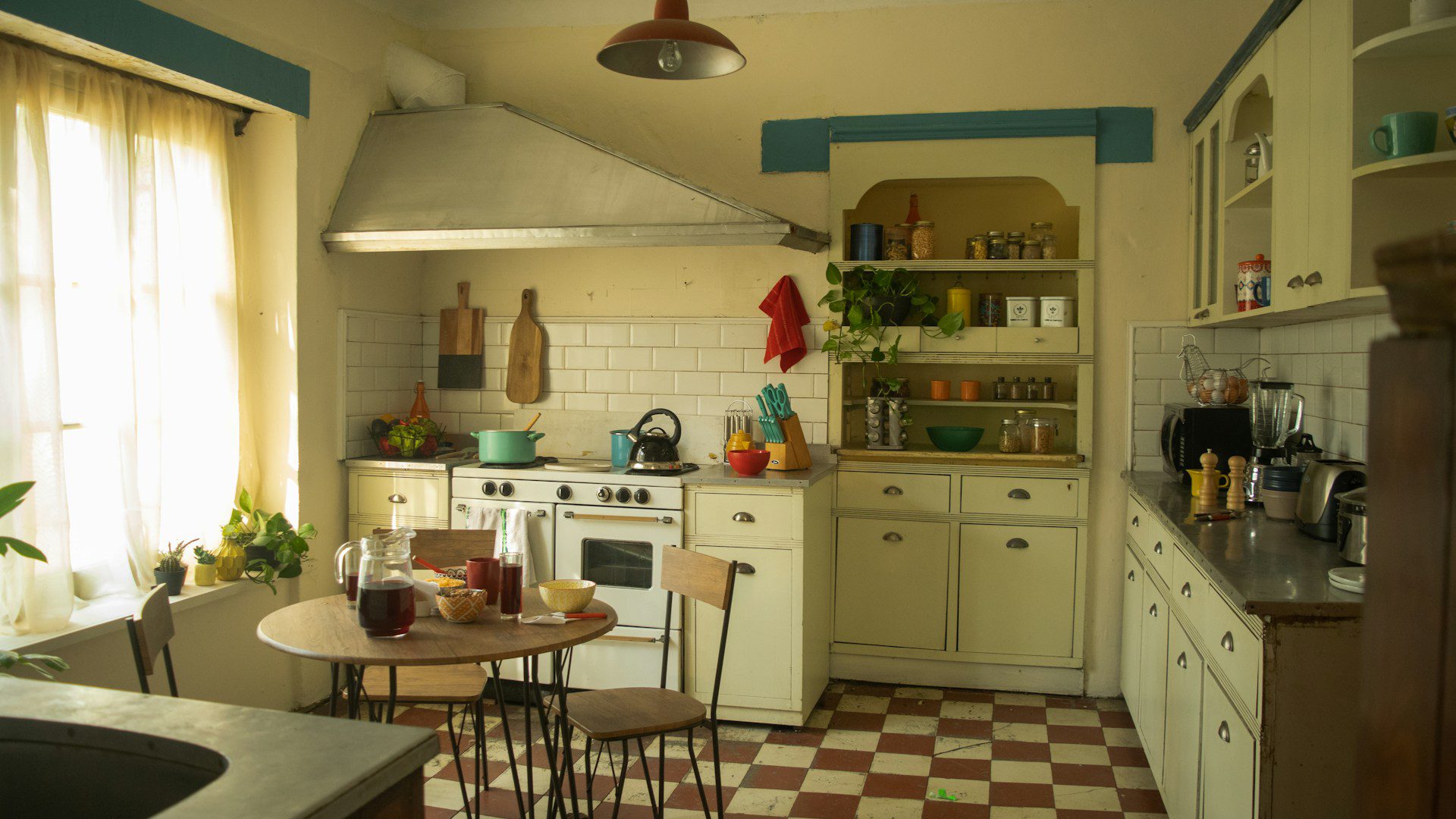
The Smithsonian’s National Museum of American History has kept many of those objects. Its exhibition Food: Transforming the American Table, 1950 to 2000 was covered by Washingtonian in 2012, and the museum’s collection records describe more. Here are 11 kitchen things from the 1950s and 1960s that may bring back memories.
The Tupperware Bowl That Closed With A Burp
The museum’s collection record calls Tupperware a symbol of postwar American home life. Chemist Earl S. Tupper first sold colored, translucent containers in 1942 under the name “Welcome Ware,” then added patented seal lids.
The lid design borrowed from paint-can lids and closed with a “burp” to create a partial vacuum. The museum holds over 100 Tupperware pieces dating from 1946 to 1999.
Brownie Wise And The Tupperware Party
Here is the twist. According to the museum, early retail sales were poor because shoppers did not grasp the product’s benefits.
Michigan’s Brownie Wise developed the home-party method, where demonstrators showed how the pieces worked. The museum says the model made Tupperware a kitchen staple and created sales jobs for some women.
A Minute Maid Juice Mixer In Polyethylene
One museum piece is a tall white polyethylene pitcher, a Tupperware and Minute Maid tie-in dated to about 1949 and about 1953 to 1955. It shows a smiling girl in a bonnet and reads “Minute Maid Large Family Size Juice Mixer.”
The record links it to frozen orange juice concentrate, patented in 1948. Households mixed the concentrate with water in pitchers like this one, giving them orange juice all year when fresh-squeezed juice was often too expensive.
The Millionaire Line Pie Taker
Another Tupperware item in the museum is the “Millionaire Line” 12-inch pie taker, with a container copyright date of 1954 and a liner copyright date of 1956. It is made of polyethylene plastic.
If you ever carried a pie to a church supper or a family reunion, you know why a sturdy carrier mattered. The museum records it among its Domestic Life and Food collections.
Swanson’s TV Dinner Tray Changed Supper
The museum’s record says Swanson introduced the TV dinner in 1954 as a quicker option for women who were increasingly working outside the home but still expected to cook. It says the dinner represented a change in the way Americans were thinking about food.
The aluminum tray measures 7 by 9 by three-quarters of an inch. Washingtonian reports the ad tagline: “Now Mom’s in on the TV fun from the start.”
A Krispy Kreme Doughnut Machine From About 1950
Washingtonian lists a Krispy Kreme doughnut machine from circa 1950 among the exhibition’s objects, one of the first of its kind. It sits beside everyday items from the era.
Anyone who remembers a bakery window with doughnuts rolling by knows the magic of watching them made. Fresh doughnuts were a treat then, and they still are. Maybe someone in your family still talks about the first batch they ever tasted.
The Carrot Stick Cleaner From Around 1959
Washingtonian also lists a carrot stick cleaner from circa 1959 in the exhibition. It reflects the era’s love of single-purpose kitchen helpers.
Many of us had a drawer full of such gadgets. Some were used every week, and some waited years for their moment. If your mother had one, you probably remember where it was kept.
A Chip And Dip Set For Company
The exhibition includes an early chip-and-dip set from circa 1960, according to Washingtonian. Parties at home called for a serving dish that held the crunchy snack and the dip together.
It is easy to imagine one on the card-table at a neighborhood get-together. Little has changed about the way people gather around a bowl of snacks.
The $1,295 Tappan Microwave Oven
The 1955 Tappan microwave oven was one of the first designed for home use, and it cost $1,295, Washingtonian reports. Smithsonian Magazine’s 2024 article by curator Paula J. Johnson says the Tappan RL-1 was about ten cubic feet and was not a commercial success.
By 1976, the article says, microwaves cost about $300. It took years for the idea to reach most homes.
Cheese Whiz And The Backyard Weber
Washingtonian lists Cheese Whiz, invented in 1952, and a Weber backyard grill introduced before James Beard published his barbecue book in 1955. Both belong to the era of casual entertaining.
A jar on the shelf and a grill on the patio meant dinner was easy and friends were welcome. Those two things suggest how much the American table was changing.
Julia Child’s Cambridge Kitchen
Julia Child’s kitchen opens the exhibition. Child donated it to the museum in 2001, hundreds of tools, appliances and furnishings included, and curator Paula Johnson calls her the first food “superstar.”
In Smithsonian Magazine, Johnson writes that chef John Bennett recalled using a “Buffalo iron” on spinach during a 1962 dinner in her Cambridge kitchen. Child called herself a “gadget freak,” and four drawers in that kitchen held tools for cutting, shaping, opening, cleaning, pulling and grabbing.
More Stories You May Like
- Poshmark Stops Covering Overweight Shipping Costs On October 26, So Sellers Shipping Heavy Bundles Will See Five To Fifteen Dollars Or More Deducted From Earnings
- Thrifters Went Back To A Time Capsule House And Opened A Sealed Box From July 1st 1992 For The Very First Time
- Woman Gave Away Her Whole Decluttered Pile To A Struggling Stranger From Facebook Instead Of Selling It And Says It Made Her Day