Your living room should feel calm, functional, and inviting, but clutter and dated pieces can quietly drain that energy. If you are constantly straightening stacks, dodging bulky furniture, or apologizing for the mess, it is probably time to let some things go. Use this list of 11 living room items you should just throw out already as a practical checklist to reclaim space, improve flow, and make room for pieces you actually love.
1) Oversized, Overstuffed Sofas That Dominate The Room
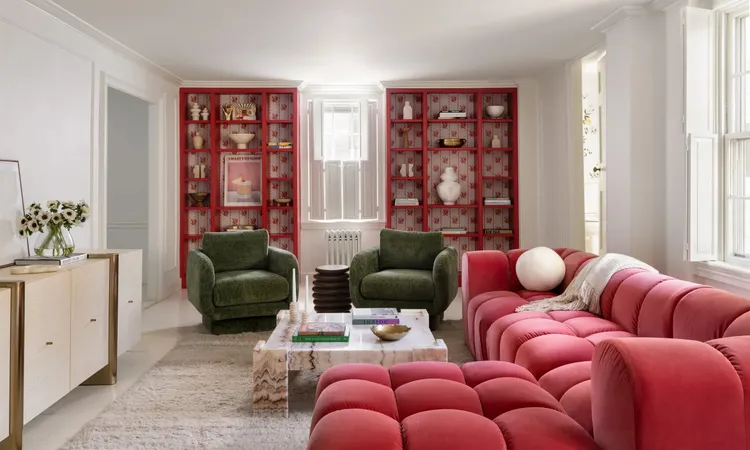
Oversized, overstuffed sofas are often the biggest space hogs in a living room, and they can instantly make the entire area feel cramped and dated. When a single piece of furniture blocks walkways, covers vents, or forces you to push every other item against the walls, it is working against both comfort and style. Design guidance that focuses on small spaces consistently recommends slimmer silhouettes and raised legs, because they visually open up the floor and help light move through the room.
If your sofa leaves no room for side tables or a floor lamp, it is time to let it go and scale down. Swapping to a streamlined sectional or a compact two- or three-seater can create better conversation zones and improve traffic flow. Advice on small living room layouts often highlights flexible seating, like modular sofas or loveseats paired with accent chairs, as a way to maximize both comfort and versatility. The broader trend favors pieces that earn their footprint, so retiring a bulky couch is one of the fastest ways to modernize your space.
2) Cluttered Coffee Tables Covered In “Just In Case” Items
Cluttered coffee tables loaded with remotes, old magazines, half-burned candles, and random mail quickly turn your living room into a catchall. When every horizontal surface becomes storage, it is harder to clean, harder to relax, and easier to lose important items. Decluttering experts often distinguish between things you truly use and things you keep “just in case,” and coffee tables are where those borderline objects tend to pile up. If you cannot set down a drink without moving three other things, the table is doing too much.
Clearing that surface and letting go of extras has an outsized impact on how tidy the room feels. Guidance on what to keep when decluttering emphasizes being intentional about which items deserve a permanent spot, which means most of those old coasters, duplicate remotes, and decorative trinkets can go. Once you pare back to a small tray, a current book, and maybe one plant or candle, the room immediately looks more curated. The stakes are simple: a clear coffee table signals order, while a cluttered one broadcasts chaos.
3) Heavy Curtains That Block Natural Light
Heavy, light-blocking curtains can make even a generously sized living room feel smaller and more closed in. Thick, dark panels that puddle on the floor absorb daylight and visually weigh down the walls, which is the opposite of what you want in a space meant for gathering and relaxing. Design advice that focuses on maximizing square footage regularly points to natural light as a key tool, and window treatments are one of the easiest variables to change.
If your curtains need to be yanked aside just to see the sky, it is worth replacing them with lighter fabrics or streamlined shades. Ideas for what not to keep in a living room often include anything that blocks sightlines or daylight, because those elements make a room feel smaller than it is. Swapping to linen panels, sheer layers, or simple roller shades can brighten the entire space and even reduce your reliance on overhead lighting. The broader implication is that light is a design asset, and heavy curtains that fight it are not earning their keep.
4) Extra Throw Pillows You Constantly Move Out Of The Way
Extra throw pillows that you constantly move, stack, or toss on the floor are a clear sign you have too many. While a few well-chosen cushions can add color and texture, an overflowing pile quickly becomes visual noise and daily annoyance. If guests have to relocate pillows just to sit down, those accessories are no longer decorative, they are obstacles. Over time, they also collect dust and pet hair, which can aggravate allergies and make the room feel less fresh.
Editing down to a smaller, coordinated group immediately calms the sofa and makes the room feel more intentional. Decluttering advice that prioritizes what to keep often highlights versatile, hardworking pieces, which means duplicate patterns, flattened inserts, and scratchy fabrics can be the first to go. Once you donate or recycle the extras, you will spend less time straightening and more time actually using the seating. The trend in modern living rooms leans toward fewer, better textiles, so letting go of surplus pillows aligns with both comfort and style.
5) Bulky Media Centers And Outdated TV Stands
Bulky media centers and oversized TV stands are relics from the era of deep televisions and stacks of physical media. In many living rooms, these pieces dominate an entire wall, even though the electronics they hold have gotten smaller and slimmer. When a cabinet is mostly empty or filled with random storage, it is a strong candidate for removal. Large, dark units can also throw off the balance of the room, making everything else feel underscaled.
Replacing a hulking media center with a low-profile console or wall-mounted solution can free up floor space and improve sightlines. Ideas that focus on cozy, compact living rooms frequently recommend floating shelves, narrow credenzas, or even built-in niches to keep screens from overwhelming the space. As streaming and cloud storage reduce the need for DVD towers and cable boxes, the stakes shift toward flexibility and openness. Letting go of an outdated TV unit can also create room for seating, plants, or art that better reflects how you live now.
6) Worn-Out Rugs That No Longer Anchor The Space
Worn-out rugs with frayed edges, flattened fibers, or stubborn stains quietly drag down the entire living room. Because rugs sit at the visual center of the space, any damage or discoloration becomes a constant backdrop, even if you have updated other pieces. A rug that is too small can also make the room feel disjointed, with furniture floating awkwardly around the edges. When you are constantly adjusting corners or hiding spots under furniture, it is a sign the rug has outlived its usefulness.
Retiring a tired rug and replacing it with a properly sized, durable option can instantly pull the room together. Design guidance for small spaces often stresses using a single, cohesive rug to define the seating area and make the floor feel more expansive. Holding on to a damaged piece, by contrast, signals that the room is in limbo. Letting it go opens the door to materials and patterns that better suit your lifestyle, whether that means a low-pile wool for high traffic or a washable flatweave for homes with kids and pets.
7) Decorative Knickknacks With No Real Meaning
Decorative knickknacks that have no real meaning to you are prime candidates for the donation box. Small figurines, generic signs, and impulse-buy trinkets tend to multiply on shelves and mantels, crowding out pieces that actually tell your story. When every surface is lined with objects, the eye has nowhere to rest, and cleaning becomes a chore. It also makes it harder to highlight items you truly value, like family photos, travel mementos, or original art.
Curating your decor so that each piece earns its place creates a calmer, more personal living room. Advice on what to hold onto during decluttering often emphasizes sentimental or high-quality items, which implies that mass-produced filler can go. Removing those extras can reveal negative space, which is just as important as the objects themselves in good design. The broader trend favors fewer, more intentional accents, so letting go of meaningless knickknacks aligns with both aesthetics and practicality.
8) Old Magazines, Catalogs, And Paper Piles
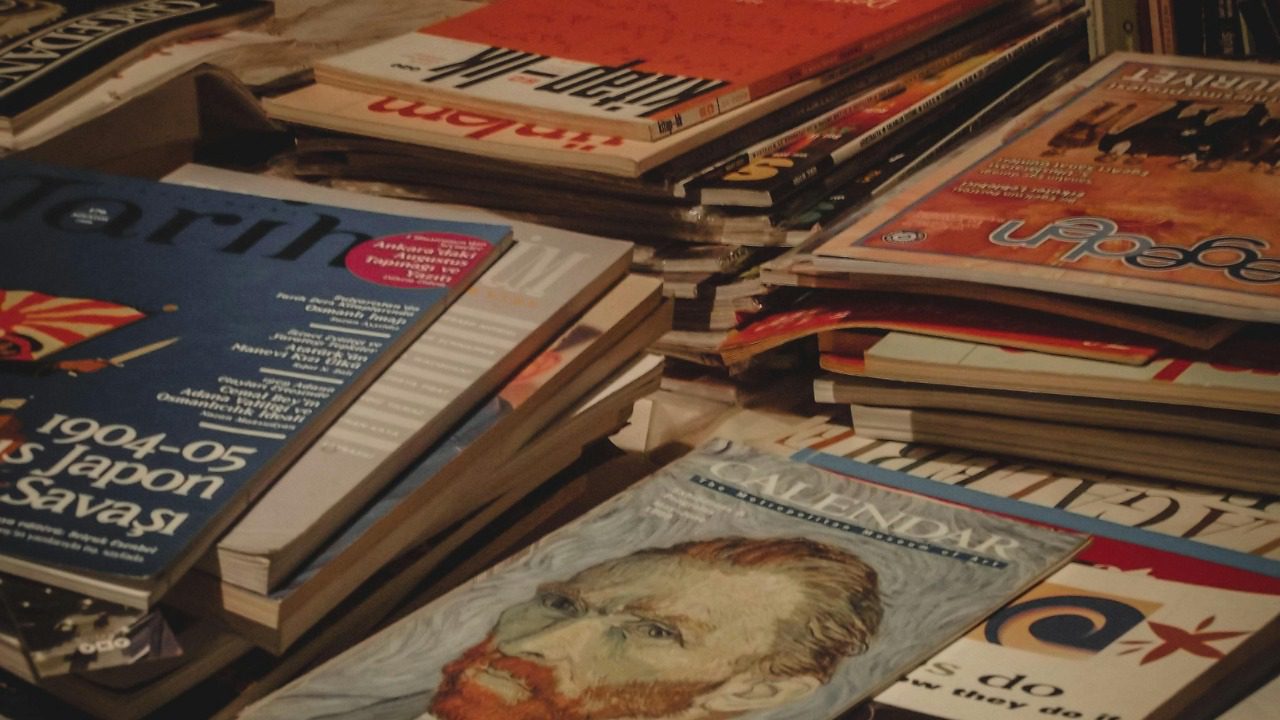
Old magazines, catalogs, and paper piles are some of the easiest clutter to ignore, because they accumulate slowly on side tables, ottomans, and consoles. Yet they are also some of the least necessary items in a modern living room, especially when most content is available digitally. Stacks of outdated issues collect dust, fade in the sun, and visually shrink the room by filling every spare corner. If you have not referenced a magazine in months, it is effectively dead weight.
Recycling these paper piles can instantly lighten the space and make surfaces feel more intentional. Decluttering frameworks that distinguish between active and inactive items would classify old catalogs as inactive, meaning they no longer serve a current purpose. Keeping only a small, rotating selection of current reading material in a basket or tray maintains the cozy feel without the mess. The stakes extend beyond aesthetics, too, since fewer paper stacks mean fewer fire hazards and less to manage during deep cleans.
9) Extra Side Tables That Only Collect Clutter
Extra side tables that exist solely as landing spots for clutter are another category you can confidently cut. While every seat should have a convenient place to set down a drink or a book, duplicate tables that sit empty or hold nothing but random odds and ends are not pulling their weight. They also interrupt the visual flow of the room, especially in smaller spaces where every piece of furniture affects circulation.
Removing redundant tables can open up walking paths and give your remaining furniture more breathing room. Ideas for streamlining living room layouts often highlight multifunctional pieces, like nesting tables or stools that double as seating, instead of a forest of small stands. Once you pare back, you can be more deliberate about how you style the surfaces that remain, which reduces clutter and dusting time. The broader implication is that flat surfaces invite stuff, so fewer unnecessary tables mean fewer places for clutter to land.
10) Cheap, Trend-Driven Decor That Never Really Fit
Cheap, trend-driven decor that never really fit your style is an easy category to release. Think of the impulse-buy wall art, novelty pillows, or metallic accents that looked good in a store display but never quite worked at home. These pieces often date quickly, and instead of elevating the room, they create a disjointed mix of styles. When you keep them out of guilt or because they were “a good deal,” they occupy space that could be used for items you genuinely enjoy.
Letting go of those misfires makes room for more thoughtful additions, even if you add them slowly over time. Curated recommendations for designer-approved decor tend to focus on versatile pieces that work across multiple looks, which is the opposite of one-season trends. By editing out decor that never felt like you, the remaining items start to tell a more cohesive story. The stakes are both financial and emotional, since holding on to regret purchases can keep you stuck in a style that does not reflect who you are now.
11) Broken Or Uncomfortable Seating No One Wants To Use
Broken or uncomfortable seating that no one wants to use is the definition of wasted space. Wobbly chairs, sagging armchairs, and stools with torn upholstery not only look neglected, they can also be unsafe. If guests consistently avoid a particular seat or you find yourself apologizing for it, that piece has failed its core function. Keeping it around “just in case” usually means it becomes a dumping ground for laundry, bags, or clutter.
Removing unusable seating allows you to rethink how many seats you actually need and where they should go. Design advice that prioritizes comfort and flow often suggests investing in fewer, better-quality chairs rather than scattering multiple subpar options around the room. Once you clear out the broken pieces, you can reconfigure the layout to encourage conversation and better sightlines to windows or focal points. The broader trend in living spaces favors functionality and well-being, so retiring uncomfortable seating is a direct investment in how you and your guests experience the room.
More from Decluttering Mom: