Organizing your space doesn’t have to mean reinventing the wheel. Many old-school tricks remain effective because they are simple, practical, and easy to apply in everyday life.
These classic methods help you keep your home tidy and functional without requiring fancy tools or complicated systems. You’ll find that some tried-and-true approaches make a big difference in how you manage clutter and stay organized.
Use a daily to-do list journal to track tasks

You can keep your day organized by writing down tasks in a daily to-do list journal. It helps you focus on what needs to be done without feeling overwhelmed.
Your journal becomes a simple way to check off completed tasks, giving you clear progress each day.
Using a journal also lets you plan appointments, jot down quick notes, and even track small habits like water intake or gratitude. This makes your to-do list more than just chores—it becomes a personal tool for balance.
Set a timer for quick, focused cleaning sessions
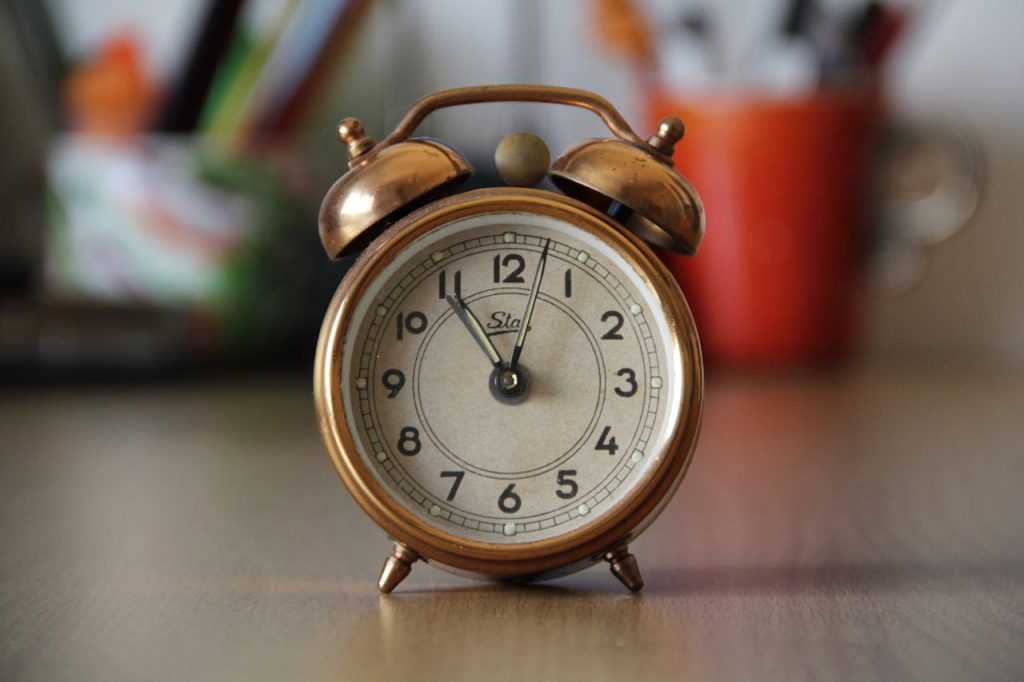
When you set a timer, you create a clear limit for your cleaning task. This helps you stay focused and avoid distractions.
Try dedicating just 10 to 15 minutes to one area, like your kitchen counter or bathroom sink. It makes cleaning feel manageable and less overwhelming.
Knowing there’s a set endpoint can also make the work feel quicker. You might be surprised how much you get done when you’re “on the clock.”
Designate a specific spot for keys and wallet
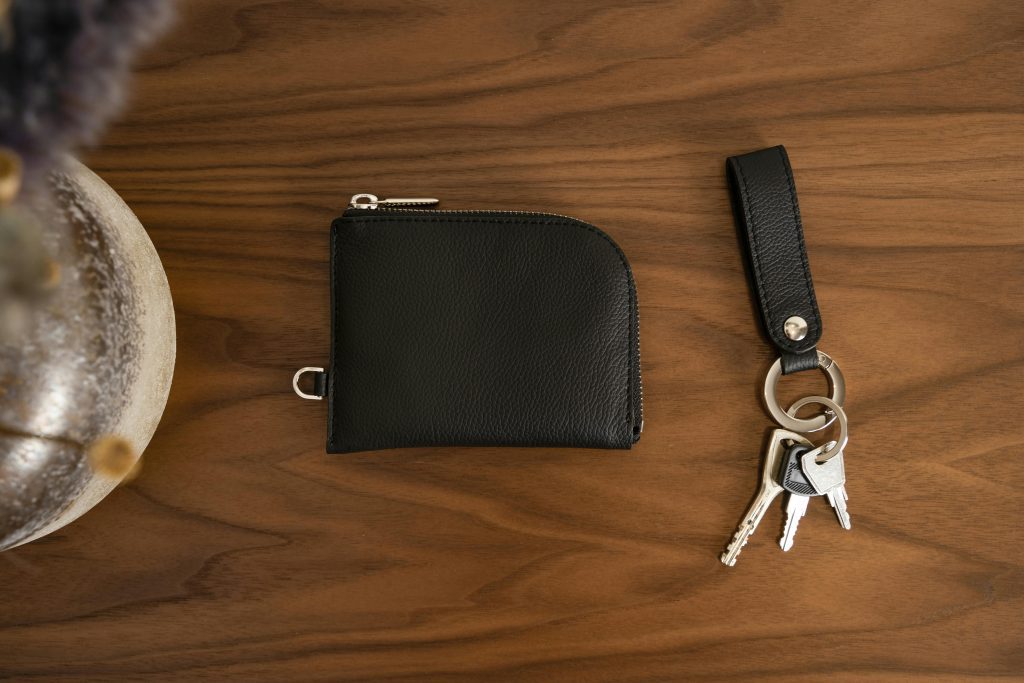
Having a set place for your keys and wallet saves you time and stress. You’ll always know where to find them, especially on busy mornings.
Choose a spot near your door or in a drawer that’s easy to reach. A small bowl or tray works well, or a wall hook if you prefer.
This habit helps prevent last-minute scrambling and keeps your entryway tidy. It’s a simple trick that really makes a difference daily.
Use tiny trays to organize small items like pins and clips.

You can keep tiny trays on your desk or in drawers to hold pins, clips, and other small items. This prevents them from getting lost or scattered.
Using trays makes it easier to find what you need quickly. Plus, it keeps your space looking neat without much effort.
Take 10 minutes before bed to tidy up common areas

You can make a big difference by spending just 10 minutes before bed tidying common spaces. Clear surfaces like kitchen counters or living room tables to start fresh the next day.
Putting items back where they belong right away helps prevent clutter build-up. This small habit keeps your home feeling calm and organized.
Taking a few minutes nightly reduces stress and makes your mornings easier. It’s simple and effective, without needing extra time during your busy day.
Immediately put items back where they belong

You’ll save time and prevent clutter by putting things back as soon as you’re done with them. It’s a simple habit that stops mess from building up.
When you set items down somewhere else, it’s easy to forget where they belong. Getting into the routine of returning things right away keeps your space tidy.
This small change can make a big difference in how organized your home feels every day. Try it, and you might notice less stress from clutter.
Label shelves and containers clearly

Labeling helps you find what you need quickly without digging through everything. Use simple, readable labels for all shelves and containers.
Clear labels also make it easier to put things back in the right spot. You can use printed labels or write by hand—whatever works best for you.
When everything has a clear name, your space feels more organized, and you’ll save time searching for items.
Sort mail immediately to avoid piles.

When you bring in your mail, take a moment to sort it right away. Toss junk mail, set aside bills or important papers, and recycle what you don’t need.
Doing this daily keeps your surfaces clear and prevents overwhelm. It only takes a few minutes but saves you time later.
Create a dedicated spot for mail sorting near your entrance. This small habit can stop piles from building up and keep your home tidier.
Use a physical calendar for appointments and deadlines.

Using a physical calendar keeps your important dates visible all the time. You can quickly glance at it without opening an app or clicking through screens.
Writing things down also helps with memory and reduces the chance of missing deadlines. It feels satisfying to cross off completed tasks.
A desk calendar or wall planner gives you plenty of space to add notes and reminders, helping you stay organized in a simple, no-tech way.
Store important papers in accordion folders.
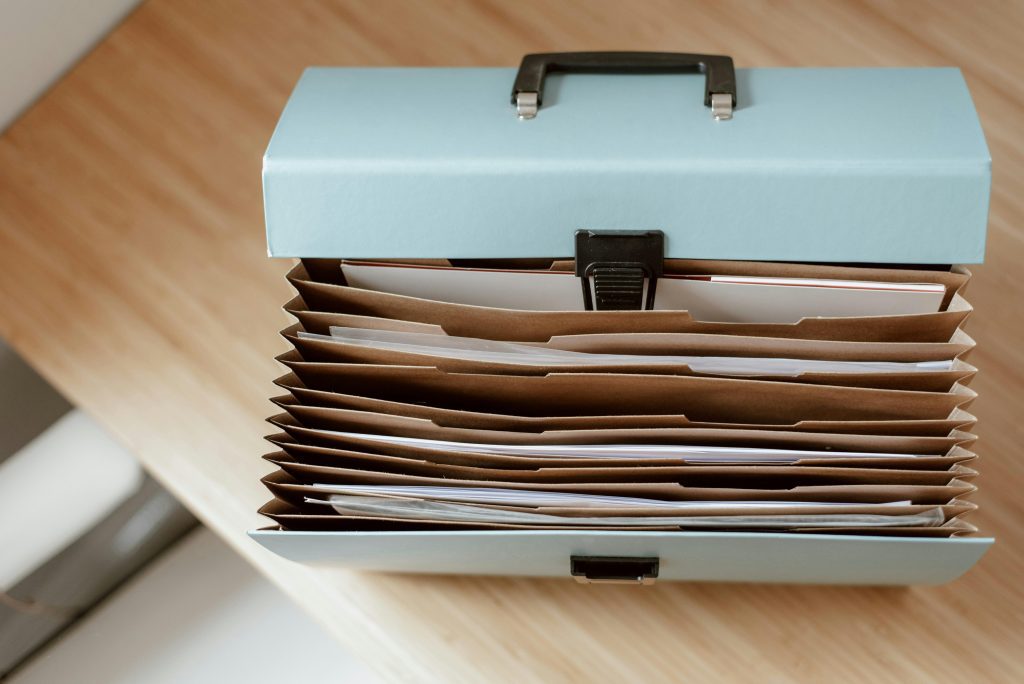
Accordion folders help you keep your important papers neat and easy to find. They have multiple pockets, so you can sort documents by category.
You can also carry them with you easily, making them handy for emergencies or quick access. Label each section clearly to save time searching later.
Using an accordion folder reduces clutter and keeps your papers protected in one place. It’s a simple tool that still works well for organizing.
Like what you read? Here’s more by us: