When prices creep up, the smartest “splurge” is a skill. The old-school habits below—think gardening, sewing, cooking, basic fixes, and more—don’t just cut costs; they build confidence, reduce waste, and make everyday life run smoother. You’ll eat better, repair instead of replace, and find creative ways to refresh your home without blowing the budget.
Start with one thing you can try this week, then stack from there. Small wins add up fast when you’re growing herbs on the windowsill, patching a leak, or pulling off a thrift-store upgrade. Ready to keep more money in your pocket and feel more capable doing it?
1. Gardening
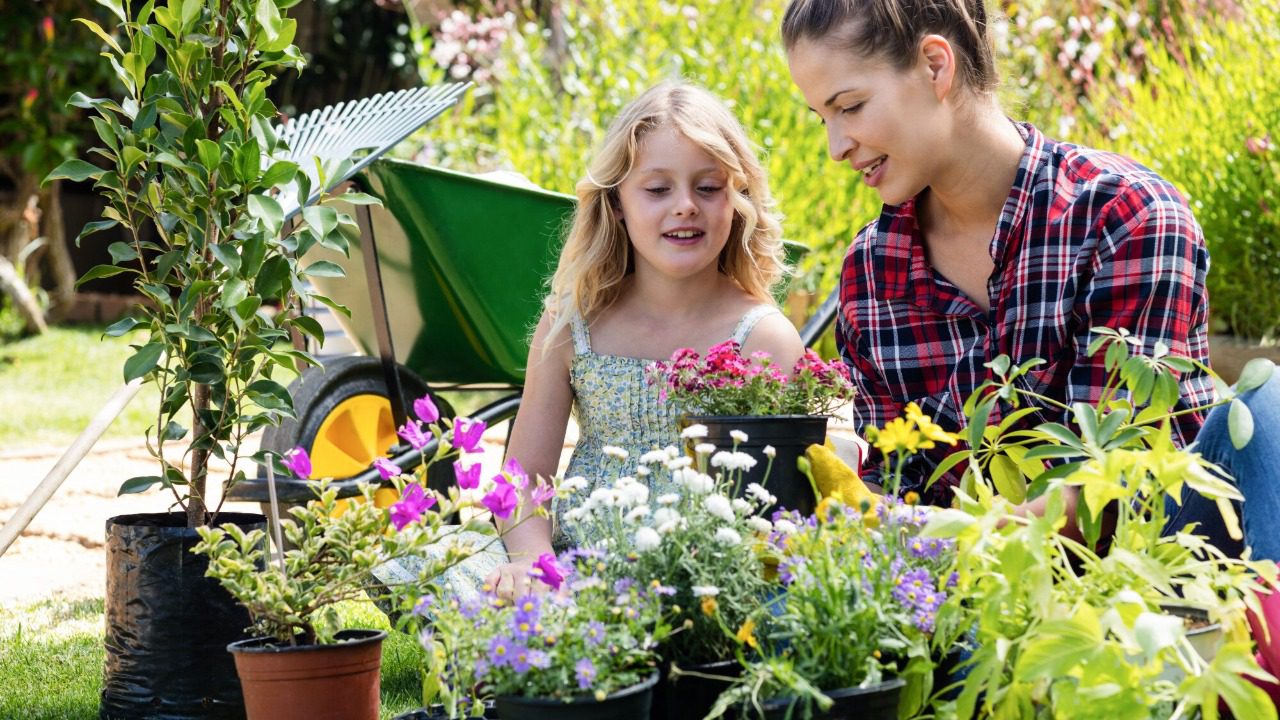
Not only is gardening a therapeutic and relaxing hobby, but it also has the potential to save money on grocery bills. Planting your fruits, vegetables, and herbs reduces the amount spent on produce. Furthermore, the quality of home-grown produce often surpasses that of store-bought, leading to a more satisfying eating experience.
The COVID-19 pandemic has seen a resurgence in home gardening. People are looking for ways to be self-sufficient and reduce their reliance on grocery stores. The process of planting and harvesting your food can provide a sense of security and accomplishment.
2. Sewing
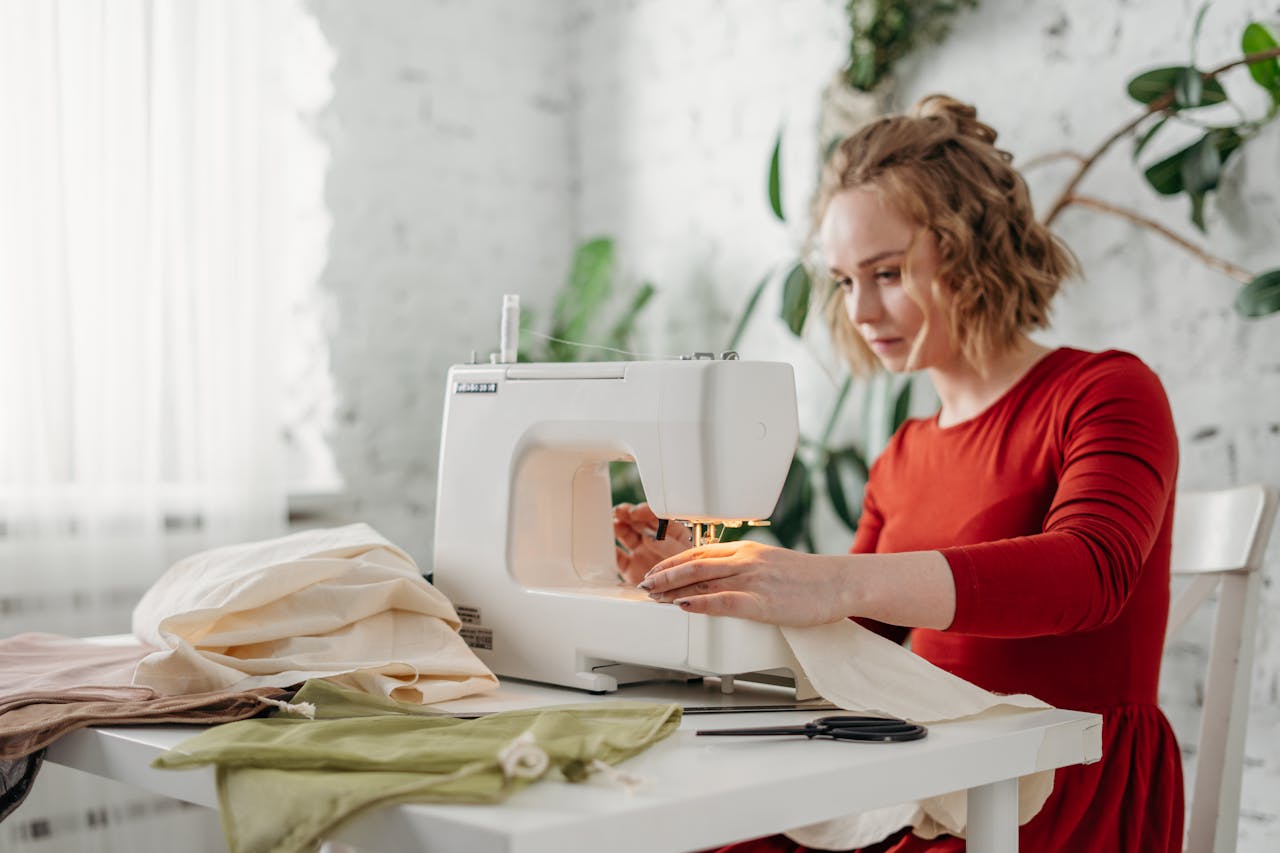
Sewing, once a common household skill, has seen a decline over the years. Yet, this skill can save money in various ways. From mending clothes to creating your own garments, sewing provides an economical alternative to buying new items. Additionally, sewing allows for customization, ensuring a perfect fit every time.
The pandemic has rekindled an interest in sewing, as people started making their own facemasks. This skill can be a money-saver in the long run as fashion becomes more expensive and disposable.
3. Cooking
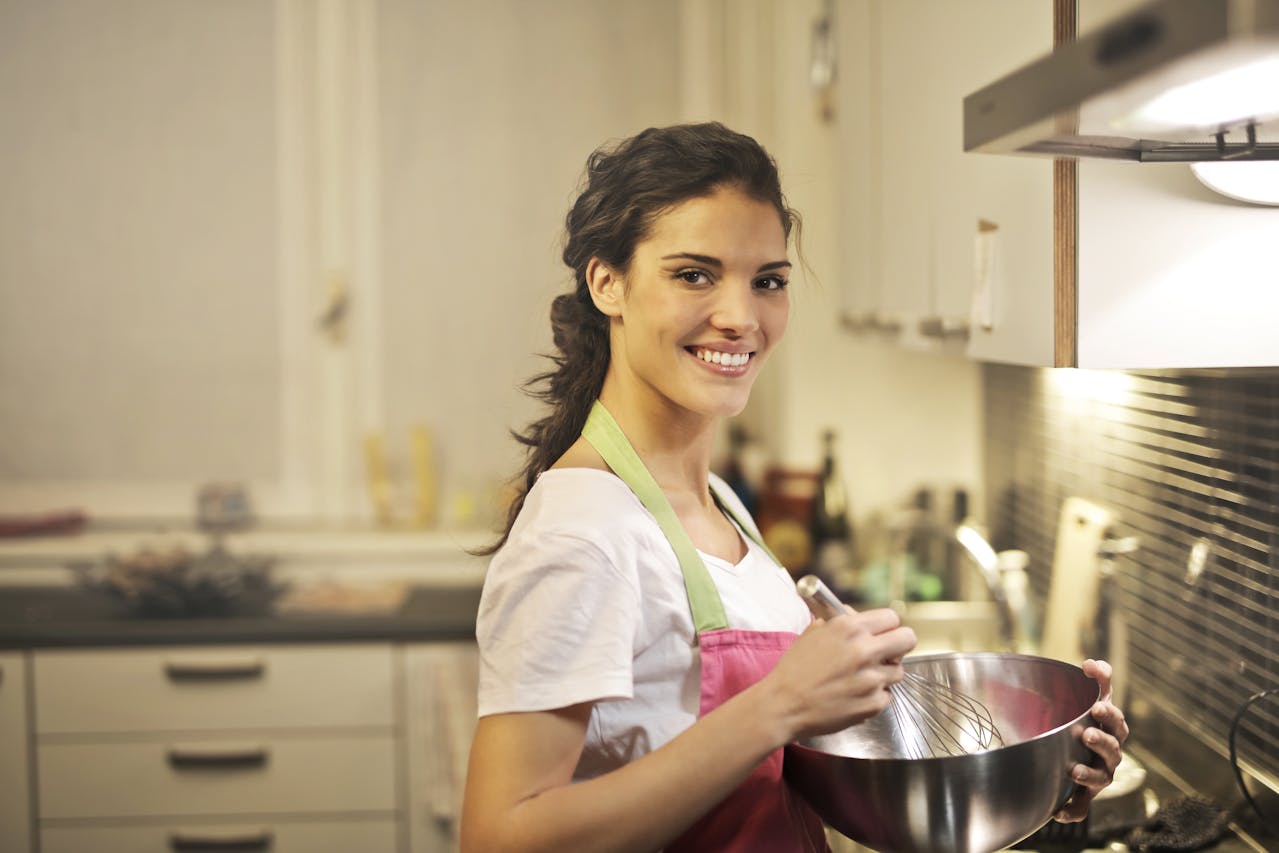
Cooking at home is a money-saving skill that has numerous benefits. It allows for control over ingredients, portions, and costs. Despite the convenience of take-out, restaurant meals often cost significantly more than homemade meals. Moreover, cooking at home can also lead to healthier eating habits.
In recent years, there has been a movement towards home cooking as people become more conscious of their diet and budget. Research from Johns Hopkins Bloomberg School of Public Health found that people who cook at home tend to eat healthier without higher food expenses.
4. Basic Home Repairs

Being able to handle basic home repairs, such as fixing a leaky faucet or patching up a hole in the wall, can save a significant amount of money over time. Hiring a professional for these minor repairs can be costly. Learning these skills not only saves money but also provides a sense of self-reliance.
The DIY trend has been growing, especially among millennials. Business Insider reports that millennials have been leading the way in home-improvement projects.
5. Canning and Preserving
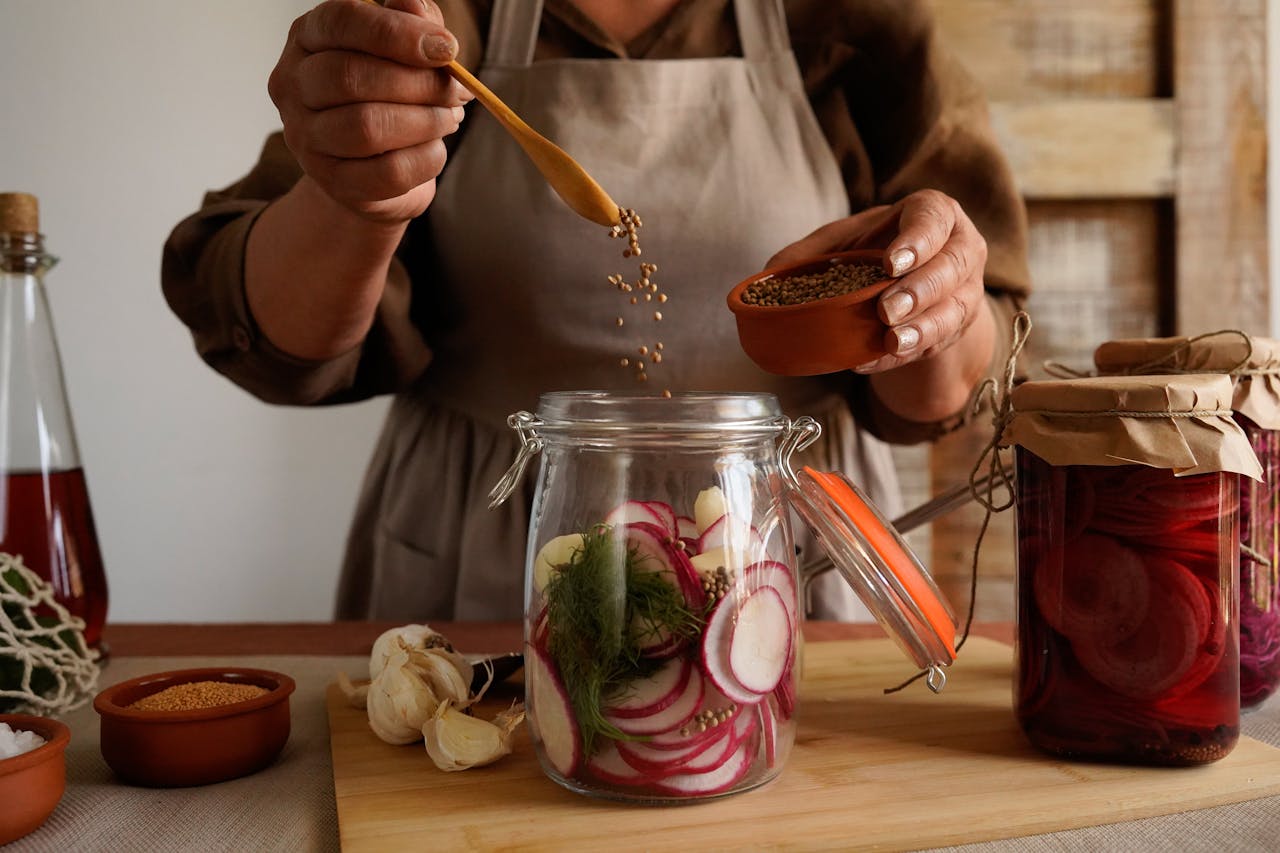
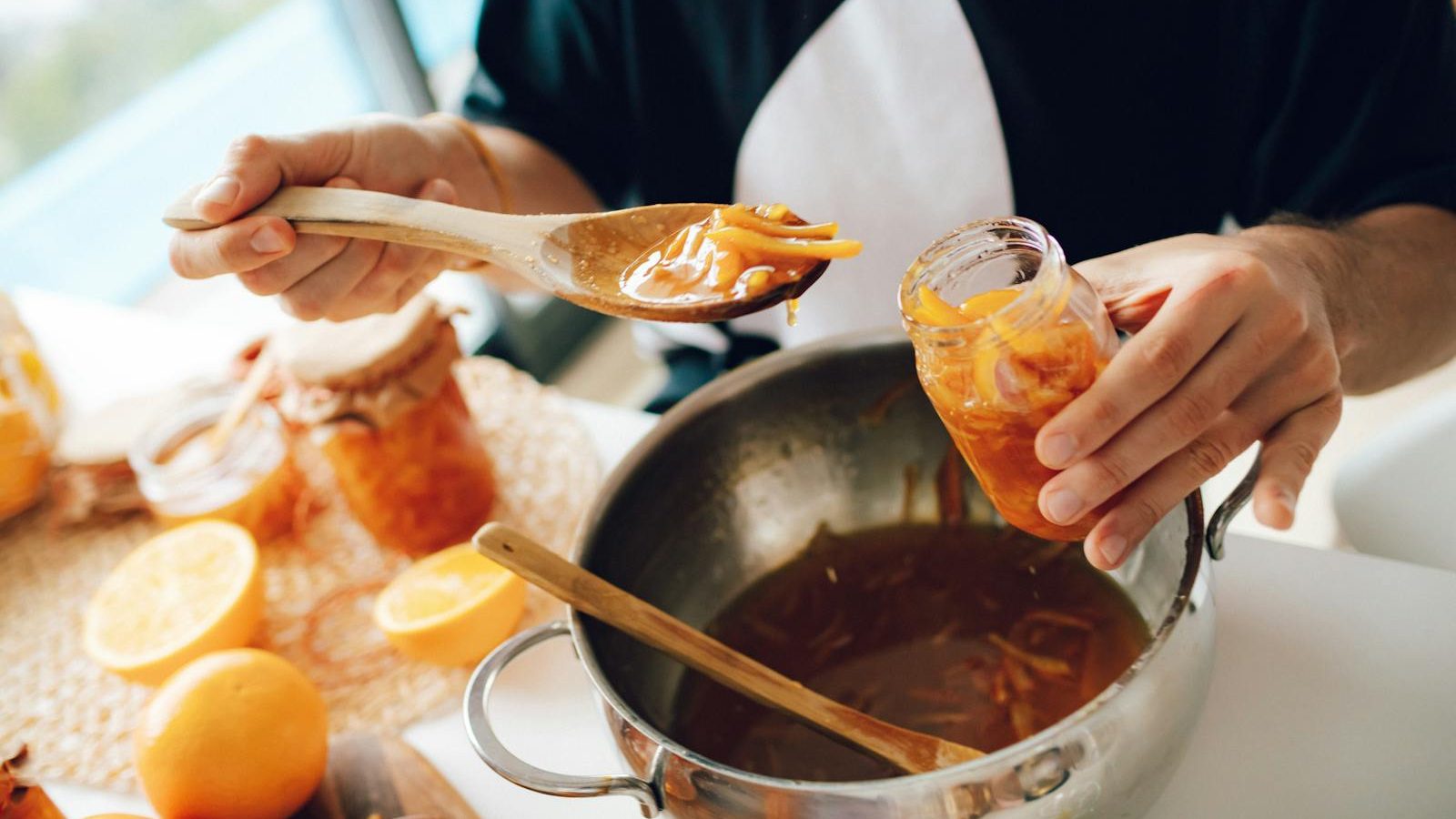
Canning and preserving food is an old-school skill that extends the shelf life of fresh produce. This process allows for seasonal fruits and vegetables to be enjoyed year-round, leading to cost savings. Furthermore, homemade preserves often taste better than store-bought versions.
With the resurgence of home gardening, canning and preserving have also seen a comeback. According to the National Center for Home Food Preservation, there has been a significant increase in online traffic to their guides and recipes, indicating a growing interest in this skill.
6. Baking Bread
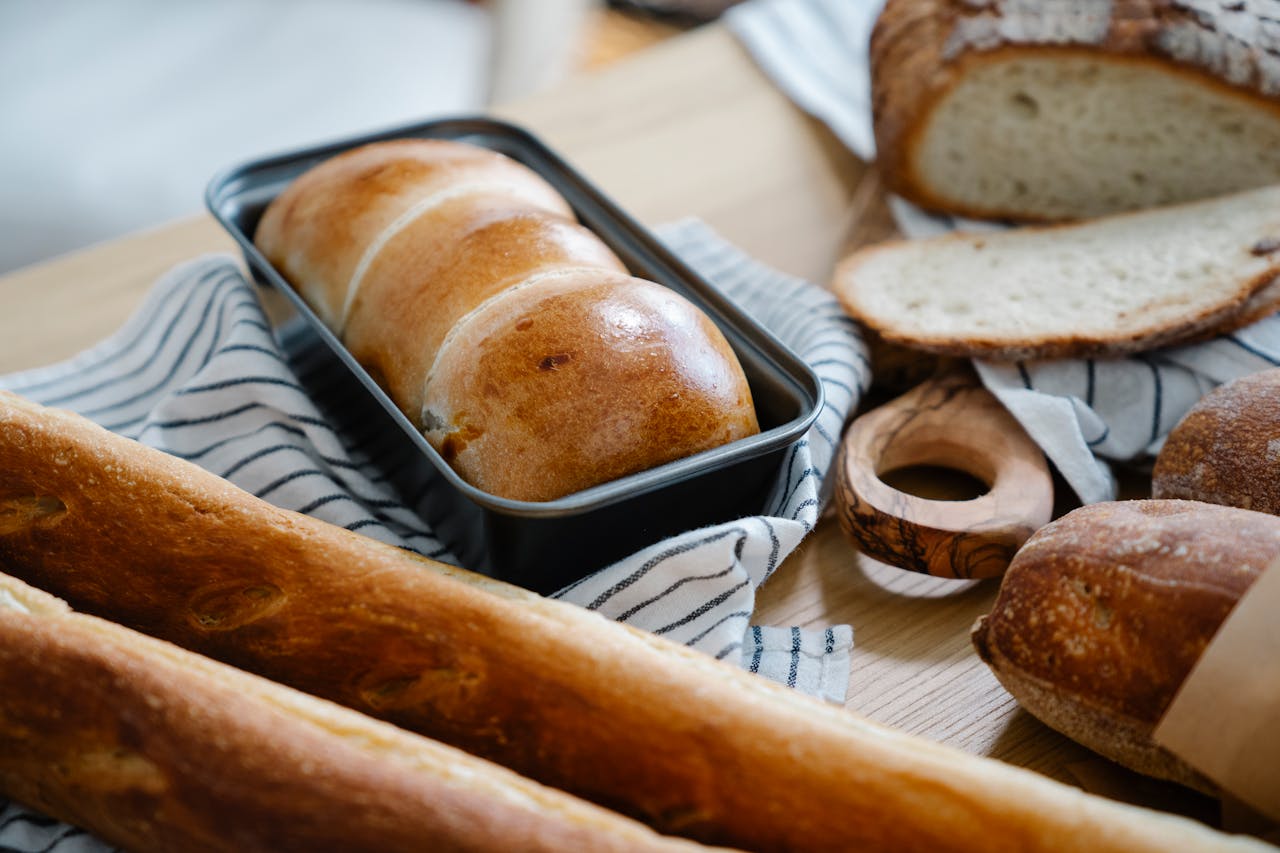
Baking bread at home can be a cost-effective alternative to store-bought options. Homemade bread often contains fewer preservatives and artificial ingredients, making it a healthier choice. Plus, the process of kneading and baking can be therapeutic and satisfying.
The COVID-19 pandemic saw a surge in home baking, especially bread. A Guardian article explains that baking bread became a comforting ritual during uncertain times.
7. Foraging
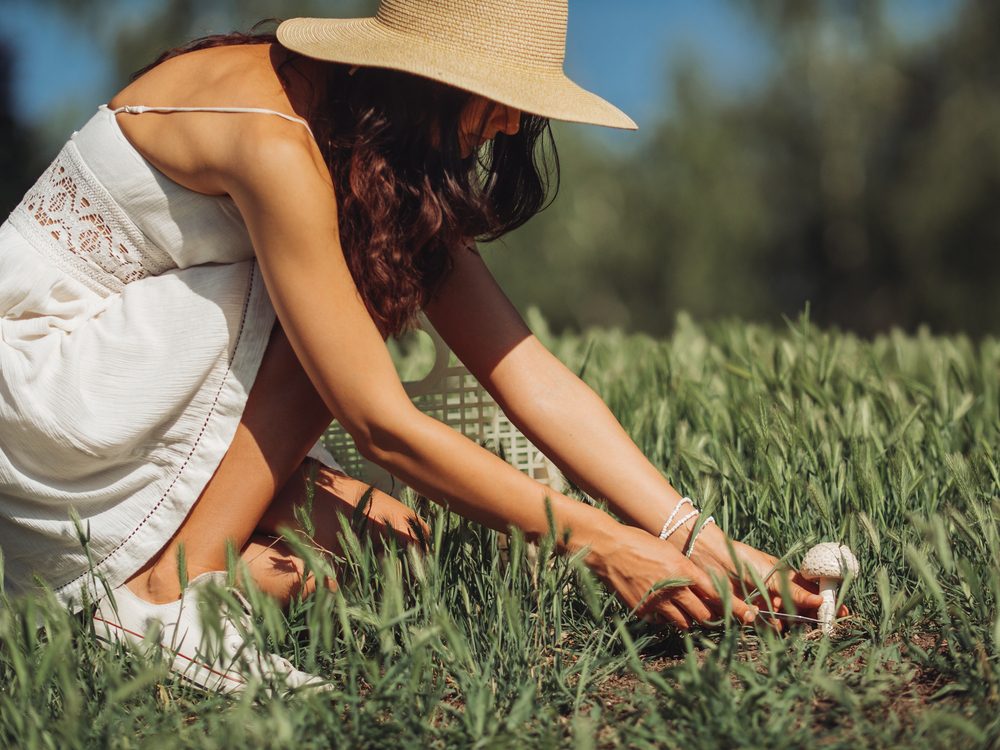
Foraging for wild foods is a skill that allows you to supplement your diet for free. It can be a fun and rewarding experience, as well as a way to connect with nature. However, it’s crucial to learn which plants are safe to eat and where to find them.
Foraging has gained popularity in recent years as a sustainable and local food source. Guidance from the U.S. Department of Agriculture outlines best practices for sustainable and safe harvesting.
8. Bike Maintenance
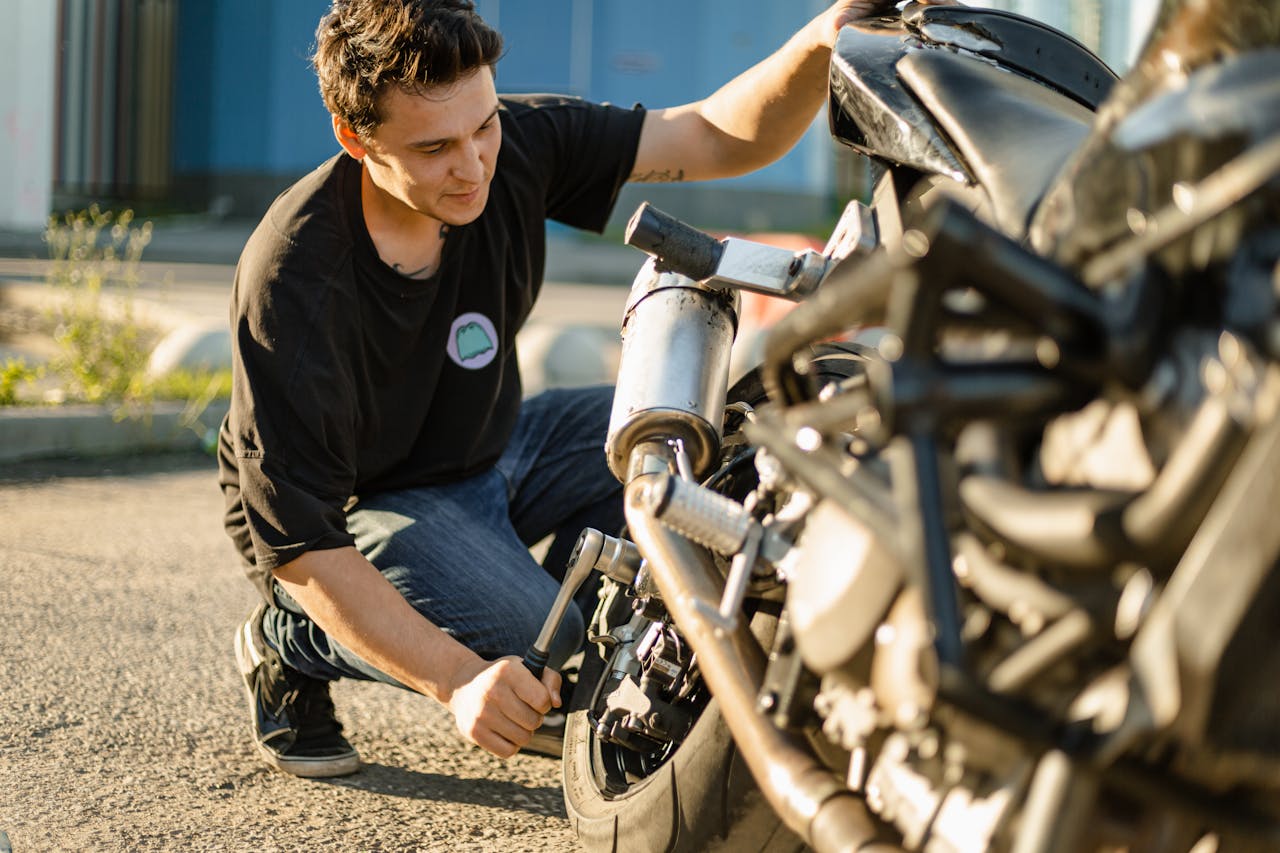
Bike maintenance is a valuable skill that can save you from costly repairs. Knowing how to fix a flat tire, adjust brakes, and maintain a chain can extend the life of your bike and ensure a safe ride. Plus, biking is an eco-friendly and economical mode of transport.
As people look for alternatives to public transport due to the pandemic, biking has seen a resurgence. CBS News reported soaring bike sales and inventory shortages, making bike maintenance an increasingly valuable skill.
9. DIY Home Decor
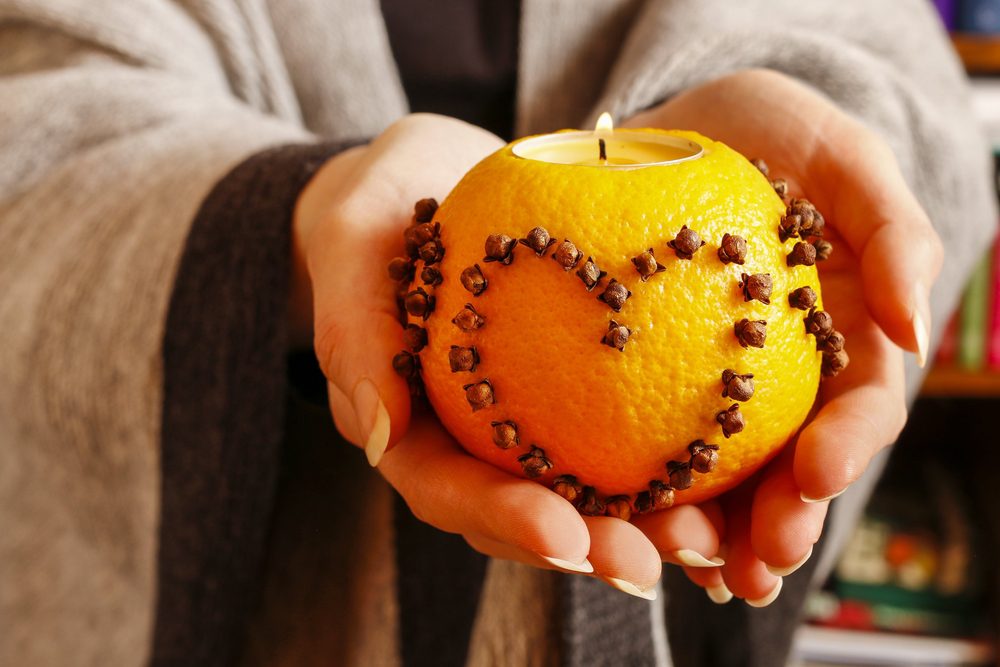
DIY home decor is a cost-effective way to personalize your living space. From painting furniture to sewing curtains, these skills can save money and create unique pieces that reflect your style. Additionally, DIY projects can be a fun and creative outlet.
With more people spending time at home, DIY home decor has become increasingly popular. A report from the Harvard Joint Center for Housing Studies found that home improvement and repair spending grew in 2020 as households adapted living spaces for work, school, and leisure.
10. Budgeting

Budgeting is a crucial skill that helps manage personal finances and avoid unnecessary spending. It allows for a clear view of income, expenses, and potential savings. Despite the availability of budgeting apps, understanding the basics of personal finance is beneficial.
Given the economic uncertainties brought by the pandemic, budgeting skills have become more critical than ever. The Consumer Financial Protection Bureau highlights that many consumers have faced financial hardships in recent years, emphasizing the importance of budgeting.
11. Thrifting
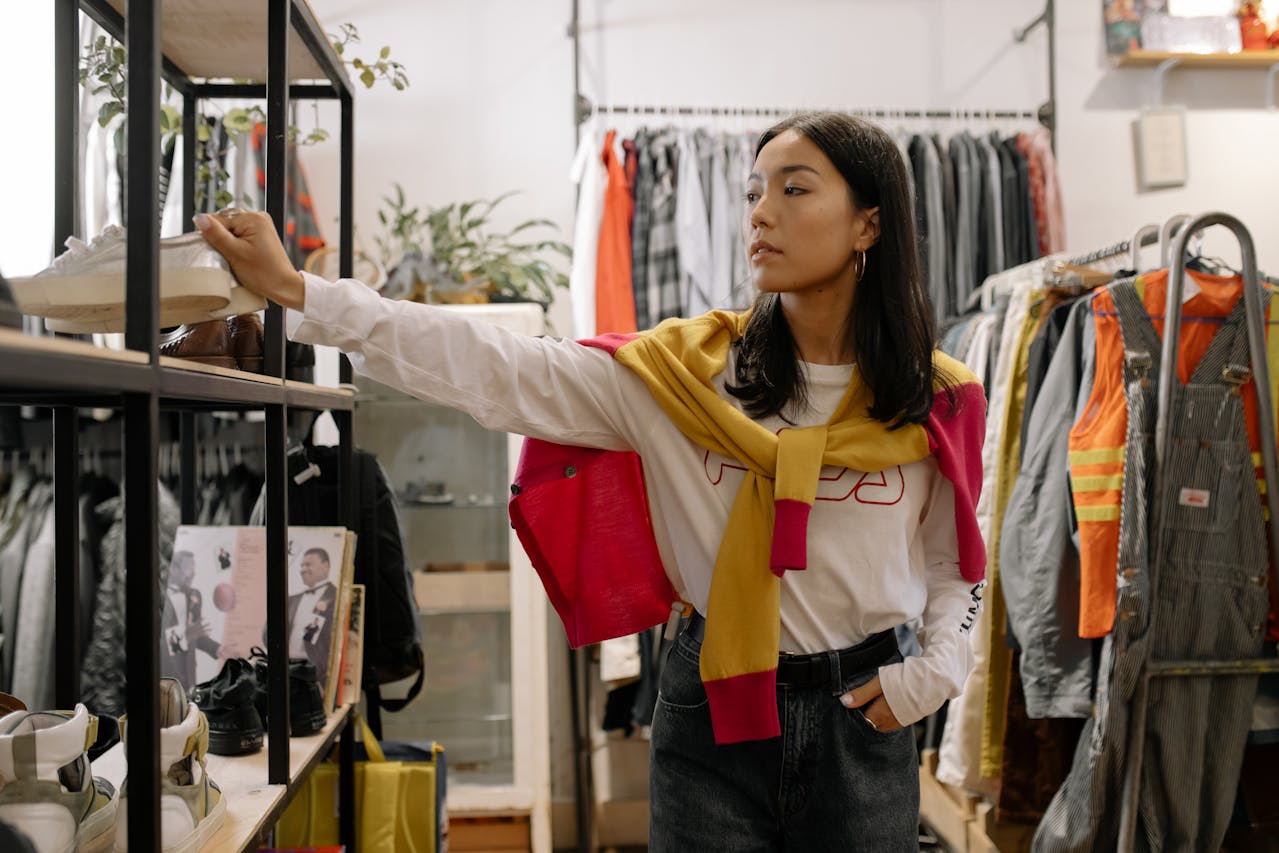
Thrifting, or buying used goods, is a money-saving practice that also contributes to sustainability. From clothes to furniture, thrift stores offer a wide range of items at a fraction of the cost of new ones. Moreover, thrifting can be a fun experience as it often involves hunting for unique and vintage pieces.
The trend of sustainable fashion has brought thrifting into the mainstream. Forbes reports continued growth in secondhand shopping as consumers look for ways to reduce environmental impact and save money.