It’s easy to spend money on things that seem useful in the moment, only to realize later they weren’t worth the cost.
According to experts, many everyday purchases don’t deliver the value we think they do — and in some cases, they may even drain your budget without adding much benefit.
From household items to shopping habits we take for granted, here are 11 purchases you’ll want to reconsider if you’re serious about saving money.
Bottled Water

While bottled water might seem like a convenient option, it’s often no healthier than tap water and comes with a significant environmental cost.
According to a study in the Journal of Environmental Management, the production and disposal of plastic bottles contribute to pollution and climate change. Consider investing in a reusable water bottle and a water filter instead.
Pre-Cut Fruits and Vegetables
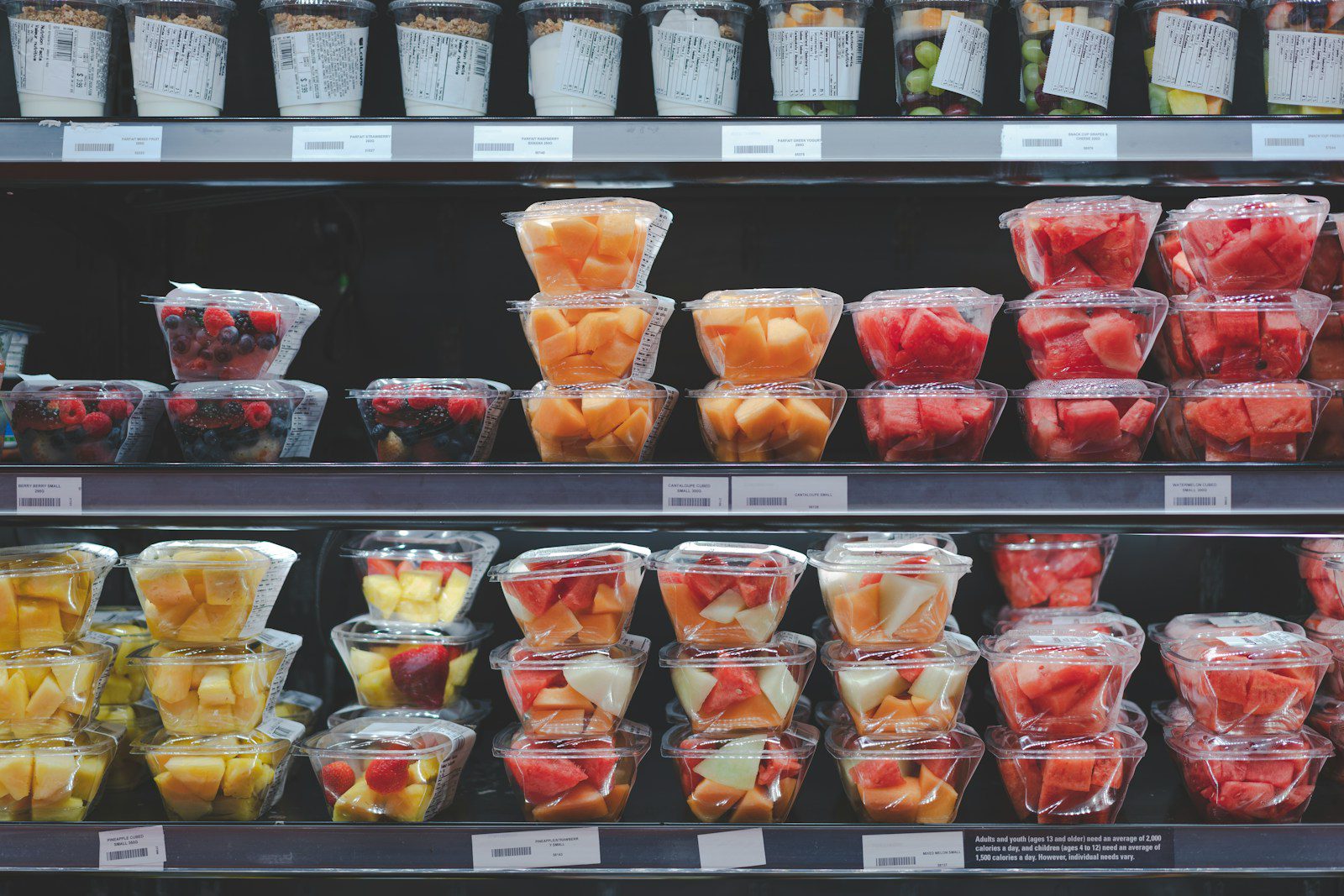
Pre-cut fruits and vegetables can save you a few minutes in the kitchen, but they often cost several times more than whole produce. Not only that, pre-cut fruits and vegetables can lose nutrients faster and spoil quicker than their whole counterparts. It’s healthier and more economical to buy whole fruits and vegetables and cut them yourself.
Trendy Fashion Pieces

Fast fashion items might seem cheap initially, but their cost adds up over time, especially when you consider their environmental impact. Fast fashion contributes to pollution and waste, and the items often wear out quickly. Instead, consider investing in classic, high-quality pieces that will last longer and stay in style.
Single-Use Kitchen Gadgets: The Culprits of Clutter
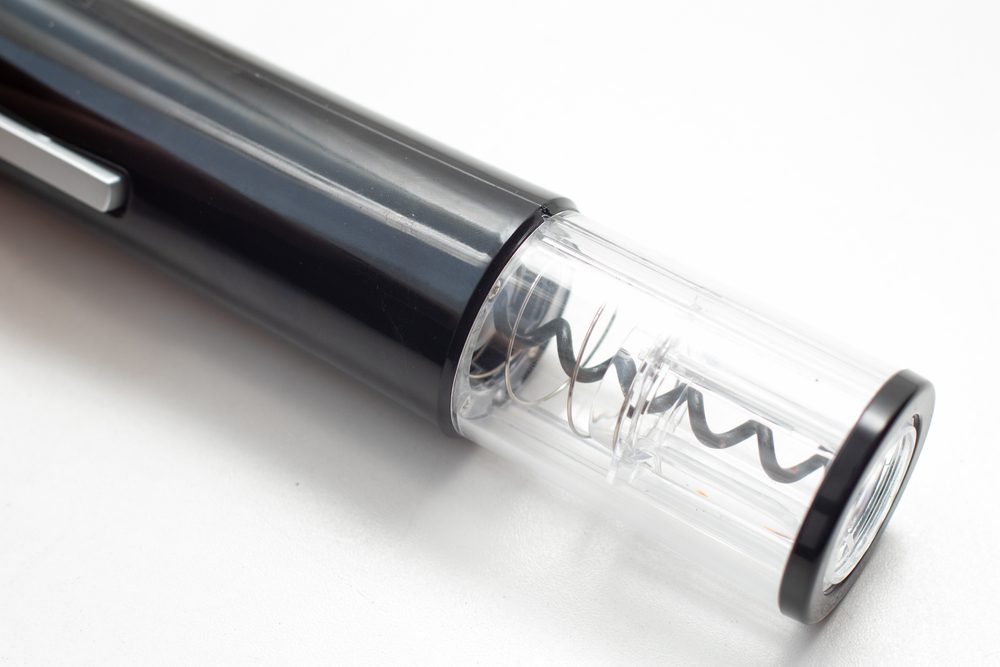
Those single-use kitchen gadgets might seem like a good idea at the time, but they can quickly lead to clutter and waste. Instead of buying a gadget for every task, consider investing in a few versatile tools that can do multiple jobs. This approach will save you money, space, and the frustration of dealing with unnecessary clutter.
Gym Memberships: The Forgotten Subscriptions

How many times have you paid for a gym membership only to forget about it a few months later? Instead of wasting money on a membership you don’t use, consider at-home workouts or outdoor activities. You’ll save money and likely increase your chances of sticking with your fitness routine.
Brand Name Medication: The Overpriced Alternatives

Brand name medications often cost significantly more than their generic counterparts, even though they contain the same active ingredients. According to a study in the Journal of Consumer Research, consumers often perceive brand-name products as superior, even when they’re identical to generic versions. Save your money and opt for generics whenever possible.
Prepackaged Foods
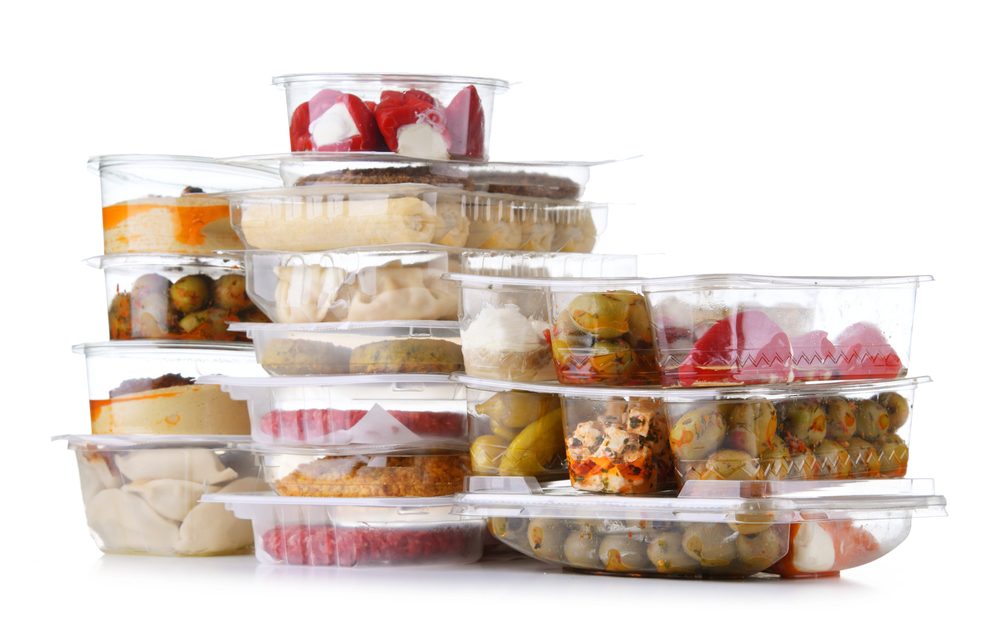
Prepackaged foods might save time, but they often contain unhealthy ingredients like added sugars, sodium, and preservatives. Instead of relying on prepackaged meals, consider cooking from scratch as much as possible. It’s healthier, often cheaper, and can even be a fun and relaxing activity.
Disposable Cleaning Supplies

Unsplash
Disposable cleaning supplies, like wipes and mops, might seem convenient, but they contribute to waste and can be more expensive over time. Consider switching to reusable cleaning supplies, like rags and mop heads, which you can wash and reuse. You’ll save money and reduce waste at the same time.
Cable TV Subscriptions

Cable TV subscriptions can be pricey, especially considering the wealth of cheaper or free alternatives available online. Consider cutting the cord and switching to streaming services or over-the-air TV. You’ll likely save money and have more control over what you watch.
High-End Tech Gadgets

While the latest tech gadget might seem tempting, it’s often not worth the high price tag. Many high-end features quickly become available in more affordable models, and the rapid pace of technological advancement means that today’s cutting-edge gadget will likely be outdated in a few years. Instead of splurging on the latest tech, consider waiting for prices to drop or buying slightly older models.
Unread Books

Many of us are guilty of buying books we never get around to reading. These unread books take up space and can lead to feelings of guilt. Instead of buying books impulsively, consider borrowing from the library or using an e-reader. You’ll save money and space, and you won’t feel guilty about unread books gathering dust on your shelves.
In conclusion, mindful consumption can save us money, protect our health, and reduce our environmental footprint. By reconsidering these common purchases, we can make more informed decisions and live more sustainably.
Before you go — if this inspired you, check out these readers-loved favorites: