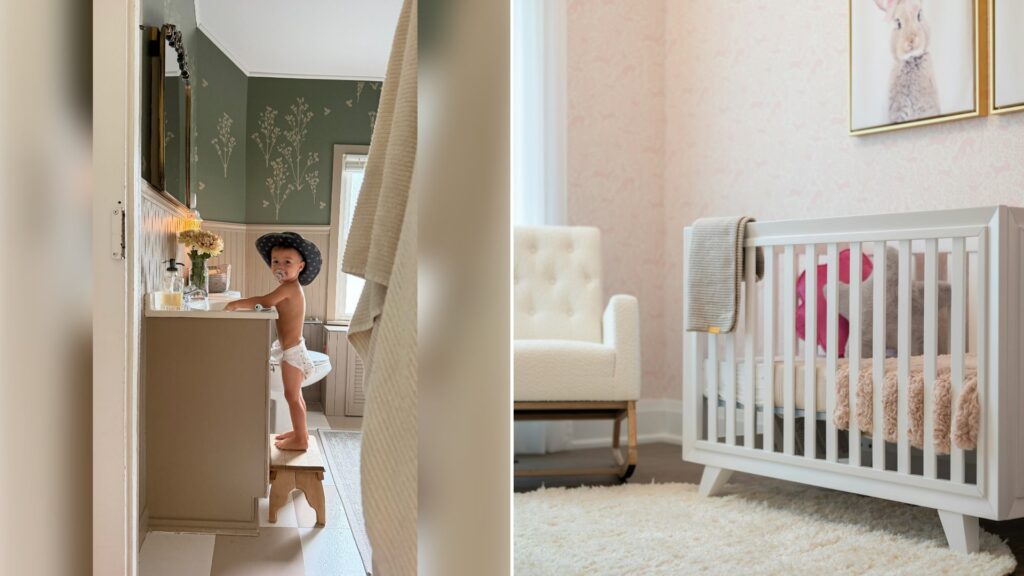
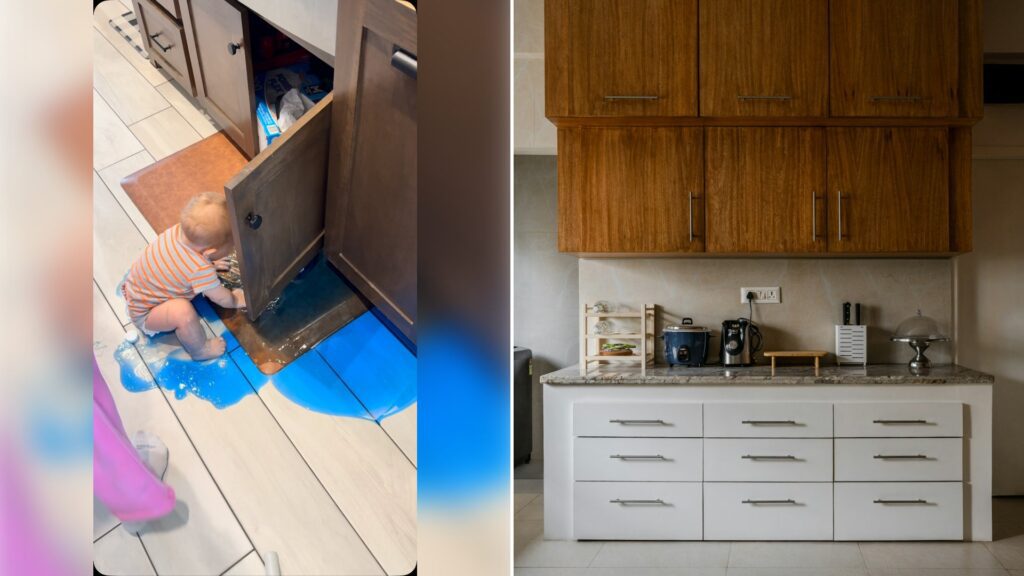
When it comes to the safety of our home, we often overlook certain areas assuming that they pose no threat. However, many everyday items and overlooked areas could potentially be jeopardizing your home’s safety. As our sanctuary and investment, we want our homes to be as safe as possible.
Let’s explore 11 signs that your home may not be as safe as you think, offering useful tips to help you rectify these issues and ensure a safe living environment.
1. Carbon Monoxide Detectors Are Missing or Defective

Carbon monoxide (CO) is a silent killer. It’s a colorless, odorless gas that can be lethal in high concentrations. Every year, hundreds of people die from CO poisoning, often while sleeping, due to faulty or improperly vented fuel-burning appliances or a running car in an attached garage.
Installing CO detectors in your home is one of the easiest ways to protect your family from this deadly gas. Place a detector on every level of your home and within 15 feet of each bedroom. Remember to change the batteries at least twice a year and replace the entire unit every five to seven years.
2. There Are No Fire Extinguishers

A fire extinguisher is an essential safety device that every home should have. It’s your first line of defense in case of a small fire, potentially preventing a minor incident from turning into a catastrophic event.
Fire extinguishers should be located in key areas around your home, such as the kitchen, garage, and near fireplaces. It’s also crucial to ensure that all family members know how to use them properly. Regularly check the pressure gauge to make sure it’s in the green zone, indicating that it’s ready for use.
3. Cluttered Spaces

Clutter in your home not only makes it difficult to find things but it can also pose a serious safety hazard. Piles of clothes or other items can quickly become a fire hazard, especially if they’re near a heat source.
It’s important to regularly declutter your home, removing unwanted items and organizing the remaining ones in a safe and orderly manner. If you have items that are too sentimental or valuable to throw away, consider renting a storage unit.
4. Lack of Emergency Exits
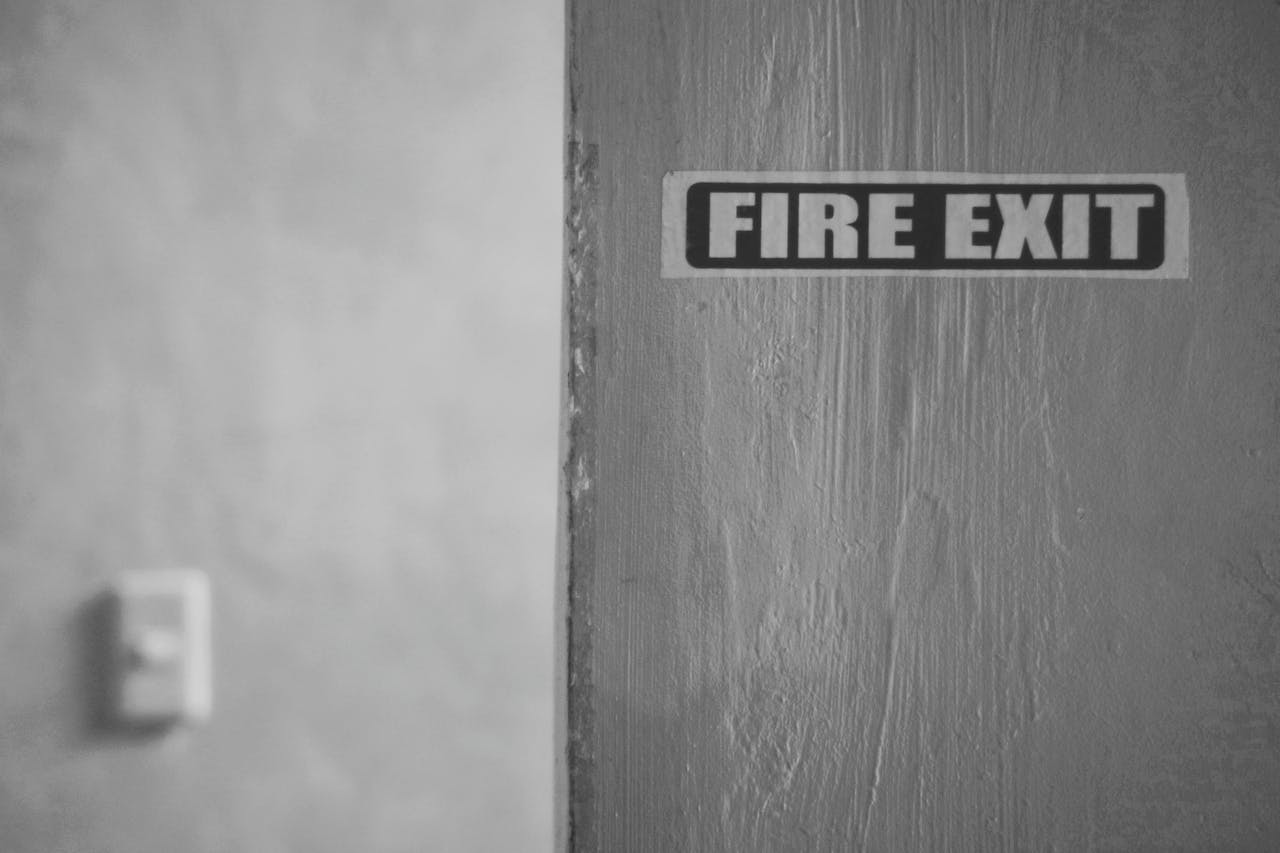
In case of an emergency such as a fire, it’s vital to have a clear path to exit your home. Unfortunately, many of us don’t have a clear plan or even clear paths to all exits due to furniture placement or clutter.
Make sure all hallways, doors, and windows that lead outside are clear and easily accessible. Additionally, have an emergency plan in place and ensure all family members are aware of it. This plan should include a designated meeting place outside the home.
5. Old Electrical Wiring

If you live in an older home, it may have outdated electrical wiring that poses a fire risk. Signs of outdated wiring include circuit breakers that constantly trip or outlets that feel warm to the touch or spark when you plug in an appliance.
If you notice these signs, it’s important to hire a professional electrician to inspect and potentially update your home’s electrical system. Never attempt to do this work yourself, as it can be extremely dangerous if not done correctly.
6. Slippery Surfaces

Slip and fall accidents can happen in any home, but they’re especially common in homes that have slippery surfaces such as polished wooden or tiled floors, especially in high-traffic areas like the kitchen or bathroom.
To prevent these accidents, consider using non-slip mats or rugs in these areas. Additionally, clean up any spills immediately to prevent them from becoming slip hazards.
7. Unsecured Furniture and Appliances

Unsecured furniture and heavy appliances can pose a serious risk, especially to young children. Items like bookshelves, TVs, and dressers can easily tip over if not secured properly.
Make sure all heavy furniture and appliances are either secured to the wall or placed in a way that they won’t easily tip over. This is especially important if you live in an area prone to earthquakes.
8. Broken Smoke Alarms

Smoke alarms are crucial for early detection of fires. Yet, many of us neglect to regularly check and maintain our smoke alarms, rendering them useless in an emergency.
Ensure your smoke alarms are functioning properly by testing them monthly and replacing the batteries at least once a year. Ideally, there should be a smoke alarm in every bedroom, outside sleeping areas, and on every level of your home.
9. Home Security System isn’t Monitored

A home security system is an excellent way to deter intruders and protect your home. However, many people don’t realize that their system isn’t monitored, which means that the police won’t be automatically notified in case of a break-in.
Check with your security system provider to see if your system is being monitored. If it’s not, consider upgrading to a monitored system for added peace of mind.
10. Windows Aren’t Secure

Windows are common entry points for burglars. However, many homeowners neglect to secure their windows, leaving them vulnerable to break-ins.
Ensure all windows have sturdy, working locks, and consider installing window security film or bars for added security. Additionally, never leave windows open or unlocked when you’re not home.
11. Lack of Outdoor Lighting

Outdoor lighting not only helps you navigate your property at night, but it can also deter potential intruders. A well-lit exterior makes it harder for burglars to approach your home unseen.
Consider installing motion-sensor lights around your property, especially near entrances. Solar-powered lights are an energy-efficient option that can provide ample lighting without increasing your electricity bill.
Remember, home safety is an ongoing process, not a one-time task. Regularly inspect your home for potential safety issues and address them promptly. By doing so, you can ensure that your home remains a safe haven for you and your family.