Your living room might look tidy at first glance, yet hidden clutter can quietly chip away at both function and style. Small, everyday items tend to migrate into overlooked storage spots and corners, where they pile up out of sight. By spotting these 11 sneaky sources of mess, you can reclaim surfaces, streamline storage, and make the room feel calmer without sacrificing comfort.
1) Loose Remotes and Electronics
Loose remotes and electronics are classic hidden clutter, especially when they disappear into a secret living room storage spot you rarely open. Guidance on hidden living room storage emphasizes that underused areas, like the space inside a side table or under a lift-top coffee table, often become dumping grounds for small tech. When you toss remotes, streaming sticks, and game controllers into these spaces without a system, they tangle with spare batteries and cords.
That jumble wastes time whenever you want to watch something and increases the risk of losing or damaging devices. A shallow tray or divided box inside the storage zone keeps each remote and accessory in a consistent spot. Labeling sections for TV, soundbar, and gaming gear turns a chaotic catchall into a reliable command center, so the storage works for you instead of hiding a mess.
2) Tangled Charging Cables
Tangled charging cables create visual and functional clutter, especially when they snake into corners and behind furniture. Organizing experts who share creative ways to hide cords show how quickly chargers, power strips, and HDMI lines can overwhelm a room if they are not corralled. When every device has its own dangling cord, the floor and baseboards start to look messy even if the rest of the space is spotless.
Using cord clips, cable boxes, and adhesive raceways lets you route wires along furniture edges or walls so they almost disappear. A small charging station on a side table can consolidate phone and tablet cords into one tidy hub. Beyond aesthetics, this reduces tripping hazards and makes it easier to unplug devices when not in use, which can protect electronics and simplify cleaning.
3) Piled-Up Magazines and Books
Piled-up magazines and books often migrate into underused living room storage, where they quietly multiply. Advice on decluttering common living room items highlights how reading material is easy to postpone dealing with, so stacks linger on ottomans, under coffee tables, or in baskets. When those piles slide into a hidden cubby or shelf, they stop being decor and start becoming dead weight.
Limiting yourself to a small “current reading” stack and relocating the rest to a bookshelf or donation box keeps storage from turning into a paper archive. Magazine files or slim bins inside a cabinet can hold issues you truly reference, while everything else rotates out. This not only frees up space for essentials like board games or blankets, it also makes the room feel lighter and more intentional.
4) Stray Toys or Accessories
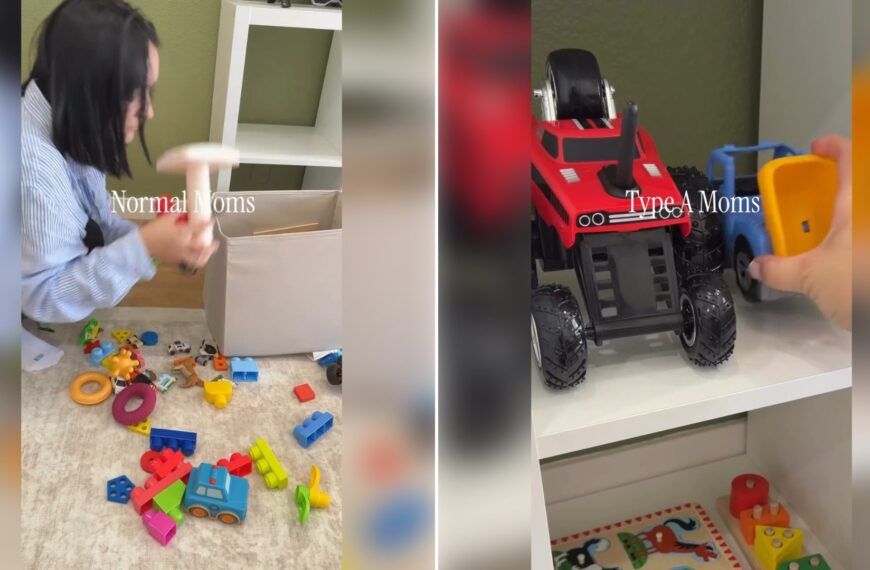
Stray toys or accessories are another major source of hidden clutter, especially when you rely on quick stashing instead of a plan. An interior designer who curated September 2025 Amazon storage solutions recommends attractive bins and lidded baskets that double as decor. When you drop action figures, doll clothes, or pet toys into a pretty container, they vanish visually yet stay easy to reach.
That same approach works for accessories like scarves, hats, and remote-controlled car chargers that drift into the living room. Assigning each family member a dedicated basket or trunk keeps the floor clear and prevents arguments over lost items. Stylish storage also protects toys from damage and makes nightly cleanups faster, which is crucial if your living room doubles as a playroom.
5) Wrinkled Blankets and Throws
Wrinkled blankets and throws draped over every surface can hide a valuable storage opportunity inside your furniture. Guidance on secret living room storage points to pieces like storage ottomans, benches, and sofas with built-in compartments as prime spots you might be missing. When throws are left in a heap on the back of the couch, they visually clutter the room and make seating look sloppy.
Folding blankets into a lidded ottoman or under-seat drawer keeps them dust free and instantly accessible on movie nights. You can even sort by weight, with lighter throws on top and heavier winter blankets below. This frees up the sofa for neat, intentional styling and reduces the temptation to keep buying more textiles just to cover the mess.
6) Excess Decorative Pillows
Excess decorative pillows quickly shift from cozy to chaotic, especially when they spill across sofas and chairs with no landing zone. A decor expert writing about whether too many accessories create clutter notes that “too many fluffy accessories can overpower a room and if simply tossed around and not placed – things get messy really quickly.” That warning applies directly to throw pillows that end up on the floor or stacked in corners.
Editing your collection to a few well-chosen designs and storing off-season covers in a slim bin or drawer keeps surfaces from feeling crowded. Vacuum storage bags can compress extra inserts so they fit under a bed or in a closet instead of hogging living room space. With fewer pillows, each one reads as intentional, and you gain back room to sit, stretch out, and actually use the furniture.
7) Forgotten Coasters and Trinkets
Forgotten coasters and trinkets tend to accumulate on side tables and shelves, creating small but persistent clutter. Organizing advice that calls out stained or chipped coasters as items to “eagerly chuck away,” as Shara puts it, shows how these tiny pieces can drag down a room. When old coasters, souvenir figurines, and random keychains drift into drawers or baskets, they quietly fill up valuable storage.
Sorting these items into keep, toss, and relocate piles prevents hidden clutter from spreading. A small lidded box can hold functional coasters and a few meaningful trinkets, while the rest move to a display cabinet or donation bag. This clears tabletops for lamps and drinks, reduces dusting time, and lets the accessories you truly love stand out instead of getting lost in the crowd.
8) Loose Papers and Mail
Loose papers and mail are notorious for colonizing living room nooks, from console tables to the arm of the sofa. An interior designer who shares pretty ways to hide clutter recommends using attractive file boxes and magazine holders so paperwork can be contained without looking like office storage. When envelopes and flyers slide into baskets or under cushions, they become hidden clutter that is easy to forget and hard to sort later.
Setting up a simple system with labeled folders for “to pay,” “to file,” and “to shred” keeps decisions quick and prevents piles from forming. Tucking that system into a closed cabinet or drawer near the entry preserves the living room’s relaxed feel. The payoff is fewer missed bills, less visual noise, and a space that supports both relaxation and everyday admin tasks.
9) Behind-the-Sofa Dust Bunnies
Behind-the-sofa dust bunnies might not be the first thing you think of as clutter, yet they signal neglected space that could work harder. Advice on wall and panel storage highlights the potential of shallow shelves or built-in niches behind seating. When that area is left empty, it often becomes a catchall for lost pens, hair ties, and crumbs, all hidden from view but still affecting air quality and cleanliness.
Sliding the sofa forward a few inches to add a narrow console or wall-mounted ledge transforms a dust trap into organized storage. You can corral remotes, lamps, and small baskets there, while leaving enough room to vacuum regularly. This not only cuts down on allergens, it also gives you a discreet place to stash essentials without crowding the main coffee table.
10) Seasonal Knick-Knacks
Seasonal knick-knacks, from holiday figurines to themed candles, often linger long after the occasion has passed, creating low-level clutter. The same interior designer who curated September 2025 Amazon storage picks leans on labeled bins and under-furniture containers to rotate decor in and out. When you tuck off-season pieces into random drawers or baskets, they eat up space meant for everyday items.
Designating a single lidded box for each season, stored in a closet or under a bed, keeps your living room from feeling like a year-round holiday shop. Within the room, limit yourself to a few standout pieces on display at any given time. This approach protects delicate items, simplifies decorating each year, and preserves a calm backdrop between celebrations.
11) Unused Wall Space Accumulations
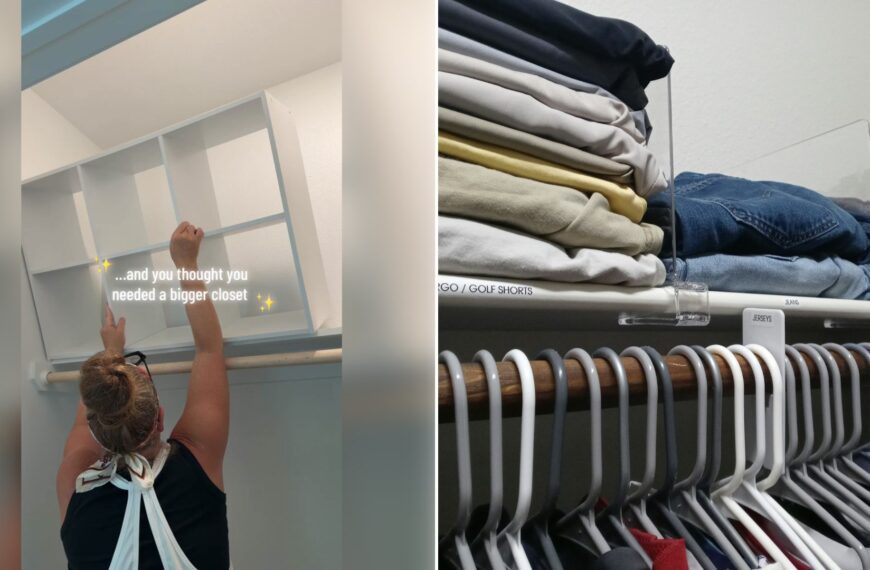
Unused wall space accumulations are less about visible mess and more about missed storage that forces clutter onto floors and furniture. Guidance on hidden wall storage spots points to options like shallow cabinets, peg rails, and floating shelves that integrate directly into the wall. When you ignore vertical space, baskets, books, and tech accessories end up crowding every horizontal surface instead.
Installing a slim wall cabinet with doors lets you hide board games, routers, or craft supplies in plain sight. Peg rails with hanging bags can hold kids’ art supplies or dog leashes without adding bulky furniture. By turning walls into discreet storage, you relieve pressure on the rest of the room, making it easier to keep clutter from creeping back into view.