Freezers are a remarkable invention, allowing us to store and preserve an array of foods for extended periods. They are a staple in every modern kitchen, ensuring that we always have a back-up meal, a few ice cubes for our summer drinks, or a pint of our favorite ice cream.
However, while it may seem like you can freeze just about anything, there are certain items that simply don’t respond well to the freezer. Let’s dive into the list of 11 things I never store in my freezer, which might help you avoid kitchen mishaps and food waste.
1. Coffee
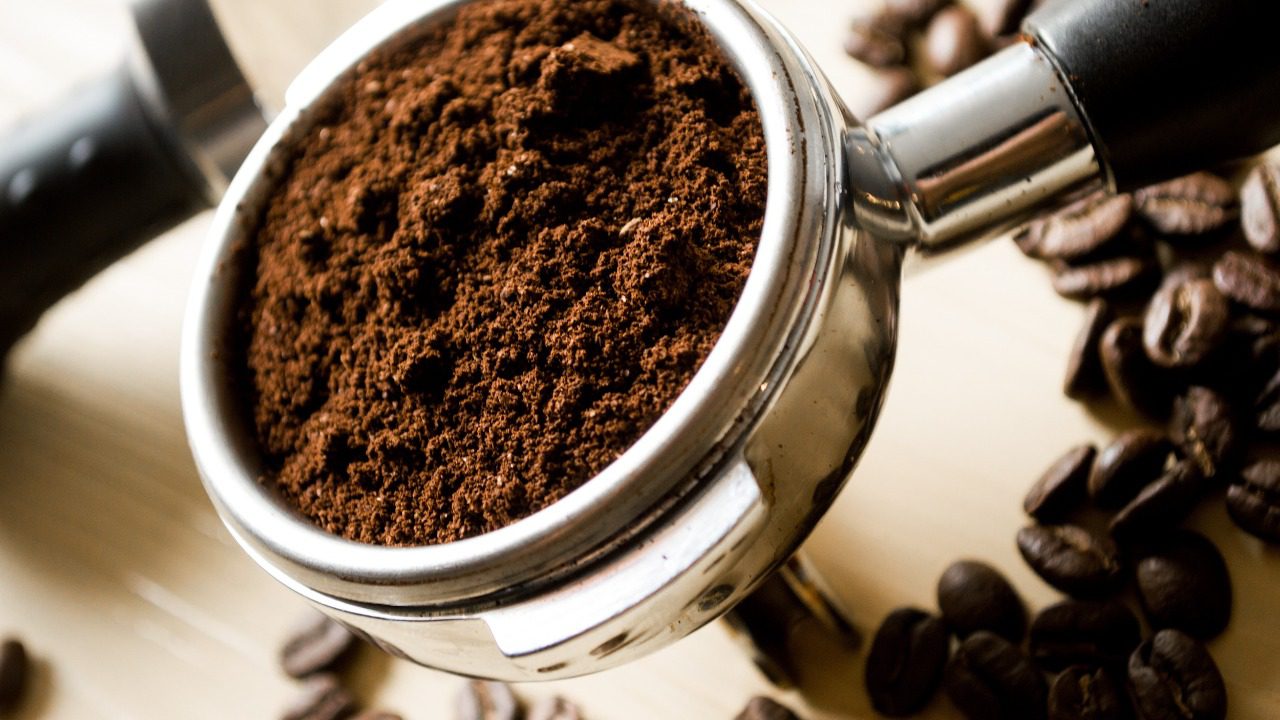
You might think that freezing coffee can help preserve its freshness, but this is a common misconception. When coffee is stored in a freezer, it can absorb odors from other foods, compromising its flavor. Furthermore, taking coffee in and out of the freezer can cause condensation to form on the beans, which can lead to them becoming waterlogged and losing their flavor.
Instead, try storing your coffee in an airtight container at room temperature. This will help to preserve its flavor and aroma. If you buy coffee in large quantities that you can’t consume quickly, consider buying smaller amounts more frequently to ensure you’re always enjoying fresh coffee.
2. Soft Cheeses
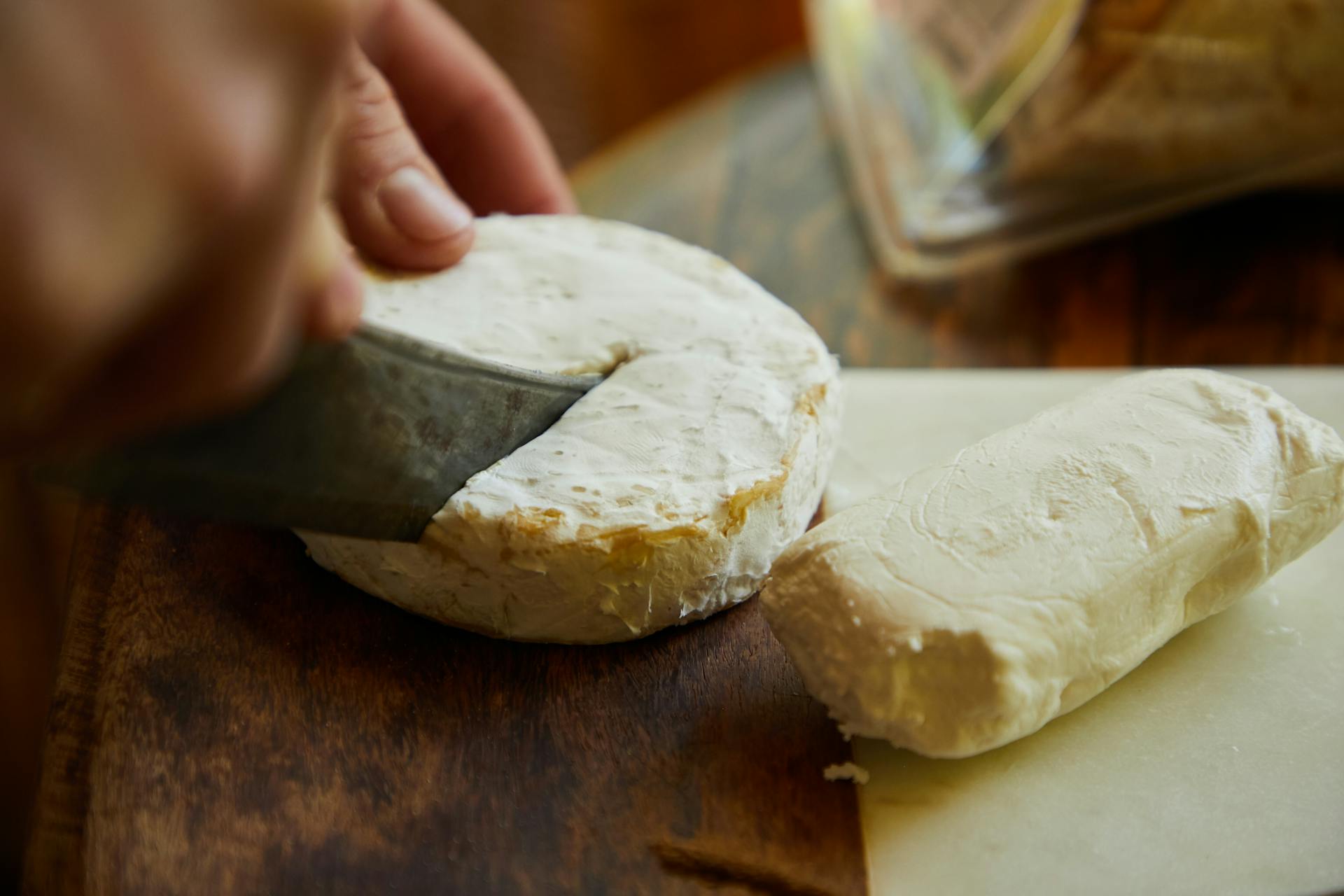
Soft cheeses such as Brie, goat cheese, or cream cheese, don’t freeze well. The texture of these cheeses changes when frozen and then thawed, becoming crumbly and dry. This can ruin the creamy consistency that makes these cheeses so enjoyable.
When you buy soft cheese, plan to consume it within a few days. If you can’t finish it in time, you might be better off sharing it with a friend or neighbor rather than attempting to freeze it.
3. Eggs in Their Shells

Storing eggs in their shells in the freezer is a big no-no. As the egg inside the shell freezes, it expands, which can cause the shell to crack and lead to a messy situation in your freezer.
If you have a surplus of eggs, consider cracking them and beating them before freezing. You can then store them in airtight containers or freezer bags. They can be used later for scrambled eggs or in baking.
4. Fresh Vegetables and Fruits

Though many fruits and vegetables can be frozen, doing so often changes their texture, making them mushy when thawed. This is especially true for high-water-content foods like cucumbers, lettuce, and watermelon.
If you have a surplus of fresh produce, consider using it in recipes that can be frozen, such as soups or casseroles. Alternatively, you can preserve fruits and vegetables through canning or drying.
5. Raw Potatoes

Raw potatoes don’t freeze well because of their high water content. When frozen, the water inside the potato forms ice crystals, which can change the potato’s texture and color.
If you have extra potatoes that you can’t consume in time, consider cooking them before freezing. You could make mashed potatoes, potato soup, or even roast them. Once cooked, these dishes freeze and reheat well.
6. Yogurt
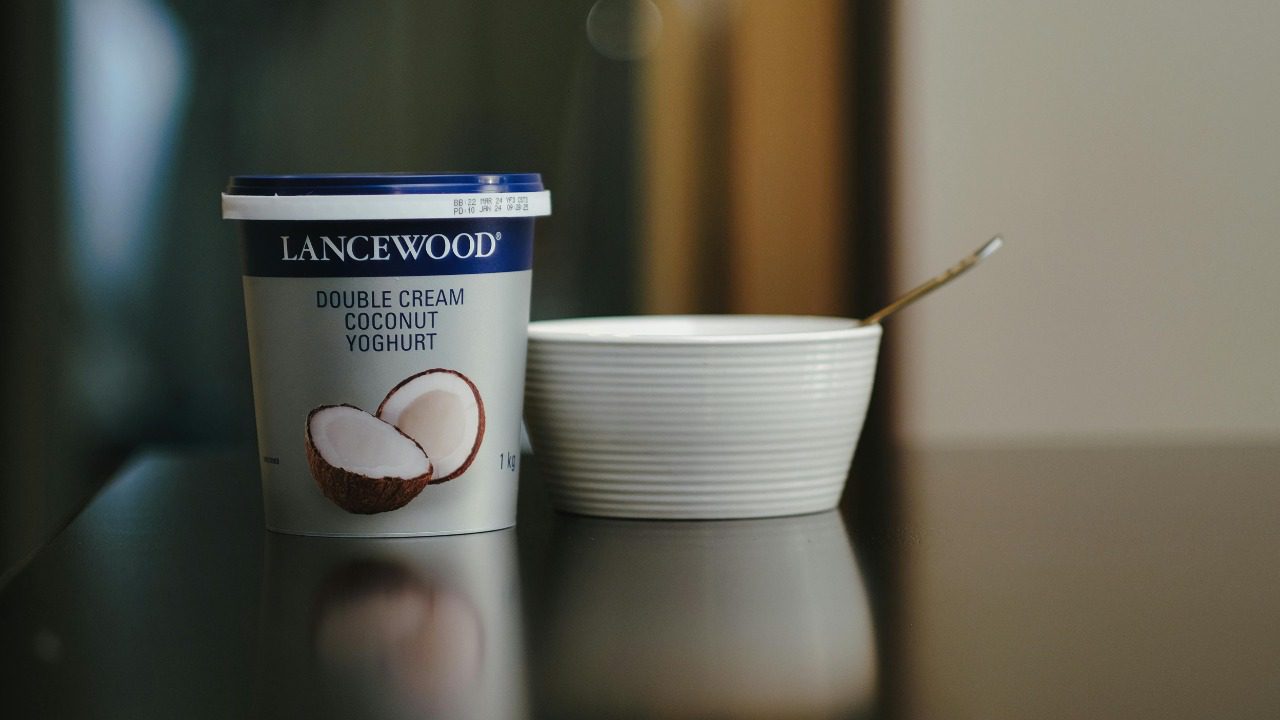
Freezing yogurt can significantly alter its texture, making it grainy or watery when thawed. This can make it less pleasant to eat on its own, although it may still be fine for use in smoothies or baking.
If you find yourself with more yogurt than you can eat before it expires, consider using it in recipes. Yogurt can be a great addition to smoothies, marinades for meat, or baked goods.
7. Fried Foods

Fried foods rely on their crispy texture for their appeal, and freezing them quickly turns them soggy. The oil used in frying also doesn’t freeze well and can separate from the food.
If you have leftovers from a fried meal, your best option is to eat them as soon as possible. If that’s not an option, reheating in the oven or an air fryer can help to restore some of the crispiness.
8. Gravy and Sauces
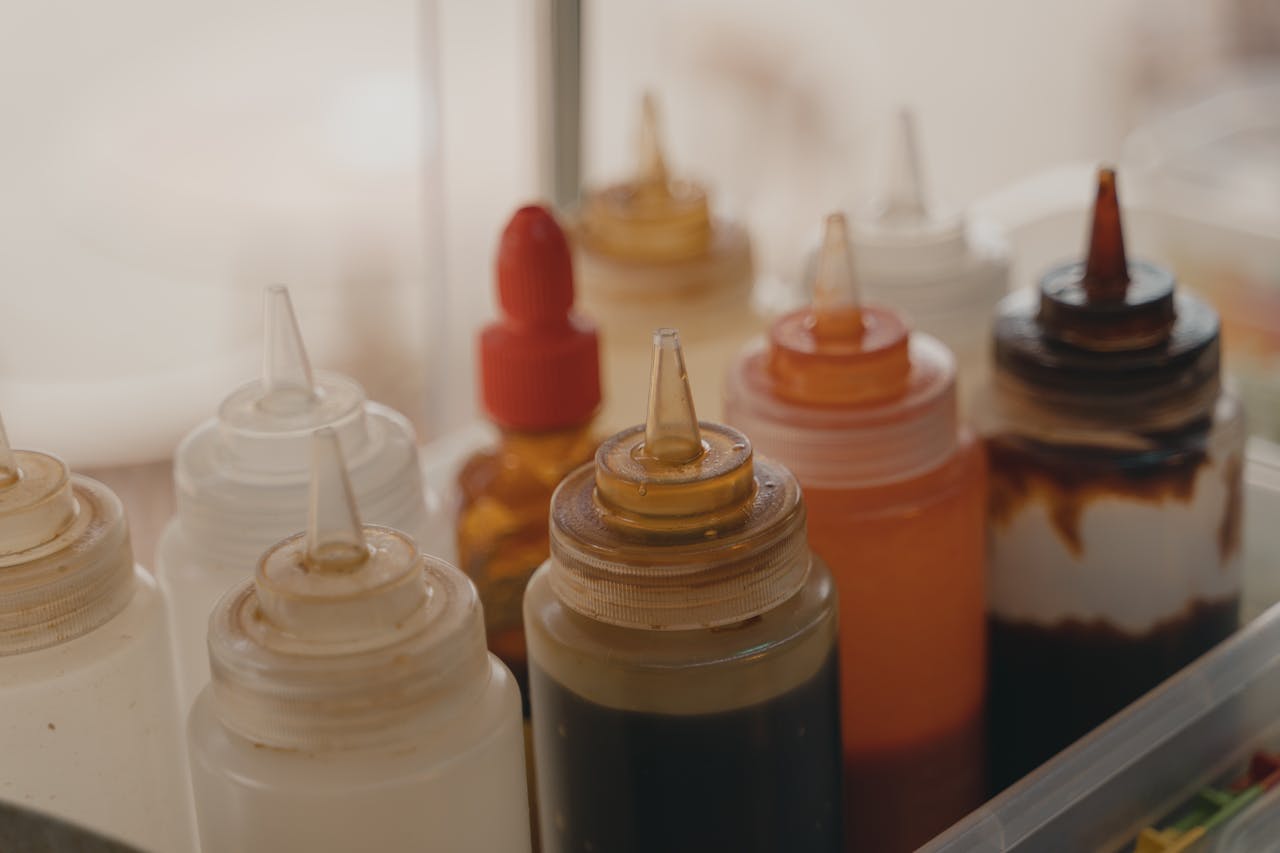
Gravy and sauces, particularly those thickened with flour or cornstarch, can separate when frozen and then thawed. This can result in a lumpy, unappetizing texture.
If you have leftover gravy or sauces, consider using them within a few days rather than freezing them. They can be a great addition to other dishes, adding flavor and moisture.
9. Raw Pasta
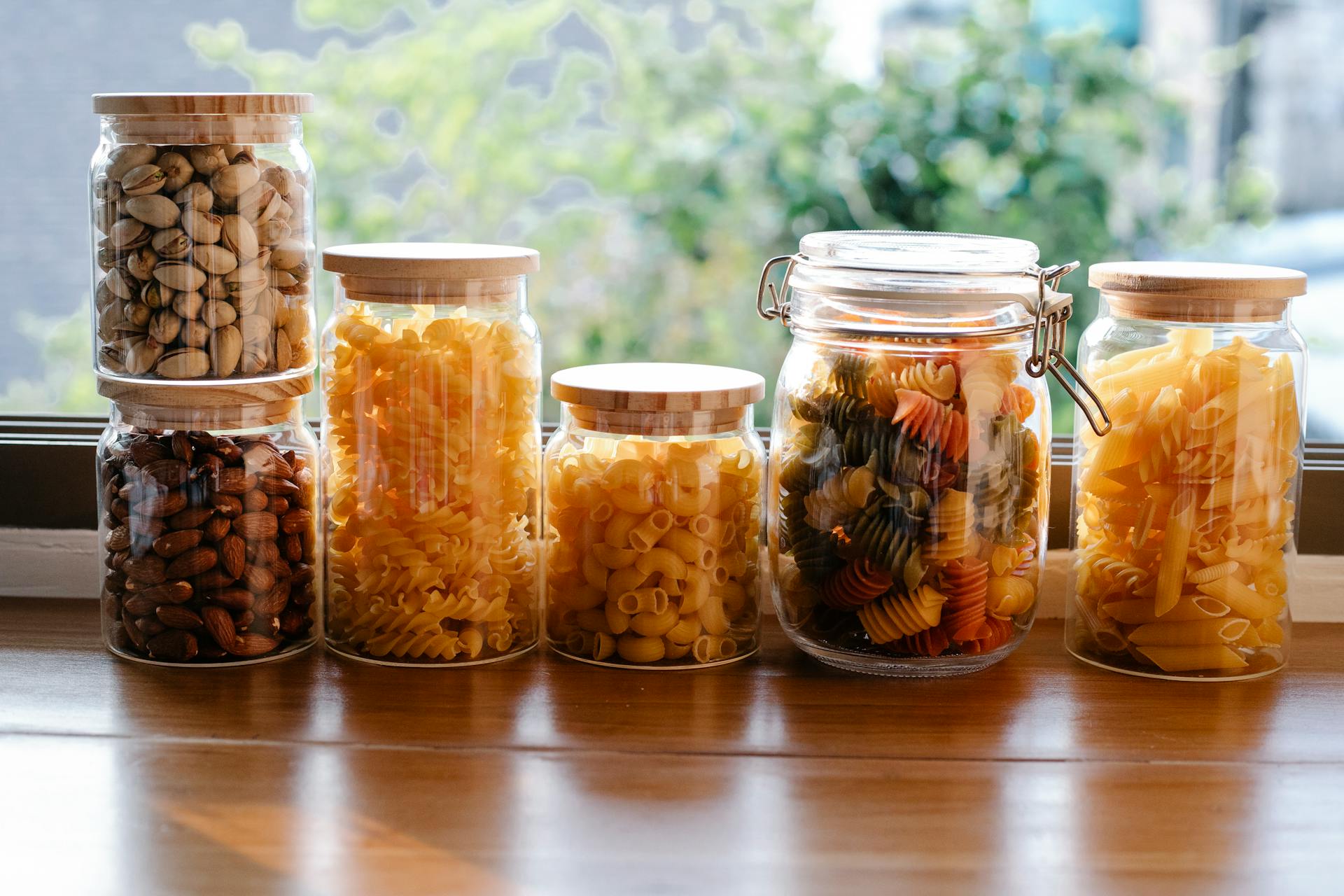
Raw pasta changes texture when frozen and then cooked. It can become mushy and lose its shape, which is not ideal for most pasta dishes.
If you’ve cooked too much pasta for one meal, try storing it in the refrigerator and using it within a couple of days. Pasta salads, casseroles, or stir-fries are all great options for using leftover pasta.
10. Canned Foods
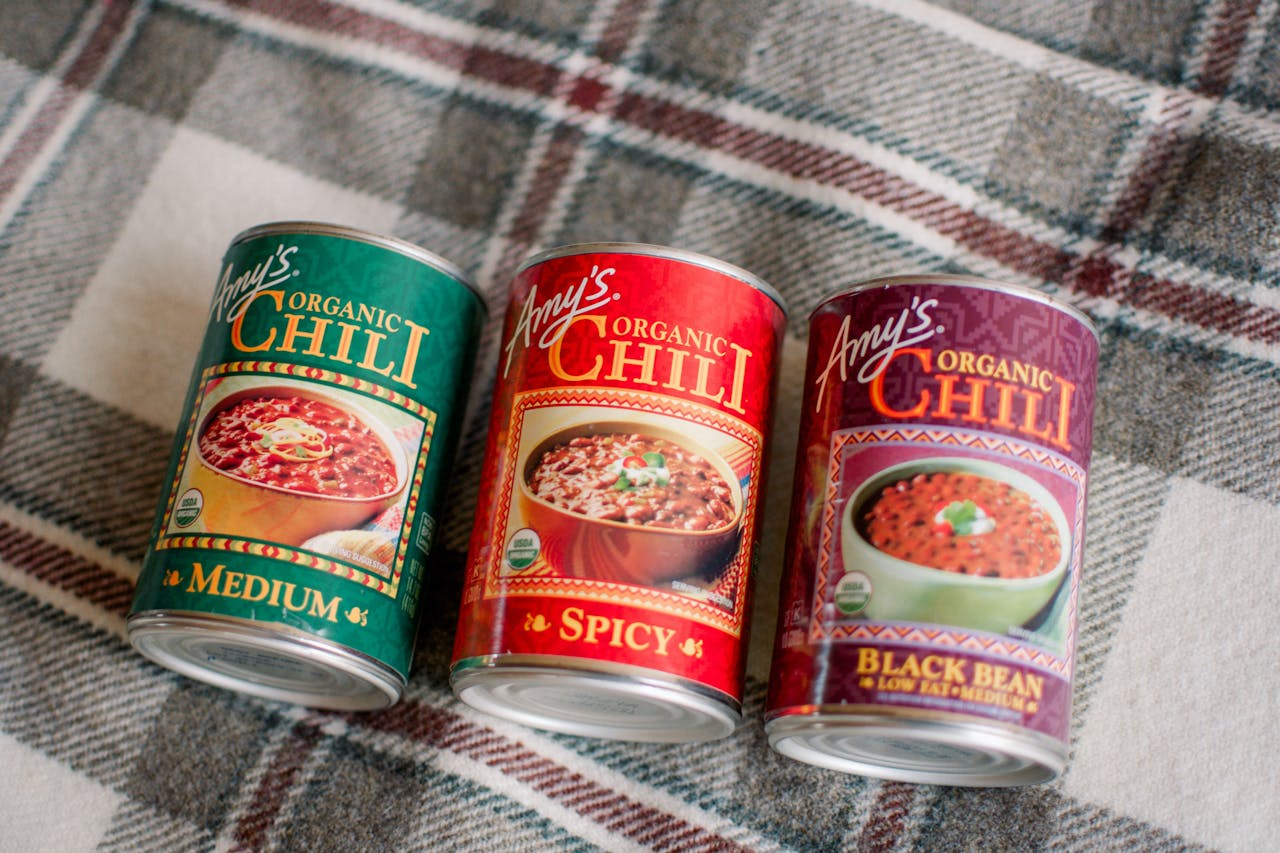
Freezing canned foods in their cans is not recommended. The liquid inside can expand when frozen, causing the can to burst and create a mess in your freezer.
If you have leftover canned food, transfer it to a freezer-safe container before freezing. Don’t forget to label the container with the contents and the date it was frozen!
11. Certain Seafoods

Certain types of seafood, particularly oysters, clams, and mussels, should not be frozen in their shells. The texture of these shellfish can become tough and rubbery when frozen and then thawed.
If you have excess shellfish, consider cooking it before freezing. Once cooked, shellfish can be frozen and used later in soups, stews, or pasta dishes.