Your kitchen is the heart of your home, the place where meals are prepared, families gather, and memories are made. However, clutter can quickly turn this beloved space into an area of stress and confusion. What you choose to store in your kitchen cabinets can significantly impact the efficiency of your cooking and the overall ambiance of your kitchen. So, let’s talk about the things you should never store in your kitchen cabinets to maintain a functional, well-organized space.
1. Medicines
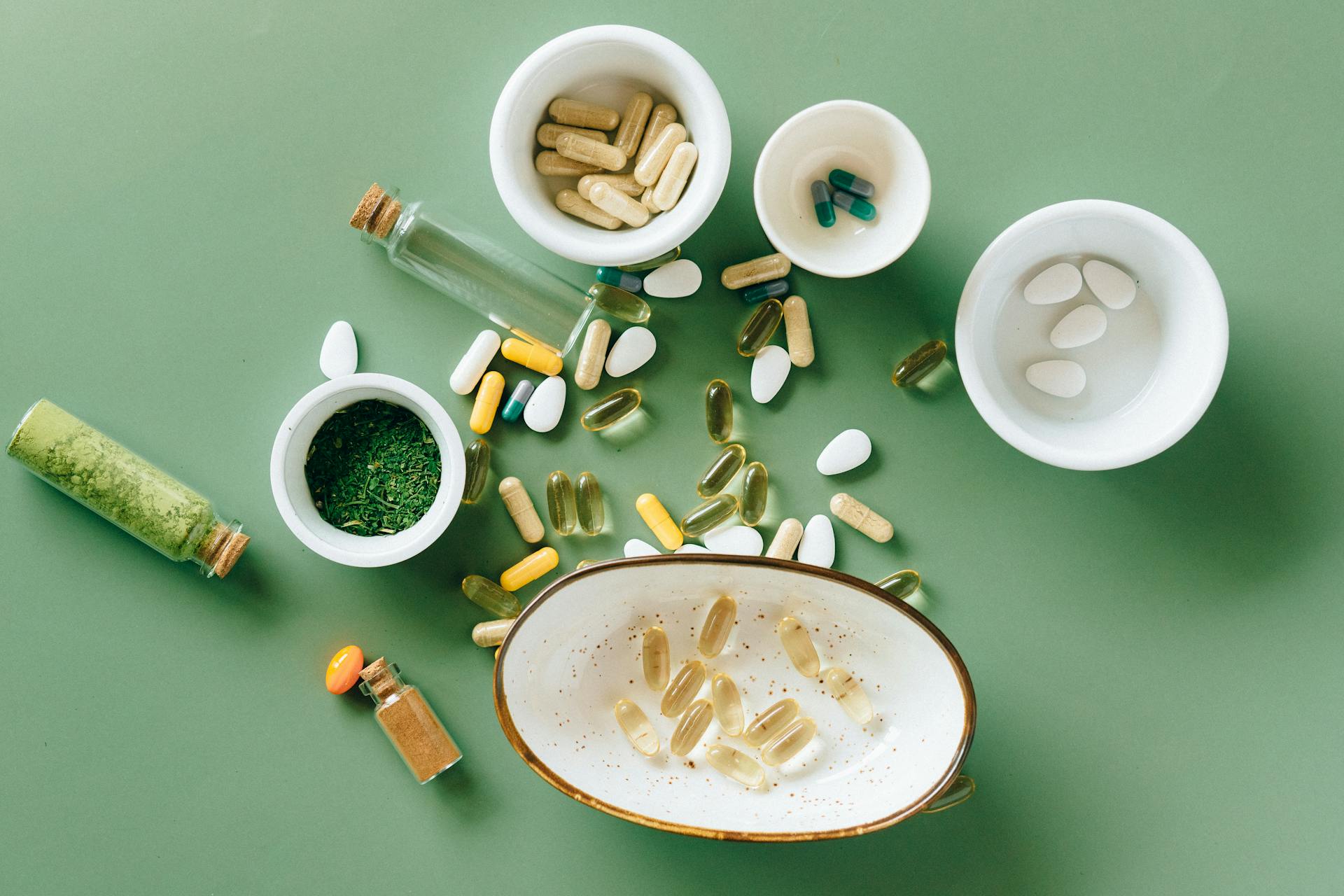
While it may seem convenient to store your medications in the kitchen, the heat and humidity generated by cooking can degrade them over time. This could potentially affect their efficacy and stability. Additionally, keeping medicines in the kitchen could pose a risk to children who could accidentally ingest them.
Instead, consider storing your medications in a cool, dry place like a bedroom or a hallway closet. Make sure they are out of reach from children and pets. Always store them in their original containers, clearly labeled, to avoid any confusion.
2. Cleaning Supplies

Storing cleaning supplies in the kitchen cabinets can be a risky move. They often contain harsh chemicals that could potentially contaminate your food or cooking utensils. Plus, if you have children or pets, they could accidentally access and ingest these harmful substances.
Designate a specific, secure area for your cleaning supplies. This could be in a utility closet or laundry room. Make sure this area is inaccessible to children and pets. Also, keep these products in their original containers and dispose of any old or unused items appropriately.
3. Old Spices
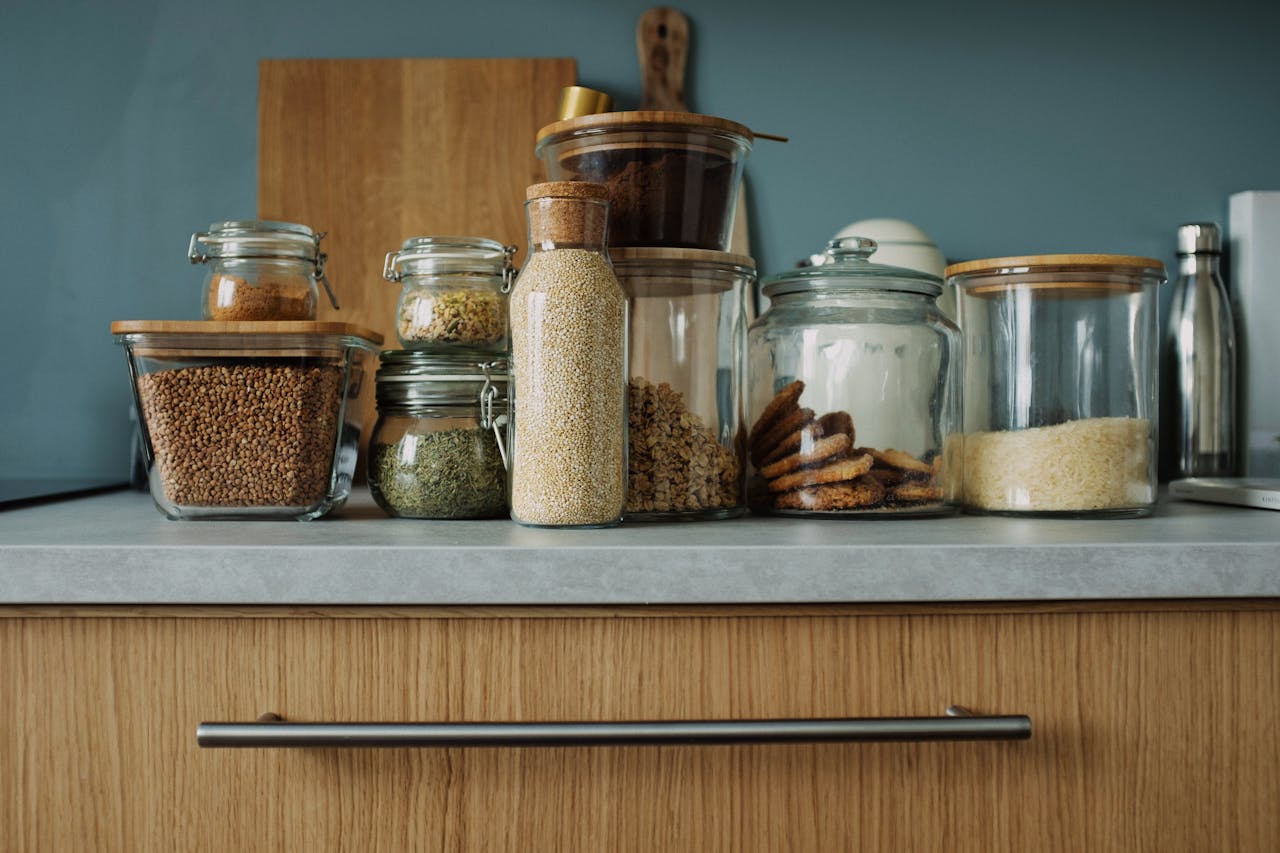
Spices don’t technically spoil, but they do lose their potency over time. Storing old, faded spices can take up valuable space in your cabinets, and using them in your cooking can lead to bland, uninspiring dishes.
Regularly check the quality of your spices. If the color has faded or the aroma is weak, it’s time to replace them. To keep your spices fresh for longer, store them in a cool, dark place, away from any heat sources.
4. Opened Canned Goods

Once opened, canned goods can quickly become a breeding ground for bacteria if they’re not properly stored. Storing opened canned goods in your kitchen cabinets can lead to food contamination and spoilage.
After opening a canned good, transfer any unused portions to a glass or plastic container before refrigerating. Always remember to use the leftovers within a few days to ensure food safety.
5. Pet Food

Storing pet food in your kitchen cabinets can attract pests and create an unpleasant smell. Additionally, opening and closing the cabinet doors can expose the pet food to air and light, causing it to degrade faster.
Consider storing pet food in airtight containers in a cool, dry place. This will help keep the food fresh for longer and prevent any unwanted pests.
6. Hard Liquor
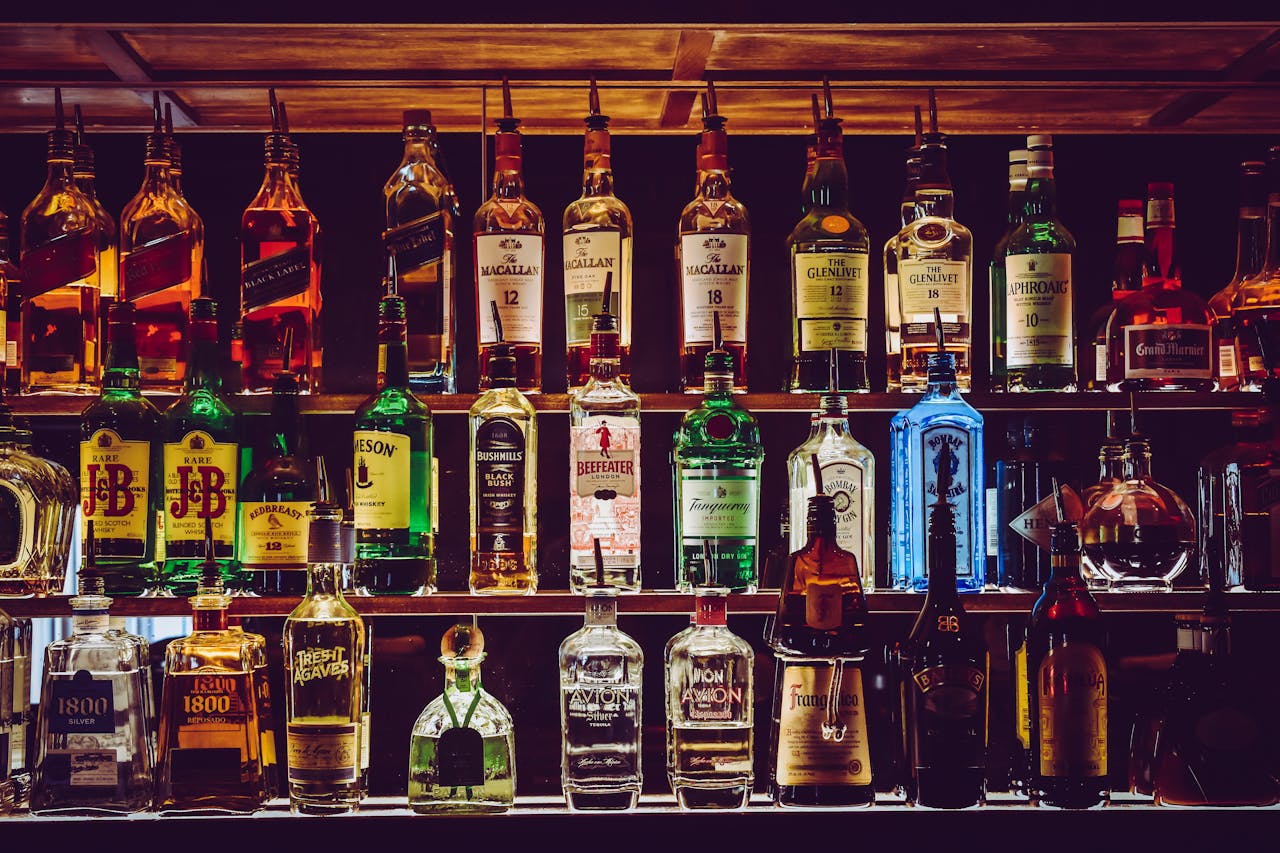
Storing hard liquor in the kitchen cabinets can expose it to heat and light, which can alter its taste. It can also take up valuable space that could be used for other essential kitchen items.
If possible, store your hard liquor in a home bar or a dedicated liquor cabinet. If you don’t have space for this, consider storing it in a cool, dark place away from any heat sources.
7. Pots and Pans
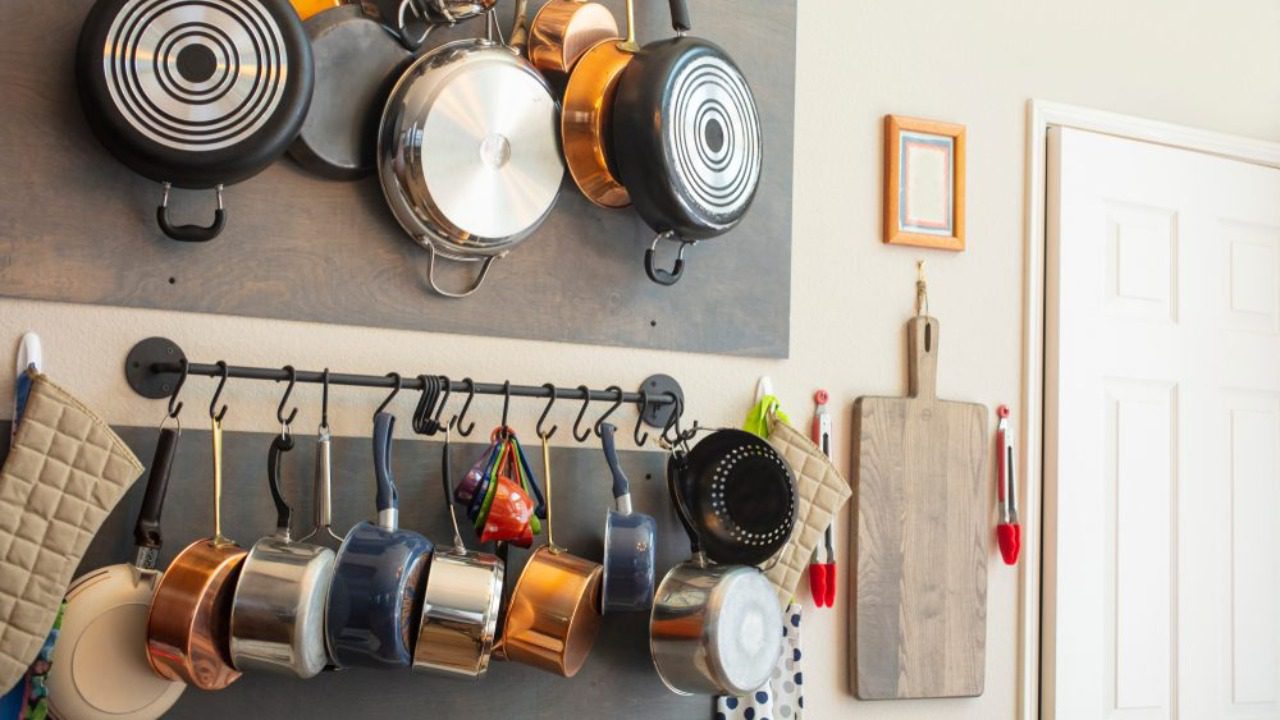
While it may seem logical to store your pots and pans in your kitchen cabinets, this can quickly lead to clutter and disorganization. It can also cause damage to your cookware if they’re stacked on top of each other without proper protection.
Consider alternative storage solutions for your pots and pans. This could be a hanging pot rack, a dedicated cabinet with organizers, or even a pegboard on the wall.
8. Bread

Storing bread in your kitchen cabinets can cause it to go stale faster due to the lack of air circulation. It can also attract pests and create an unpleasant smell.
Instead of storing bread in your cabinets, consider using a bread box or storing it in the refrigerator. This will help keep your bread fresh for longer and prevent any unwanted pests.
9. Coffee

Storing coffee in your kitchen cabinets can expose it to heat, light, and moisture, causing it to lose its flavor. It can also take up valuable space that could be used for other essential kitchen items.
Consider storing your coffee in airtight containers in a cool, dark place. This will help keep your coffee fresh for longer and preserve its flavor.
10. Plastic Grocery Bags

While it may seem convenient to store your plastic grocery bags in your kitchen cabinets, they can quickly become a source of clutter. They can also pose a suffocation risk to children and pets.
Consider recycling your plastic grocery bags or using them as trash can liners. Alternatively, invest in reusable grocery bags to reduce waste and clutter.
11. Appliances You Rarely Use
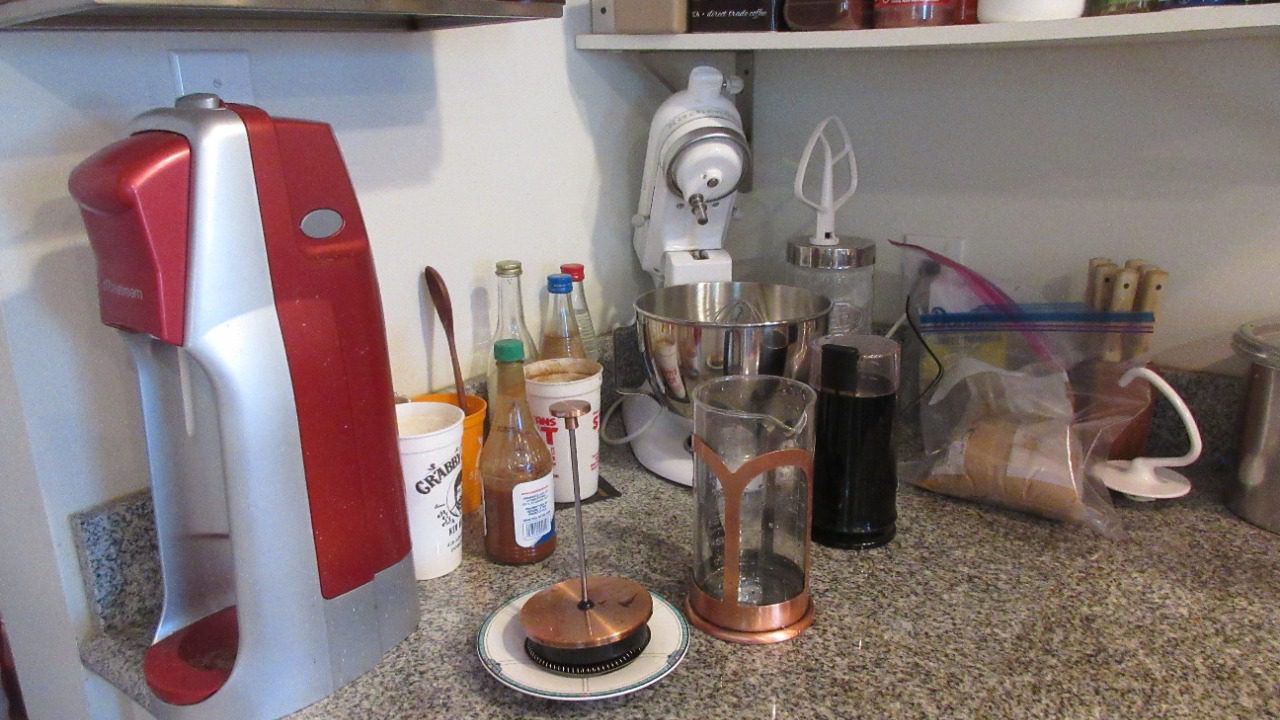
We all have those kitchen appliances that we rarely use. They take up valuable space in your kitchen cabinets and can make it difficult to find the items you use regularly.
Consider decluttering your kitchen by getting rid of any appliances you don’t use regularly. Donate them, sell them, or store them in a less accessible area if you think you might need them in the future. This will help free up space in your kitchen cabinets and make your kitchen more functional and organized.