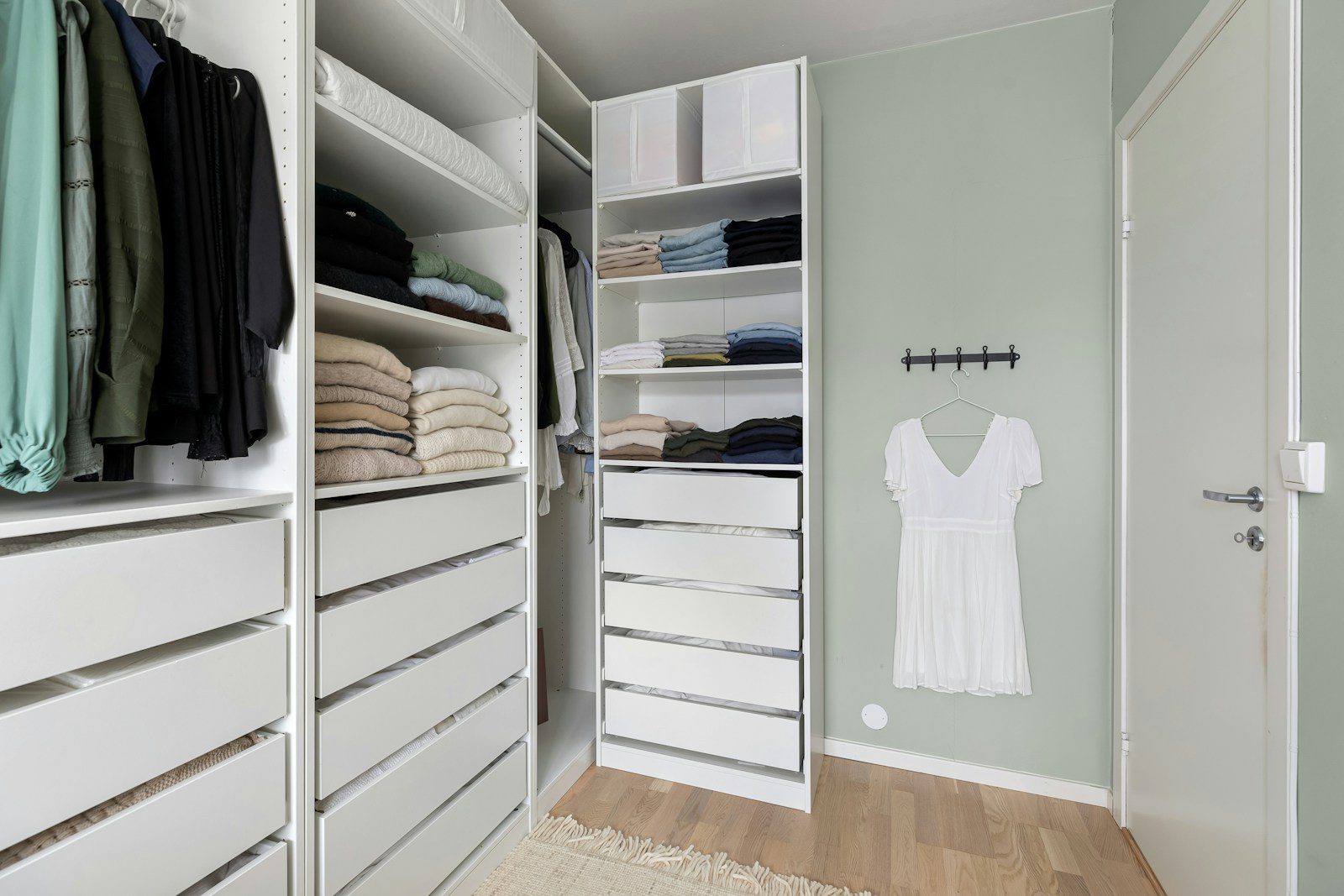
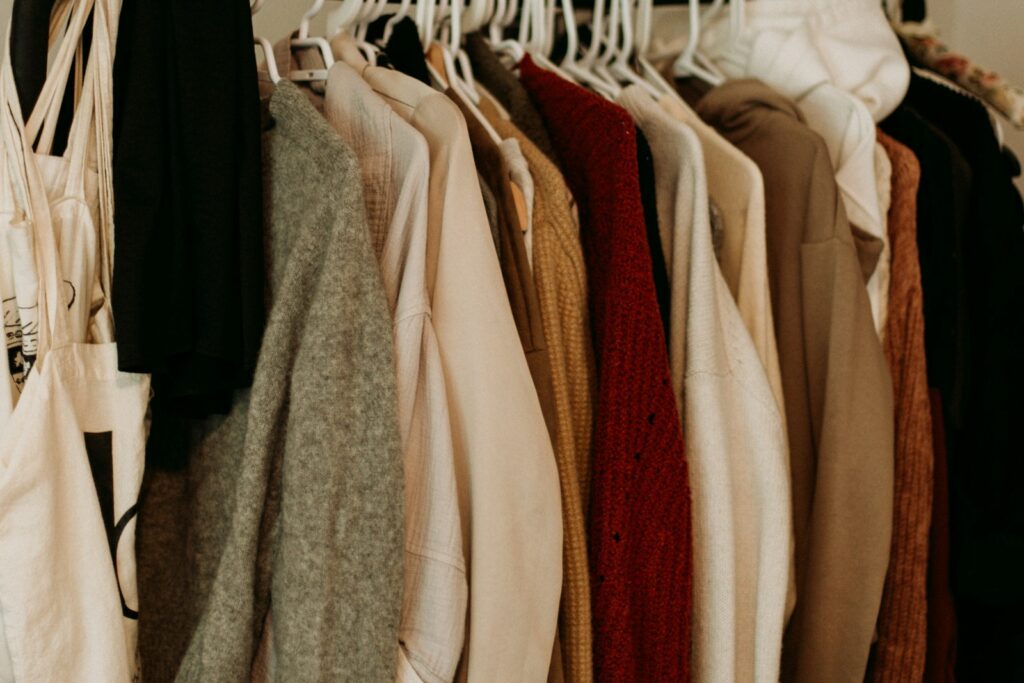
Open most closets and you’ll find two very different wardrobes living side by side: the handful of items you actually reach for on a normal week, and everything else, quietly taking up the majority of the rod and shelf space while contributing almost nothing to your daily routine. It’s a strange kind of clutter, because clothing feels personal in a way that old cords or expired coupons don’t, which makes it genuinely harder to let go of even when you know, deep down, you’re not reaching for it.
The goal here isn’t to feel bad about any of it — bodies change, jobs change, styles change, and a closet is basically a timeline of all of that. It’s simply to notice which categories tend to overstay their welcome so you can make room for the clothes you’re actually going to wear. Here are eleven common culprits.
Clothes You’re Keeping “For When You Lose the Weight”
Aspirational sizing is one of the most common reasons closets stay overstuffed, with a section dedicated to clothes from a smaller size kept as motivation or hope for the future. The trouble is that clothing sized for a different body doesn’t tend to inspire anyone day to day; it mostly just sits there as a quiet source of guilt every time the closet door opens. If your weight does change significantly, buying a few new pieces to celebrate at that point tends to feel far better than digging out clothes that have been sitting for years. Letting go of this category now, and dressing well for the body you have today, is a genuinely kinder approach.
Formal Wear From Events You Attended Once
A specific bridesmaid dress, a suit worn to a single wedding, or a gown from a formal event years ago often gets kept indefinitely because it was expensive and only worn once, which feels wasteful to part with. Realistically, most formal wear tied to a specific past event has a very low chance of being worn again in its exact original form. Consignment shops and formal wear donation programs, some specifically for prom dresses or interview attire, give these pieces a genuinely useful second life. Keeping one or two pieces with real sentimental significance, rather than an entire section of one-time-wear formal clothing, tends to be plenty.
Clothes With Tags Still On From Years Ago
It’s remarkably common to find clothing with the original tags still attached, sometimes bought years ago during a sale that felt too good to pass up. If an item hasn’t been worn despite being fully ready to wear for an extended period, it’s a fairly reliable sign it doesn’t fit your actual lifestyle or taste as well as it seemed to in the store. Returning items while still within a store’s return window prevents this in the future, and donating older tagged items lets someone else actually get use out of them. This category is often one of the easiest to part with once you notice how long the tags have actually been there.
Shoes That Are Genuinely Uncomfortable
Beautiful shoes that pinch, rub, or otherwise hurt to wear often get kept anyway, either because they were expensive or because you keep hoping they’ll break in eventually. In reality, shoes that are uncomfortable after multiple wears rarely improve significantly, and most people end up reaching for the same two or three comfortable pairs while the rest sit unworn in a closet or shoe rack. Being honest about which shoes you actually put on versus which ones just look nice sitting there is a useful filter for this category. Donating shoes in good condition, even if they didn’t work out for you, means someone else gets genuine use from them.
Maternity or Postpartum Clothing You’re Done Needing
Maternity and early postpartum clothing serves an important but temporary purpose, and many people hold onto the full collection indefinitely on the chance of a future pregnancy that may or may not happen. If your family planning is complete, or even just uncertain enough that the clothes have sat unused for a couple of years, donating to a friend, family member, or maternity clothing donation program is a practical choice. Keeping a few sentimental favorites while letting go of the bulk of the collection frees up meaningful closet space. This is an emotionally loaded category for a lot of people, so there’s no rush, but it’s worth revisiting periodically rather than defaulting to keeping everything indefinitely.
Workout Clothes From a Fitness Phase That Didn’t Stick
Enthusiastic gym memberships and fitness resolutions often come with a wave of new workout clothing purchases, some of which get worn a handful of times before the routine fades. These pieces frequently sit in a drawer or closet section long after the associated activity has stopped, still technically wearable but rarely reached for. If a specific workout outfit hasn’t been worn in over a year, it’s a reasonable candidate for donation, particularly to organizations that support youth sports or community fitness programs. Keeping a smaller, more current rotation of workout clothes you actually use tends to serve you better than a large collection tied to past intentions.
Clothes That No Longer Fit Your Current Job or Lifestyle
A closet section full of business suits after a shift to remote work, or formal office wear after a career change, is extremely common and often goes unaddressed simply because nobody thinks to revisit it after a lifestyle shift happens gradually. These clothes typically don’t get worn again in their original context, and holding onto them takes up space that could go to clothing that fits your actual current routine. Donating professional clothing to organizations that help people re-entering the workforce gives these pieces genuine continued use. Reassessing your closet whenever your daily routine changes significantly — a new job, a move, a lifestyle shift — helps prevent this category from quietly accumulating.
Items You Kept Specifically for Sentimental Reasons
A concert t-shirt, a college sweatshirt, or an item tied to a specific memory often gets kept well past the point of being worn, taking up space among clothes intended for daily rotation. There’s nothing wrong with keeping sentimental clothing, but mixing it in with your regular wardrobe makes it harder to see what you actually wear versus what you’re storing for memory’s sake. Creating a small, separate memory box specifically for sentimental clothing — possibly repurposed into a quilt or pillow eventually — keeps these items honored without cluttering the closet you use every day. This separation makes both categories easier to manage on their own terms.
Clothes That Need Repairs You’ll Probably Never Get To
A missing button, a broken zipper, or a small tear can turn a perfectly good item of clothing into something that sits unworn indefinitely, waiting for a repair that keeps getting pushed off. If a repair hasn’t happened within a few months of the item being set aside, it’s worth being honest about whether it’s actually going to happen. Setting aside a specific afternoon to tackle a small pile of repairs, or taking items to a tailor in one batch, either restores them to your regular rotation or clarifies that they should be donated or discarded. Clothes waiting indefinitely for a repair that never comes are functionally the same as clothes you don’t wear.
Duplicate Basics in Slightly Different Fits
It’s easy to accumulate several pairs of jeans, multiple black t-shirts, or various basic cardigans in slightly different cuts or washes, especially when replacing a favorite that wore out led to buying a similar but not identical replacement. Over time, this results in a closet with far more basics than you actually rotate through regularly. Trying on your full collection of a given basic item side by side, and keeping only the versions that fit best and get worn most, helps trim this category down to what’s genuinely useful. The remaining duplicates can typically be donated in good condition for someone else to enjoy.
Coats and Jackets for a Climate You No Longer Live In
A move to a warmer or milder climate often leaves behind a closet section full of heavy winter coats that rarely, if ever, get worn again in their new context. These bulky items take up disproportionate space for their actual usefulness, especially compared to lighter layers suited to a new location. Keeping one or two coats for rare cold snaps or travel, and donating the rest to a coat drive in a colder region where they’ll actually get used, is a practical way to handle this category. Reassessing seasonal clothing specifically after any major move helps prevent climate-mismatched items from lingering indefinitely.