In the lean years of the Great Depression, cooks could not run to the store for a long list of fancy ingredients. They made do with what was already in the house, and one of the pies that came out of that habit is still on dessert tables today. Buttermilk pie has a nickname that says it all: a “desperation pie.”
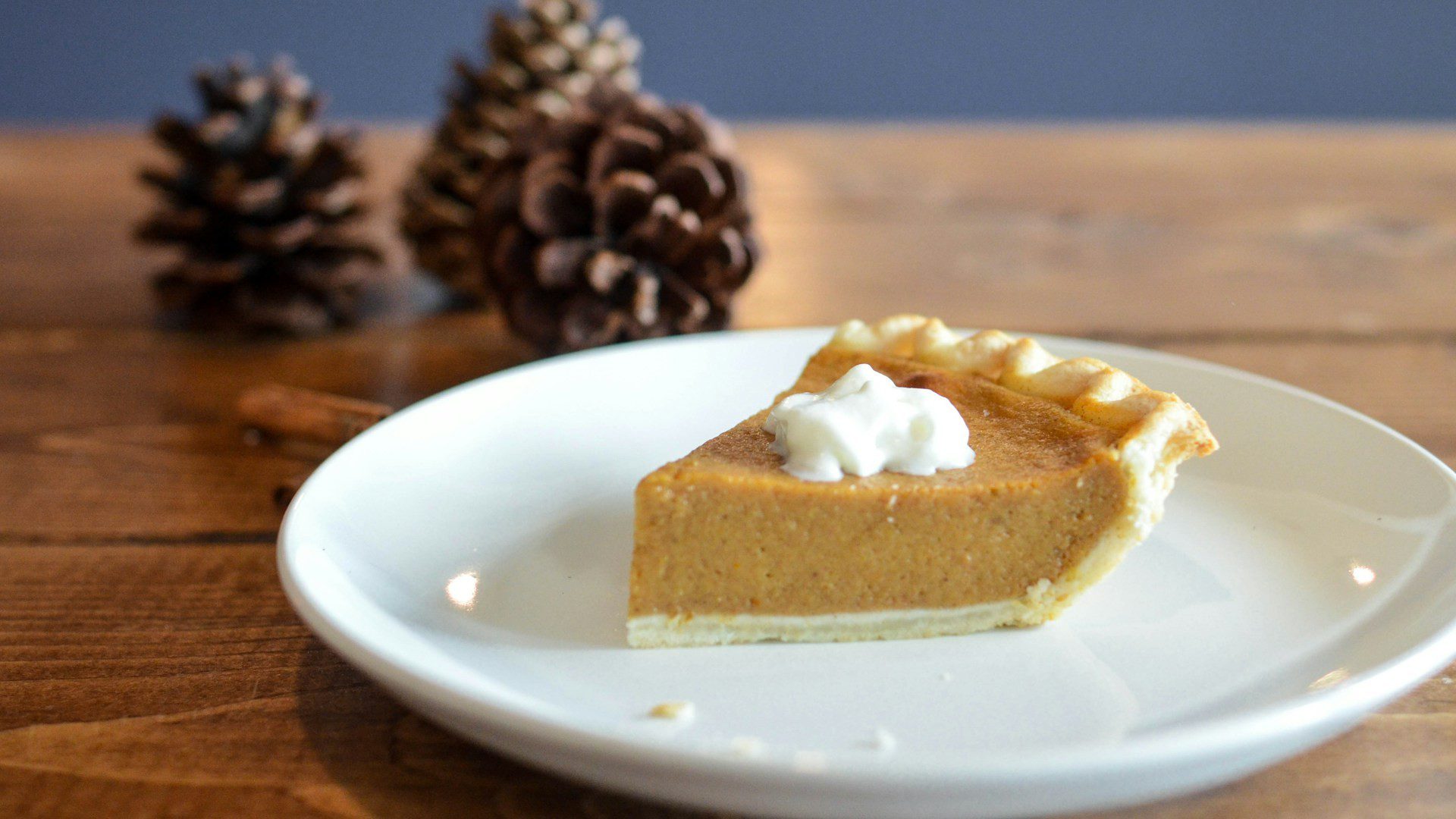
Upworthy traced the history of this custard-style dessert and shared two recipes, one more than 140 years old and one for the modern kitchen.
Source: Upworthy.
Cheap Milk And A New Law Put Buttermilk On Every Table
Milk prices dropped sharply during the Great Depression, which made buttermilk widely available. Congress then passed the Agricultural Adjustment Act of 1933 to stabilize dairy and other farm industries.
Culinary historians Jane Ziegelman and Andy Coe described milk as a complete food that hit all the bells, which helped explain why a dessert built on buttermilk caught on with families trying to stretch a dollar.
The First Recipe On Record Appeared In A Texas Newspaper In 1867
The pie is older than the Depression, though. The earliest recorded recipe appeared in 1867 in the Dallas Herald in Texas.
In 1877, a cookbook called Buckeye Cookery published a version with a thin layer of sliced apple tucked inside the pie.
And in 1884, a Mrs. F. W. Westgate of Uniondale, Pennsylvania, sent her recipe to a book titled Mrs. Owens’ Cook Book and Useful Household Hints.
The 1884 Version Needs Just 6 Ingredients And A Crust
Mrs. Westgate’s recipe is about as simple as baking gets:
- 1 cup sugar
- 1 egg
- 1½ cups buttermilk
- 1 teaspoon butter
- 1 tablespoon flour
- Nutmeg, to flavor
- One crust
Mix the ingredients, flavor with nutmeg and bake in one crust. Because the original gives no temperature or time, modern bakers usually follow the settings in a newer recipe.
The Modern Version Comes From A Grandma Named Willie Mae
For today’s kitchen, Upworthy shared a recipe from pastry chef Tyra of Tyra’s Table, who got it from Grandma Willie Mae. Here is what you need:
- 3 eggs, at room temperature
- 1¼ cups granulated sugar
- 2 tablespoons all-purpose flour
- ½ cup unsalted butter, melted
- 1 cup buttermilk, at room temperature
- 1 teaspoon vanilla extract or vanilla bean paste
- A pinch of salt and a pinch of nutmeg
- One 9-inch pie crust
- Prep. Bring all the ingredients to room temperature so the batter blends smoothly. Poke a few holes in the crust to prevent air bubbles.
- Mix. Whisk the eggs, sugar, flour, melted butter, buttermilk, vanilla, salt and nutmeg until smooth.
- Bake. Pour the filling into the crust and set the pie on a sheet tray to catch any drips. Bake at 350°F for 45 to 50 minutes, until the filling is set and the top is light golden brown.
- Cool. Let the pie cool completely. The author prefers it chilled and plain, but whipped cream or fresh berries are welcome.
What Makes A Desperation Pie Different From A Fancy One
The beauty of this pie is how little it asks of the baker. There is no fruit to peel and no fussy meringue to whip. Everything in the filling is something a farm household or a city pantry would have kept on hand: eggs, sugar, flour, butter and buttermilk.
The result is a custard with a gentle tang that balances the sugar, a bit like a lighter cousin of chess pie. Many bakers like to finish it with a pinch of nutmeg and nothing more, and the author of the article prefers to eat it chilled and plain.
That plain, honest style is why a pie from the 1800s still feels right at a modern dinner. It looks humble on the plate, and then everyone asks for the recipe.
Tips For A Smooth, Sweet-And-Tangy Slice
A few easy habits can help your pie turn out right every time:
- Do not skip the room-temperature step. Cold eggs and buttermilk can leave streaks in the batter and make the pie bake unevenly.
- Use a baking sheet. It catches spills and makes it easier to move the pie in and out of the oven.
- Watch the center. The filling should be set at the edges with the faintest wiggle in the middle, and it firms as it cools.
- Be patient. A pie sliced while warm can run. Letting it cool completely gives you clean slices.
- Chill leftovers. Because it is an egg and dairy custard, store the pie in the refrigerator once it has cooled.
It also pays to keep buttermilk on hand for more than pie. If a recipe needs a small amount, buy a carton and use the rest in pancakes, biscuits or cornbread so none goes to waste.
That thrifty spirit is exactly why the pie survived long after the Depression ended. Cooks still love dishes that turn plain pantry staples into something special, and with the holidays around the corner, a pie that costs very little and impresses a crowd is a good one to have in your back pocket.
Whether you stick with Mrs. Westgate’s tiny recipe or choose Grandma Willie Mae’s richer one, you are baking a piece of history, one that has been feeding hungry families for well over a century.
More Stories You May Like
- Coupon And Loyalty App Deals Push You To Buy Things You Never Needed, So Only Use Them On Items Already On Your List Or You Are Just Stockpiling Clutter
- Buying Closet Organizers Before You Declutter Just Gives Your Extra Stuff A Nicer Home, So Purge First, Measure Second And Buy Only What You Need
- Gift Clutter Is Taking Over Your House, And You Can Tell Relatives What Your Family Needs Without Hurting Feelings Using Wish Lists And Experience Gifts