Kids’ bedrooms rarely stay photo-ready, but some patterns quietly guarantee that the mess never really goes away. When you understand the specific forces working against you, from your child’s development to your own mental load, you can decide which piles actually matter and which are simply part of growing up.
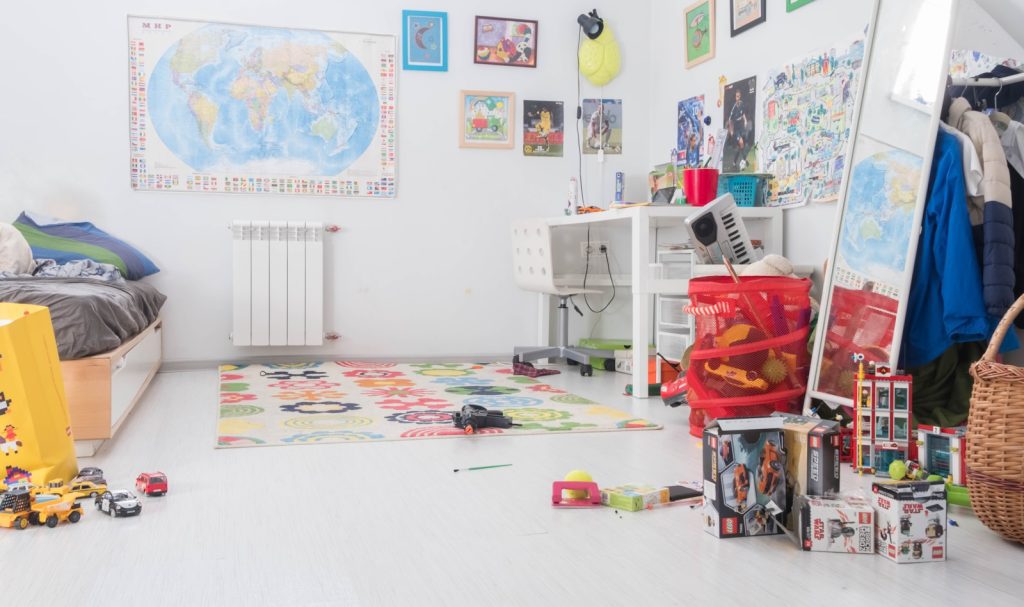
1) Kids’ rooms reflect their inner world — and that’s not always a bad thing
Kids’ rooms reflect their inner world, and that can keep them constantly messy. Reporting on why it is actually OK for your child to have a somewhat messy room notes that clutter often tracks with curiosity, experimentation and a busy mind, not just defiance. When a child is building forts, staging doll “worlds” or lining up toy cars, the floor becomes a map of what they are thinking about, which naturally resists staying tidy.
Seeing the room as a mirror of your child’s inner life matters because it changes how you respond. Instead of treating every scattered block as a failure, you can ask what the mess is telling you about their interests or stress level, then set limits around safety and hygiene. That balance, supported by guidance on why a somewhat messy room can be OK, helps you protect both your sanity and their development.
2) A “somewhat” messy room is developmentally normal, not a moral failure
A “somewhat” messy room is developmentally normal, which is one reason kids’ spaces seem permanently cluttered. Parenting experts emphasize that a baseline level of chaos is expected as children learn to dress themselves, manage toys and juggle schoolwork. Clothes will miss the hamper, art supplies will migrate under the bed and beds will be half-made at best, especially in the early elementary years.
Labeling this constant low-level mess as a moral failure raises the emotional temperature at home without actually improving habits. Instead, you can distinguish between normal clutter and genuine problems like food left out or tripping hazards. When you treat moderate disarray as a stage to coach through, rather than a character flaw, you are more likely to set realistic routines that your child can follow consistently, which gradually reduces how overwhelming their room feels.
3) Constant play and imagination naturally create constant clutter
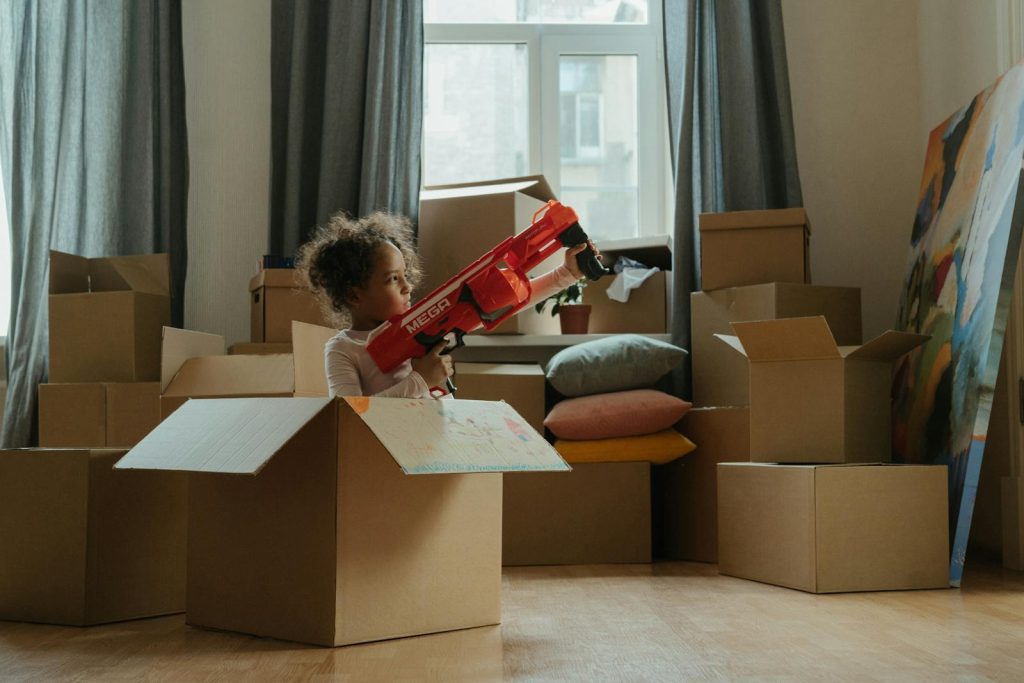
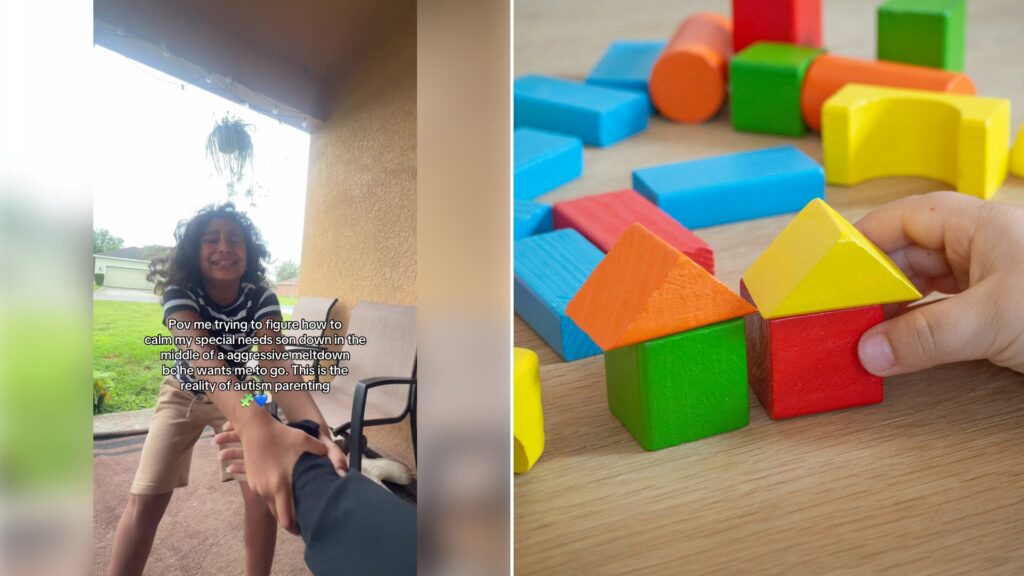
Constant play and imagination are major drivers of rooms that never look finished. When a child is in the middle of elaborate pretend games, Lego builds or craft projects, they rarely want to pack everything away at the end of the day. The result is “ongoing projects” that sprawl across floors, desks and beds, making the room look messy even when nothing is technically abandoned.
This kind of creative clutter has real benefits, since open-ended play is linked to problem solving and emotional regulation. The tradeoff is that your child’s most imaginative phases often coincide with their messiest seasons. Instead of shutting that down, you can designate specific surfaces for long-term projects and limit how many can be “in progress” at once. That way, you protect their creativity while containing the visual chaos that keeps the room feeling perpetually out of control.
4) Kids’ executive-function skills are still developing, so tidiness isn’t automatic
Kids’ executive-function skills are still developing, which means tidiness is not automatic and mess tends to accumulate. Guidance on ADHD and organization explains that children benefit from well-labeled, clear bins and baskets that provide visual reminders of where things belong. Without that kind of external structure, even motivated kids can feel paralyzed by the sheer number of decisions involved in cleaning up.
Executive function covers planning, working memory and impulse control, all of which are required to put toys away instead of dropping them wherever play stops. When those skills lag behind, the path of least resistance is to leave items out, day after day. For parents, the implication is that “clean your room” is not a single command but a multi-step task that may need to be broken down, modeled and supported with simple systems if you want the room to stay under control.
5) Parents’ overwhelm in other areas of the home spills over into kids’ rooms
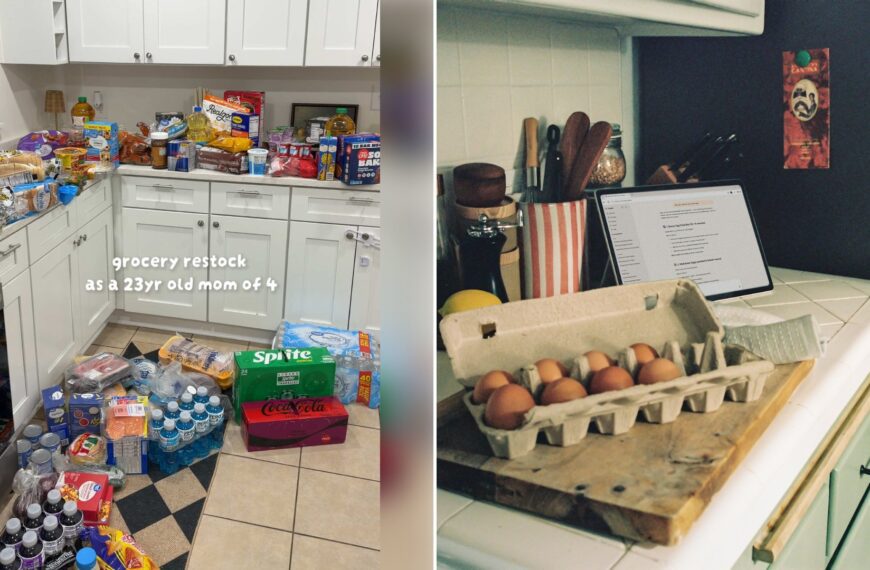
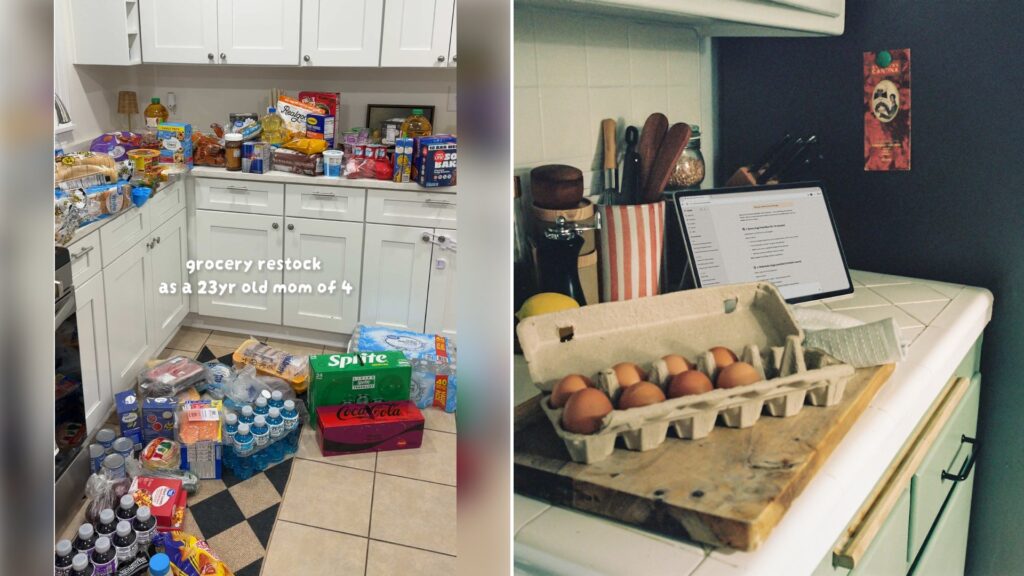
Parents’ overwhelm in other areas of the home often spills over into kids’ rooms, keeping them messy by default. Reporting on household stress points out that if you notice certain patterns in your mom’s kitchen, it can signal she is more overloaded than she admits, from dishes piling up to mail stacking on counters. Those same pressures mean there is less time and energy left to supervise bedroom cleanups or declutter toys.
When the adult in charge is stretched thin, kids’ rooms become low-priority zones where clutter quietly multiplies. The stakes are not just aesthetic, because a chronically overwhelmed caregiver may feel guilty or ashamed about the state of the house, which can make it even harder to ask for help. Recognizing that a messy bedroom might be a symptom of broader overload, as hinted by signs of hidden overwhelm in the kitchen, is often the first step toward more sustainable routines.
6) When the “command center” (the kitchen) is cluttered, routines around kids’ rooms break down
When the “command center” of your home is cluttered, routines around kids’ rooms tend to break down. Cleaning experts describe the value of establishing a central “staging area” or command center before a deep clean, because that is where schedules, supplies and decisions live. If that hub, often the kitchen, is buried under paperwork and half-finished tasks, it becomes harder to coordinate regular bedroom resets.
Without a functioning command center, nightly checklists, weekend laundry cycles and toy rotation plans fall apart, leaving kids’ rooms in a constant state of almost-clean. The implication is that tackling clutter in the most visible shared space can indirectly improve your child’s room. By following advice to establish your command center first, you create the mental and physical bandwidth to enforce simple bedroom routines that actually stick.
7) Hidden overwhelm means fewer clear systems for kids to follow
Hidden overwhelm often means there are fewer clear systems for kids to follow, which keeps their rooms messy. When adults are juggling work, caregiving and household logistics, they may rely on ad hoc fixes instead of setting up consistent storage, labels or routines. Children then face a room full of stuff with no obvious “home” for anything, so items land wherever there is open space.
This lack of systems is especially hard on younger kids, who are still learning basic school-readiness skills like following multi-step directions and sorting objects. Resources on what children should know before kindergarten highlight the importance of simple routines and categorizing, both of which are easier when the environment is structured. If you invest a little time in creating intuitive zones and teaching your child how to use them, you reduce the cognitive load that keeps their room in a cycle of confusion and clutter.
8) Emotional load and guilt can make parents avoid battles over mess
Emotional load and guilt can make you avoid battles over mess, which quietly locks in the status quo. When you are already carrying worries about work, finances or your child’s wellbeing, starting another argument about piles of laundry can feel like too much. It is often easier in the moment to shut the door on a messy room than to push through resistance and supervise a cleanup.
That short-term peace has long-term consequences, because kids quickly learn that ignoring requests to tidy eventually works. Over time, the bedroom becomes a physical reminder of unresolved tension, which can feed more guilt and avoidance. Some parents respond by embracing a more minimalist approach, as described in reflections on how you can reduce clutter and overwhelm, so there is simply less to fight about. Fewer possessions mean fewer flashpoints, making it easier to hold the line on basic habits.
9) Perfectionism in shared spaces can backfire into chaos in kids’ rooms
Perfectionism in shared spaces can backfire into chaos in kids’ rooms. When you pour energy into keeping the living room and kitchen looking “acceptable” for guests, there is often little left for the less visible corners of the house. Kids’ bedrooms then become the overflow zone for toys, seasonal gear and random storage, which makes it nearly impossible for children to maintain order on their own.
This dynamic is reinforced when parents feel pressure to present a certain image in public areas, while quietly tolerating anything behind closed doors. The result is a split-level standard that confuses kids about what really matters. By loosening perfectionism where it is performative and redirecting some of that effort into realistic systems in your child’s room, you can reduce the constant mess without adding more stress to your plate.
10) Conflicting expectations between parents and kids fuel ongoing clutter
Conflicting expectations between parents and kids are another reason bedrooms stay messy. Adults may picture a hotel-level reset each night, while children think “clean” means clearing a small path to the bed. Parenting guidance that frames a somewhat messy room as acceptable highlights this gap, suggesting that what looks chaotic to you might feel perfectly functional to your child.
When standards are unspoken or wildly mismatched, every cleanup request turns into a negotiation, and clutter lingers in the middle. The stakes go beyond appearance, because constant conflict over mess can erode trust and cooperation in other areas. Clarifying what “clean enough” means, perhaps by agreeing on visible floor space or clear surfaces, gives your child a concrete target. That shared definition makes it more likely that their room will reach and maintain a baseline level of order instead of bouncing between disaster and deep clean.
11) Reframing mess as information, not failure, changes how you tackle it
Reframing mess as information, not failure, changes how you tackle your kids’ rooms. Parenting perspectives that treat a messy bedroom as a signal, and household reporting that reads a cluttered kitchen as a sign of hidden overwhelm, both suggest that piles and chaos are data points about schedules, systems and stress. When you look at what is always on the floor or never put away, you can spot patterns in what is over-owned, under-organized or simply too hard for your child to manage.
This mindset shift has practical benefits. Instead of cycling through frustration and shame, you can respond with targeted fixes, like using clear plastic totes to discover better toy organization or rotating clothing to free up dresser space, as suggested when you take control of kids’ messy rooms. Over time, treating clutter as feedback rather than a verdict makes it easier to create a bedroom that supports both your child’s growth and your need for a little visual calm.
More from Decluttering Mom: