You might be surprised to learn that many everyday items around you were actually invented decades ago. While some inventions feel new and modern, their origins often date back much further than you think.
Understanding the past of these inventions can change how you view the objects in your daily life.
Standardized Time (1884)

You probably take it for granted that time is the same everywhere, but that wasn’t always the case. Before 1884, each town kept its own local time, which made things confusing, especially for train travel.
In 1884, an international conference established time zones to standardize time worldwide. This helped your clocks stay in sync no matter where you are.
Thanks to this, scheduling and communication became much easier, shaping the way we organize our daily lives today.
CPR (1960s)

You might not realize that the CPR technique you know today was developed in the 1960s. Before that, efforts to revive people had been tried for centuries, but effective chest compressions combined with rescue breaths became standard only then.
Two doctors, James Elam and Peter Safar, played a key role in this breakthrough. Their work made CPR simple and effective, something you can learn and use to save lives.
Teenagers as a cultural group (1940s)

In the 1940s, being a teenager meant something new. You weren’t just a young kid or an adult—you had your own culture. Soda fountains and dance halls were popular places for you to hang out.
Music like swing and jitterbugging shaped your social life. You might have worked as a soda jerk or spent time with friends in booths or on counters. Your world was less connected by technology but rich in social spaces made just for you.
Crosswords (1913)

You probably enjoy solving crosswords, but did you know they were invented over a century ago? Arthur Wynne created the first modern crossword puzzle, published on December 21, 1913, in a New York newspaper.
Back then, it was called a “word-cross.” Since then, crosswords have become a popular pastime, challenging your vocabulary and problem-solving skills. They quickly gained popularity and remain a favorite way to pass the time.
Supermarkets (1930s)
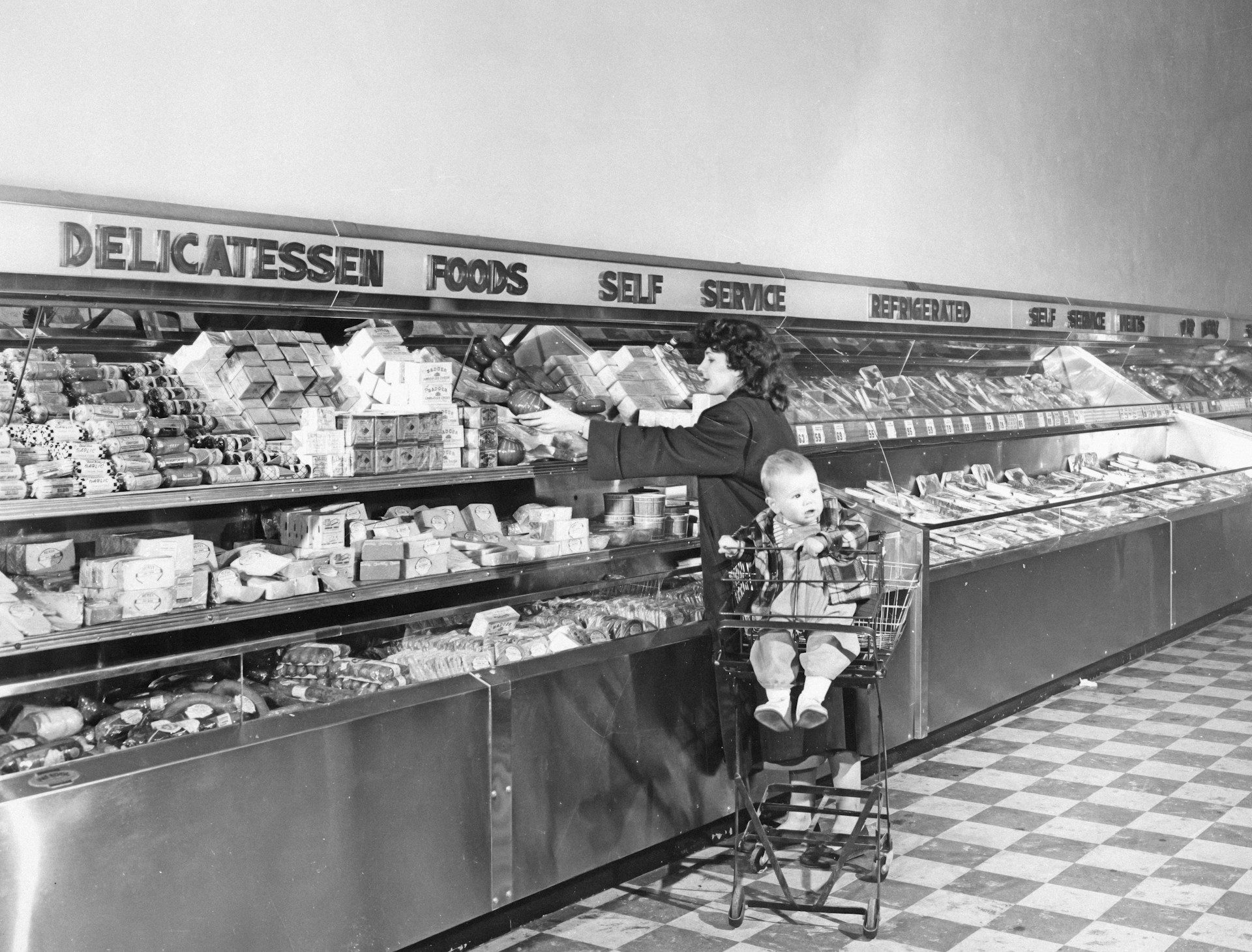
You might not realize that supermarkets first appeared in the 1930s. King Kullen, often credited as the first supermarket, opened on the East Coast, changing the way you shop for groceries.
Before supermarkets, you told a clerk what you wanted, and they fetched it for you. The supermarket introduced self-service, letting you pick items yourself.
The invention of the shopping cart in 1936 made it easier for you to carry many groceries at once. This simple idea changed your shopping experience forever.
Hair Gel (1920s)

You might think hair gel is a modern invention, but it actually dates back to the late 1920s. Before gels, people used pomades, waxes, and oils to style their hair.
The first hair gels were designed to help hold more intricate styles in place. Over time, gel formulas improved, making them easier to use and more popular.
So when you slick back your hair or create a spiky look, you’re using a product with nearly a century of history behind it.
Chicken Tikka Masala (1960s)

You might think chicken tikka masala has been around forever in India, but it was actually created in the UK during the 1960s. A chef named Ali Ahmed Aslam, who moved from Pakistan to Scotland, is often credited with its invention.
The dish was made to suit British tastes by adding a creamy tomato sauce to traditional chicken tikka. So next time you enjoy it, know you’re tasting a unique mix of cultures.
Scottish Kilt as modern dress (16th century)
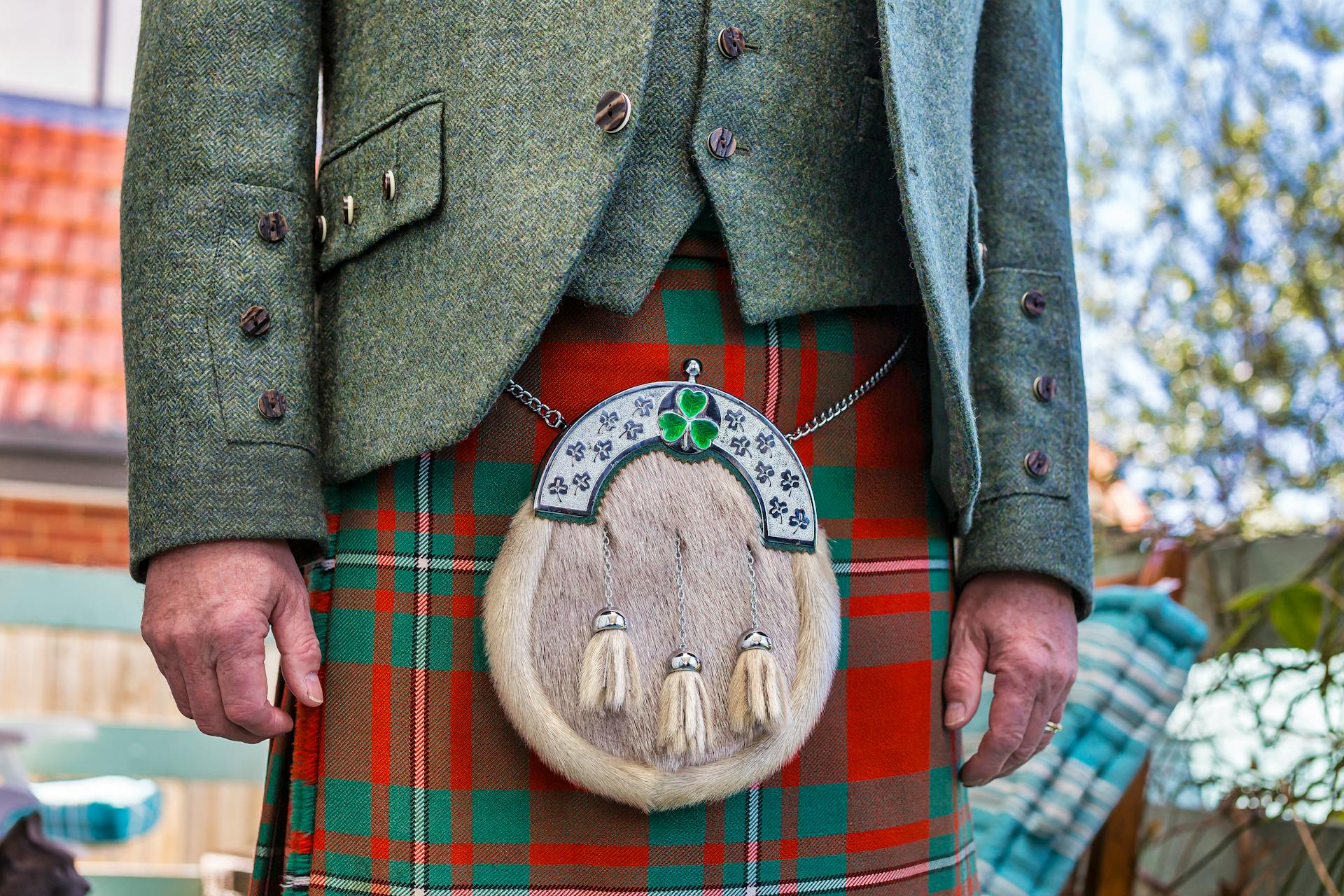
You might be surprised to learn the Scottish kilt dates back to the 16th century. It started as the “féileadh mòr,” or great kilt, a large piece of fabric you could wrap for warmth and protection.
Back then, it was practical clothing for Highland men and boys. Over time, it became the modern kilt you know today, worn for formal and cultural events. You can see how a simple garment evolved into a symbol of Scottish identity.
Mobile Phone (1973)

You might think mobile phones are a modern invention, but the first handheld call happened way back in 1973. Martin Cooper, a Motorola engineer, made that call while walking in New York City.
The early phone weighed over a kilogram and looked bulky compared to today’s devices. It took Motorola just 90 days to build that first working model!
Rubik’s Cube (1974)

You might not know that the Rubik’s Cube was invented in 1974 by Ernő Rubik, a Hungarian architect. He created it to help explain three-dimensional geometry in a hands-on way.
If you’ve ever tried solving it, you’ll appreciate how it combines creativity with logic. The Cube has 43 quintillion possible configurations, making it a huge challenge. It’s been popular with people of all ages for decades and remains a classic puzzle today.
Barcodes (1948)

You might not realize barcodes were invented way back in 1948. Two students, Norman Woodland and Bernard Silver, came up with the first design.
Their original idea was a round pattern that looked like a bullseye, different from the lines you’re used to seeing today. This invention eventually changed how we track products every day.