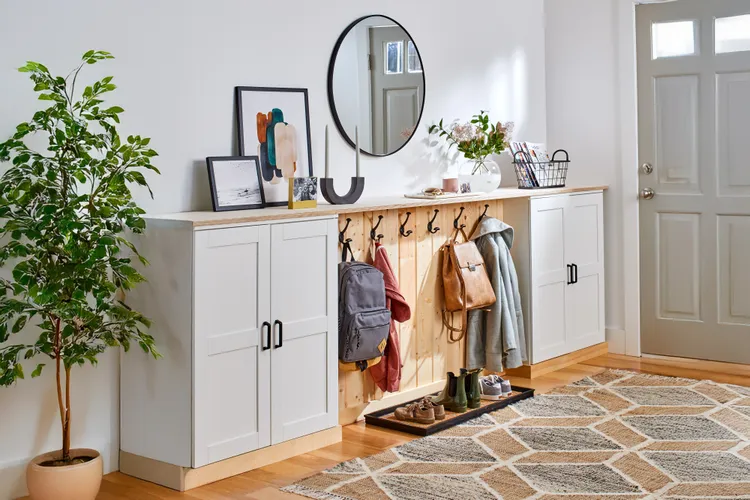
Your entryway sets the tone for your entire home, yet it is often treated as a dumping ground. Professional organisers warn that clutter at the front door quickly spreads to every other room, making it harder to keep your space under control. Clearing a few specific categories from this zone will restore flow, improve daily routines, and help your home feel calmer the moment you step inside.
1) Excess Shoes and Boots
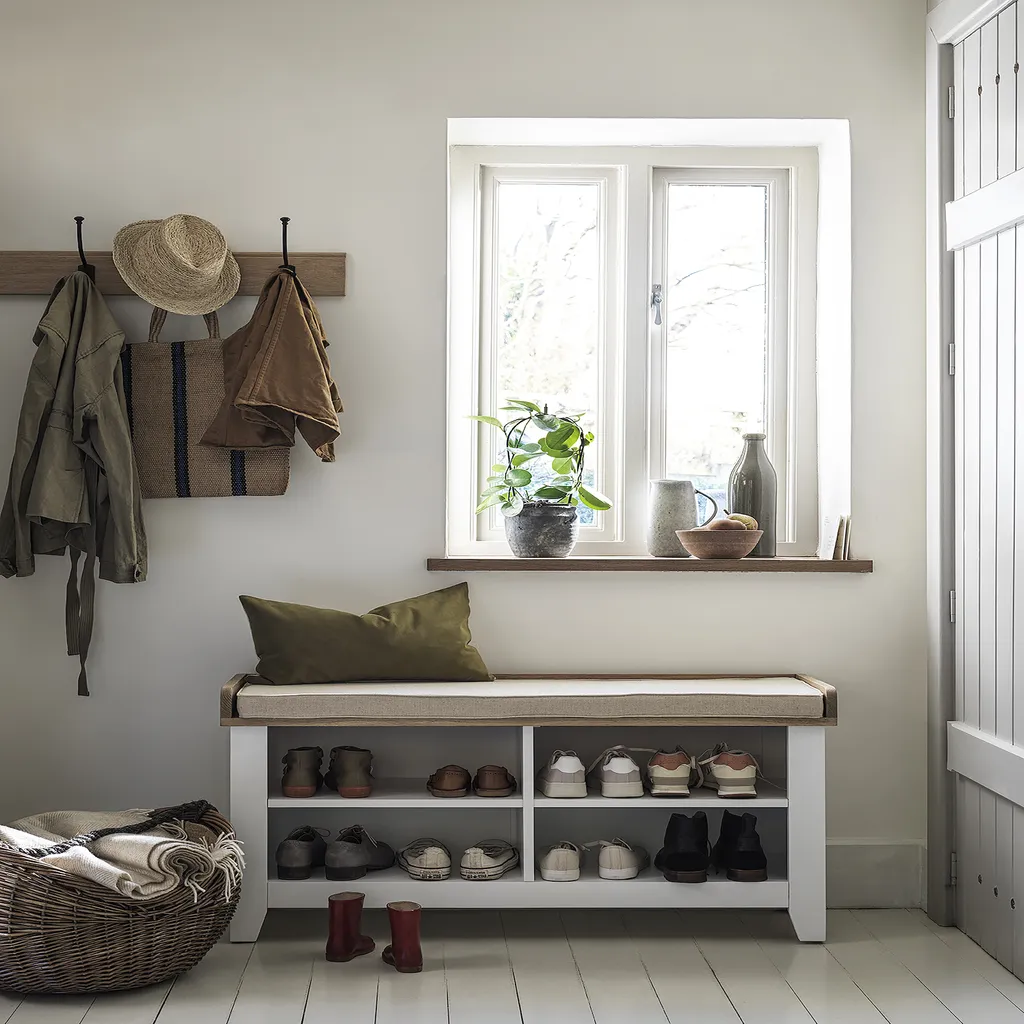
Excess shoes and boots are the fastest way to turn a small entry into a tripping hazard. Experienced professional organisers describe overflowing footwear as a classic example of clutter that blocks movement and undermines any storage system you try to set up. When every family member leaves several pairs by the door, you lose clear floor space, and cleaning becomes almost impossible.
Instead, limit the entryway to one everyday pair per person and relocate the rest to bedroom closets or a dedicated shoe cabinet. This simple boundary keeps the threshold visually open and makes it easier to sweep or vacuum grit that would otherwise be trapped under piles of trainers and boots. For households with children, labeling a single cubby or tray per person reinforces the rule and reduces morning chaos.
2) Unsorted Mail Piles
Unsorted mail piles quickly turn a landing zone into a stress zone. Organizing experts who focus on seasonal resets advise clearing paper buildup from the entry before major transitions, noting that pro organizers deliberately remove stacks of envelopes and flyers when they prepare homes for fall. Left unchecked, these piles hide important documents, invite late fees, and visually crowd a space that should feel welcoming.
A better approach is to sort mail immediately into three categories, such as recycle, action, and file, and keep those bins away from the front door. A slim wall-mounted sorter in a home office or kitchen can handle bills and school forms without clogging the entry. This shift protects the threshold from becoming a paper dumping ground and signals to everyone in the household that the doorway is for arrivals and departures, not long-term storage.
3) Outdated Seasonal Coats
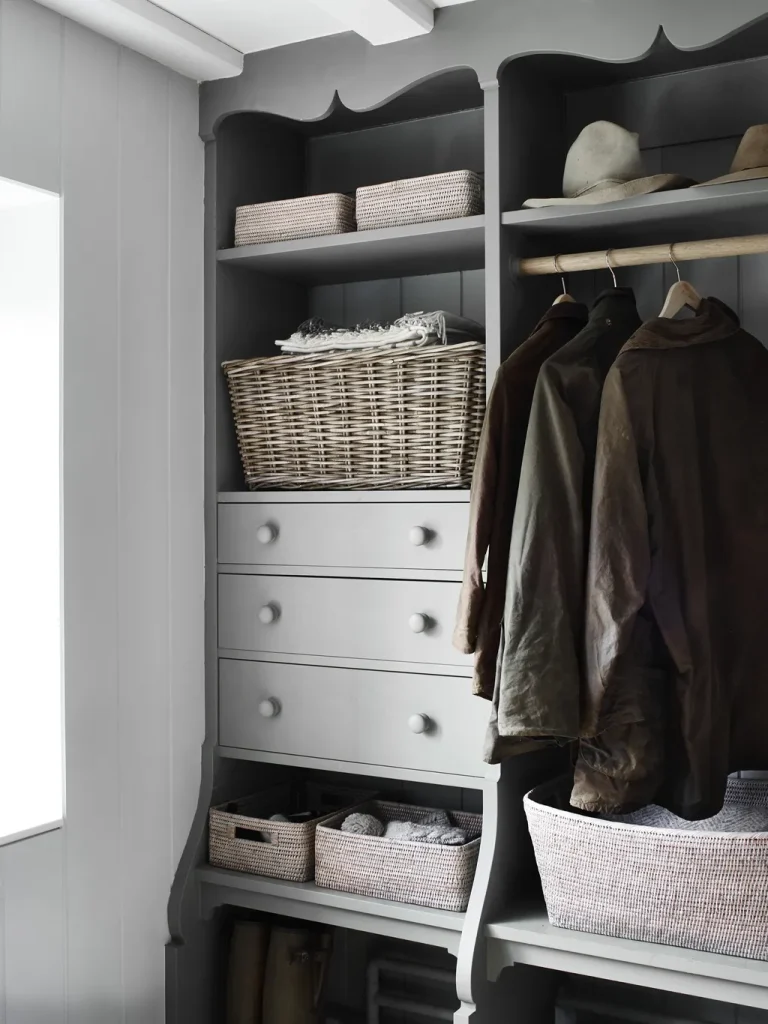
Outdated seasonal coats consume valuable inches on hooks and rails that should serve what you actually wear. Insights on efficient space use in high-traffic areas, such as the lobby of the Barceló Torre de Madrid, highlight how every square metre is curated so guests move freely and see only what they need, a principle echoed in things to know about that hotel’s design. Your entryway deserves the same discipline, especially when the weather shifts.
At the end of each season, pull heavy parkas, outdated raincoats, and rarely worn jackets off the entry hooks and relocate them to bedroom wardrobes or under-bed storage. This rotation frees up space for current layers and prevents the rail from sagging under unnecessary weight. It also makes it easier to spot gaps, such as a missing waterproof for a child, before you are rushing out into a storm.
4) Random Bags and Purses
Random bags and purses, from canvas totes to crossbody handbags, tend to accumulate on every available knob and chair near the door. Over time, this creates visual noise and makes it harder to find the one bag you actually need. A pro organizer who champions transparent systems recommends moving these items into clear storage bins so you can see what you own without scattering it across the entryway.
Storing bags vertically in labeled bins on a closet shelf or in a nearby wardrobe keeps straps from tangling and protects delicate materials from dirt tracked in from outside. You can still maintain a single hook for the everyday work bag or school backpack, but everything else should live beyond the threshold. This shift turns the entry from a dumping ground into a streamlined handoff point between home and the outside world.
5) Dusty Welcome Mats
Dusty welcome mats might seem harmless, yet they quietly spread grime through the rest of your home. Cleaning experts who map out seasonal checklists specifically call out high-traffic thresholds, advising that you shake, wash, or replace mats as part of the things to clean before May to give your home a fresh start for summer. When mats are saturated with dirt, they stop trapping debris and start redistributing it.
Removing worn mats from the entry for a deep clean, or swapping them for fresh ones, instantly brightens the space and cuts down on dust that would otherwise settle on nearby surfaces. Consider using a sturdy outdoor mat to scrape shoes and a washable indoor runner to catch finer particles. Regularly rotating or laundering these textiles keeps the entryway feeling cared for and protects flooring in adjacent rooms.
6) Loose Keys and Accessories
Loose keys and accessories, including sunglasses, lanyards, and small tech gadgets, are notorious for turning console tables into clutter magnets. Organising specialists who share their biggest pet peeves note that professional organisers never allow tiny items to accumulate unchecked in busy zones, because they are easy to misplace and hard to corral once they spread. A jumble of metal and cords also makes surfaces harder to dust.
Instead of dropping everything in a random heap, assign a shallow tray or divided drawer for keys and a separate, closed container for small accessories. Mounting a key rack inside a nearby cupboard door keeps essentials accessible without visual clutter. This structure reduces frantic searches when you are running late and reinforces the idea that every item, no matter how small, has a defined home beyond the immediate doorway.
7) Forgotten Umbrellas
Forgotten umbrellas often lean in corners or pile up in baskets, dripping on floors and blocking baseboards. Organizing guidance that focuses on seasonal transitions points out that weather-related clutter is a prime target for removal ahead of fall, when households reassess what actually gets used. Keeping a dozen umbrellas by the door rarely improves preparedness, but it does guarantee clutter.
A more efficient strategy is to keep one sturdy umbrella per adult in a closet stand and move extras to car boots or bedroom wardrobes. Compact travel umbrellas can live in work bags instead of the entry. Periodically editing this category prevents broken or rusted pieces from lingering and frees up floor space for items that genuinely support daily routines, such as a slim bench or shoe tray.
8) Miscellaneous Small Items
Miscellaneous small items, from spare batteries to dog waste bags and bike lights, tend to land on entry shelves “just for now” and then never leave. A pro organizer who advocates for transparent systems recommends that you Learn to keep these categories in clear, labeled containers so you can see what you own at a glance. Scattering them across the entryway makes it impossible to maintain order.
Relocating these bits and pieces to a utility cupboard, garage shelf, or dedicated drawer prevents the front door from becoming a general storage depot. Clear bins grouped by function, such as “batteries and bulbs” or “bike gear,” make it easy to grab what you need without rummaging. This approach respects the entryway as a transition space rather than a catchall, which in turn makes the entire home feel more intentional.
9) Worn-Out Rugs
Worn-out rugs with frayed edges, flattened pile, or lingering stains drag down the look of an otherwise tidy entry. Cleaning checklists that focus on seasonal refreshes emphasise that textiles at thresholds should be evaluated along with other entryway mess culprits, since they absorb dirt and moisture every day. When a rug stops performing, it becomes both a safety risk and a visual distraction.
Removing tired rugs gives you a chance to deep clean the floor underneath and measure for a better-fitting replacement. Opt for low-pile, washable runners that allow doors to swing freely and can handle frequent laundering. By upgrading this one element, you instantly sharpen the first impression your home makes and reduce the amount of grit that migrates into living areas, protecting finishes over time.
10) Extra Furniture Pieces
Extra furniture pieces, such as spare chairs, side tables, or unused shelving, quickly choke the natural flow of an entryway. Organising experts who outline what they NEVER tolerate in busy spaces explain that overcrowding with unnecessary items is one of the habits that sabotages long-term order, a point underscored when they say you should NEVER waste prime real estate on low-value storage. In a narrow hall, even one surplus piece can feel like a blockade.
Editing down to the essentials, typically a slim console, a bench with hidden storage, and a small hook rail, keeps circulation clear and sightlines open. If you need extra shelving, consider wall-mounted options rather than bulky freestanding units. This restraint mirrors the way well-designed public spaces prioritise movement and safety, and it helps your entry remain easy to clean and simple to maintain.
11) Pet Toys and Leashes
Pet toys and leashes often end up scattered near the door after walks and play sessions, creating both clutter and tripping hazards. Organizing advice that targets seasonal decluttering notes that animal-related gear is one of the first categories professionals remove from crowded entryways before fall, because it tends to multiply unnoticed. Chewed balls and tangled leads also collect dirt and fur that spread into the rest of the house.
Designating a small basket in a nearby cupboard for toys and installing a couple of hooks inside a closet for leashes keeps pet essentials accessible without dominating the threshold. Rotating toys so only a few are out at a time reduces visual chaos and makes it easier to spot worn or unsafe items. This simple system respects your pet’s needs while preserving the entryway as a clean, calm transition space for everyone.
More from Decluttering Mom: