When it comes to home maintenance, it’s crucial to understand what should and shouldn’t go down your drains. Proper drain hygiene not only helps preserve the longevity of your plumbing system but also prevents significant environmental harm.
Furthermore, knowing what not to flush or pour down the drain can save you from costly repairs and the inconvenience of blocked pipes. Here, we present 11 items that you should absolutely avoid sending down your drains.
1. Cooking Grease, Fat, and Oil

Grease, fat, and oil are notorious for causing plumbing issues. When warm, these substances are in liquid form and seem harmless to pour down the drain. However, when they cool down, they solidify and can easily block your pipes.
An example of this is bacon grease, which quickly hardens once it cools, potentially leading to significant plumbing issues. Instead of pouring these substances down the drain, you should dispose of them in a sealed container and throw it in the trash. If you accidentally pour grease down the drain, try flushing it out with a lot of hot water and a small amount of dish soap.
2. Coffee Grounds

Coffee grounds might seem like they can be easily washed down the drain, but they are actually one of the leading causes of blocked pipes. They can stick to the insides of your pipes and build up over time, leading to blockages.
It’s better to throw coffee grounds in the trash or compost them. If you have a garden, coffee grounds can be used as a great natural fertilizer that enhances soil health and deters pests. This way, you can enjoy your cup of joe without worrying about potential plumbing problems.
3. Eggshells

Eggshells seem harmless enough, but their gritty, hard nature can be harmful to your plumbing. They can stick to the insides of pipes and, over time, lead to blockages. Moreover, if you have a garbage disposal, eggshells can dull the blades.
Instead of throwing eggshells down the drain, consider composting them. Not only will this prevent possible plumbing issues, but it’s also a great way to enrich your garden soil. If composting isn’t an option, tossing them in the trash is a safer alternative.
4. Flushable Wipes
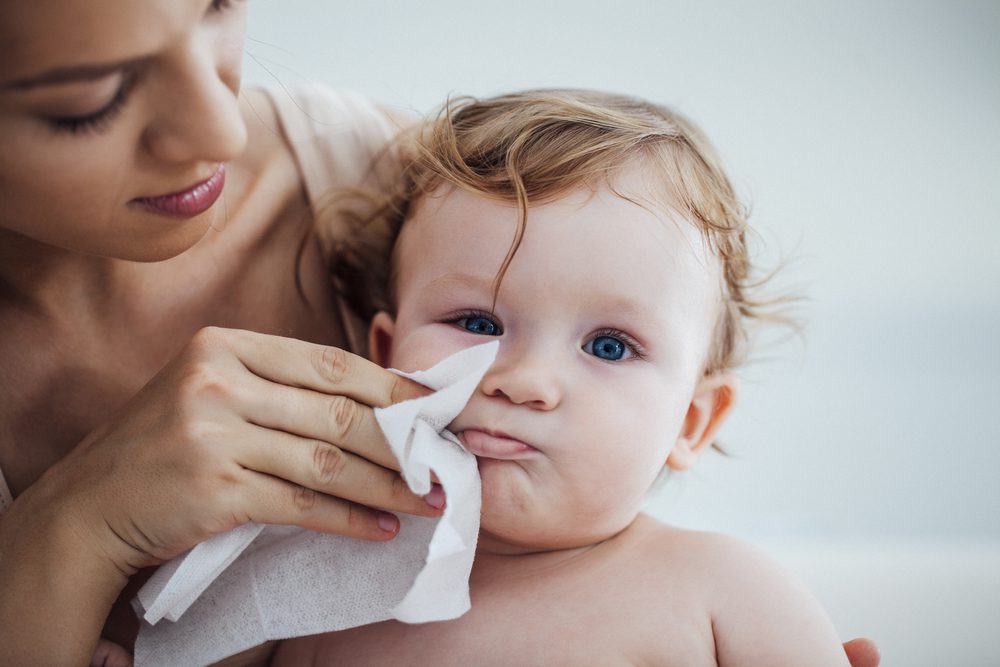
Despite their name, “flushable” wipes aren’t actually safe to flush. They don’t break down like toilet paper and can cause severe blockages in your pipes. They’re also a major contributor to the “fatbergs” that plague sewer systems around the world.
The best solution is to avoid using them altogether. If you do use them, dispose of them in the trash rather than flushing them. Remember, just because something can be flushed doesn’t mean it should be.
5. Feminine Hygiene Products

Feminine hygiene products, including tampons and sanitary pads, should never be flushed down the toilet. They’re designed to absorb moisture and expand, which can lead to significant blockages in your pipes.
Instead, these items should be disposed of in a sanitary bag and thrown away in the trash. Some companies even make biodegradable options that are better for the environment. No matter what, remember that these products are not safe to flush.
6. Condoms
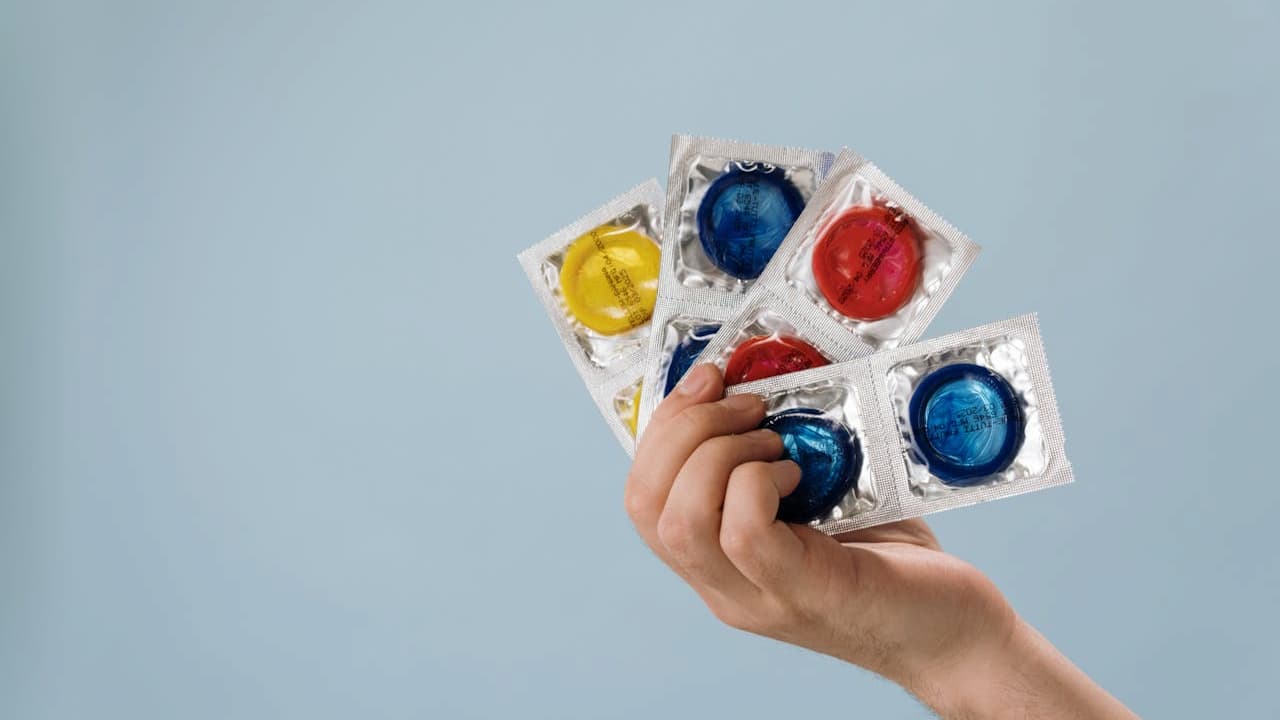
Like feminine hygiene products, condoms are not designed to break down in water. When flushed, they can cause blockages in your plumbing system, leading to costly repairs.
The best way to dispose of a used condom is to wrap it in toilet paper and throw it in the trash. This keeps your pipes clear and helps prevent any potential plumbing issues.
7. Cotton Balls and Swabs

Cotton balls and swabs may seem small and harmless, but they can cause major problems for your plumbing. They don’t break down in water and can easily get stuck in bends in the pipes, leading to blockages.
It’s best to throw these items in the trash. If you use them frequently, consider switching to reusable options, like bamboo cotton swabs. This not only saves your pipes but is also a more environmentally friendly choice.
8. Prescription Medication

Flushing old or unused prescription medication down the toilet may seem like an easy way to get rid of it, but it’s actually harmful to the environment. These chemicals can contaminate our waterways and harm aquatic life.
Instead, take your unused medication to a local pharmacy or a drug take-back event. Some pharmacies even have medication disposal kiosks. This ensures that these potentially harmful substances are disposed of safely.
9. Paint
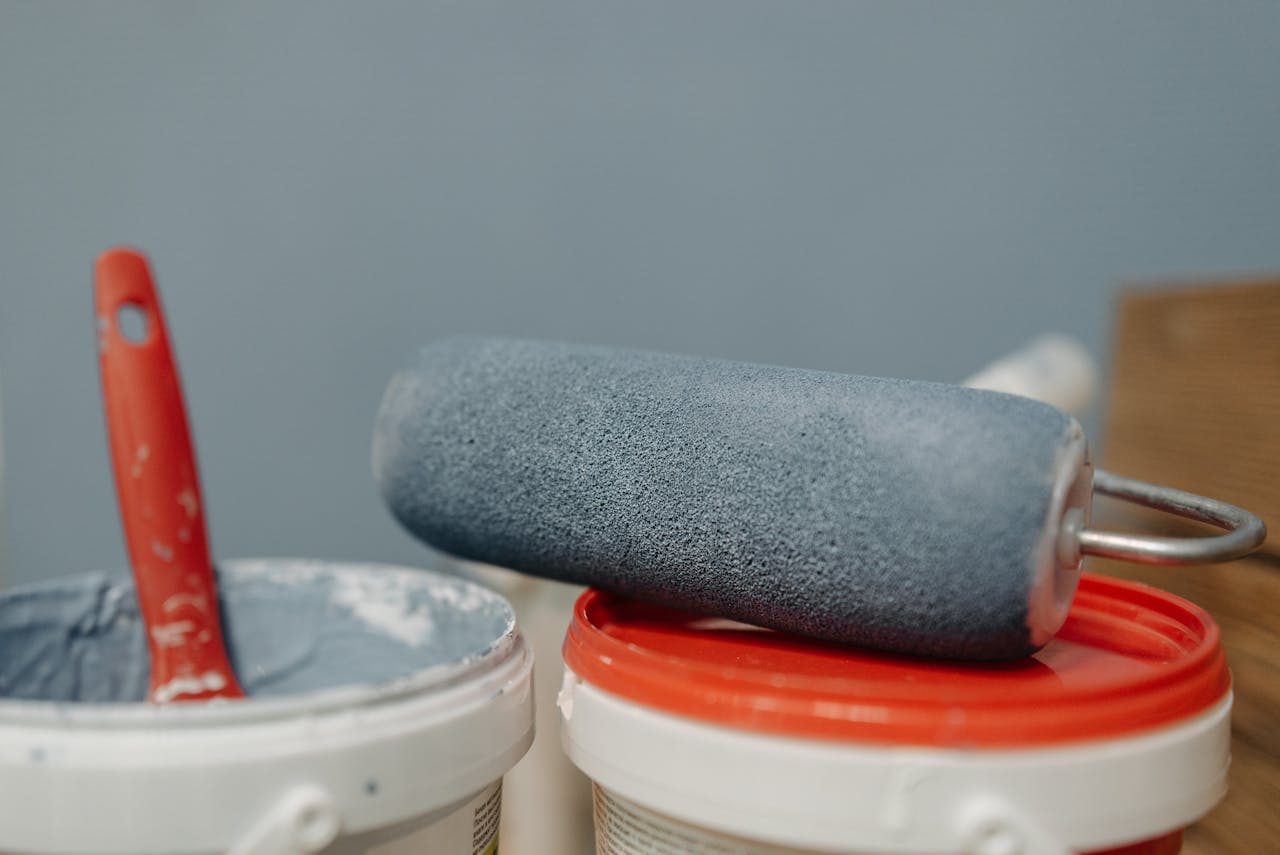
While it might be tempting to wash excess paint down the drain, it can cause serious damage to your plumbing and the environment. Paint can harden in your pipes and cause blockages. It can also contaminate local waterways.
Instead of pouring paint down the drain, try to use up all the paint you have. If you have leftover paint, donate it to a local school, theater, or community center. You can also take it to a local hazardous waste facility for safe disposal.
10. Pasta and Rice
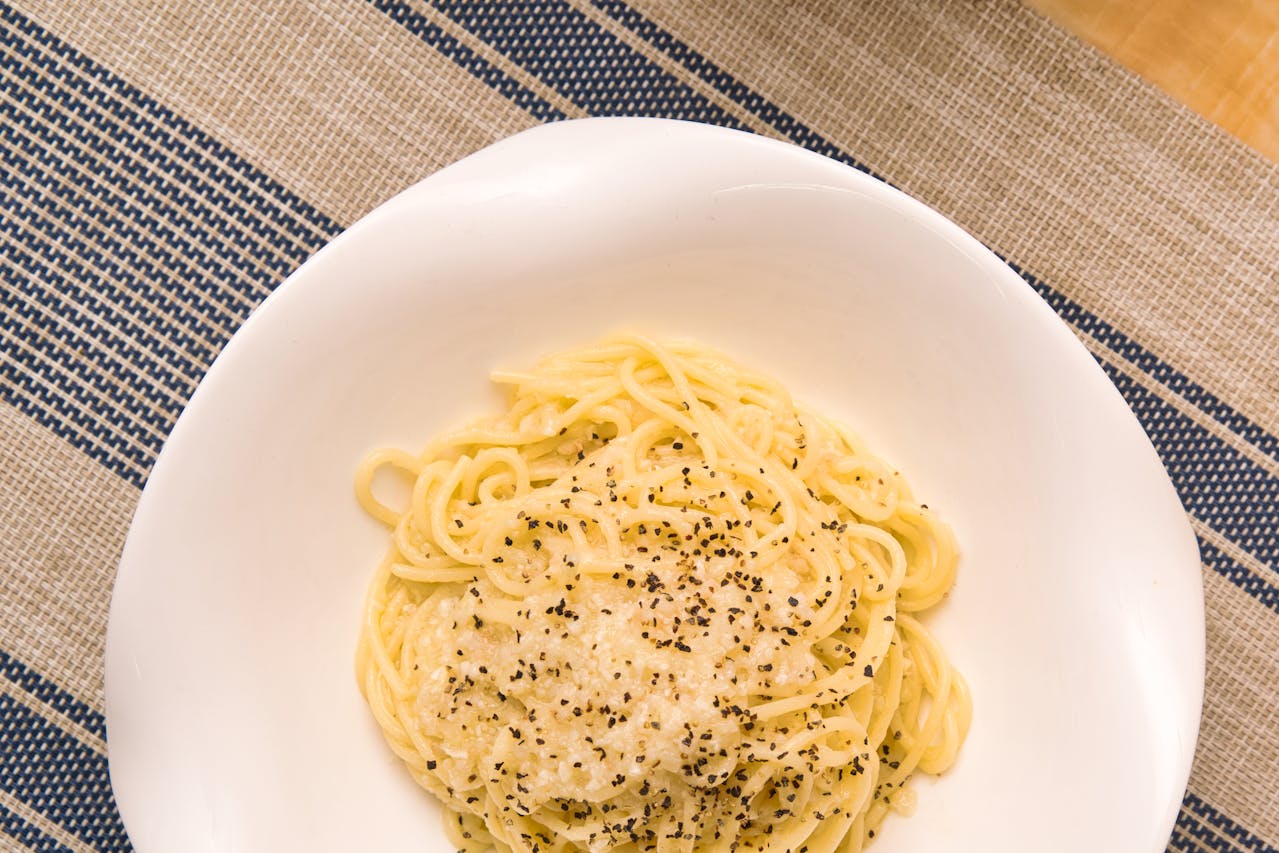
Pasta and rice might seem harmless, but they can cause major problems in your plumbing. When they come into contact with water, they swell and can cause blockages.
Instead of throwing them down the drain, throw them in the trash. If you have a garbage disposal, remember that it’s not equipped to handle these kinds of food. It’s better to be safe than sorry when it comes to your plumbing.
11. Hair

Hair, whether human or pet, can quickly clog up your plumbing. It’s naturally sticky and can easily catch on rough spots in your pipes, forming clogs.
The best way to prevent hair from going down the drain is to use a hair catcher. These devices fit over your drain and catch the hair before it has a chance to enter your plumbing. This simple device can save you a lot of trouble in the long run.