There’s a special kind of denial that kicks in around the time your kids move out: the belief that they will absolutely want the china, the yearbooks, the entire filing cabinet of their third-grade spelling tests. You’ve been saving it “for when they have their own place,” and now they have their own place, and it turns out their own place has zero interest in your storage unit’s worth of sentimental cardboard.
This isn’t a rejection of you or your memories. It’s just that the next generation is furnishing smaller homes, moving more often, and building lives that don’t have room for someone else’s keepsakes. Estate and financial planning experts have been saying it for years: the stuff you assume is a future inheritance is often just future clutter. Here’s what to stop earmarking for the kids.
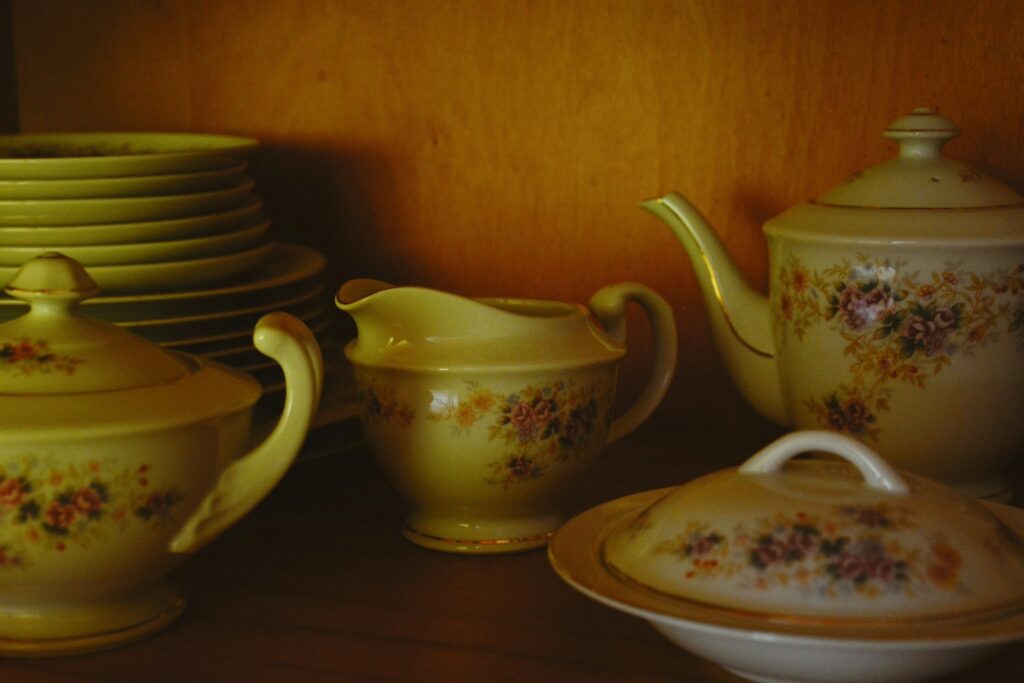
The Formal China Set
Unless your child specifically asked for grandma’s china, assume they don’t want it. Most adult children today don’t host formal sit-down dinners for twelve, and even if they did, they’d rather use dishes that go in the dishwasher and microwave. A full china set takes up an entire cabinet and gets used maybe once every few years, if that. If nobody has claimed it by name, it’s worth asking directly rather than assuming sentimental value will eventually kick in. If the answer is a polite no, consigning it or selling it as a set usually nets more than letting it sit boxed in a closet for another decade.
Crystal Glassware and Serving Sets
Crystal candlesticks, punch bowls, and sets of stemware were wedding registry staples for generations that entertained differently than their kids do now. Today’s adult children are far more likely to own four wine glasses that all match than a twelve-piece crystal set they have to hand-wash. These pieces are beautiful, but beauty doesn’t pay for the shelf space they occupy. If there’s a piece with real family history attached to a story, keep that one and let the rest go to someone who will actually use it, whether that’s a resale shop, an estate sale, or a niece who’s into vintage entertaining.
Yearbooks and School Papers
You may have every report card, every school photo order form, and every yearbook from kindergarten through senior year. Your adult child, statistically, wants their own diploma and maybe one yearbook. The rest is paper that represents your pride in raising them more than it represents anything they’ll ever look at again. A good compromise is photographing a handful of the most meaningful pages and letting go of the physical bulk. If they want to relive the perm they had in ninth grade, they can do it in three seconds on a phone screen instead of digging through a musty box.
Trophies and Participation Ribbons
Every kid who played a season of youth soccer has a trophy to prove it, and somewhere a parent has boxed up dozens of them. Trophies made of plastic and cheap gold paint don’t age well, and your adult child almost certainly does not want to display a third-grade bowling trophy in their apartment. Keep the one or two that mark a genuine milestone, take a photo of the rest for a memory book, and recycle or donate the plastic and metal. The pride you felt watching them play is the actual memory worth keeping, not the hardware.
VHS Tapes and Camcorder Footage
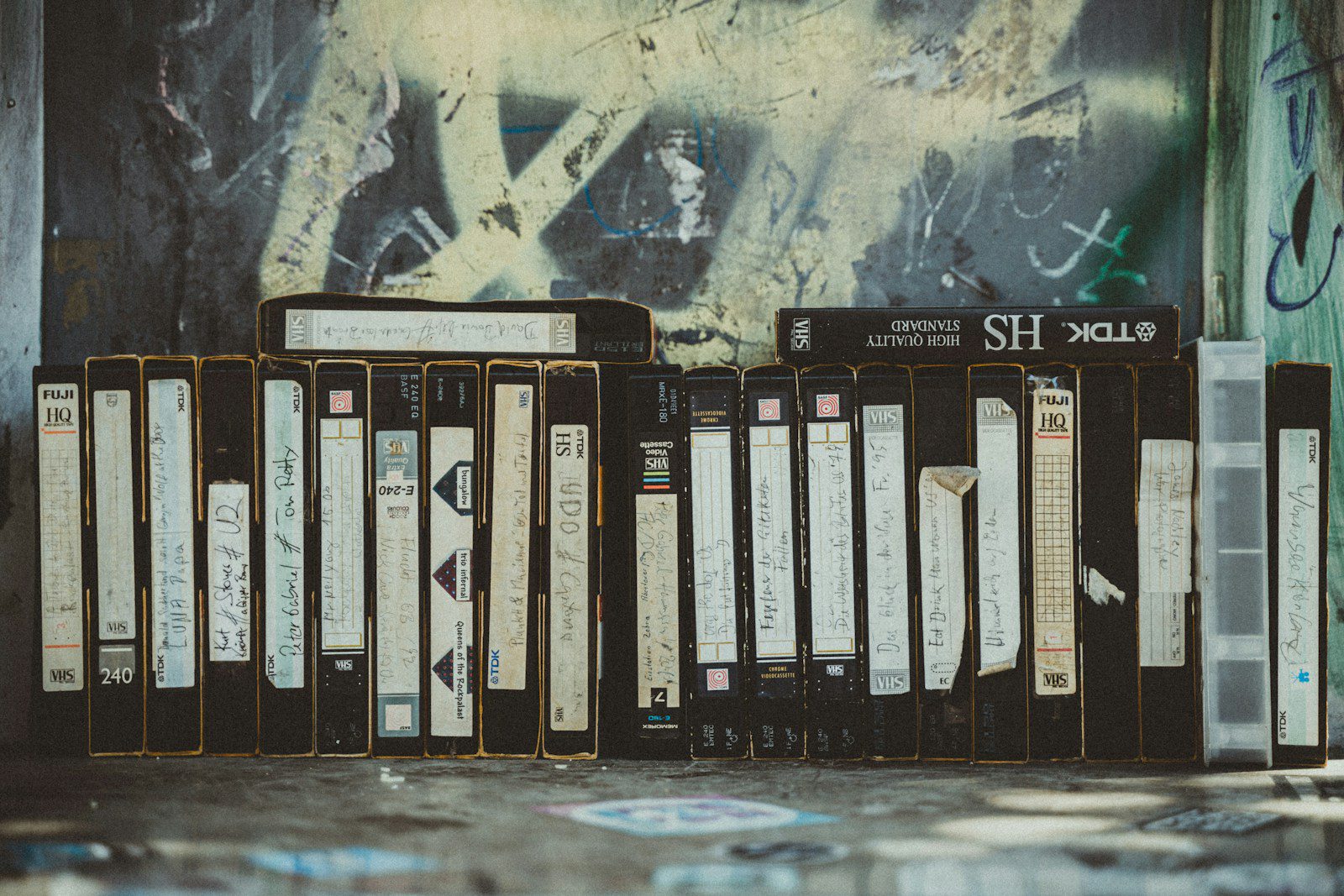
Boxes of home movies on VHS or MiniDV tapes are degrading in basements and attics right now, and most households no longer own a working player to view them anyway. Your kids likely want the memories, not the physical tapes, which are often unwatchable within another decade regardless of what you do. If this footage matters, the priority should be digitizing it through a transfer service rather than storing the tapes themselves for another twenty years hoping someone eventually deals with them.
Encyclopedia Sets and Hardcover Book Collections
A leather-bound encyclopedia set once represented a serious investment in your children’s education. Today it represents forty pounds of outdated information that a smartphone replaces instantly. Unless the set has genuine collector value, which most mass-market encyclopedias don’t, your adult kids won’t want the shelf space eaten up by books they’ll never crack open. The same goes for large hardcover book club collections bought decades ago. Donate them to a library sale or literacy nonprofit where someone will actually read them, rather than passing along the burden of finding a home for them later.
Heavy Wood “Brown Furniture”
Ornate wood armoires, hutches, and dining sets were once considered the pinnacle of a well-furnished home. Younger buyers now overwhelmingly prefer lighter, more flexible furniture that suits smaller apartments and frequent moves, which is part of why secondhand furniture markets are flooded with this style at low prices. Your adult kids likely don’t have the space, the moving budget, or the design taste for a nine-foot china hutch. If it doesn’t fit their home or their aesthetic, it’s kinder to sell or donate it now than to leave it as a decision they’ll have to make under pressure later.
Holiday Decor Collections
Porcelain villages, themed ornament collections, and bins of seasonal knickknacks accumulate over decades of holidays with kids in the house. Your adult children are building their own, smaller holiday traditions, and they almost never want to inherit your entire decor collection wholesale. If they’ve expressed love for a specific ornament or item, set that aside for them by name. Otherwise, consider that a lifetime collection is a lot to ask anyone to absorb into a house that already has its own holiday identity forming.
A Wedding Dress “Just in Case”
Saving your wedding dress in the hope that a daughter or daughter-in-law will wear it someday is a lovely thought, but modern brides overwhelmingly choose their own dress in a style and fit that suits them. Preserving a dress for decades takes real space and, if done improperly, doesn’t even keep the fabric in wearable condition. If no one has specifically asked to wear it, consider having it preserved as a keepsake piece, repurposed into something smaller like a christening gown, or donated to an organization that provides free dresses to brides in need.
Dated Framed Art and Wall Decor
Large framed prints, decorative wall clusters, and matching art sets from a specific decorating era rarely transfer to a new generation’s taste. What felt fresh and coordinated when you bought it can read as dated the moment styles shift, and your kids are decorating their own walls to reflect their own preferences. Holding onto a full set of wall art “in case they want a matching starter set” usually just means it sits in a closet. If a piece has real sentimental or artistic value, offer it individually rather than as a package deal.
Filing Cabinets of Old Paperwork
Decades of old bank statements, expired warranties, and paid-off bills don’t become more meaningful with age, and they certainly aren’t something your adult children want to inherit and sort through. Most financial and legal documents have a recommended retention window, after which they’re just paper taking up a drawer. Shred what’s outdated, keep what’s genuinely still relevant like property records or estate documents, and spare your kids from being the ones who eventually have to make that call for you.