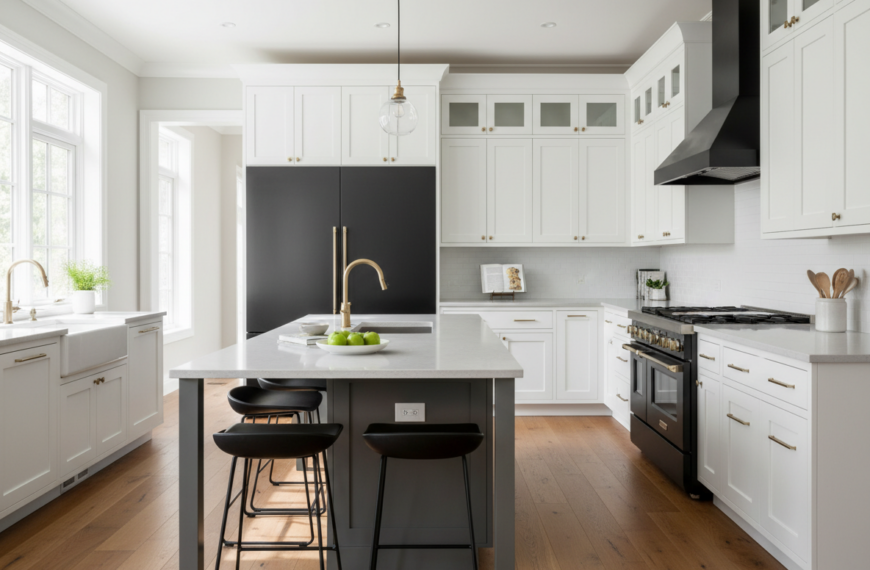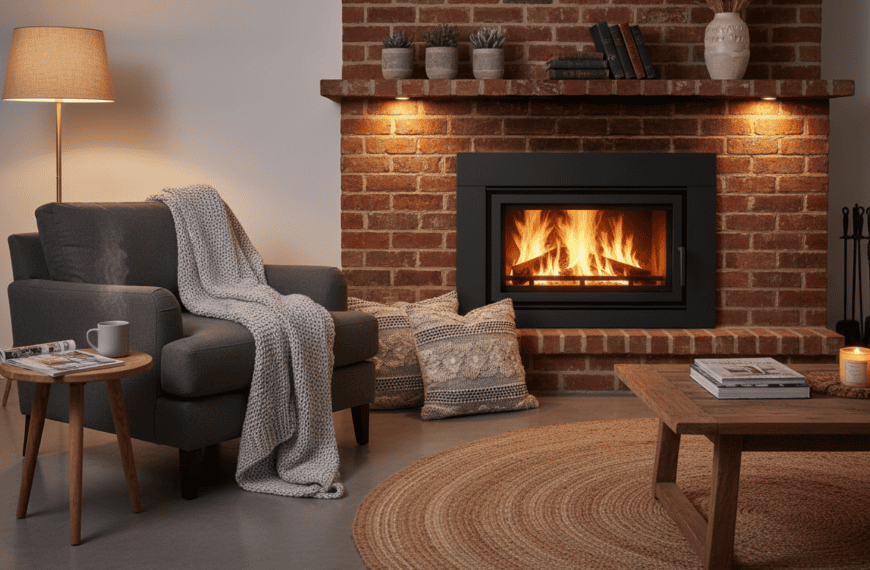
Making your home more energy efficient is a smart way to lower your utility bills and reduce your environmental impact. You don’t need major renovations to start saving money and energy each day. Small changes can add up to noticeable results over time.
By improving energy efficiency in your home, you use less power and save money without sacrificing comfort. This article will help you explore practical and easy-to-implement ideas that fit into your lifestyle and budget.
Install a programmable thermostat

You can lower your energy bills by installing a programmable thermostat. It allows you to set different temperatures for times when you’re home, away, or sleeping.
By turning your heat or cooling down 7 to 10 degrees for several hours a day, you’ll save on heating and cooling costs.
A programmable thermostat makes managing your home’s temperature easier and helps reduce wasted energy without extra effort.
Change HVAC air filters regularly

You should change your HVAC air filters every three months to keep your system running smoothly. A clean filter improves airflow, which helps your unit use less energy.
When you replace the filter on time, your home’s air quality gets better, and your HVAC system lasts longer. Make sure to turn off your system before changing the filter for safety.
Seal ductwork to prevent leaks

Sealing your ductwork stops heated or cooled air from escaping before it reaches your rooms. This helps your HVAC system work more efficiently and lowers your energy bills.
You can use mastic sealant or metal tape to close gaps and leaks in accessible ducts. Insulating these ducts further improves energy savings and comfort in your home.
Wrap your water heater with an insulation blanket

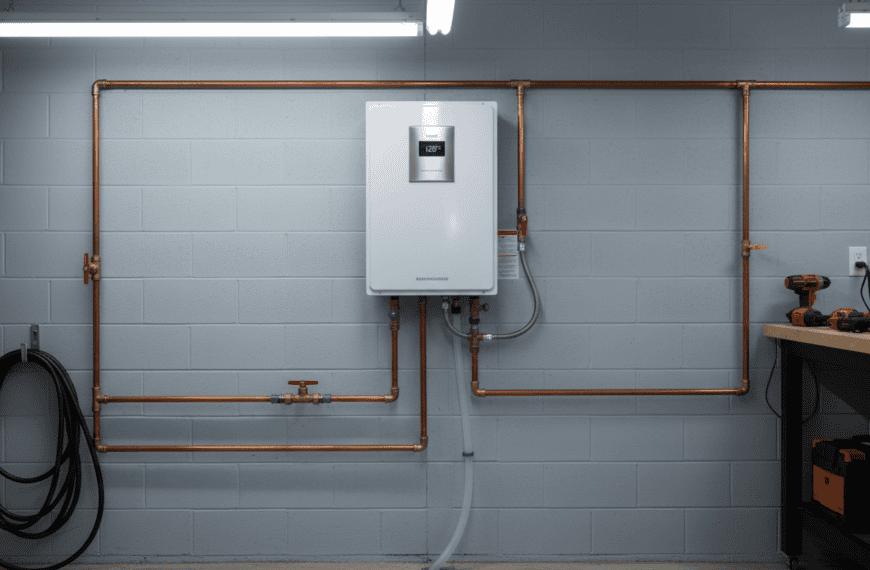
You can reduce heat loss by wrapping your water heater with an insulation blanket. This simple step helps keep the water hotter for longer.
If your water heater is older or located in an unheated space, an insulation blanket can save you energy and lower your bills. It usually pays for itself within a year.
The blanket is easy to install and works for both gas and electric models. Just follow the instructions and avoid covering vents or controls.
Use LED bulbs throughout your home

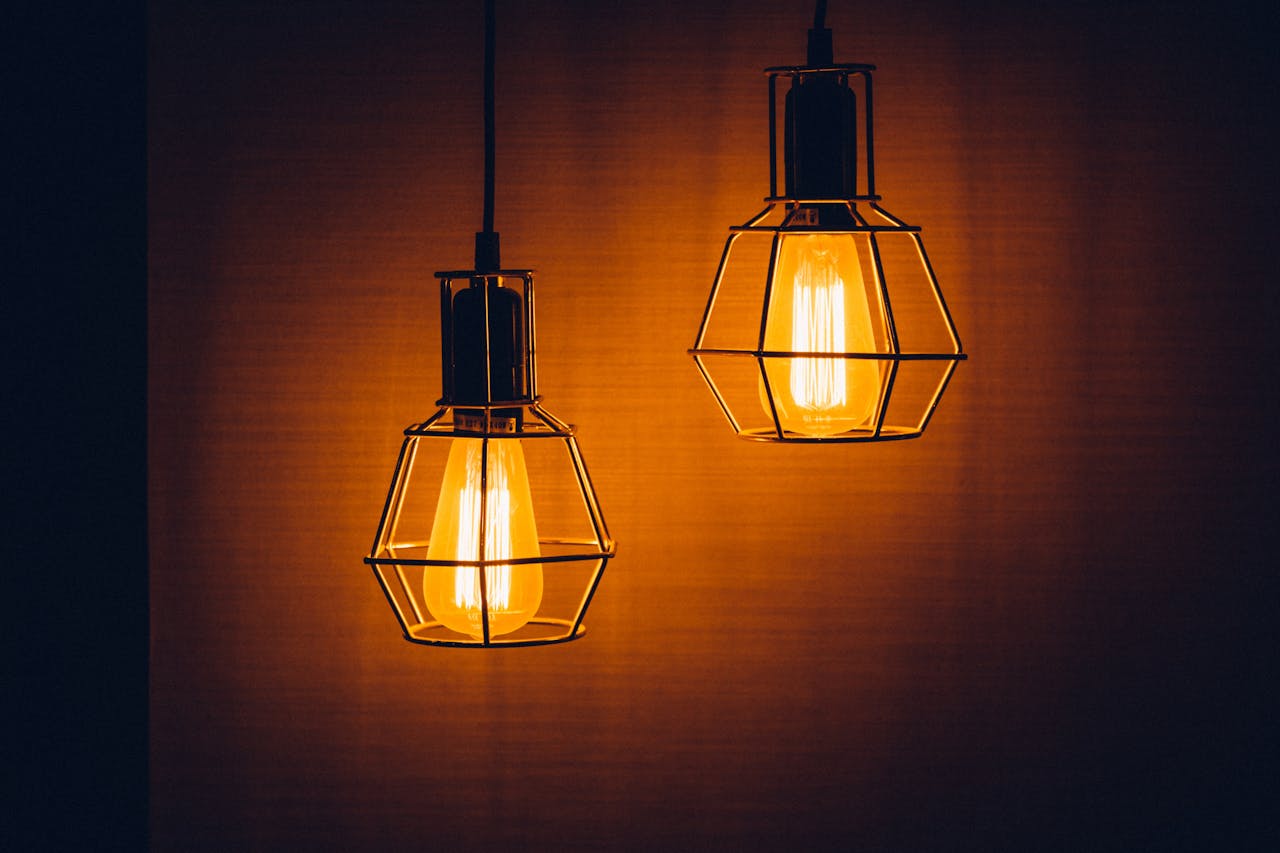
Switching to LED bulbs is an easy way to save energy and lower your electricity bill. LEDs use about 50% less energy than traditional bulbs and last much longer, which means fewer replacements.
You can use LED bulbs in almost any fixture, including ceiling lights, lamps, and outdoor lighting. They also produce less heat, making your home safer and cooler. Making this simple change helps your home run more efficiently without much effort.
Run large appliances like dishwashers in the evening

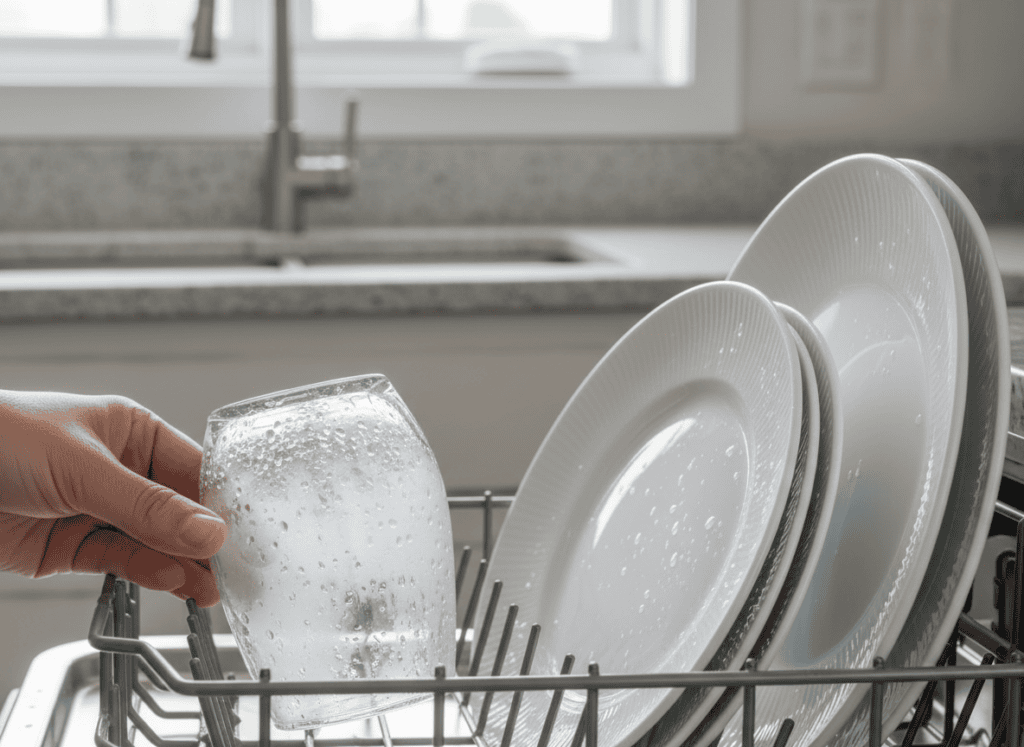
You can save energy by running large appliances, such as dishwashers, during off-peak hours. Many utility companies charge less for electricity in the evening.
Running your dishwasher or washing machine later also helps reduce the strain on the power grid. This small change can lower your electricity bill without much effort.
Use ceiling fans to circulate air efficiently

You can use ceiling fans to help spread air evenly in your rooms. In warm months, setting your fan to rotate counterclockwise creates a cooling breeze that makes you feel cooler without lowering the thermostat.
By using a ceiling fan, you can raise your thermostat by a few degrees and still feel comfortable. This simple change can cut your cooling costs by around 12%. Just remember to turn off fans when no one is in the room since they only cool people, not the air itself.
Spray foam insulation in attics and walls
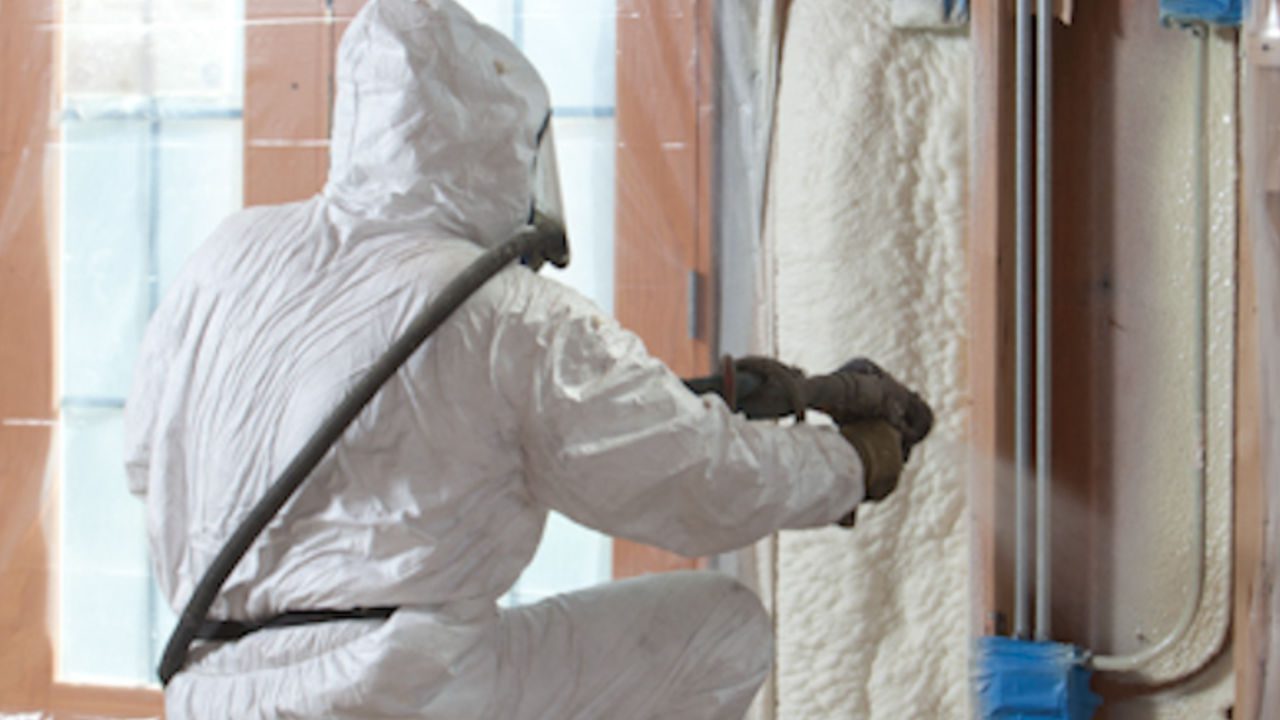
Spray foam insulation helps seal gaps and cracks in your attic and walls, stopping air leaks that waste energy. It creates a tight barrier that keeps your home warmer in winter and cooler in summer.
This type of insulation also reduces moisture buildup, which can protect your home from damage. Applying spray foam properly can lower your energy bills by improving your home’s overall efficiency.
Test and weatherstrip windows and doors

Start by checking your windows and doors for any air leaks. You can feel cold drafts or use a candle to spot escaping air.
Once you find gaps, apply weatherstripping or caulk to seal them. This helps keep your home insulated and reduces energy loss.
Adding weatherstripping is easy and affordable. It improves comfort and can lower your heating and cooling costs.
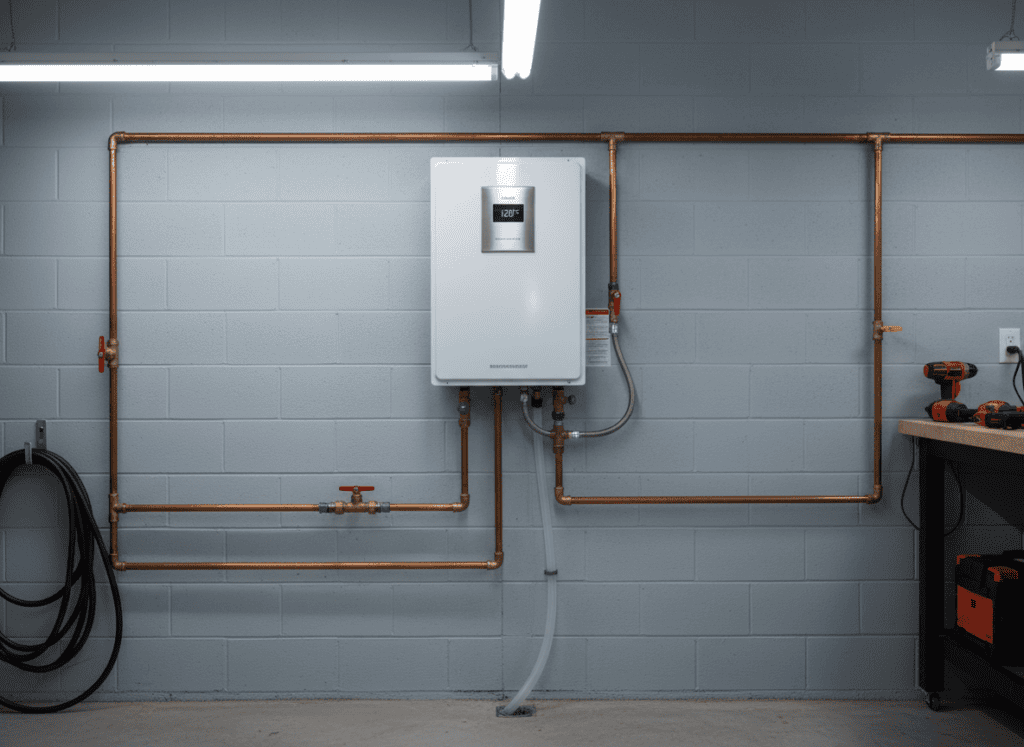
Lower your water heater temperature to 120°F

Lowering your water heater temperature to 120°F can save energy and reduce your utility bills. It uses less electricity or gas compared to higher settings, helping you cut costs gradually.
Keep in mind, setting the temperature too low can increase the risk of bacteria growth. 120°F is a safe balance between energy efficiency and preventing health risks. Adjust your thermostat easily to start saving today.
Switch to ENERGY STAR certified appliances

You can save energy by choosing ENERGY STAR certified appliances. These products meet strict efficiency standards set by the government.
Using these appliances helps reduce your electricity bills and lowers your home’s environmental impact. Plus, they often come with advanced features that improve performance.
When replacing older appliances, look for the ENERGY STAR label to ensure you’re getting an energy-efficient option. This simple step makes a noticeable difference over time.
Like what you read? Here’s more by us: