Madelyn Eitas was 11 years old, a sixth grader from Rochester, Massachusetts, who loved soccer, dancing, and looking out for the people around her. In late February 2025, she was on a family ski vacation near Brighton Ski Resort in Utah’s Wasatch Range when an avalanche swept through and buried her. Her older brother found her beneath the snow. Ski patrol and emergency responders dug her out, but Madelyn did not survive. She died at a nearby hospital, surrounded by the family that had brought her west for a week of skiing.
Her death has forced a small New England town into sudden, public grief and reignited difficult questions about avalanche safety at one of Utah’s most popular resorts.
What happened on the mountain
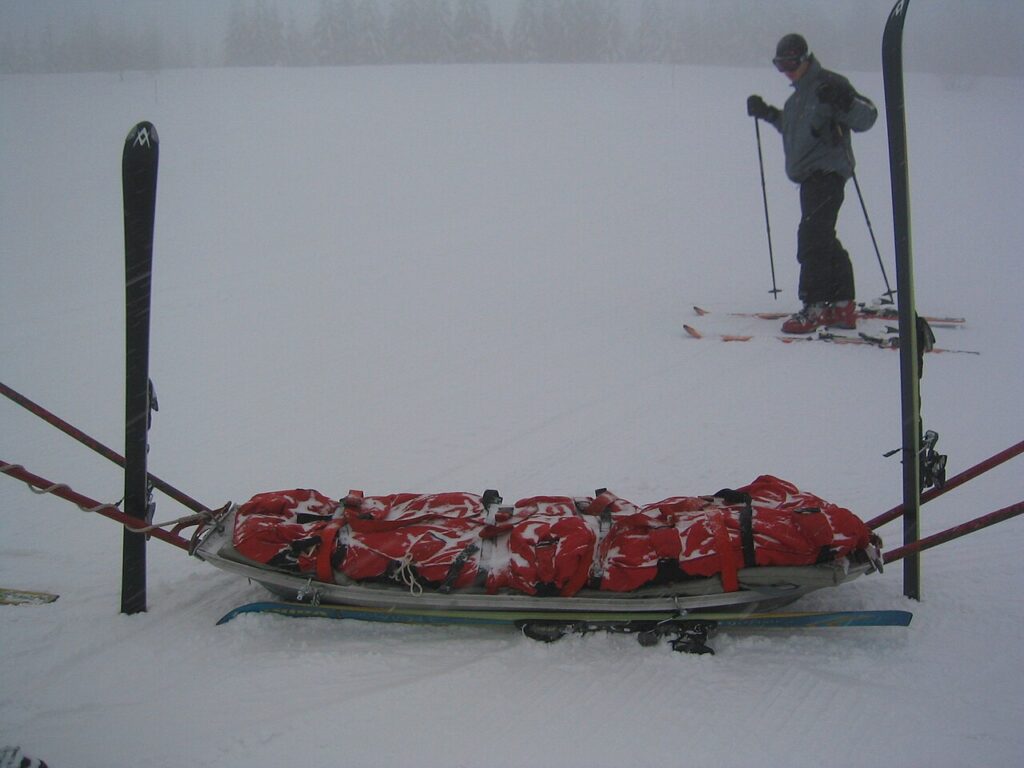
According to a detailed report from Fox 13 Salt Lake City, citing avalanche investigation findings, Madelyn was buried under approximately four feet of snow for about 17 minutes before rescuers were able to uncover her. In avalanche medicine, those numbers are grim. Research published by the Utah Avalanche Center and international avalanche associations shows that survival probability drops sharply after about 15 minutes of burial, primarily because of asphyxiation from limited oxygen in the surrounding snowpack.
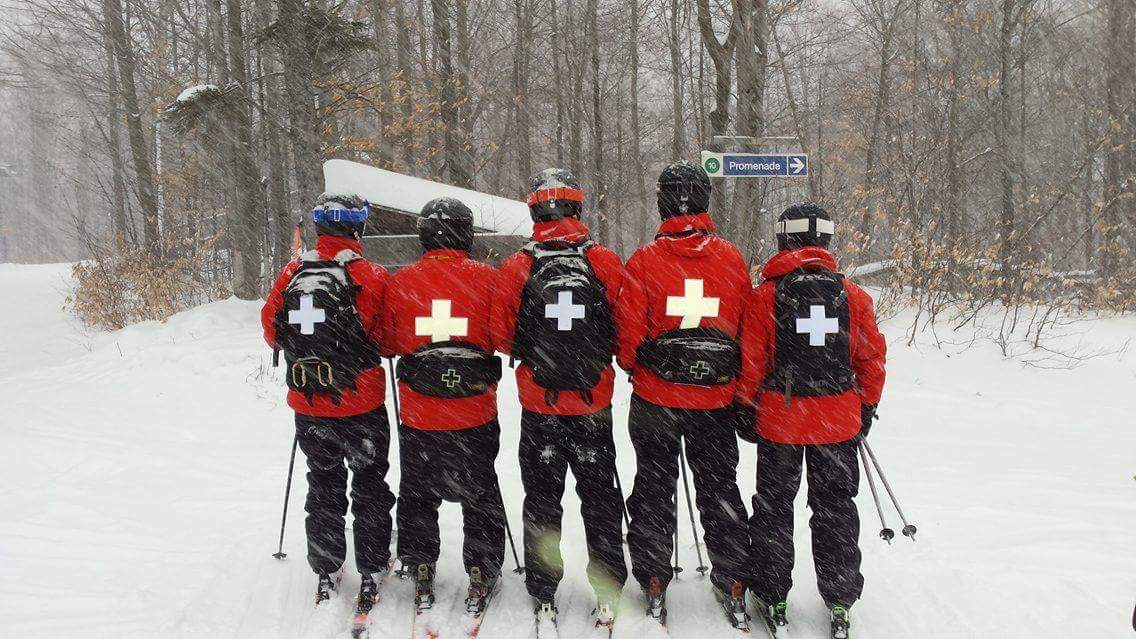
Brighton Ski Patrol responded alongside 911 dispatchers, and by multiple accounts the rescue effort was fast. But the depth of burial and the time underground proved insurmountable. Madelyn was transported to a Utah hospital, where she was pronounced dead.
The scene near Brighton in the aftermath was somber, with crews working the slide path as word spread that a child had been killed. It marked another deadly avalanche event in the Wasatch, a range that sees some of the highest avalanche activity in the continental United States.
A kid who “always thought about others first”
In Rochester, a town of roughly 6,000 people on Massachusetts’ South Shore, the news arrived like a shockwave. Staff at Rochester Memorial School, where Madelyn was a student, told families that her death was devastating for the entire school community and that counselors would be available for classmates struggling to process the loss.
Neighbors and family friends described Madelyn in strikingly consistent terms. Dana Tripp, a Rochester resident, told reporters the town was rallying around the Eitas family, describing Madelyn as a sweet, kind girl who seemed to put others before herself. Her family called her “so caring” and “Mama’s mini me,” phrases that have appeared across tributes from both Utah and Massachusetts.
Madelyn played on a sixth-grade travel team with the Rochester Marine Soccer program, where coaches remembered her as the teammate who cheered loudest for everyone else’s goals. Her mother has spoken about Madelyn’s love of soccer and dancing, and about the way she constantly tried to make the people around her happy. A post linked to local police shared those details as the community organized support for the family.
That picture of Madelyn, the kid doing goofy dances in the living room one minute and checking on a teammate the next, is what her family says they are holding onto as they navigate the first weeks without her.
Hard questions about avalanche safety
Madelyn’s death has also pushed her name into a broader, uncomfortable conversation about how avalanche risk is managed and communicated at ski resorts, particularly to visiting families who may not be familiar with mountain hazards.
The Utah Avalanche Center issues daily danger advisories for the Wasatch Range throughout the winter season. Those advisories use a five-level scale, from “Low” to “Extreme,” and are aimed at both backcountry travelers and resort skiers who venture near terrain where slides are possible. But for many recreational skiers, especially families on vacation, avalanche forecasts can feel like background noise, something meant for experts rather than for an 11-year-old and her parents picking a run after lunch.
The specifics of whether Madelyn was skiing in-bounds, in controlled sidecountry, or in unmanaged terrain adjacent to the resort have not been fully clarified in public reporting as of March 2026. That distinction matters enormously. In-bounds avalanche fatalities at managed resorts are rare but not unheard of; they raise pointed questions about snow safety protocols, terrain management, and whether a resort adequately warned guests about conditions. If the slide occurred outside resort boundaries, the calculus shifts toward personal risk assessment and backcountry preparedness, territory where even experienced adults sometimes misjudge conditions.
Brighton Ski Resort has not released a detailed public statement beyond initial confirmation of the incident. For the Eitas family and for other families who ski the Wasatch, that silence leaves a gap where answers should be.
What stays after the headlines move on
Avalanche tragedies generate intense attention for a few days, then fade from the national news cycle. For Rochester, the timeline is different. The Eitas family will be navigating this loss for years. Madelyn’s classmates will move on to middle school without her. Her soccer teammates will play seasons she was supposed to be part of.
What her family and community have asked, in the gentlest terms possible, is that people remember who Madelyn was before the avalanche became the defining fact of her life: a girl who played hard, cared deeply, and made the people around her feel noticed. The rest, the safety debates, the resort protocols, the avalanche statistics, matters too. But it is not the whole story. The whole story is an 11-year-old who went skiing with her family and did not come home.
More from Decluttering Mom: