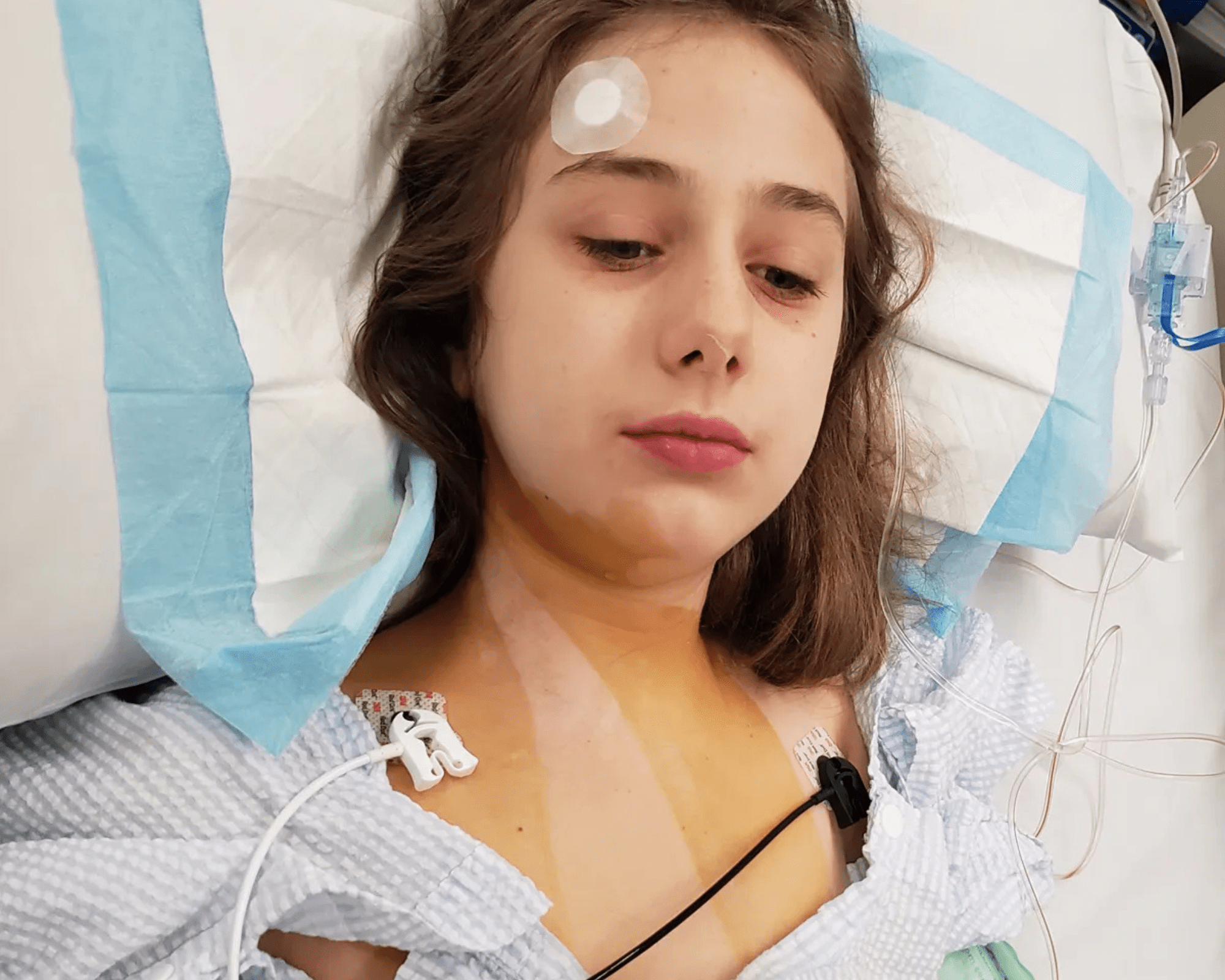
When 11-year-old Abbey Barrett died from brain cancer, her parents were left with a grief that does not really have a name, and a list of things they wish someone had spelled out for them much earlier. Their loss in Australia has turned them into reluctant educators, trying to make sure other families recognize subtle warning signs and feel more prepared for the brutal decisions that come with a pediatric brain tumor diagnosis. At the heart of their message is a simple, uncomfortable truth: parents cannot prevent every tragedy, but better information can change how quickly a child is diagnosed and how supported a family feels along the way.
They are not pushing panic, and they are not suggesting every headache is a crisis. What they are asking is that adults who love kids learn what red flags look like, understand how easily symptoms can be brushed off, and know what questions to ask when something feels off. Their story, and the medical guidance that backs it up, points to a gap between what specialists know and what most parents hear in a rushed clinic visit.
Abbey’s Story, And The Signs Her Parents Missed
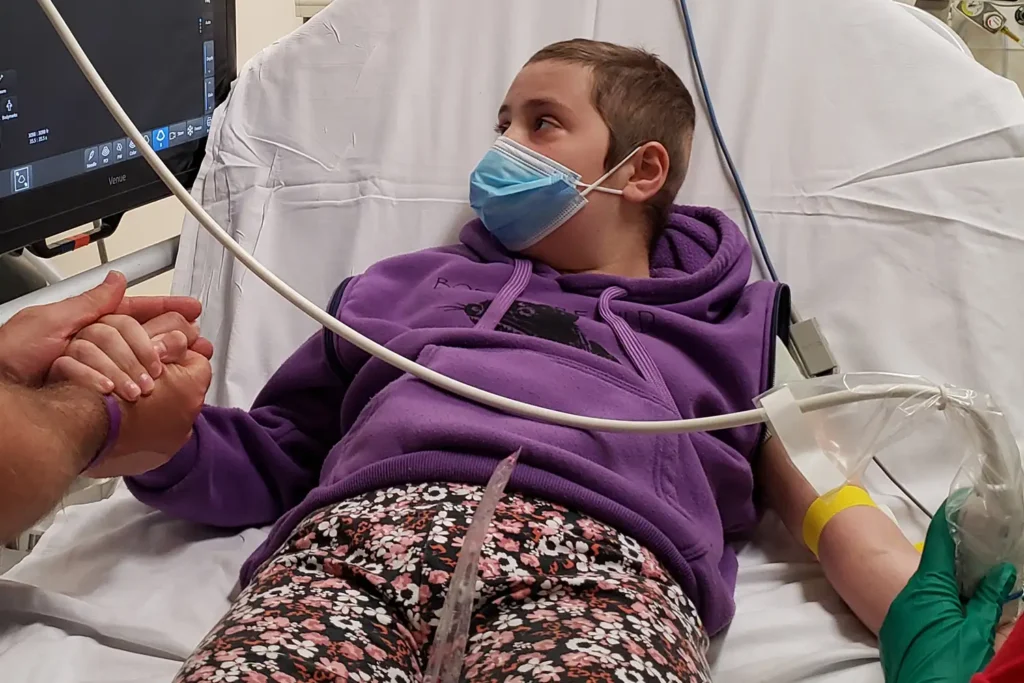
Abbey Barrett’s parents have been clear about one thing: they adored their daughter and did what they thought was right at every step, yet they still feel blindsided by how her cancer unfolded. Reporting on the family explains that the Barrets, who live in Australia, first saw small changes that did not scream “brain tumor.” Abbey developed hand tremors that were initially written off by a local general practitioner as a family quirk, because her paternal grandmother had similar shaking. Her mother, Justine, later recalled that those tremors were the first sign of something far more serious, a detail that has since been highlighted in coverage of the case.
By the time doctors found the tumor, it was described as being the size of a tennis ball inside Abbey’s skull, a mass her parents were told came from what specialists called an “incredibly unlucky genetic glitch.” That description, reported in coverage of the Barrets’ interviews, underlines how random and unfair pediatric cancers can be, even when a family has no obvious risk factors. The same reporting notes that the family’s story was first shared as a “NEED TO KNOW” warning, with Justine Barrett, 43, telling interviewers that she now wants other parents to push harder when something about their child’s health does not sit right, rather than accepting the first reassuring answer they hear.
The Subtle Symptoms Parents Overlook
What haunts Abbey’s parents is how ordinary her early symptoms looked. That is exactly what makes pediatric brain tumors so tricky. Specialists point out that Pediatric brain tumors are rare, and their symptoms overlap with everything from migraines to anxiety. Guidance for families lists baby and toddler warning signs like a growing head size, a fuller soft spot (fontanel), poor feeding, or frequent vomiting, while older kids might show clumsiness, new headaches, or changes in school performance. In children who are not yet talking, experts say parents may only notice fussiness, developmental delays, or unusual eye movements, which is why one major clinic stresses that in Pediatric patients, caregiver observations are often the first clue.
Across several pediatric cancer programs, the same cluster of red flags keeps coming up. Lists of Common Symptoms of a brain tumor in children mention persistent or worsening headaches, morning nausea and vomiting, new balance problems, weakness on one side of the body, or staring spells and seizures. Another overview of Brain Tumors in kids adds headaches, nausea and vomiting, crossed or blurred vision, balance issues, and behavioral changes to that list. Another resource on What families go through notes that a fuller soft spot, unusual head growth, or hearing problems can also be part of the picture, especially in very young children.
Headaches, Behavior Shifts, And Other Red Flags
Parents hear a lot about headaches, but the nuance often gets lost. Pediatric specialists emphasize that Headaches that are frequent, worsening, or waking a child from sleep deserve a closer look, especially if they come with vomiting or vision changes. One pediatric cancer group describes Signs and Symptoms that include headaches which are frequent, recurrent, or worse in the morning, along with vomiting that is not clearly tied to a stomach bug. Another guide to Warning Signs You notes that many children with a brain tumor experience headaches before diagnosis, and that any headache pattern that is new, severe, or paired with neurological changes should be evaluated by a medical professional.
Changes in mood, school performance, or basic abilities can be just as important as physical pain. A detailed overview of Childhood Brain Tumor explains that childhood brain tumors frequently cause changes in hearing, memory, learning, sight, smell, or emotional regulation, and can even alter bowel or urinary habits. Another resource on Here adds that seizures, new clumsiness, or personality shifts can also be part of the picture. A separate list of Typical central nervous system symptoms reinforces that issues like double vision, trouble walking, or weakness in an arm or leg are not things to watch casually over months.
What Abbey’s Parents Wish They Had Heard From Doctors
Looking back, Abbey’s parents say they wish someone had connected the dots sooner, or at least laid out the possibilities more bluntly. In interviews flagged as a NEED to know story, they describe how reassuring words from their local clinic lulled them into thinking the tremors were harmless. Another passage from that coverage quotes Justine explaining that Abbey’s hand tremors were dismissed by their GP and put down to genetics because Abbey’s paternal grandmother had similar shaking, a detail repeated in a separate excerpt that begins with “She then developed hand tremors.” For the Barrets, that moment has become a mental replay of what might have gone differently if imaging had been ordered earlier.
They also talk about how unprepared they felt for the pace and weight of decisions once the tumor was finally found. One account of the family’s experience notes that the story was framed as something parents “wished they had known sooner,” not just about symptoms but about treatment limits and end-of-life care. A related piece on the same case, shared through a Canadian lifestyle outlet, quotes Justine saying, “That was something I found really confronting, that we were talking about end-of-life care sooner,” a line highlighted in a segment that begins with “That was something I found.” Another excerpt from the same outlet captures Justine reflecting on how much their family went through in 18 months, a passage that starts with “Never miss a story” and includes her saying there is “so much that is true,” which appears in the segment linked through the phrase Never.
How Parents Can Push For Answers Without Panicking
For families reading Abbey’s story, the goal is not to turn every bruise into a worst-case scenario, but to feel more confident about when to push for more testing. One practical step is to track patterns. If a child has frequent, severe, or worsening headaches, especially first thing in the morning, or if they are vomiting without a clear stomach illness, experts advise parents to Consult their child’s doctor and describe exactly how often symptoms appear. A pediatric brain tumor program notes that families should pay attention to frequent severe or worsening headaches, particularly those that wake a child from sleep, and to any new seizures or vision changes. Another overview of When to worry about brain tumor symptoms in kids stresses that while these cancers are rare, persistent patterns, especially in combination, should not be ignored.
More from Decluttering Mom: