Home staging is an essential aspect of selling a property. It’s about creating a visual that potential buyers can imagine themselves in. However, there are common mistakes that sellers often make, which can have a negative impact on the sale of their home.
Whether it’s neglecting the first impression that your property gives off, or failing to depersonalize your space – these seemingly minor errors can significantly hinder your chances of securing a sale. In this article, we will explore 12 common home staging mistakes and how to avoid them, to ensure that your home is presented in the best possible light.
1. Neglecting Curb Appeal

They say first impressions are everything, and this is particularly true when it comes to selling your home. The exterior of your property is the first thing potential buyers see, and if it’s not appealing, they might not even bother stepping inside.
This means properly maintaining your lawn, replacing broken fixtures, and giving your front door a fresh coat of paint. You might also want to consider adding some attractive outdoor furniture or planters to enhance the appeal. This source provides more details on why curb appeal is so important.
2. Overlooking Clutter
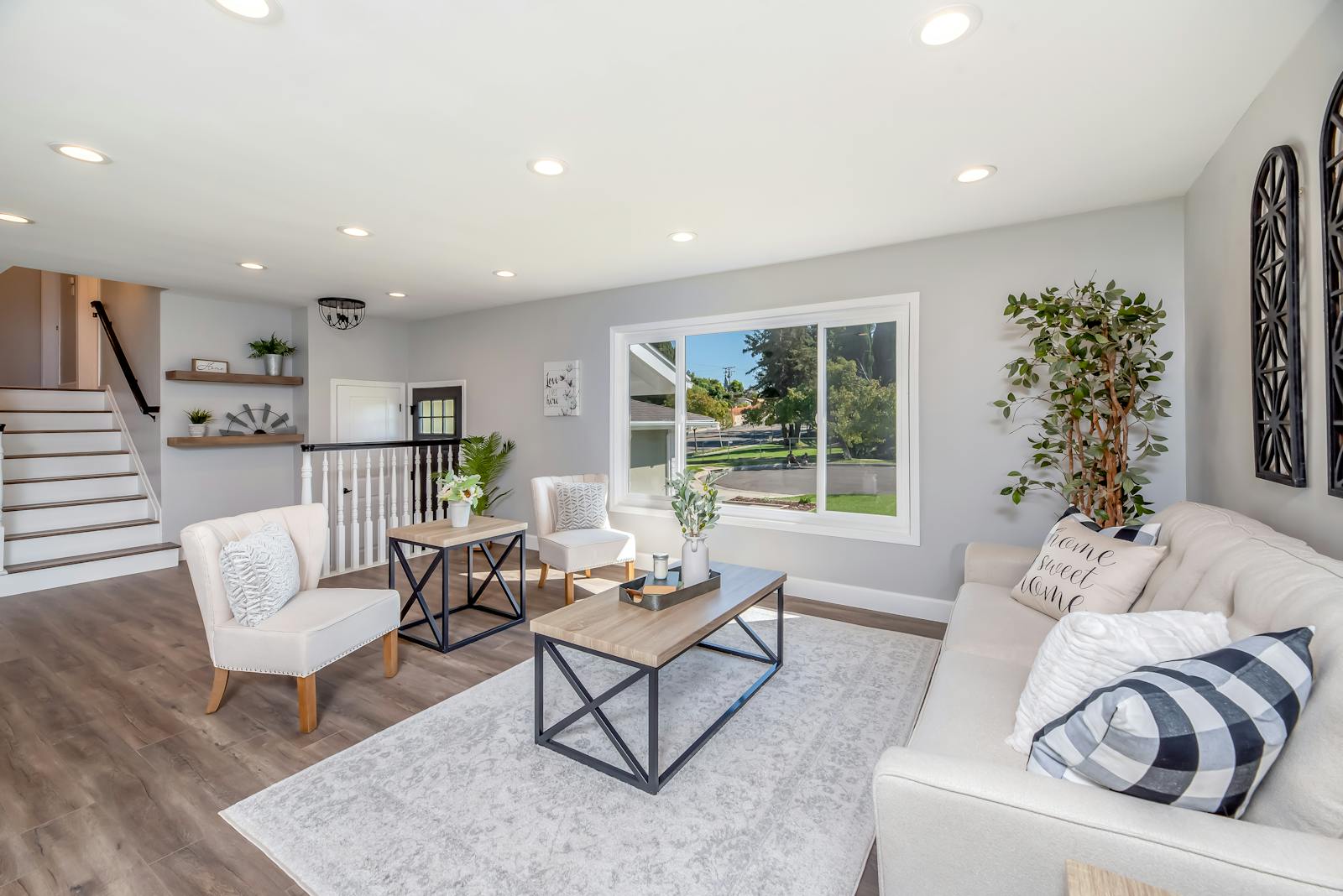
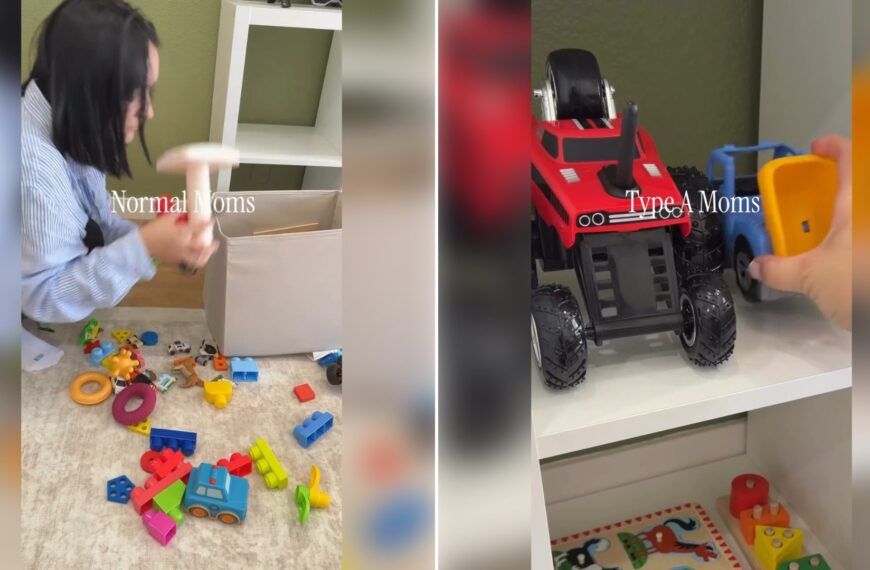
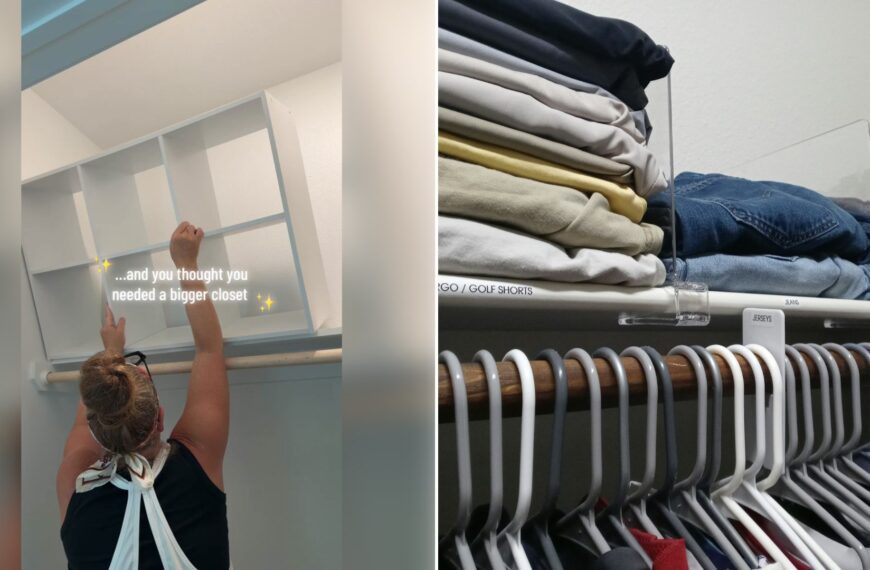
One of the biggest mistakes sellers make is leaving their home cluttered. Excessive clutter can make rooms appear smaller and distract potential buyers from seeing the true potential of your home. To avoid this, it’s important to declutter each room before showing your home.
This doesn’t mean you have to get rid of everything – just eliminate anything that’s not necessary or doesn’t add to the overall aesthetic of the space. For more tips on how to effectively declutter your home, check out this guide.
3. Ignoring Personal Items
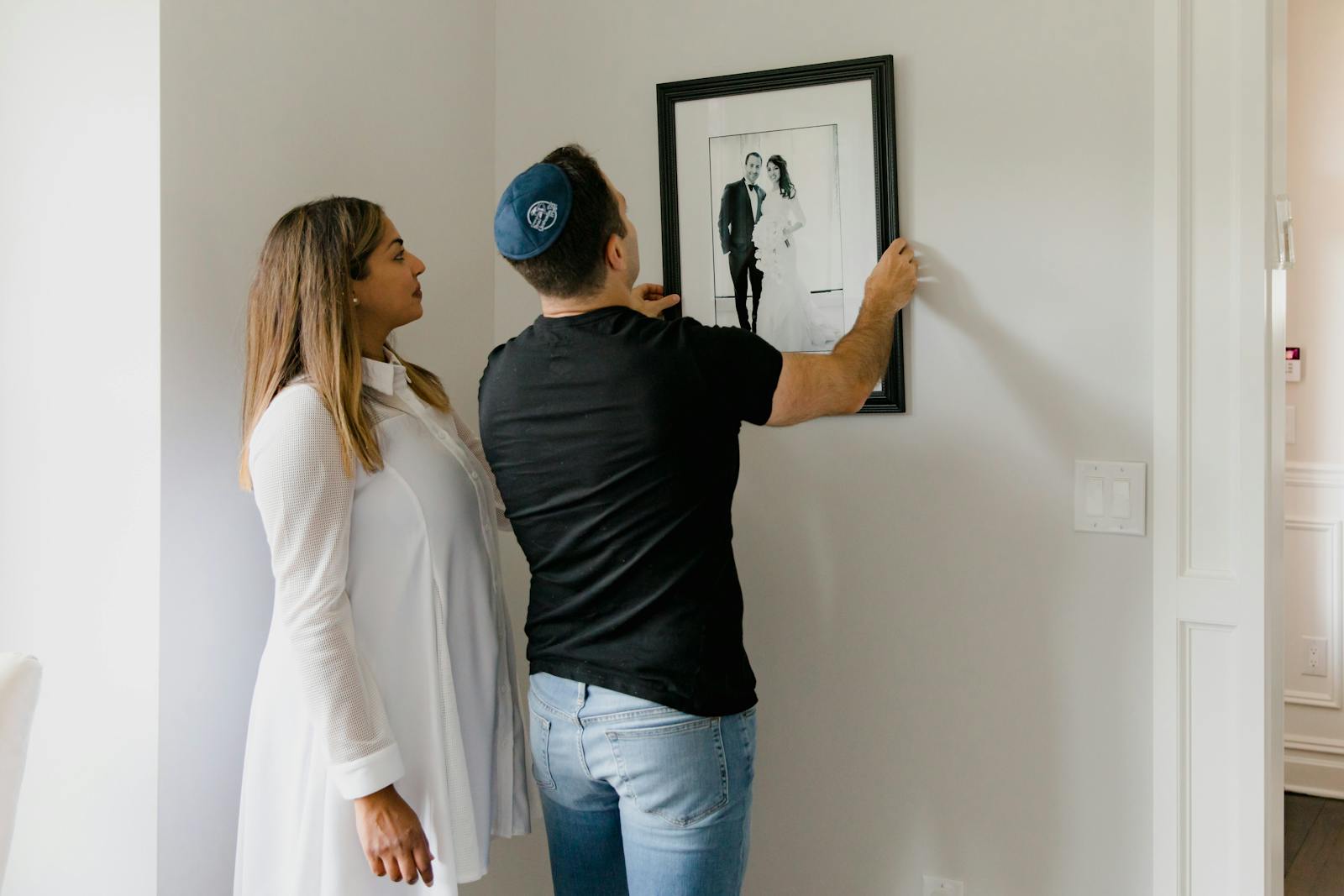
While your home may be full of cherished memories and personal items, potential buyers need to be able to imagine themselves living there. This is why it’s crucial to depersonalize your space before showing it.
Remove family photos, personal collections, and anything else that’s overly personal. Instead, opt for neutral decor that appeals to a wide range of tastes. This article offers more advice on how to successfully depersonalize your home.
4. Keeping Outdated Decor
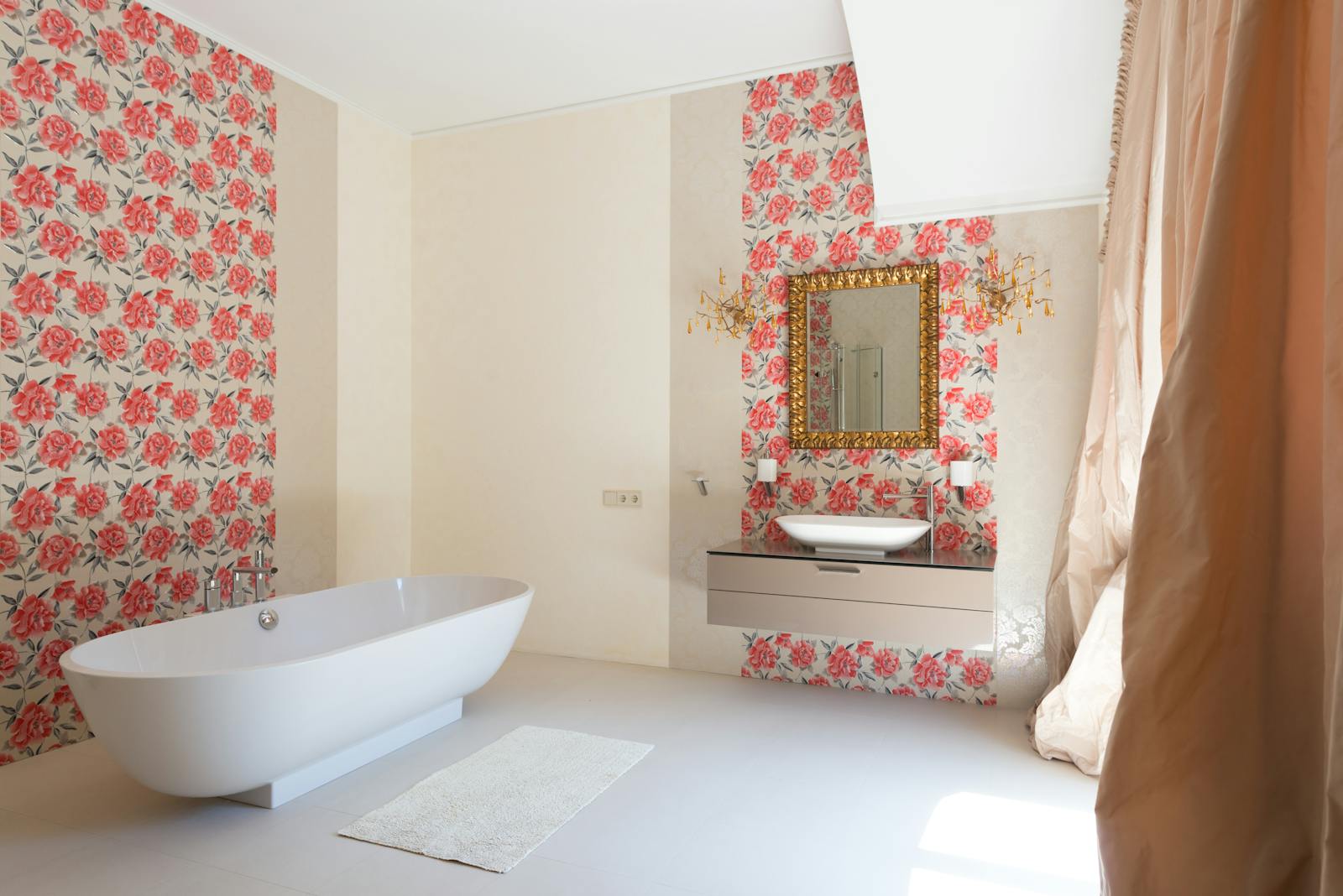
Just as personal items can be a turn-off for potential buyers, so too can outdated decor. While your avocado-green bathroom tiles or floral wallpaper might hold sentimental value, they may not be to the taste of your prospective buyers.
Consider updating these elements to more modern, neutral styles that will appeal to a broader audience. This doesn’t mean you have to undertake major renovations; even small changes can make a big difference.
5. Failing to Address Repairs

Potential buyers are typically looking for a home that’s move-in ready. This means that any necessary repairs should be addressed before you put your home on the market.
Whether it’s a leaky faucet, a broken window, or a faulty electrical outlet, these issues can deter potential buyers and lower the value of your home. By addressing these problems ahead of time, you can present a home that’s ready for its new owners.
6. Poor Lighting
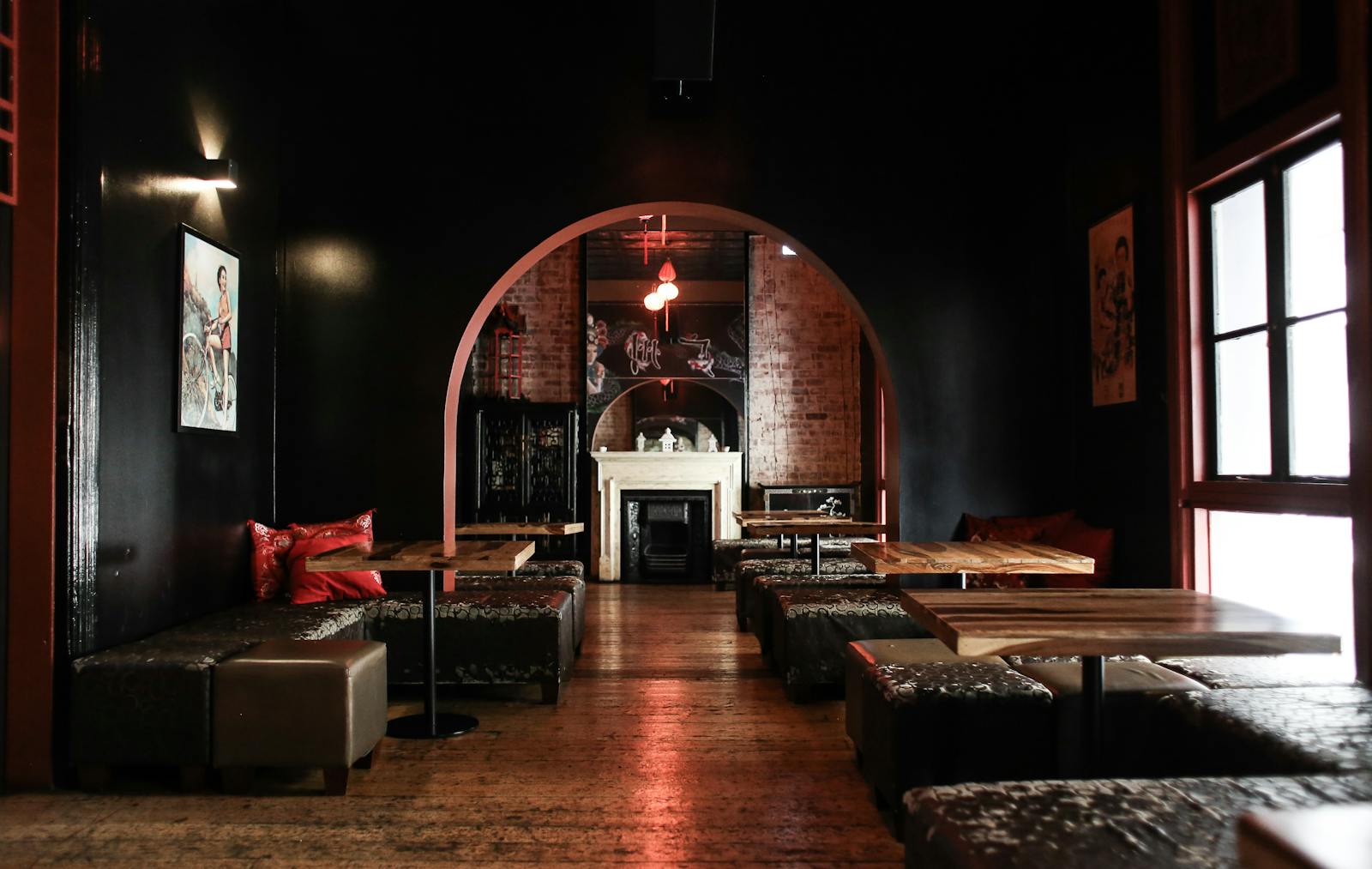
Lighting can dramatically affect the feel of a room. A poorly lit room can appear small and uninviting, while a brightly lit one can feel spacious and welcoming.
Consider updating your lighting fixtures, opening up your blinds, and using mirrors to reflect natural light. This will help to create a warm and inviting atmosphere that’s sure to appeal to potential buyers.
7. Overdoing Scent

While a pleasant-smelling home can be inviting, overdoing it with artificial scents can be off-putting to potential buyers. Some people may be allergic or sensitive to certain fragrances, while others may simply find them overwhelming.
Instead of heavily scenting your home, focus on keeping it clean and fresh. If you do want to add a scent, opt for something light and natural, like lavender or citrus.
8. Leaving Rooms Empty
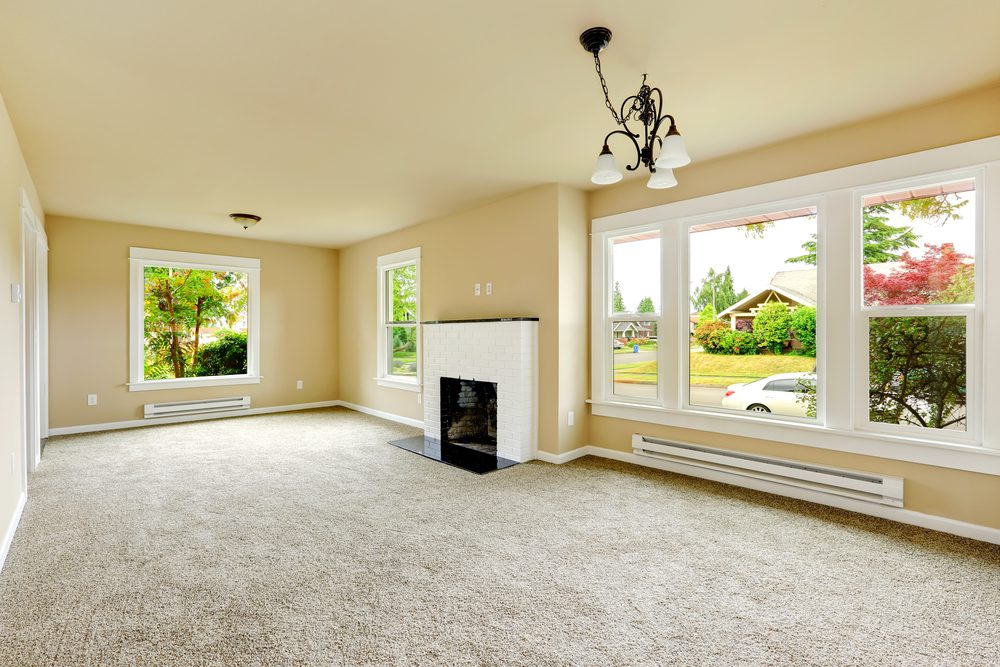
Empty rooms can be just as off-putting as cluttered ones. Without furniture and decor, it can be difficult for potential buyers to envision how they would use the space.
Consider staging each room with furniture and accessories that highlight its purpose and potential. This doesn’t mean you have to fill every inch of space – just enough to give buyers an idea of how the room could be used.
9. Ignoring the Backyard

Don’t forget about your outdoor spaces! Just like the interior of your home, your backyard or patio can be a major selling point. Keep these areas clean, well-maintained, and inviting.
Consider adding outdoor furniture, a fire pit, or even a vegetable garden to showcase the potential of these spaces. For more ideas on how to stage your outdoor spaces, check out this book.
10. Overdoing Color
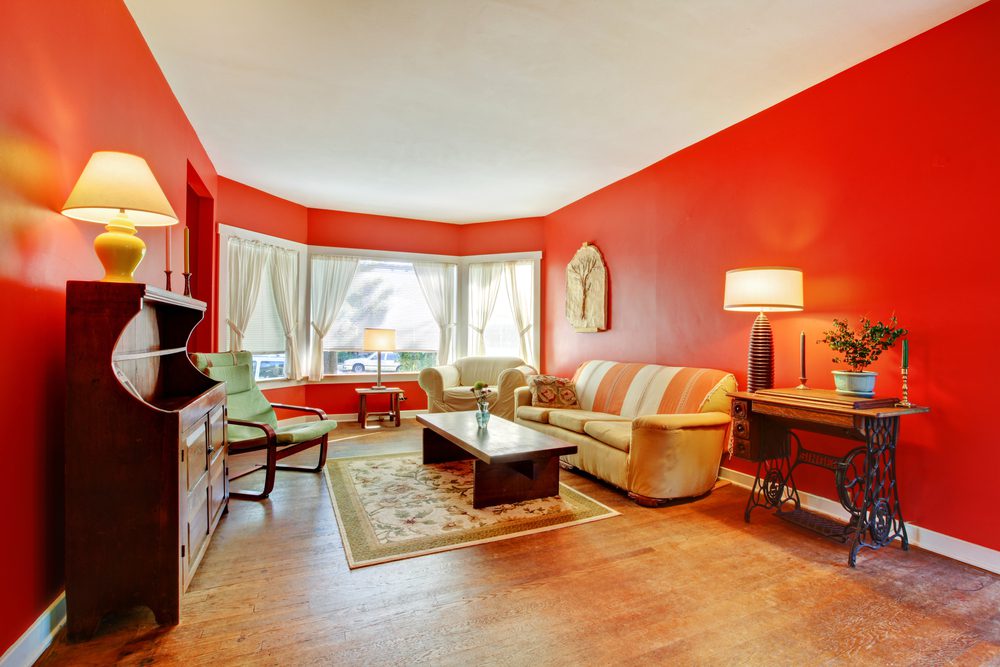
While a splash of color can add character to a room, too much color can be overwhelming. Stick to neutral tones for the walls, furniture, and major decor items.
These colors appeal to a wide range of tastes and can easily be accented with pops of color in the form of throw pillows, artwork, and other accessories.
11. Forgetting About Cleanliness

A clean home is a welcoming home. Ensure that your home is spotless before any showings or open houses. This extends beyond just dusting and vacuuming – consider having your carpets professionally cleaned, wipe down the insides of cabinets and fridges, and ensure that your bathrooms are sparkling. A clean home not only looks better, but it also communicates to potential buyers that the property has been well-maintained.
12. Trying to Stage Your Home Yourself
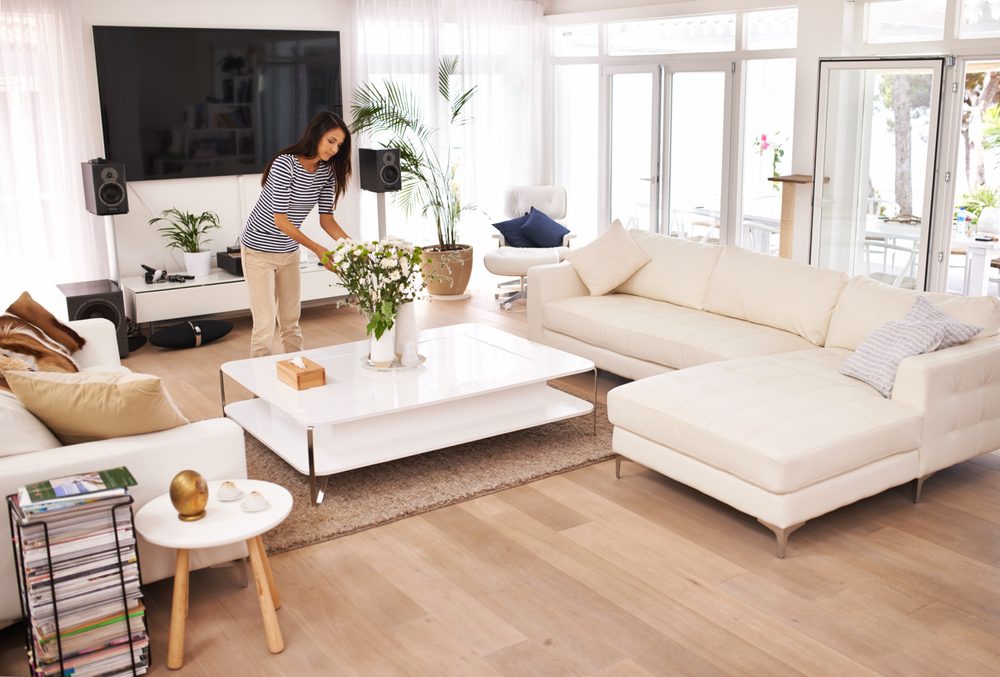
Finally, while it’s certainly possible to stage your home yourself, hiring a professional stager can be a worthwhile investment. Professional stagers have the experience and expertise to optimize your space and highlight its best features.
They can also provide valuable advice on what potential buyers in your area are looking for.