Decluttering can feel overwhelming, especially when you don’t know where to start or what to let go of. Many people struggle with excess items piling up, making their spaces feel cramped and chaotic.
These strategies help you make thoughtful decisions about what to keep and what to release. Your space will better reflect your needs and lifestyle.
Start with a declutter caddy to keep essentials handy
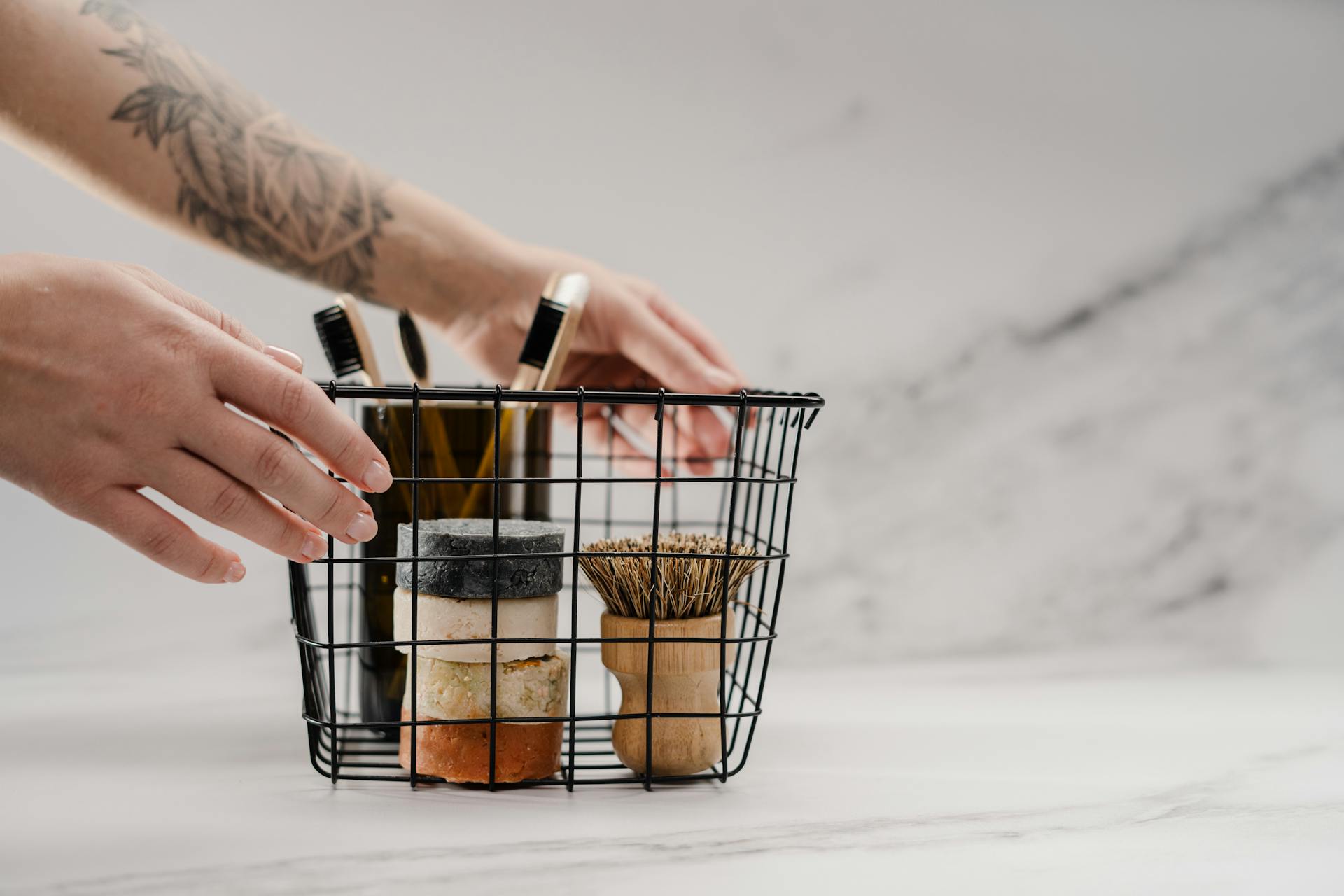
You can use a declutter caddy to keep all your must-have tools in one place. This might include gloves, wipes, trash bags, and small containers.
Having a caddy ready helps you save time by not hunting for supplies during your decluttering session. It also makes it easier to move from room to room without forgetting anything important.
Use the four-box method: keep, donate, discard, relocate

You can simplify decluttering by using the four-box method. Label four boxes as keep, donate, discard, and relocate to sort your items quickly.
Items you no longer need but are in good condition go into the donate box. Discard anything broken or unusable.
For things that belong elsewhere in your home, put them in the relocate box. This method keeps the process organized and efficient.
Visualize your ideal space before you begin

Start by imagining how you want your space to look and feel. Picture the layout, colors, and the types of items you want to keep.
This mental image will guide your decisions and keep you focused. Visualizing makes the process less overwhelming.
You’ll know what to aim for and feel motivated as you work toward your goal.
Set a 20-minute timer for quick declutter sessions

Set a 20-minute timer to keep your decluttering focused and manageable. This creates a clear stopping point and helps prevent overwhelm.
During these short bursts, you can tackle a specific area like a drawer or a shelf. Using a timer also builds momentum, making it easier to start again later.
Repurpose old clothes as cleaning rags or gardening wear

You don’t have to toss every worn-out shirt or pair of pants. Old clothes can be cut up and used as cleaning rags around your home.
They’re perfect for dusting, wiping surfaces, or cleaning spills without worrying about damage. If you enjoy gardening, save some old clothes for that purpose too.
They protect your skin and can get dirty without stress. It’s a great way to extend the life of your garments while reducing waste.
Tackle one small area at a time for less overwhelm

Start with a single corner or a small section in any room. Focusing on one small space helps you avoid feeling overwhelmed by the whole area.
Sorting a manageable spot allows you to see progress quickly. You can remove trash, donate items, or organize things in clear steps.
By breaking your decluttering into bite-sized pieces, you stay motivated and reduce stress.
Use wall hooks to free up drawer and shelf space
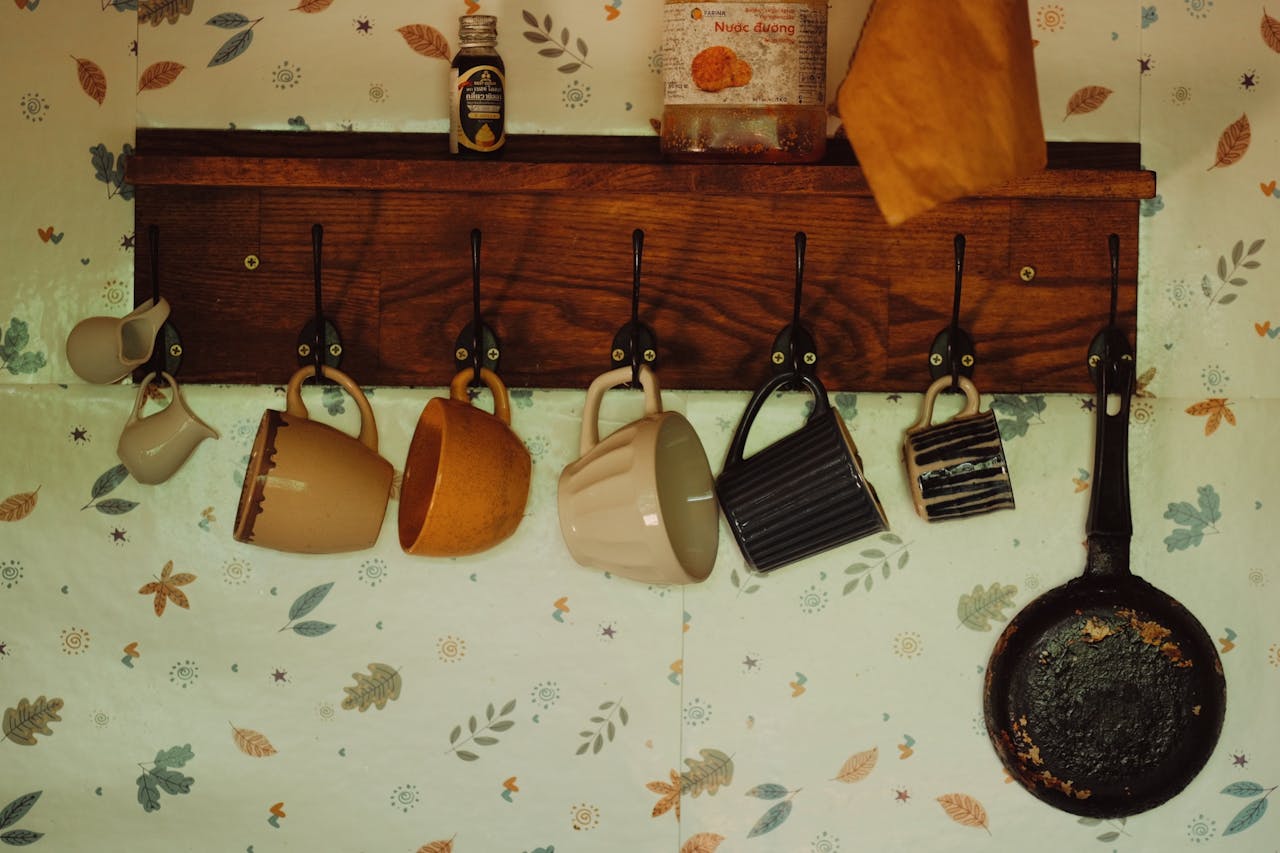
You can easily create more space by installing wall hooks. They keep items like bags, scarves, or kitchen tools off your surfaces.
Hooks make frequently used things accessible without cluttering up drawers. Try placing hooks near entryways or inside cabinets to maximize your storage options.
It’s a small upgrade that makes a big difference in your home’s tidiness.
Discard damaged or outdated items first
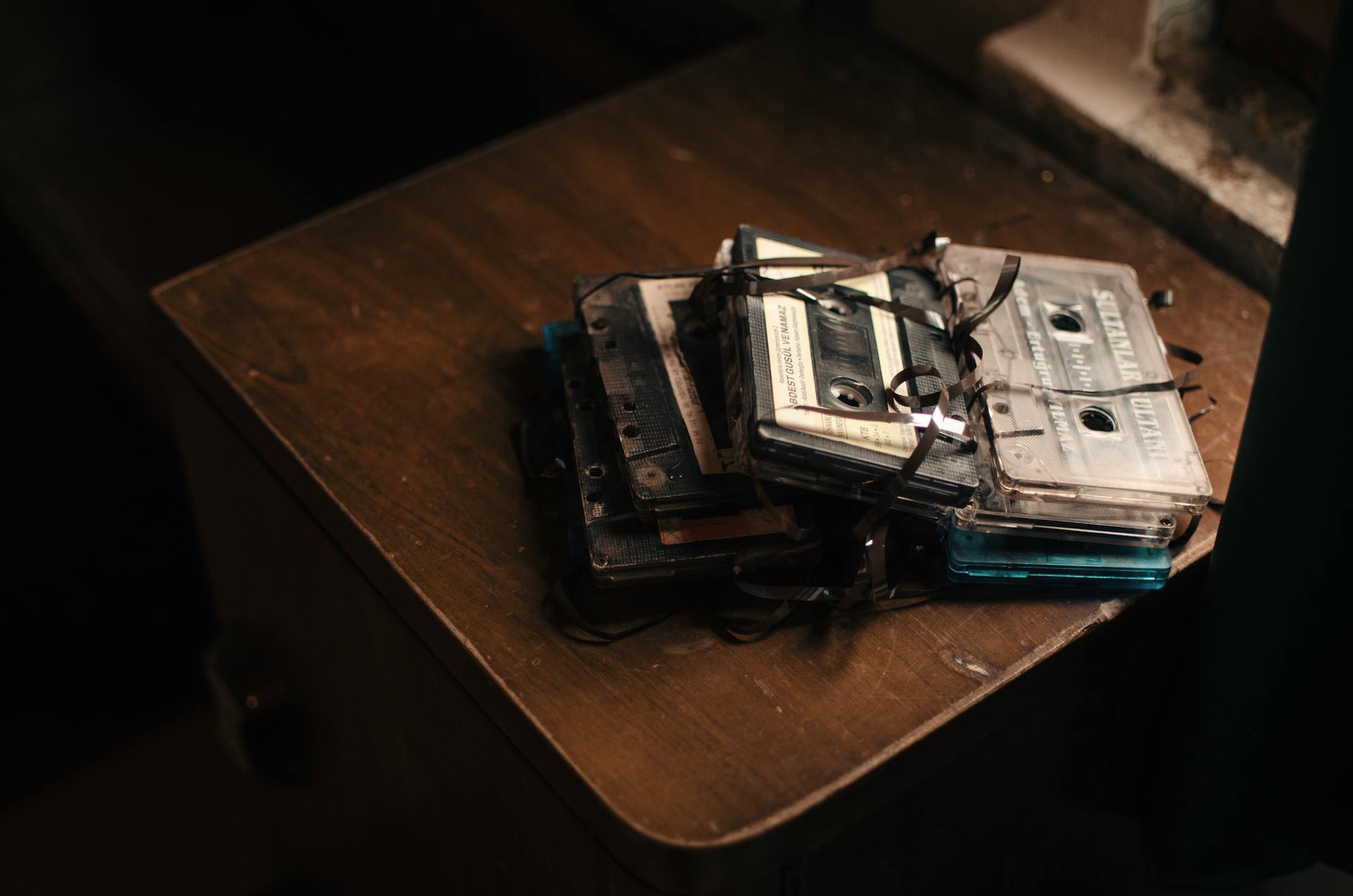
Start by looking for items that are damaged or past their expiration date. This includes food, cosmetics, and anything with torn or broken packaging.
Removing these first clears immediate hazards and frees up space quickly. It also helps you avoid keeping things that could be unsafe or unusable.
Create a ‘maybe’ box for items you’re unsure about

When you come across items you can’t decide to keep or toss, put them in a “maybe” box. This helps prevent rushed decisions and keeps your decluttering moving.
Set a deadline, like 30 days, to revisit the box. If you don’t use or think about the items by then, consider letting them go.
Use the “ski slope” method: sort items by importance visually

With the ski slope method, you arrange your items from most to least important in a visual way, like a gentle slope. Start by placing the things you use or need most at the top or front.
As you move down the slope, the items become less essential. This helps you spot what really matters and what can be given away or stored elsewhere.
Try Swedish Death Cleaning approach to simplify life

You can use Swedish Death Cleaning to gently sort through your belongings. This method encourages you to clear out items you no longer need, making the process less overwhelming for you and your loved ones.
Focus on keeping things that bring you joy or hold meaning. By doing this, you create a simpler space that reflects what truly matters to you.
Upcycle promo items like notepads and pens creatively

You don’t have to toss those leftover promo notepads and pens. Instead, find new uses for them around your home or office.
Use notepads for grocery lists or quick notes. They can also serve as mini journals.
Pens that don’t get used regularly can be grouped into craft projects. Alternatively, add them to donation boxes.